
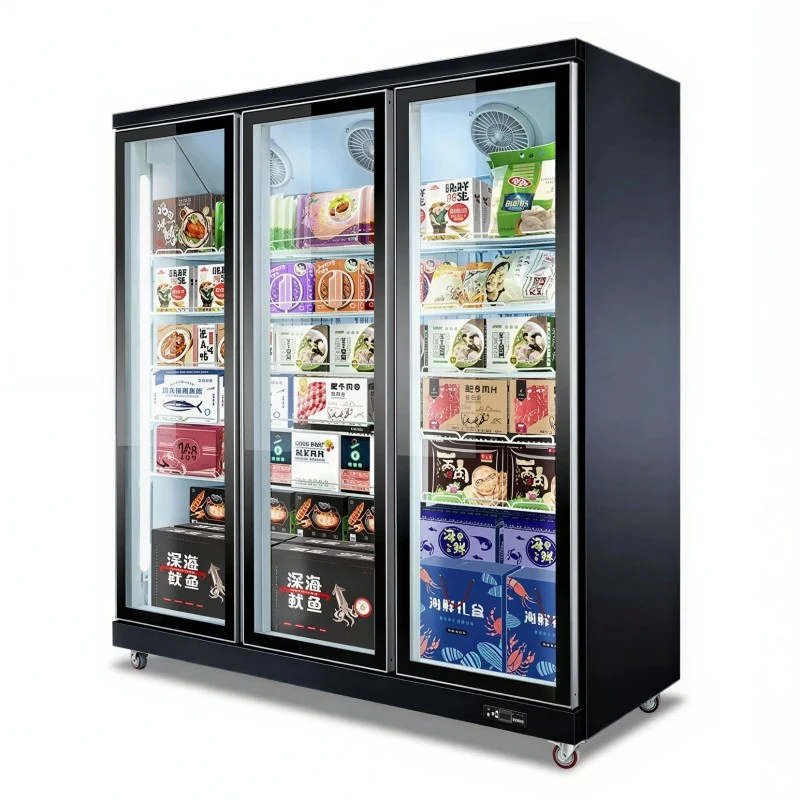
For busy restaurants, hotels, cafés, and catering kitchens, a 3-door commercial refrigerator is often the most practical choice for cold storage. It holds more than a single- or double-door unit, makes organizing ingredients easier, and lets staff reach high-turnover items quickly during peak service.
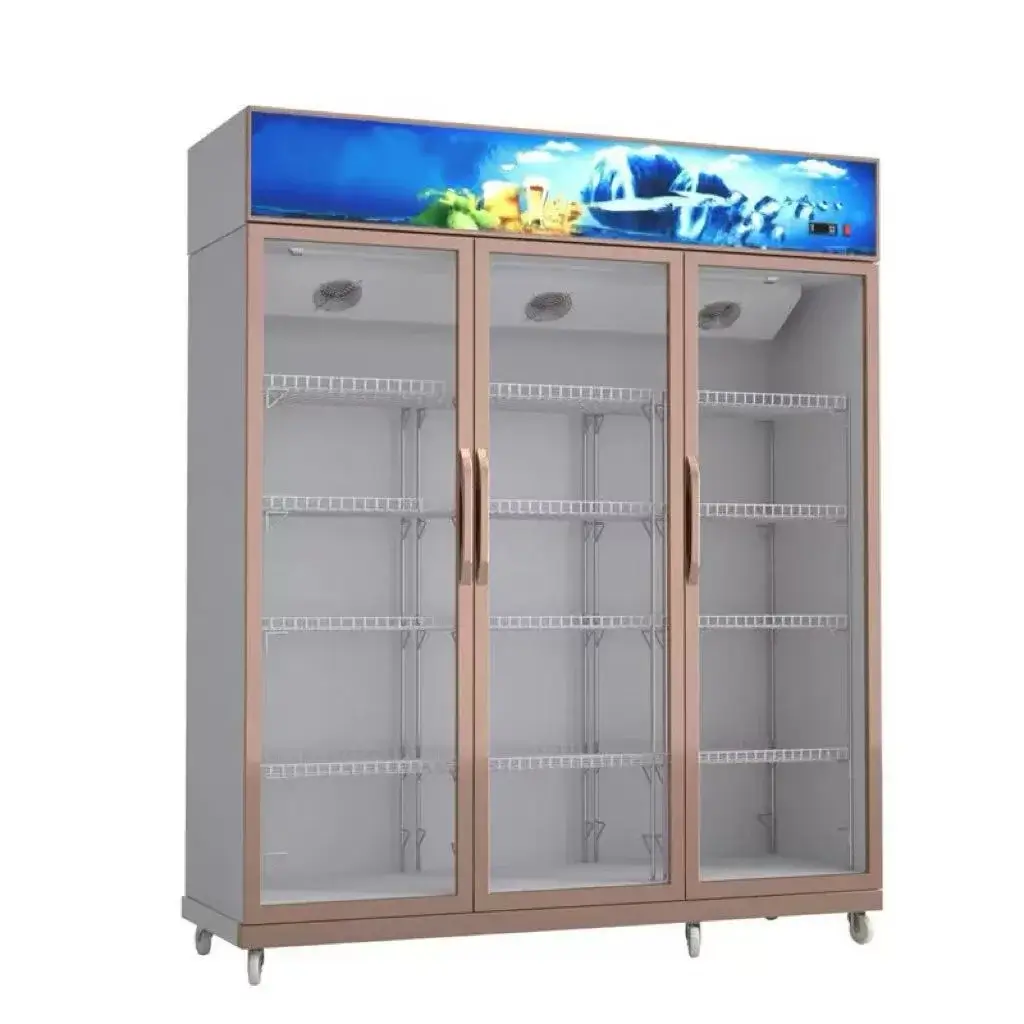
From an operator’s perspective, choosing a refrigerator is about more than simply “keeping food cold.” The unit must protect food safety, avoid unnecessary energy waste, fit the kitchen’s layout, and hold stable temperatures even when the doors are opened often. For businesses comparing cold-storage options, starting with the Commercial Refrigerator category can make it easier to assess capacity, door style, and intended use.
Why a 3 Door Commercial Refrigerator Fits High-Volume Foodservice
Restaurants and hotels chill a wide range of products every day, from meat and seafood to vegetables, sauces, beverages, desserts, and prepared ingredients. A commercial refrigerator with three doors and generous interior space gives staff room to separate these items and reduce the risk of cross-contact.
In many commercial kitchens, staff prefer three-door units because each compartment serves a separate purpose. One can hold ingredients for preparation, another can keep ready-to-serve items, and the third can store backup stock. Keeping products divided in this way means employees spend less time searching for what they need, so work moves more smoothly.
A thoughtfully arranged three-door unit may control temperature better than an oversized walk-in that staff opens for every small task. Ingredients used frequently are best kept in a reach-in refrigerator near the prep line, reducing steps and limiting unnecessary door openings in the main cold room.
Key Benefits for Restaurants and Hotels
A dependable 3-door model can ease the workload across a food-service operation. Hotel banquet kitchens, for example, may need quick access to large quantities of chilled food. Restaurants face a different but related pressure: keeping service moving without compromising ingredient freshness.
The benefits are practical: more food fits in storage without the need for a walk-in, and separate compartments help keep products organized. Staff can retrieve what they need more quickly during breakfast, lunch, dinner, or banquet service.
- Works well for kitchen storage and product displays
- Offers stronger support for HACCP-style food-safety routines
- Gives customer-facing beverage or dessert areas a more professional appearance
Commercial reach-in refrigerators can be a practical choice in kitchens where staff need to grab items quickly. For businesses selling beverages, desserts, or packaged foods, a glass-door model displays the products clearly, which may encourage customers to make a purchase.
Solid Door vs. Glass Door: Which One Should Buyers Choose
Which door style works best depends on where the refrigerator is going. For a back kitchen, solid doors make sense because they insulate better and keep stored items hidden. Glass doors suit retail-style spaces more readily, allowing staff and customers to view the products without opening the refrigerator.
| Feature | Solid Door 3-Door Refrigerator | Glass Door 3-Door Refrigerator |
| Best Use | Kitchen storage, prep areas, hotel back-of-house | Beverage display, desserts, grab-and-go products |
| Visibility | Low | High |
| Energy Efficiency | Usually stronger insulation | Depends on glass quality and door design |
| Access Frequency | Suitable for frequent staff use | Good for browsing and product selection |
| Appearance | Practical and clean | More attractive for customer-facing spaces |
A 3 Door Display Refrigerator makes sense when product visibility can help increase sales. In hotels, it may be placed in a breakfast area, convenience corner, or lobby café. Restaurants, meanwhile, can position it near the counter to display drinks, cakes, or packaged meals.
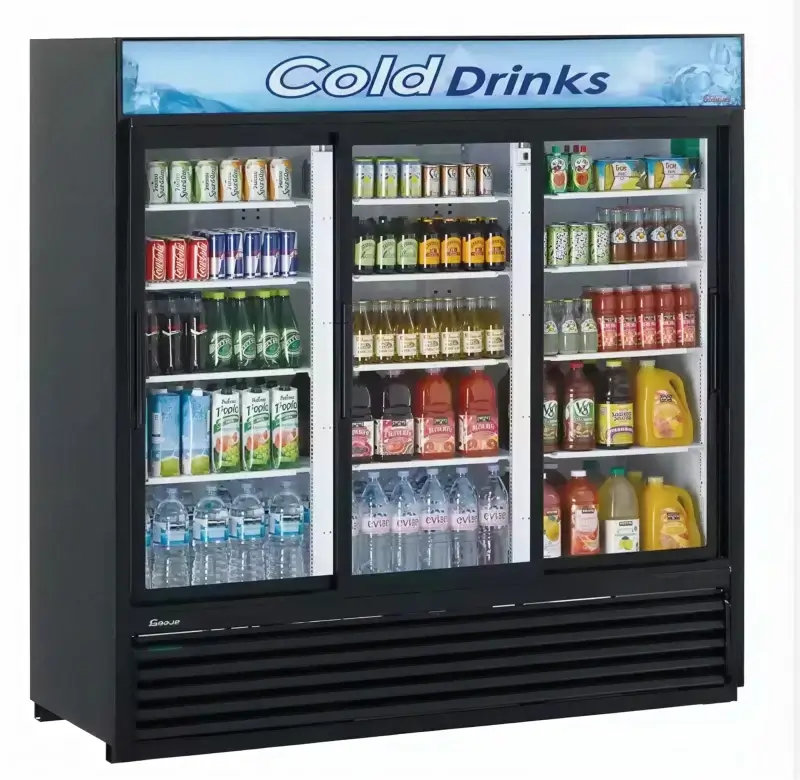
What to Check Before Buying a 3 Door Commercial Refrigerator
Price is just one factor. A refrigerator may prove frustrating in daily use if its capacity, compressor performance, shelving, or cleaning design does not match the workload.
1. Capacity and Internal Layout
Storage needs depend on more than product volume; delivery frequency matters too. A restaurant supplied with fresh stock each day might get by with less space than a hotel kitchen preparing for banquets. Adjustable shelving helps accommodate tall beverage bottles, food pans, and bulk containers, making the interior easier to arrange.
A practical interior layout should provide:
- Clear separation between raw and cooked products
- Quick access to ingredients used frequently
- Enough airflow around stored items
- Shelving that can be rearranged when seasonal menus change
For shelves carrying heavy items, buyers should check their strength, the quality of the coating, and whether they can be adjusted.
2. Temperature Stability
Temperature stability matters more than the lowest temperature advertised. In a working kitchen, staff open the doors frequently, so the refrigerator must recover quickly and continue keeping food-storage conditions safe.
Experienced operators usually look first for strong airflow, reliable digital controls, and an efficient compressor. Together, these features help keep products fresh over long periods of service. Even in a hot kitchen, a well-made 3-door commercial refrigerator should maintain steady cooling.
3. Energy Efficiency
Energy use affects what a unit ultimately costs to own. A cheaper model may draw more electricity, which can push operating expenses higher over several years. Buyers should consider the compressor’s performance, insulation thickness, door-gasket quality, and lighting type.
LED lighting, self-closing doors, and properly fitted seals can reduce wasted energy. For models with glass doors, low-emissivity glass and an anti-condensation design help maintain efficiency while keeping products visible.
4. Cleaning and Maintenance
In commercial kitchens, equipment must be easy to clean and quick to return to service. Smooth interior surfaces, removable shelves, gaskets that are easy to reach, and accessible condenser areas make routine maintenance simpler. Straightforward cleaning features often reduce downtime and can extend the equipment’s service life.
A practical maintenance routine includes:
- Wiping the door gaskets each week
- Cleaning spills as soon as they occur
- Checking the temperature readings every day
- Keeping enough space inside the cabinet for airflow
- Cleaning the condenser coils based on usage conditions
For hotels and restaurants, a refrigerator that is easy to maintain helps preserve food quality and protect the investment in the equipment.
Best Uses in Restaurants and Hotels
A 3-door refrigerator can serve different purposes depending on the operation. In a full-service restaurant, chefs may use it near the preparation line for vegetables, sauces, proteins, and garnishes. At a hotel, the same unit could support a breakfast buffet, banquet preparation, or room service.
Common uses include:
- Restaurant prep kitchens
- Hotel banquet kitchens
- Cafés and bakery shops
- Beverage service areas
- Convenience stations inside hotels
- Catering production rooms
For customer-facing spaces, buyers might consider 3 Door Display Refrigerator options, since they make drinks and packaged foods easier to browse. In the back of the house, a solid-door reach-in unit may offer better insulation and keep the kitchen looking cleaner.
How to Choose the Right Supplier
Choosing the right equipment supplier can reduce risk. A capable supplier needs to understand how commercial kitchens function, not just product specifications. Buyers should look for accurate product information, consistent manufacturing quality, responsive communication, and after-sales support when it is available.
A reliable supplier should provide:
- Precise product dimensions and capacity specifications
- Clear details about temperature ranges
- Practical advice tailored to different business situations
- Spare parts and maintenance support
- Consistent quality checks before products are shipped
Buyers putting together or upgrading a complete cold storage system may want to start with the Commercial Refrigerator range. Reviewing the models side by side can help them avoid purchasing incompatible equipment.
Final Recommendation
For restaurants and hotels, the best three-door commercial refrigerator should offer generous storage, reliable temperature control, efficient energy consumption, and easy maintenance. In a busy kitchen, a solid-door model generally makes more sense. Glass-door units are better suited to displaying beverages and desserts or serving grab-and-go customers.
For B2B buyers, the best unit is the one that fits their daily workflow. Hotels managing banquet demand generally need plenty of storage and fast access. In a restaurant where kitchen space is tight, an organized reach-in unit may make more sense; cafés and retail counters, by contrast, often benefit from clear visibility and a design suited to presentation.
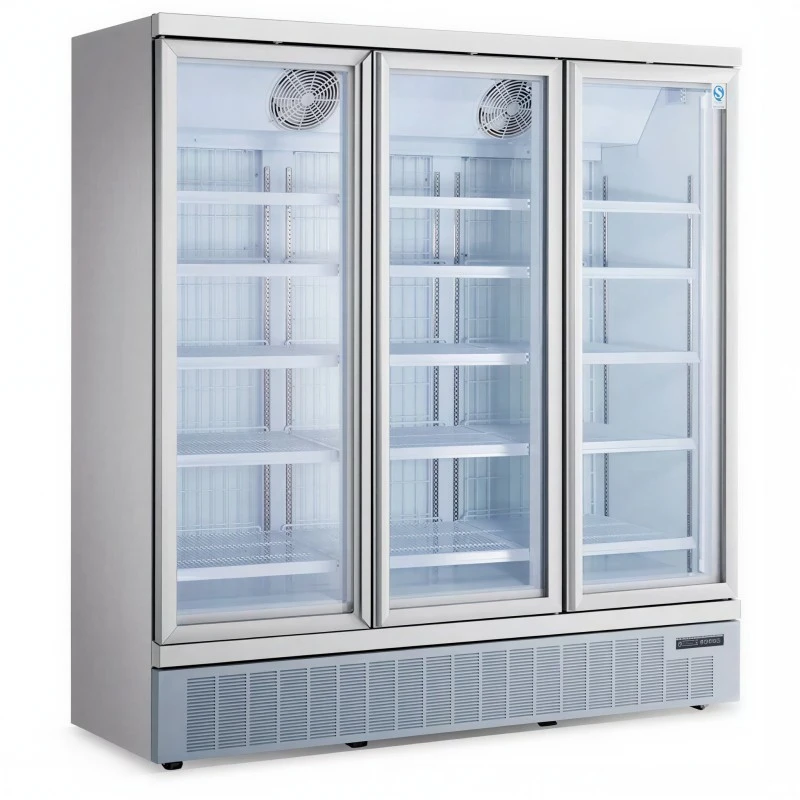
When a refrigerator matches the way staff really work, its job goes beyond keeping food cold. Service becomes quicker, food safety receives better protection, and the business gains greater control over operating costs.
FAQ
How much capacity does a restaurant need in a 3-door refrigerator?
That depends mainly on the menu, delivery frequency, and how much food the kitchen needs during its busiest service periods. Adjustable shelving can help when ingredient needs vary.
Is a glass-door 3-door refrigerator suitable for hotel use?
Yes. Hotels often use glass-door models for beverages, desserts, breakfast foods, and lobby retail areas because guests can view the products more easily.
How often does a commercial refrigerator need maintenance?
Operators should check its temperature daily and clean the gaskets once a week. Condenser coils need regular cleaning as well, with the frequency depending on the kitchen’s levels of dust, grease, and use.