
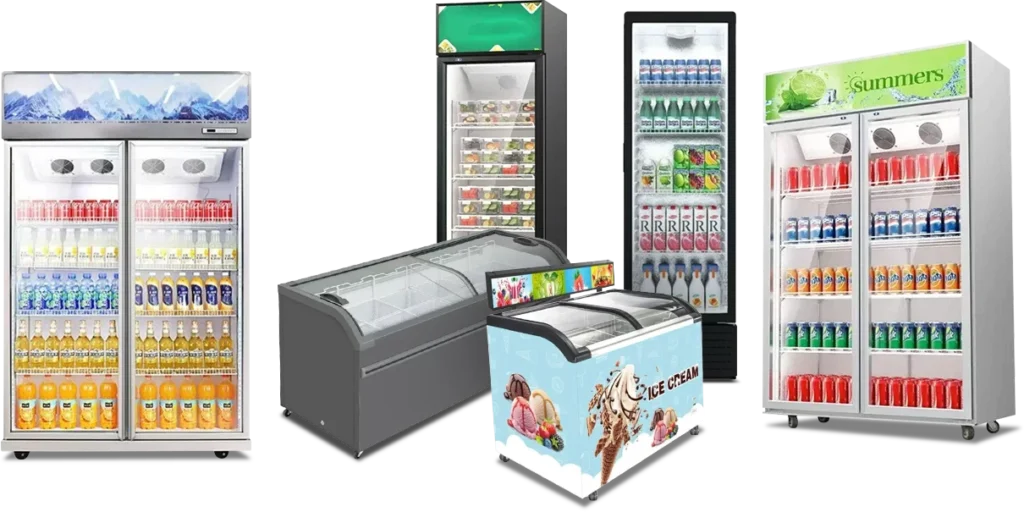
Project schedules rarely leave room for slow suppliers. When buyers need cold-storage equipment for a new restaurant, a retail rollout, or an urgent replacement, the difference between a four-week and a fourteen-week lead time may decide whether the doors open as planned. For procurement teams, finding commercial refrigeration manufacturers that can deliver quickly without sacrificing quality is now one of the most practical skills to develop.
Why Lead Time Matters More Than Ever
Global supply chains have grown harder to predict in recent years, and cold-chain equipment has felt the effects firsthand. Compressor deliveries are delayed, ports remain crowded, and raw materials have become scarce. Buyers have learned the hard way that the cheapest quote may also mean the longest wait.
When experienced procurement managers assess suppliers, they usually weigh product quality, warranty coverage, total landed cost—including freight—and confirmed production and shipping lead times in much the same way.
A manufacturer unable to commit to a firm delivery date is often ruled out before anyone even discusses price.
What Separates Fast Manufacturers from Slow Ones
Fast delivery is not accidental. Suppliers that consistently ship on time tend to follow operational practices their slower competitors overlook.
In-House Component Production
Manufacturers that make their own cabinets, evaporators, and control panels face fewer bottlenecks than companies focused only on assembly. With most of the value chain handled in one factory, a delayed shipment from an outside supplier rarely stops production of a Commercial Refrigerator order altogether.
Standardized Modular Platforms
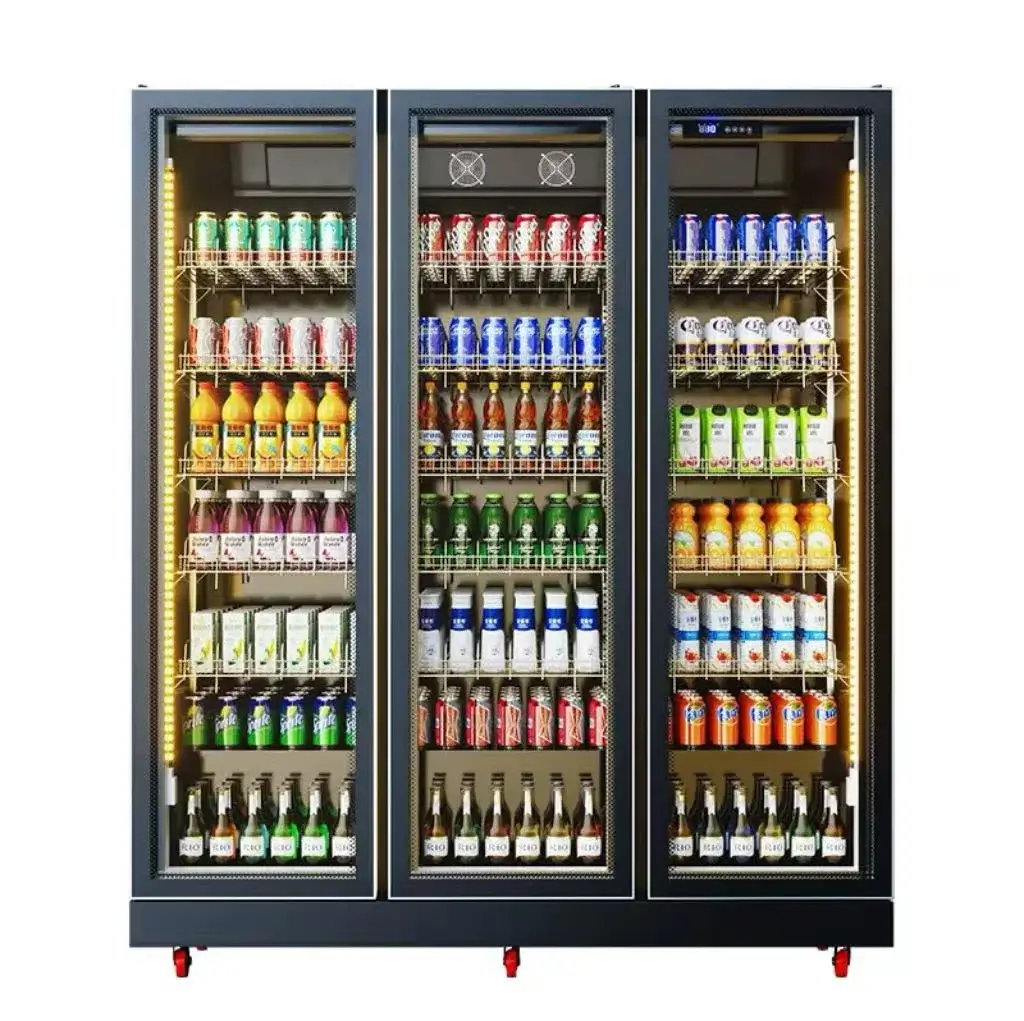
Factories based on shared modular frameworks can change production quickly. A Commercial Reach In Refrigerator run can shift to a Commercial Upright Freezer batch in hours rather than days, since the underlying chassis and refrigeration circuits remain unchanged.
Stocked Ready-to-Ship Inventory
Leading commercial refrigeration manufacturers now maintain buffer stock for their most popular SKUs. Buyers ordering standard configurations can often receive shipment confirmation within a week, rather than waiting through a full production cycle.
Comparing Typical Lead Times by Manufacturer Type
The table below summarizes general market observations for buyers sourcing commercial cold-storage equipment.
| Manufacturer Type | Typical Lead Time | Customization Level | Ideal For |
| Stock-Only Suppliers | 1–2 weeks | Low | Standard replacement orders |
| Vertically Integrated Factories | 3–5 weeks | Medium-High | Multi-unit projects |
| OEM Assembly Plants | 8–12 weeks | High | Custom brand programs |
| Trading Companies | 10–16 weeks | Variable | Small one-off buys |
The pattern is clear: buyers who prioritize speed benefit most from dealing directly with vertically integrated factories. These suppliers keep inventory available and retain flexible production lines.
How Buyers Can Shorten Lead Times Further
Even the quickest supplier cannot compensate for weak purchasing practices on the buyer’s side. A handful of disciplined habits can reliably shorten delivery times.
- Combine orders into fewer, larger purchase batches rather than placing small orders at irregular intervals. It is one of the simplest changes to make.
- Standardize specifications across locations, which lets suppliers produce in more efficient runs.
- Confirm freight arrangements early. Ocean bookings often take longer than production itself.
- Provide manufacturers with accurate forecasts so they can pre-position raw materials.
- Review and approve drawings and samples without delay so production does not stall.
Buyers who consistently follow these practices often shorten delivery windows by 20% to 30%, without paying premium rush fees.
Quality Considerations That Should Never Be Compromised
Speed matters only when the unit is built reliably. A poorly made unit delivered quickly solves nothing; it simply moves the problem to installation and warranty claims.
Compressor Sourcing
Trusted commercial refrigeration manufacturers generally rely on established compressor brands, including Embraco, Danfoss, and Secop. Generic units may cost less, but in high-ambient conditions their performance is often disappointing.
Insulation Density
For the thermal performance most commercial operators expect, polyurethane foam should have a density of 40 to 45 kg/m³. Once the density falls below that range, electricity bills often rise within months.
Refrigerant Compliance
Modern hydrocarbon refrigerants, such as R290 and R600a, comply with global environmental regulations. Manufacturers that keep shipping legacy refrigerants may leave buyers with compliance issues down the line.
Red Flags When Evaluating Fast Suppliers
A supplier might promise delivery within two weeks without having the capacity to follow through. Identifying warning signs early can help avoid serious problems later:
- Production timelines stay vague, with no written commitment
- Factory audit reports and video tours can be difficult to obtain
- Required certifications, such as CE, ETL, or CB, are missing
- No after-sales team is dedicated to serving international markets
- Prices are dramatically below the market average
Even a single one of these signs calls for closer due diligence before placing a significant order.
Building Long-Term Supplier Relationships
Short lead times are more likely to last when buyers develop ongoing partnerships with suppliers rather than handling every order as a separate transaction. Suppliers treated as strategic collaborators often respond with priority scheduling, better pricing, and early access to new product developments.
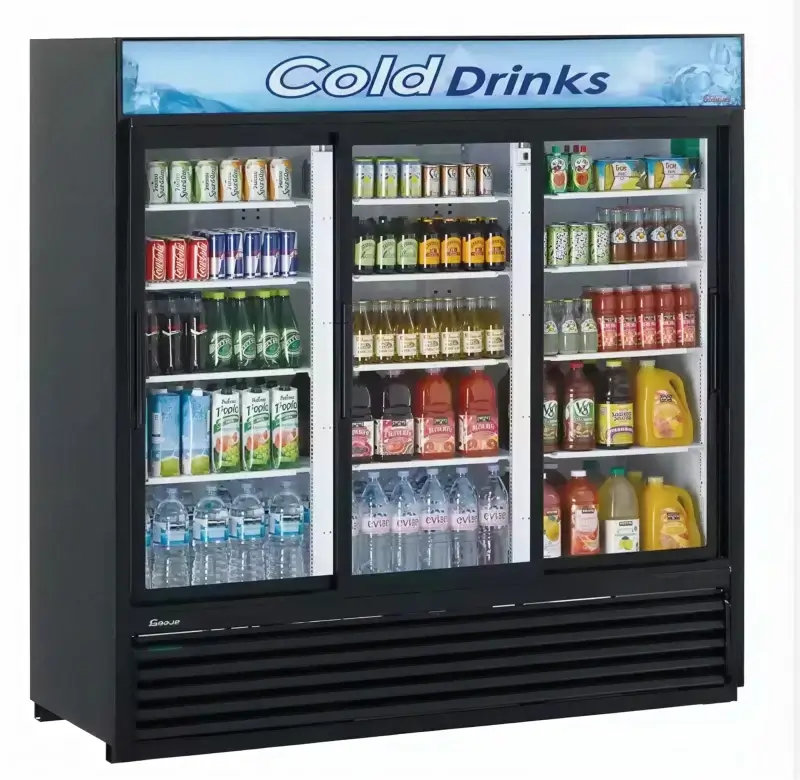
Leading commercial refrigeration manufacturers often reserve production capacity for repeat customers. This can make a real difference during peak season or when sudden shortages affect the market. A distributor that routinely orders from a Commercial Reach In Refrigerator line, for example, will usually wait less time than a first-time buyer requesting the same SKU.
Final Thoughts
Fast lead times point to operational discipline, not just marketing claims. Buyers generally get better results by evaluating suppliers across production capacity, inventory planning, and quality standards rather than chasing the lowest quote alone. As the cost of downtime climbs hourly, choosing responsive commercial refrigeration manufacturers has moved beyond preference; it is now a competitive necessity.
Frequently Asked Questions
Q1: What lead time is realistic for a bulk Commercial Refrigerator order?
For standard specifications, vertically integrated commercial refrigeration manufacturers generally deliver bulk orders within three to five weeks, as long as the buyer approves the drawings promptly.
Q2: How can buyers verify a manufacturer’s real production capacity?
Recent factory audit reports, video tours, and references from current clients can help buyers assess a manufacturer’s capacity. Third-party inspection services offer another way to verify those claims quickly.
Q3: Does a shorter lead time usually mean a higher unit cost?
Not always. Manufacturers with efficient in-house production can often deliver faster and at lower cost than assembly-only competitors, which rely on outsourced components and longer supply chains.