
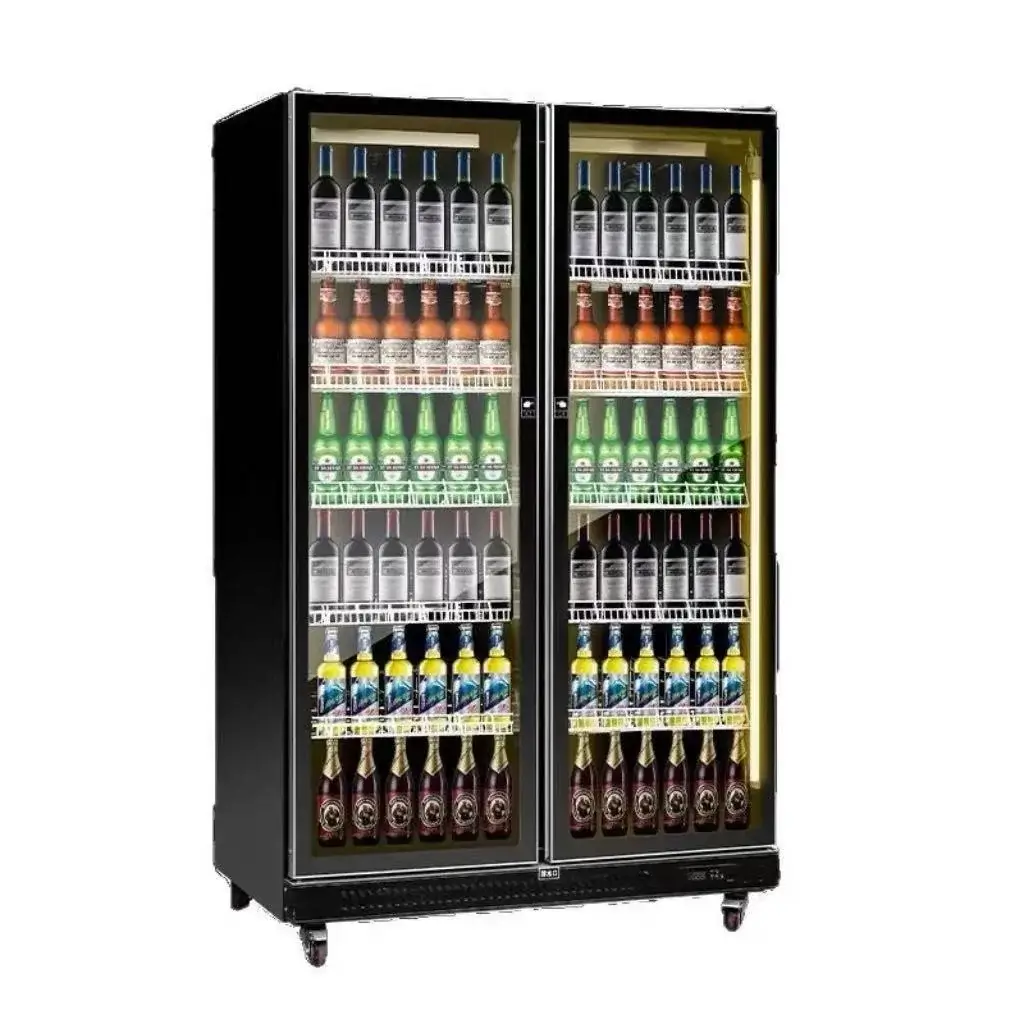
Wine deserves respect, and the equipment that stores it warrants just as much attention. In restaurants, wine bars, retail shops, and hospitality venues, a commercial wine refrigerator does much more than keep bottles cold. It protects the value of the inventory, supports the way products are presented, and shapes how customers perceive the business. Choose poorly, and the result may be spoiled bottles, lost sales, or floor space put to waste. Choose well, and the refrigerator quietly contributes to profitability.
Understanding Core Differences Between Wine Storage Options
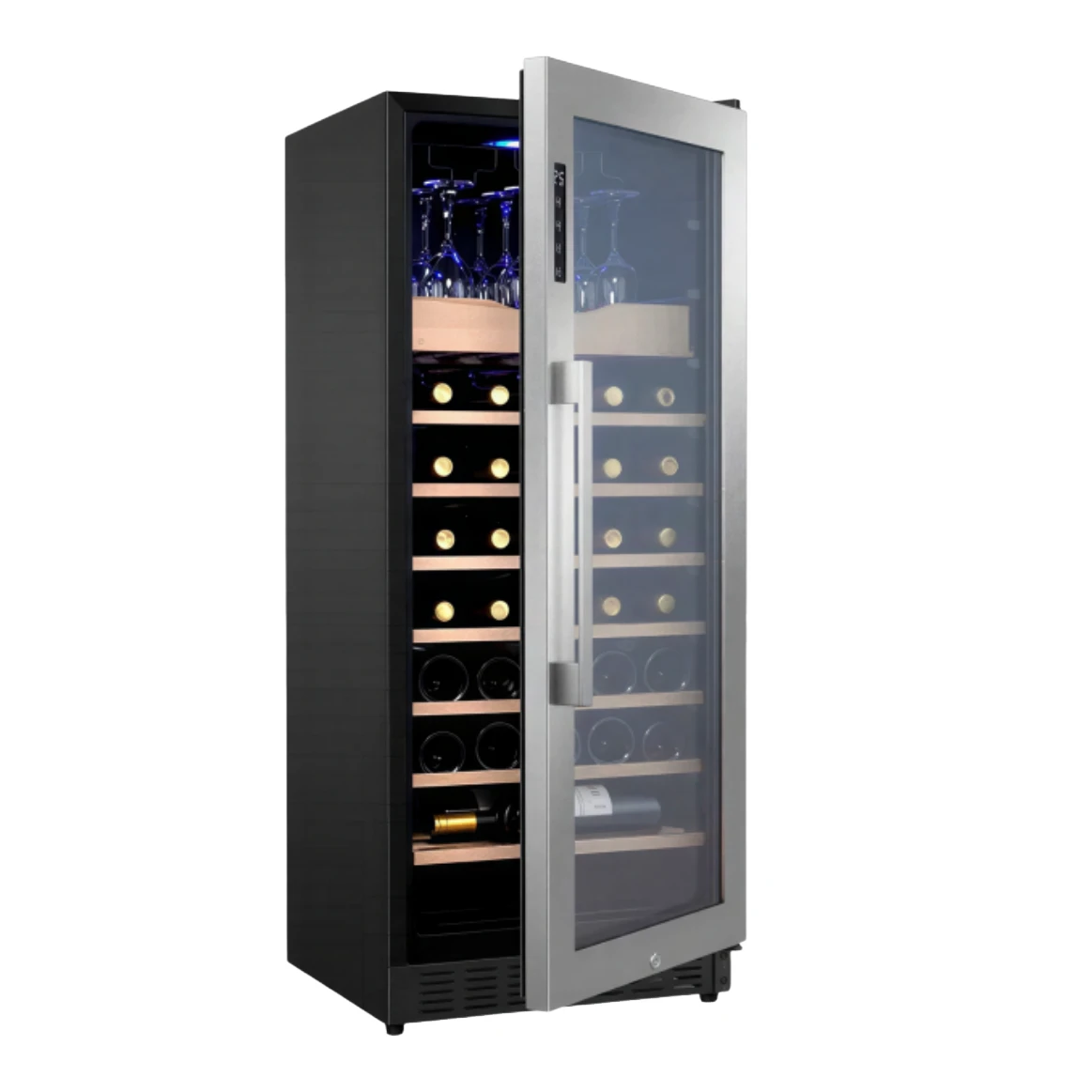
Not every refrigerated unit is appropriate for wine. A dedicated commercial wine refrigerator differs from a general-purpose Wine Cooler in three key design areas: vibration control, humidity management, and precise temperature stability. Standard refrigerators engage their compressors aggressively, producing vibrations that disturb sediment and speed up aging. Wine-specific models use dampened compressors and isolated shelves to keep movement to a minimum.
Humidity matters just as much. Bottles sealed with cork need relative humidity between 50% and 70% to avoid drying and oxidation. Generic coolers often fall below 40%; purpose-built wine refrigerators, by contrast, maintain the proper balance with controlled air circulation. For businesses carrying premium inventory, overlooking that difference is too costly.
Matching Capacity and Layout to Business Model
Equipment selection depends on projected volume, yet layout can influence sales just as much as the number of bottles on hand. The infrastructure for a restaurant offering a curated 80-bottle list will differ from what a wine shop needs when it moves 500 units weekly.
Front-of-House Display Units
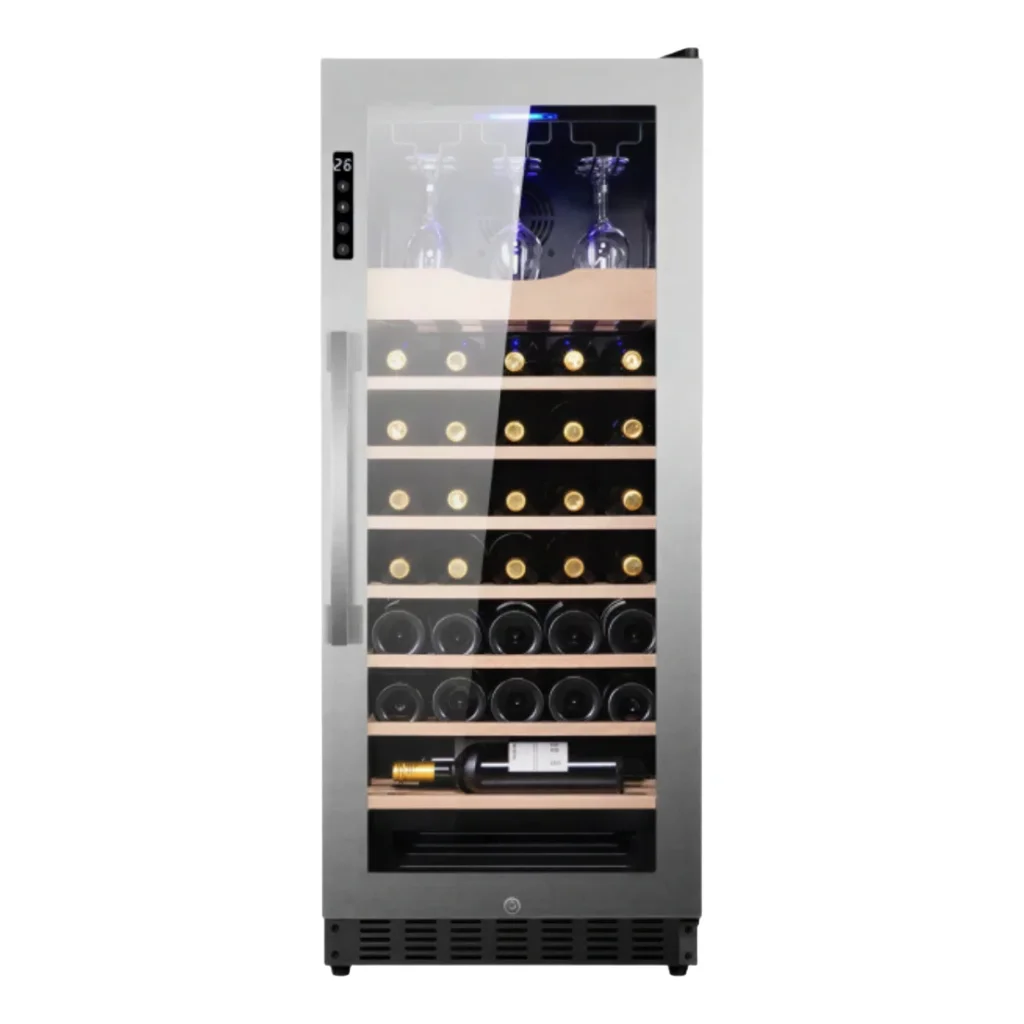
A Commercial Glass Door Refrigerator set up for wine merchandising serves two purposes at once: it keeps bottles in suitable conditions and puts them on display. When customers browse a backlit selection, they often choose higher-margin bottles they would not have asked for if those bottles had been stored in a concealed cellar. Most of these units hold 50 to 150 bottles, and their LED lighting highlights the labels without causing UV damage.
Back-of-House Bulk Storage
High-volume operations are better served by larger-capacity units placed in prep areas or storage rooms. Rather than emphasizing display, these models make efficient use of space, often holding 200+ bottles on vertical or sliding shelves. In this setting, quick staff access and inventory rotation matter more than how the unit looks to customers.
Dual-Purpose Beverage Solutions
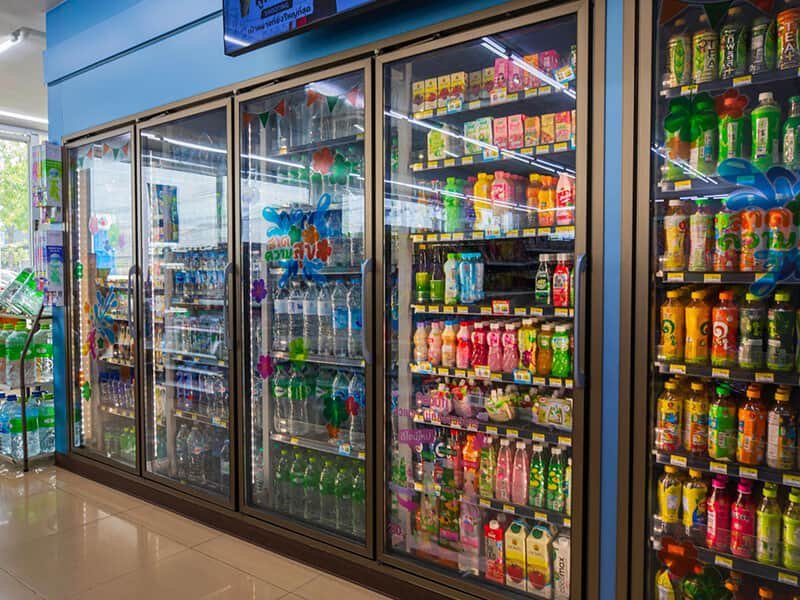
Some businesses fold wine storage into a wider cold-merchandising setup. With adjustable shelving and dual-zone capability, a Beverage Refrigerator can accommodate wine alongside premium craft beverages, making better use of limited space without sacrificing flexibility. Cafés, bistros, and event venues with varied drink programs may find this arrangement especially suitable.
Temperature Zones: Single vs Dual Configuration
Different wine varieties call for different serving temperatures, a consideration that serious wine programs take into account.
| Zone Type | Typical Range | Best Use Case | Bottle Capacity Trade-off |
| Single Zone | 45–65°F | Red-only or white-only programs | Maximum capacity |
| Dual Zone | Upper: 55–65°F / Lower: 45–55°F | Mixed inventory | Reduced capacity ~15% |
| Triple Zone | Varies by model | Fine dining, specialty retail | Reduced capacity ~25% |
For restaurants that mainly serve red wine, or retailers focused on a single category, single-zone units work perfectly. Dual-zone models provide more flexibility, though the divider and separate cooling circuits reduce the bottle count. The practical choice is to match the number of zones to the menu’s actual variety, not to flexibility that may never be needed.
Evaluating Build Quality and Long-Term Durability
The purchase price is only one part of the picture. What matters over time is whether the equipment can last a decade or needs replacing after three years. Several details are especially telling:
- Compressor brand and type: Embraco and Danfoss compressors have a proven record of reliability in commercial environments
- Shelf construction: Solid wood or coated steel racks hold up better than flimsy wire alternatives
- Insulation thickness: At least 40mm of polyurethane foam helps keep temperatures stable and lowers energy use
- Door seal integrity: Double-paned glass, fitted with proper gaskets, helps prevent condensation and heat loss
- Digital controls: Thermostats accurate to 1°F protect valuable inventory much more effectively than analog dials
Before committing to a purchase, operators should ask for documentation confirming these specifications.
Display and Merchandising Considerations
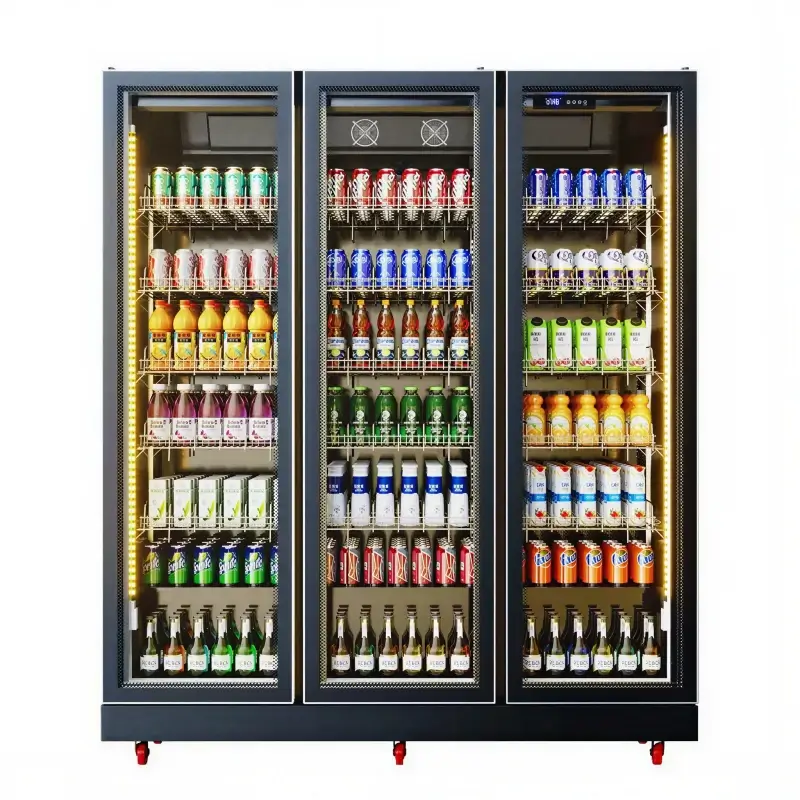
In customer-facing installations, a commercial wine refrigerator serves not only as storage but also as part of the sales presentation. Its merchandising impact depends on several design choices.
Lighting Placement
Vertical LED strips positioned along the door frames light each shelf evenly while limiting glare. When lighting is placed only at the top, bottles on the lower shelves fall into shadow, making them look less appealing and lowering their perceived value.
Label Visibility
Angled shelving holds bottles at a slight tilt, so customers can read the labels from across the room. With flat horizontal storage, they have to crouch and squint—a small but real obstacle to impulse purchases.
Interior Finish
Black or dark gray interiors provide contrast, helping wine labels stand out. Stainless steel reflects light, yet it can wash out colors and leave the display feeling cold.
Energy Efficiency and Operating Costs
Commercial wine refrigerator units operate continuously, so their efficiency ratings can have a substantial financial effect over five years. Models certified by ENERGY STAR use 20% to 35% less electricity than standard units. For a mid-sized refrigerator, that reduction amounts to annual savings of $150 to $400, depending on local utility rates.
Newer models that use hydrocarbon refrigerants like R600a provide better cooling while reducing environmental impact. In areas with tiered electricity rates, operators should give these specifications priority because the payback period is often less than two years.
Common Mistakes That Undermine Wine Programs
Even experienced buyers can miss practical details that reduce equipment effectiveness:
- Placing wine coolers near heat sources, including ovens and dishwashers, or in direct sunlight
- Allowing too little clearance for the door to swing open or for ventilation
- Basing capacity on current inventory instead of anticipated growth
- Overlooking noise in customer-facing areas, where a loud compressor can disturb the ambiance
- Leaving out humidity monitoring for long-term storage
These mistakes can gradually undermine the value that justified the investment in the first place.
Integrating Wine Storage Into Broader Beverage Strategy
Smart operators treat wine refrigeration as part of a unified cold-chain program. When a bar already uses a Commercial Glass Door Refrigerator for beer and soft drinks, adding a matching commercial wine refrigerator unit keeps the setup visually consistent. Retail shops that sell wine alongside gourmet foods can also arrange complementary products together, making them visible at the same time.
The best approach is to plan where the equipment will go during the initial layout, not retrofit the space later. Electrical capacity, access to drainage, and customer movement all affect the most suitable placement.
Final Thoughts
Selecting a commercial wine refrigerator requires attention to details that standard cold storage does not address. Precise temperature control, vibration reduction, display options, and energy efficiency work together to safeguard product quality and profitability. Businesses tend to get better results when they choose specifications that fit their actual wine program instead of pursuing long feature lists or the lowest price. For venues that take wine seriously, the refrigerator represents an investment in reputation as well as inventory.
Frequently Asked Questions
Q1: What capacity commercial wine refrigerator suits a restaurant with 100-bottle inventory?
For a 100-bottle inventory, a commercial unit holding 120 to 150 bottles should provide enough working capacity. It leaves room for inventory rotation and new arrivals without overcrowding the shelves.
Q2: Do Wine Cooler units need separate electrical circuits?
Most wine cooler units with capacities below 500 bottles run on standard 120V circuits. Larger commercial models may need dedicated 208V or 240V lines for optimal compressor performance.
Q3: How often should commercial wine refrigerator units be serviced?
Arrange a professional inspection every six months. The service should include cleaning the condenser, checking the door seals, and calibrating the temperature to maintain consistent performance and avoid expensive failures.