
Why Durability Matters in a Busy Kitchen
Quiet moments are rare in foodservice. Between rush periods, deep cleaning, and doors opening nonstop, refrigeration equipment faces steady strain—often more than owners anticipate. Built with stainless steel, a commercial worktop refrigerator is made to handle that level of use. It is easy to see why experienced chefs and procurement managers continue to choose this format year after year.
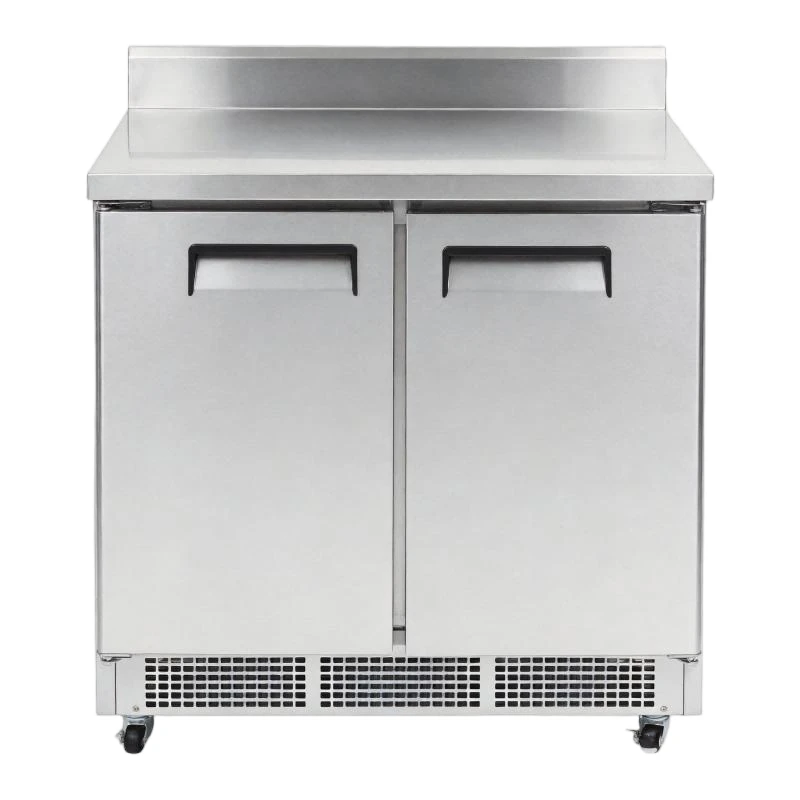
Observations from busy kitchens point to the same pattern: units that fail early are usually built from inferior materials, poorly insulated, or equipped with low-quality compressors. Stainless steel addresses the first two problems, while a correctly matched compressor addresses the third.
Core Benefits of Stainless Steel Construction
Why Stainless Steel Stands Out
Stainless steel offers more than a clean, attractive appearance; it helps equipment perform reliably day after day.
● Corrosion resistance – The material withstands spills, acidic ingredients, and routine sanitization without pitting.
● Hygiene compliance – Its non-porous surfaces meet NSF and HACCP standards without requiring special treatment.
● Structural strength – The top surface can handle heavy preparation work directly.
Long service life is typical; with proper maintenance, these units commonly last 8 to 12 years in commercial environments.
The initial price can be a little higher than painted-steel alternatives, but stainless steel refrigeration often means fewer replacements over time—and a lower total cost of ownership for the kitchen.
Where the Worktop Format Fits Best
The worktop design is especially useful when preparation space is limited. Sandwich shops, sushi bars, pizzerias, and bakeries often choose it because cold storage and food preparation fit into a single footprint. Unlike a standard Commercial Counter Refrigerator, this model has a heavy-duty flat surface that can support a cutting board directly and withstand moderate impact.
Comparing Worktop Refrigerators with Related Formats
Before choosing a model, buyers often compare worktop refrigerators with other under-counter and counter-height options. The table below outlines the main practical differences.
| Feature | Worktop Refrigerator | Undercounter Refrigerator | Reach-In Refrigerator |
| Top surface use | Stainless-steel surface suitable for prep | Not designed for food preparation | Not applicable |
| Height | 33–36 in | 32–34 in | 72–84 in |
| Storage capacity | Medium | Small–Medium | Large |
| Best use case | Sandwich and pizza preparation | Bar or back-of-house use | Bulk cold storage |
| Footprint efficiency | High | High | Low |
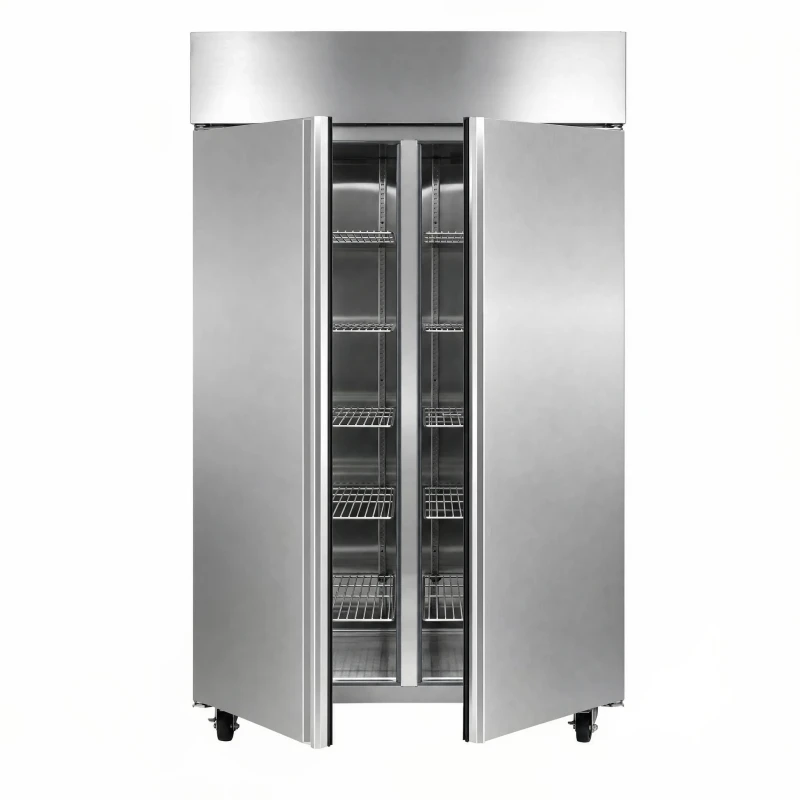
For operators who need bulk cold storage instead of prep integration, a Commercial Reach-In Refrigerator is still the better choice. In a cramped bar, a Commercial Undercounter Refrigerator offers the same compact footprint without the prep-style top.
What to Look For When Specifying a Unit
Key Specifications to Compare
Choosing a commercial worktop refrigerator requires more than matching dimensions. Dozens of installations have shown that a small group of specifications often separates dependable performance from disappointing results.
● Stainless-steel gauge – An 18-gauge top surface, or steel that is heavier, helps prevent flexing under load.
● Compressor placement – Side-mounted compressors are easier to service, while rear-mounted models leave more room inside.
● Insulation thickness – Use at least 2 inches of high-density polyurethane foam to help maintain stable temperatures.
● Door gaskets – Magnetic gaskets that can be replaced generally last longer and make maintenance simpler.
● Temperature range – Digital controls that maintain a consistent 33°F–40°F range can help prevent food safety issues.
Energy Efficiency Considerations
Energy costs can gradually eat away at kitchen margins. In busy operations, ENERGY STAR–rated worktop units generally use 20–30% less electricity than older models, and those savings can become substantial over the course of a year. LED interior lighting helps, as do ECM evaporator fans and self-closing doors.
Maintenance Habits That Protect the Investment
Even a durable stainless steel commercial worktop refrigerator requires regular care. A short, consistent routine helps keep its performance reliable.
● Wipe down the exterior each day with a non-abrasive cleaner.
● Clean the condenser coils every 60–90 days to reduce strain on the compressor.
● Check the door gaskets monthly for tears or accumulated debris.
● Review the temperature logs once a week so any drift can be caught early.
Following this schedule can help operators keep the equipment running well beyond the warranty period. It also addresses the most common cause of failure: dust-clogged condensers, which cause premature compressor wear.
Matching the Right Unit to the Right Operation
A steakhouse line cook and a coffee shop barista depend on refrigeration differently. In a busy kitchen with extensive prep, a wider worktop unit with drawers may make more sense. A beverage-focused operation, by contrast, might need only a basic Commercial Undercounter Refrigerator for dairy and syrups. Starting with the workflow can help avoid an expensive mismatch later.
A stainless steel commercial worktop refrigerator combines reliable cold storage with a hard-wearing surface for food preparation. Viewed as a long-term investment instead of a temporary solution, it can help maintain food quality and ease pressure on the bottom line.
FAQ
How long does a commercial worktop refrigerator typically last?
A quality stainless steel unit generally lasts 8–12 years with daily commercial use, provided its coils are cleaned regularly and the gaskets are kept in good condition.
Can a worktop refrigerator replace a full prep table?
Yes, in small-to-medium operations. It provides cold storage and a durable prep surface in one unit, which saves floor space and cuts equipment costs.
What temperature should a worktop refrigerator maintain?
A worktop refrigerator should stay between 33°F and 40°F. With a digital thermostat and proper insulation, it can remain in that range, even during the busiest service hours.