
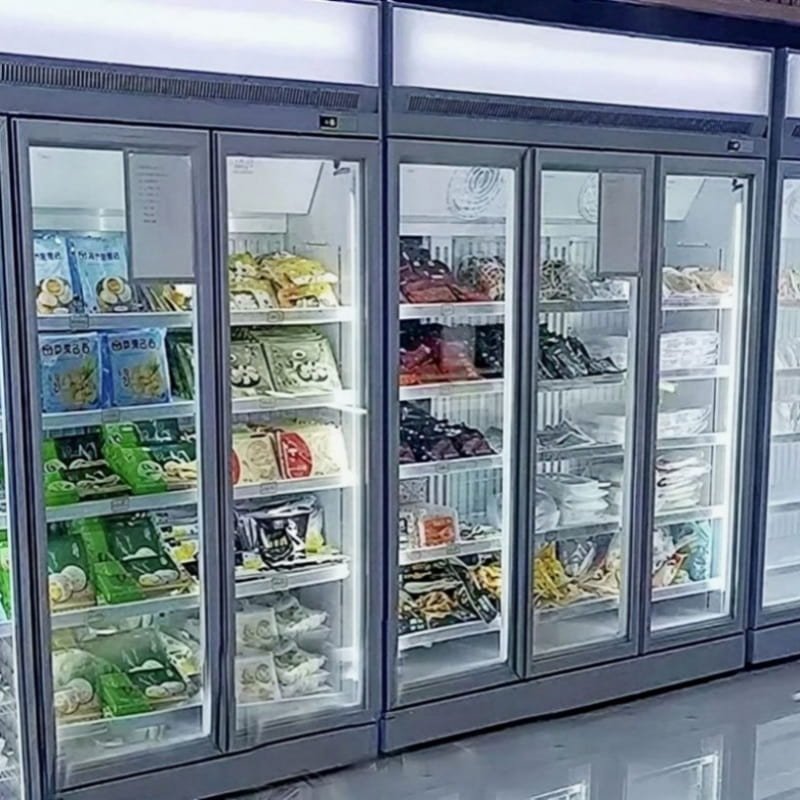
The Real Reasons Cooling Fails Faster Than Expected
A glass-door commercial refrigerator that loses temperature rapidly is rarely dealing with one dramatic failure. Usually, in a kitchen or retail setting, several small issues go unnoticed until their combined impact becomes substantial. Service calls repeatedly point to four common causes: worn gaskets, clogged condenser coils, improper loading, and ambient conditions outside the unit’s intended design.
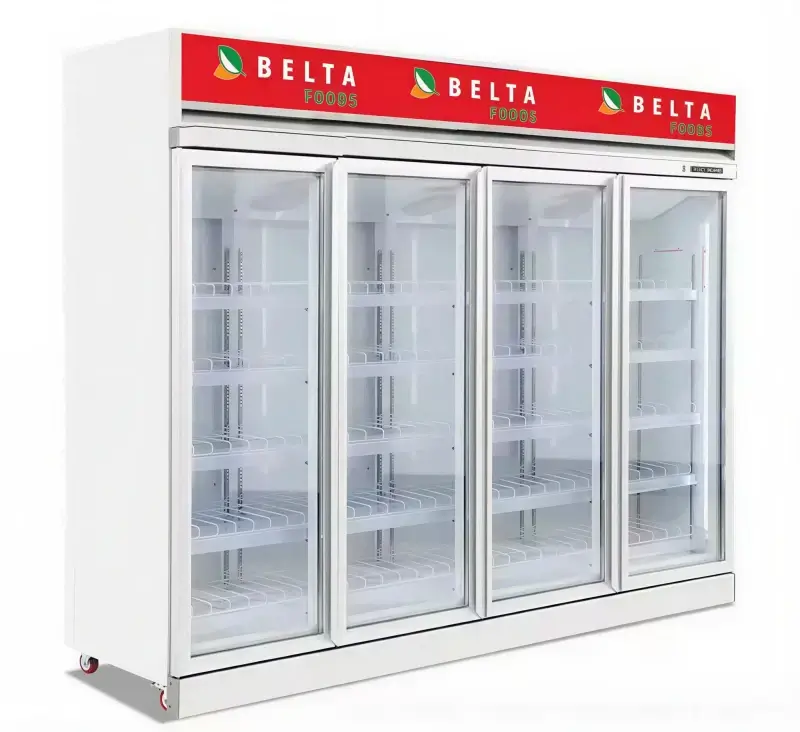
Spotting these problems early can save operators from spoiled inventory, expensive emergency repairs, and health-code headaches. Usually, the warning signs show up well before the compressor gives out.
The Four Primary Causes of Cooling Loss
Cooling problems tend to follow a predictable sequence. Address them in that order, and you can often restore performance without calling a professional.
The Four Most Common Cooling Failures
Door gasket failure – The most common cause of temperature drift.
Condenser coil buildup – Dust and grease collect on the coils, forcing the compressor to work harder.
Improper loading – Blocked vents prevent cold air from circulating properly.
Ambient heat exposure – In kitchens above 90°F, units may be pushed beyond their design limits.
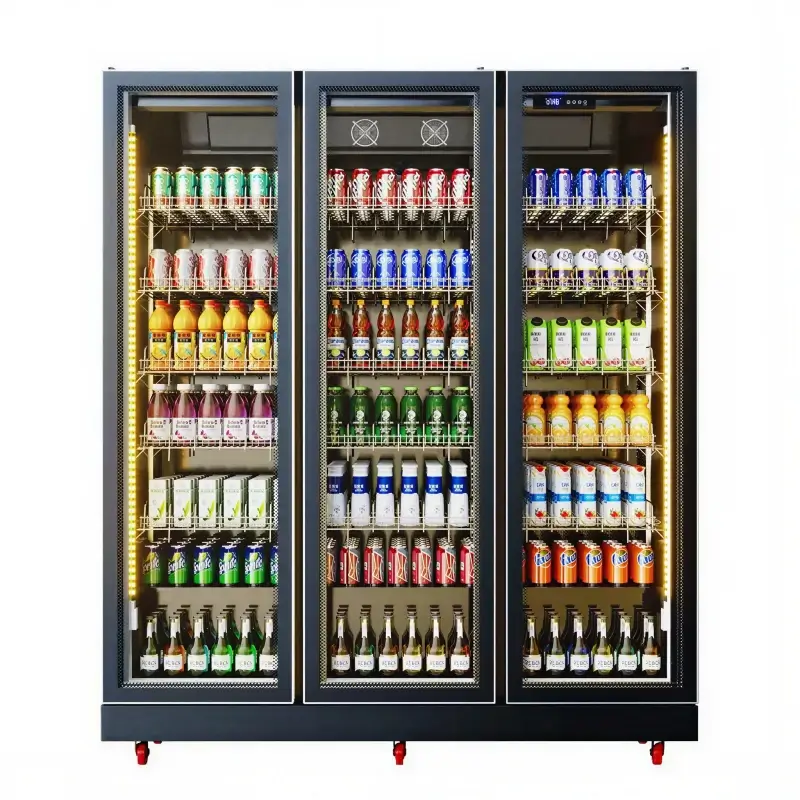
In busy beverage-service areas, operators using a Commercial Glass Door Refrigerator face all four risks at once. This helps explain why merchandising units often fail sooner than back-of-house equipment.
Why Glass Doors Amplify These Issues
Glass doors may look sharp on the sales floor, but they carry a thermal cost. Unlike insulated steel, glass allows heat to pass through far more easily, which means flaws in sealing, airflow, or ambient control tend to show up sooner. The glass itself is not defective; that is the trade-off for keeping the merchandise visible.
Diagnosing the Problem: A Quick Reference
This table connects common symptoms with probable causes, giving operators a way to check cooling issues before calling a technician.
| Symptom | Likely Cause | First Action |
| Condensation on glass | Failing door gasket | Inspect and replace gasket |
| Compressor runs constantly | Dirty condenser coils | Clean coils with brush and vacuum |
| Uneven interior temperature | Blocked vents from overloading | Redistribute product |
| Warm areas near the door | Door does not close tightly | Adjust hinges or replace gasket |
| Temperature rises overnight | Ambient heat or thermostat drift | Check kitchen temperature and thermostat settings |
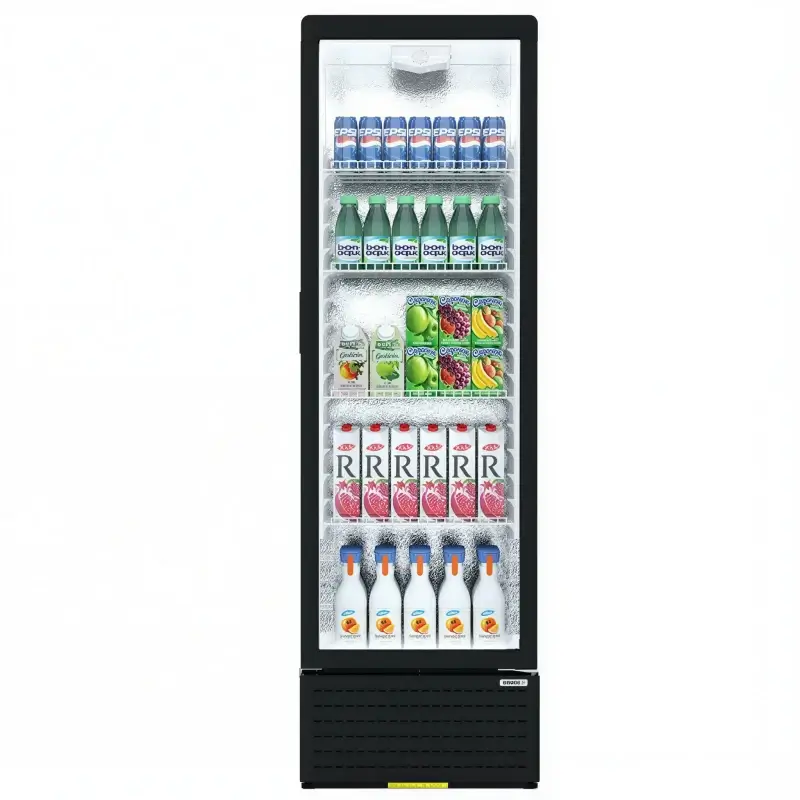
In a convenience store, a Single Door Display Refrigerator may be the first place condensation shows up, since customers can open it dozens of times an hour. Every opening lets humid air inside, and the repeated cycles accelerate wear on the gasket.
Gasket Failure: The Silent Efficiency Killer
Door gaskets rarely stop working without warning. Across 12 to 24 months, the material slowly stiffens, corner cracks appear, and its magnetic pull fades. Once the seal starts to weaken, warm air enters continuously, making the compressor run for longer periods. Energy bills then creep upward, while the interior temperature becomes less consistent.
A dollar bill can reveal the problem within seconds: close the door on it and pull gently. If the bill slides out without much resistance, the gasket needs attention. Monthly gasket checks in kitchens are associated with significantly longer equipment life and fewer related failures.
Condenser Coils: The Most Ignored Component
Condenser coils sit behind grilles, which makes them easy to overlook. Over time, dust, flour, grease, and pet hair collect on the fins, creating a barrier between them and the surrounding air. With less airflow, heat transfer declines, and the compressor has to work harder to achieve the same result.
Recommended Cleaning Schedules by Environment
Cleaning schedules should reflect the environment:
- Light-duty settings (offices, boutiques) – Clean every 90 days.
- Standard foodservice – Clean every 60 days.
- Heavy grease or flour exposure – Clean every 30 days.
Any Commercial Refrigerator in a bakery or fry-heavy kitchen belongs in the 30-day category. Skip this task, and premature compressor replacement may be the next problem.
The Overloading Mistake
Filling the shelves up to the ceiling might seem efficient, yet it limits airflow. Cold air needs unobstructed paths to circulate the product. If vents are blocked, warm pockets develop, and since the thermostat measures the air near its sensor—not the product itself—it may not activate longer cooling cycles. Leaving two inches of space around the vents resolves the issue immediately.
Ambient Conditions and Placement Errors
A glass-door commercial refrigerator placed next to a fryer or oven—or exposed to direct sunlight—must work harder during every hour of operation. Most manufacturers rate these units for ambient temperatures up to 90°F. Above that threshold, cooling capacity drops sharply, and compressor lifespan falls by roughly 20% for every additional 10°F.
Smart placement requires at least 3 inches of open space behind and above the unit. It should be kept at least 4 feet from heat-producing equipment and positioned away from direct sunlight entering through storefront windows. Adequate kitchen ventilation is also needed to keep the ambient temperature stable.
Building a Prevention Routine
The most reliable glass-door commercial refrigerator setups usually share a regular maintenance routine. Operators who work through a monthly checklist rarely face emergency breakdowns, and their equipment often keeps running for several years past the warranty period. When cooling fails, the cause is usually maintenance rather than manufacturing, which gives operators more control.
FAQ
How often should door gaskets be replaced on high-traffic units?
For display units in busy locations, including a Single Door Display Refrigerator in a convenience store, door gaskets typically require replacement every 12–18 months. A monthly inspection can catch wear early, before efficiency noticeably drops.
Can a failing thermostat mimic condenser problems?
Yes. A drifting thermostat may cause symptoms much like those associated with dirty coils. To pinpoint the problem, compare the thermostat’s reading with that of a verified thermometer.
Does frequent door opening significantly affect cooling performance?
Yes. Each opening allows warm, humid air inside. When staff group retrievals and close the doors quickly, the compressor works less and energy consumption drops.