
The Quick Answer: Capacity
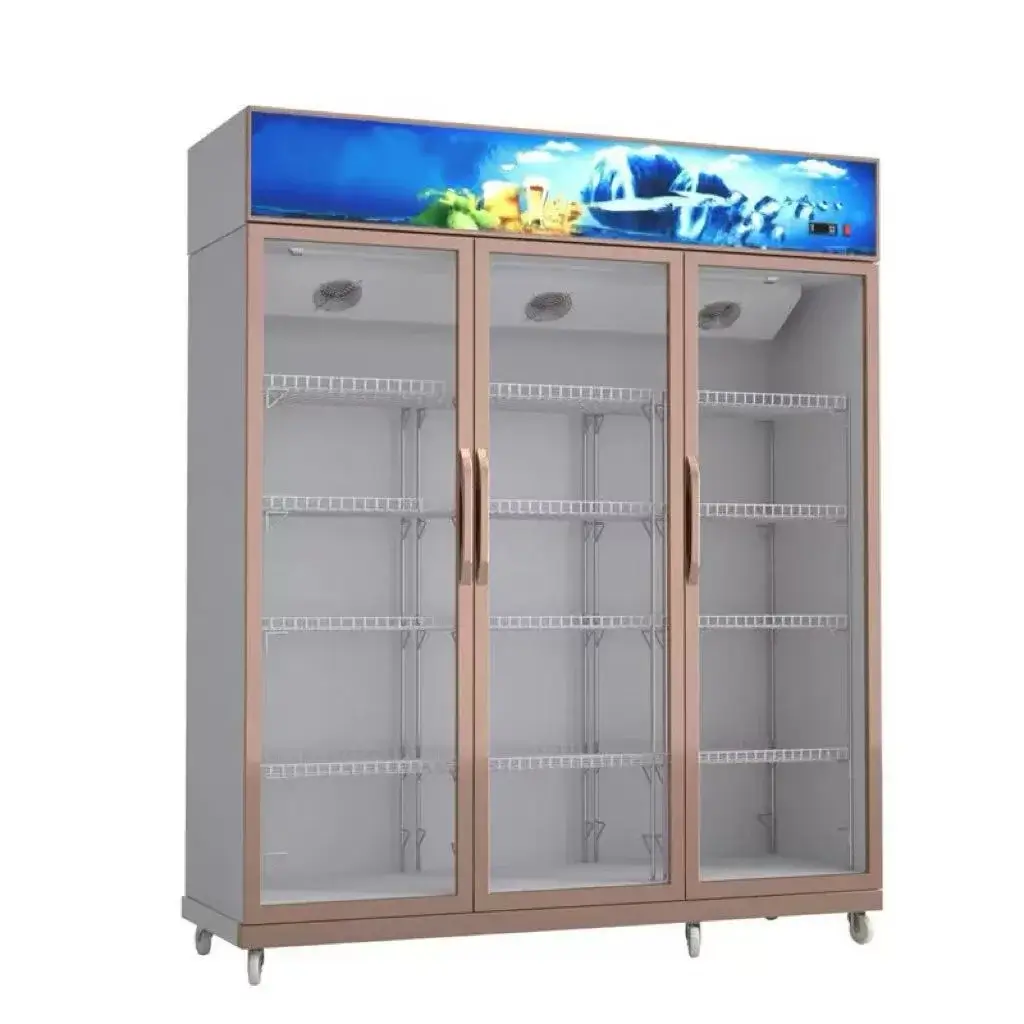
Most standard commercial refrigerators with three doors offer 60 to 85 cubic feet of usable storage—roughly 1,700–2,400 liters. For mid-size and large restaurants serving 200–600 covers a day, that capacity typically meets their daily preparation needs.
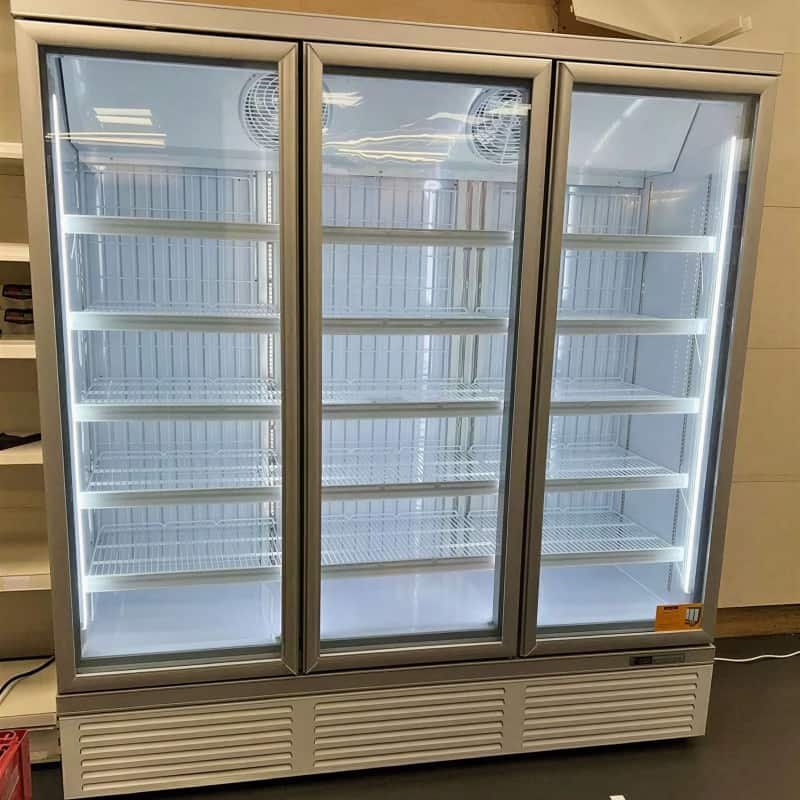
Aligning capacity with real throughput helps operators avoid two costly mistakes: paying for unused space or cramming stock into a cabinet that cannot hold it. The rest of this article examines how decision-makers can find the right balance.
Why Capacity Planning Matters
The Cost of Getting It Wrong
When refrigeration capacity is insufficient, staff may pack shelves too tightly, limit airflow, and open the doors more often. The cabinet then warms, ingredients spoil faster, and food costs gradually rise. Few managers, though, trace those losses back to the unit itself.
Finding the Sweet Spot
Oversized units, by contrast, use more energy than necessary and occupy valuable floor space. Experience in busy commercial kitchens suggests that a properly sized 3 door commercial refrigerator typically operates at a 70–80% fill rate. That leaves enough product to maintain cold mass while preserving the open space needed for air circulation.
Capacity Ranges by Kitchen Type
Storage requirements differ considerably across kitchen formats. The table below presents the observed capacity fit for several common restaurant types.
| Kitchen Type | Daily Covers | Recommended Capacity | Notes |
| Café or bakery | 100–200 | 60–70 cu ft | Prep-heavy, moderate protein |
| Casual dining | 200–400 | 70–80 cu ft | Balanced protein and produce |
| Full-service restaurant | 400–600 | 75–85 cu ft | High turnover, mixed categories |
| Hotel banquet kitchen | 500+ | 80–90 cu ft | Peak-load buffering critical |
| Ghost kitchen (multi-brand) | 300–500 | 70–85 cu ft | Segregated storage by concept |
For kitchens near the top of a range, pairing the main cabinet with a smaller Commercial Reach In Refrigerator for line-side prep may make more sense than pushing a single unit to its limit.
What “Usable Capacity” Actually Means
Manufacturers list the gross volume, but the amount of space you can actually use is always smaller. Several design elements cut into the capacity shown on the datasheet.
Shelf Configuration
Most standard cabinets have three or four shelves in each section. Adding shelves gives you more usable surface area, but it also reduces the clearance available for tall items, including stockpots or 6-inch hotel pans.
Airflow Clearance
Commercial cabinets need 2–3 inches of open space around the evaporator and along the back wall. Block those areas, and temperature uniformity can deteriorate within days.
Container Standardization
Kitchens using GN 1/1 pans and standard Lexans generally pack much more efficiently than those mixing assorted deli containers. Often, orderly storage matters more than raw volume.
Door Swing Zones
The area just inside each door undergoes the largest temperature swings during service. Keep sensitive proteins elsewhere, and use that space for shelf-stable goods or short-shelf-life prep to help preserve quality.
Matching Capacity to Menu Structure
Storage needs are shaped more by the menu than by the number of seats. A kitchen serving twenty dishes built around five core proteins will require less refrigeration than one with a rotating specials board drawing on thirty ingredients.
- Steakhouses and other protein-heavy operations are better served by deeper cabinets with reinforced shelving
- Menus built around fresh produce call for ventilated shelving and consistent humidity control
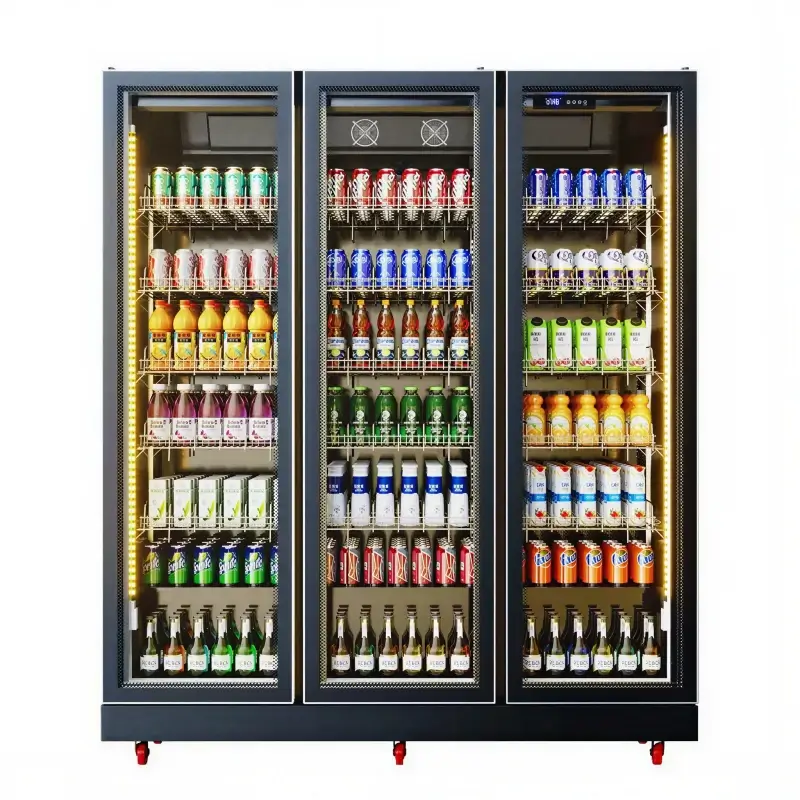
- In bakeries and dessert programs, the 3 Door Display Refrigerator is typically positioned on the customer side, with storage kept in the back of house
- In multi-cuisine operations, raw protein, produce, and ready-to-eat foods should remain in separate zones
Controlling cross-contamination is often reason enough to replace a smaller cabinet with a full 3-door commercial refrigerator, giving each door its own distinct zone.
Practical Steps Before Buying
Buying without operational data can cost more over two years than the price gap between an unsuitable unit and the one that actually fits. Disciplined operators tend to start with a few basic checks.
- Measure the current daily inventory volume in cubic feet, not by headcount
- Estimate peak-day demand at 1.4× the average
- Check the available floor space, allowing for the door swing and sufficient ventilation clearance
- Confirm that the electrical supply meets the compressor requirements
- Review the pull-down and hold-time data provided by manufacturers
- Compare energy consumption over five years
Reputable suppliers make these figures publicly available. That degree of technical detail, by itself, signals confidence in their products.
Layout Tips That Extend Effective Capacity
Even a suitable cabinet can fall short if the inside is arranged poorly. Kitchens that regularly hit their food-cost targets often follow a few practical habits.
- Assign every door a specific category—proteins, dairy, or prep—and label it on the outside
- Keep heavy or oversized items on the bottom shelves for better safety and stability
- Rotate inventory using FIFO, making sure the dates on each item are easy to see
- Keep a laminated par sheet inside each door to guide reordering
- Check the contents every week, removing anything expired or stored out of place
Together, these practices routinely create 15–20% more effective capacity without spending a dollar on new equipment.
When One Cabinet Is Not Enough
Growth can outpace refrigeration sooner than operators expect. The signs may show up as repeated late deliveries left in walk-ins, prep staff waiting for shelf space, and monthly spoilage that continues to climb.
At that point, adding a dedicated Commercial Refrigerator for backup storage—or setting up separate equipment for front-of-house display and back-of-house prep—will generally pay for itself within one quarter by reducing waste and making service faster. Deciding before a crisis occurs is the difference between managing a kitchen reactively and managing it strategically.
FAQ
How many covers can a standard 3-door commercial refrigerator support?
A well-organized 70–85-cubic-foot cabinet can typically support 300–500 daily covers. Its actual capacity depends on the complexity of the menu and the frequency of deliveries.
Is a reach-in or display model better for restaurant kitchens?
For back-of-house preparation, reach-in units are generally a good fit. Display models, on the other hand, are better suited to customer-facing spaces, including grab-and-go stations, cafés, and beverage service areas.
How often should capacity planning be reviewed?
Review capacity once a year, then revisit it whenever the menu changes. Rising spoilage, cramped shelving, or repeated stockouts are usually signs that demand has surpassed the cabinet’s current capacity.