
A commercial glass door refrigerator that is properly maintained does more than keep beverages chilled. It can encourage impulse purchases, lower electricity expenses, and help avoid expensive breakdowns during the busiest operating hours. In most cases, premature failures result from missed cleaning and overlooked components, not manufacturing defects. With a consistent maintenance schedule, operators can typically extend the equipment’s service life by three to five years.
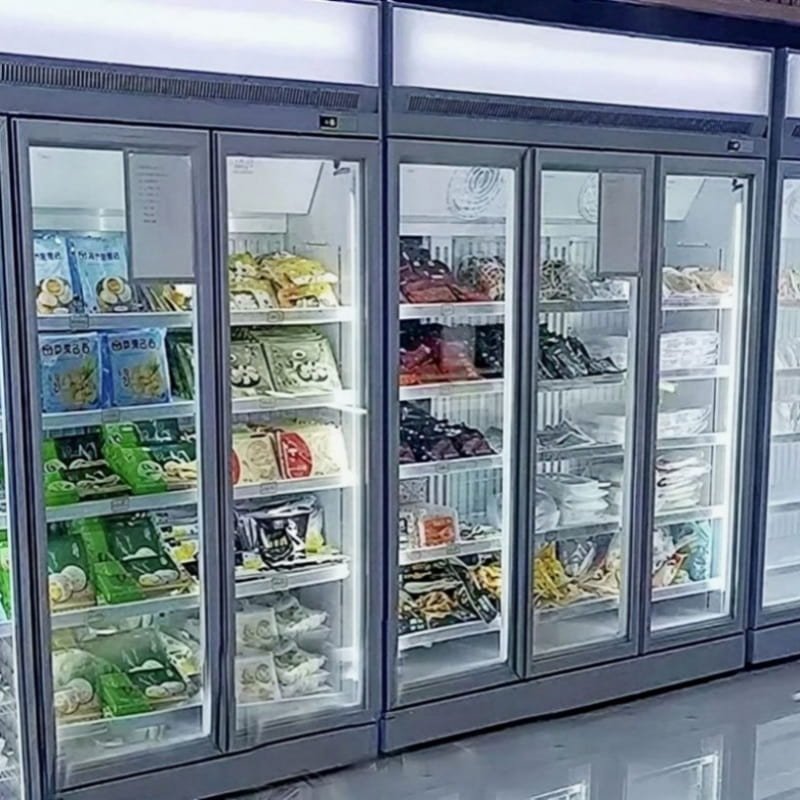
The sections below set out the main maintenance practices operators should follow, organized by how often they are needed and how urgent they are.
Why Regular Maintenance Matters
Retailers may not realize how quickly a Commercial Refrigerator‘s performance declines when routine servicing is skipped. Once dust blocks the coils, the compressor has to work harder, and worn gaskets let cold air out. Cloudy glass panels can put customers off browsing, too. Observations in convenience stores and bars suggest that neglect may cause a unit to use up to 25% more energy than one that receives proper servicing.
Regular maintenance produces three measurable results:
- Lower monthly electricity costs
- Fewer emergency repair calls
- Better product presentation, along with more impulse purchases
For businesses operating multiple Commercial Refrigerator units, the savings can accumulate quickly across the fleet.
Daily and Weekly Cleaning Routines
Cleanliness is the starting point for any maintenance program. Each day, staff should wipe the interior shelves, door handles, and glass surfaces with a mild, non-abrasive cleaner. Harsh chemicals can gradually damage rubber seals and etch the glass.
Interior Care
Spilled drinks and food residue can cause odors and attract pests. Give the interior a thorough cleaning once a week using warm water and baking soda. The method removes buildup without leaving chemical traces near stored products.
Exterior and Glass Panels
With a commercial glass door refrigerator, streak-free glass is essential. Customers need to see the products clearly, and that visibility can influence what they buy. Use microfiber cloths with ammonia-free glass cleaner to keep the panels clean without damaging the anti-fog coating on premium units.
Component-Level Maintenance
Surface cleaning is only part of the job; the internal components need regular attention too.
| Component | Recommended Frequency | Common Issue if Ignored |
| Condenser Coils | Every 3 months | Compressor overheating |
| Door Gaskets | Monthly inspection | Cold air leakage |
| Evaporator Fan | Every 6 months | Uneven cooling |
| Drain Pan | Monthly | Odor and mold |
| LED Lighting | Annually | Reduced product visibility |
| Thermostat Calibration | Every 6 months | Temperature drift |
Condenser Coil Cleaning
Coils often collect dust and grease, particularly in kitchens and busy retail spaces. A soft brush or vacuum fitted with a narrow attachment can clear away the buildup. Before servicing, technicians recommend switching off the power to reduce the risk of electrical hazards.
Door Gasket Inspection
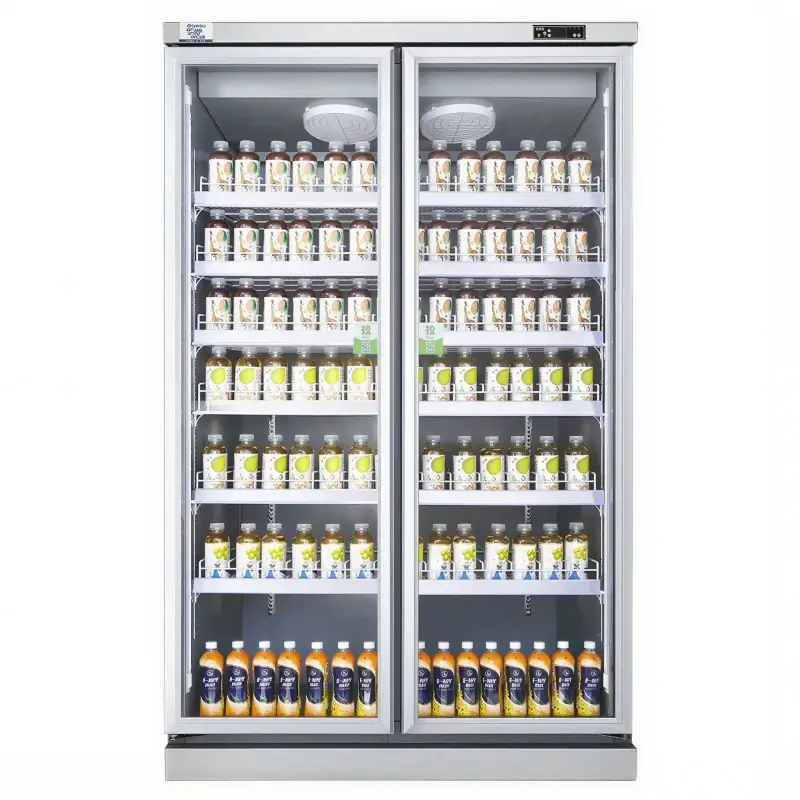
Gaskets do much of the work that keeps refrigeration efficient, though they seldom attract attention. To check one, close the door on a dollar bill and gently pull it free. If there is little resistance, the gasket needs replacing. This test matters especially for a Double Door Display Refrigerator, since both seals must perform identically to keep temperatures even throughout the wider cabinet.
Temperature Monitoring and Troubleshooting
A steady internal temperature can say a lot about the unit’s condition. Operators should check and record it twice a day, then investigate any change of more than 2°F from the setpoint.
Warning signs include:
- Frost accumulating on the back wall
- The compressor turning on and off more often than usual
- Condensation appearing on the outside of the glass doors
- Humming or clicking unusual sounds
These symptoms can have different causes. Frost usually points to a faulty defrost timer. Condensation on the outside, by contrast, is more commonly linked to failed humidity control or a compromised door heater.
Seasonal and Annual Servicing
A qualified technician should check the refrigerant levels, electrical connections, and compressor performance twice a year. Daily operators may not notice issues such as micro-leaks or capacitor degradation, while professional servicing is more likely to identify them. Businesses that have multiple Commercial Refrigerator units can arrange these inspections through service contracts at reduced rates.
Placement also influences how long equipment lasts. When units sit too close to walls or heat sources, they cannot release heat as easily, which may reduce the lifespan of their components. As a general rule, leave at least four inches of space on every side.
Training Staff for Long-Term Results
A well-designed maintenance plan can break down if the staff has not been trained. Managers need to record the procedures, designate who is responsible for each task, and check compliance monthly. For new hires, photos of properly cleaned coils and correctly sealed gaskets can be useful as well.
Training takes time, but it pays off. Equipment cared for by knowledgeable teams performs more consistently than equipment that receives attention only now and then.
FAQ
How often should a commercial glass door refrigerator receive professional servicing?
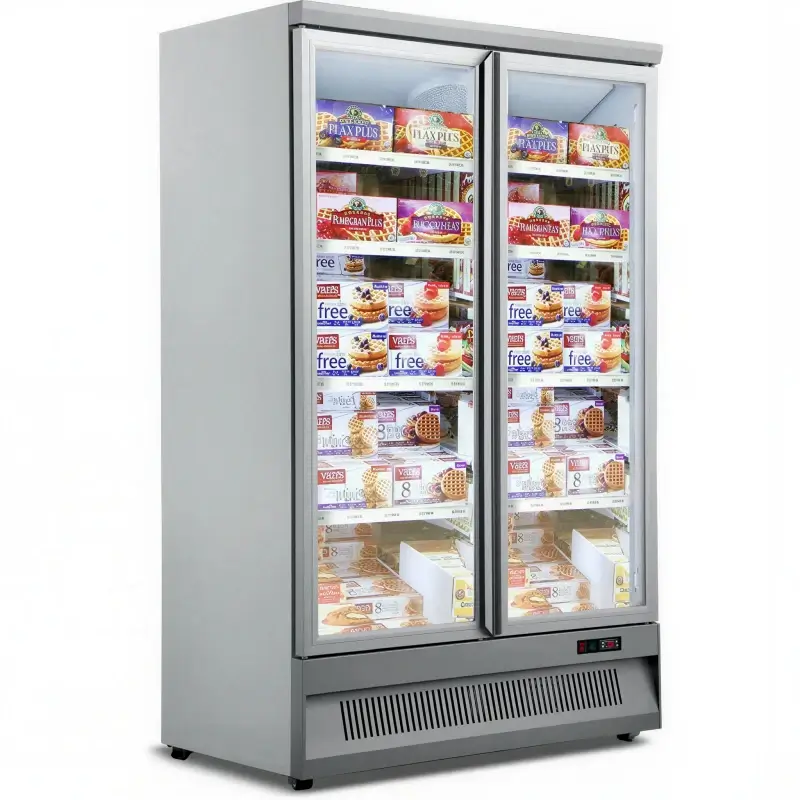
Twice-yearly service is the usual schedule. For high-use locations, including bars and convenience stores, professional inspections every quarter are beneficial.
Can staff clean the condenser coils, or does a technician need to do it?
Trained staff may vacuum the coils, but certified technicians must handle refrigerant-related work and electrical repairs.
Which temperature setting is best for beverage display units?
Most operators keep beverage-focused units at 36°F to 40°F. Drinks stay properly chilled within that range, while product safety and energy consumption remain in balance.