
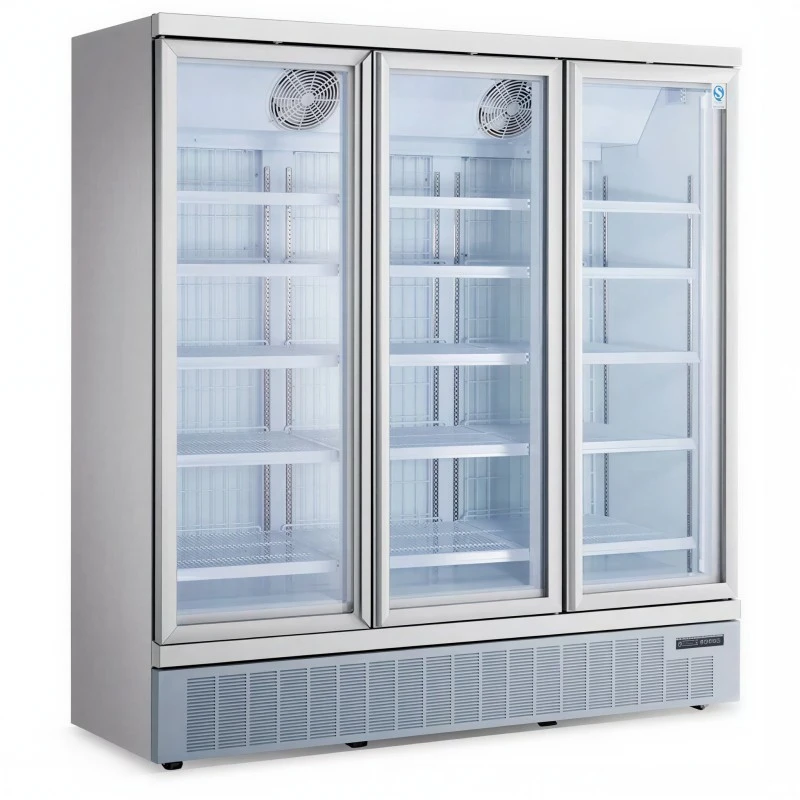
A three-door commercial refrigerator can make kitchen work more efficient, help preserve food quality, and reduce operating costs over time when chosen with care. In a busy foodservice operation, the best model usually depends on storage capacity, steady cooling, durable construction, and how well it suits daily routines. It is not simply a place to keep ingredients; the refrigerator sits at the center of an efficient kitchen.
Restaurants, hotels, and catering operations often find that a 3-door commercial refrigerator offers a practical mix of accessibility and organized storage. During busy prep periods, staff can grab ingredients without opening a single door again and again—a benefit that matters even more during peak service hours.
What to Look for in a 3-Door Commercial Refrigerator
H3: Start with Your Actual Storage Needs
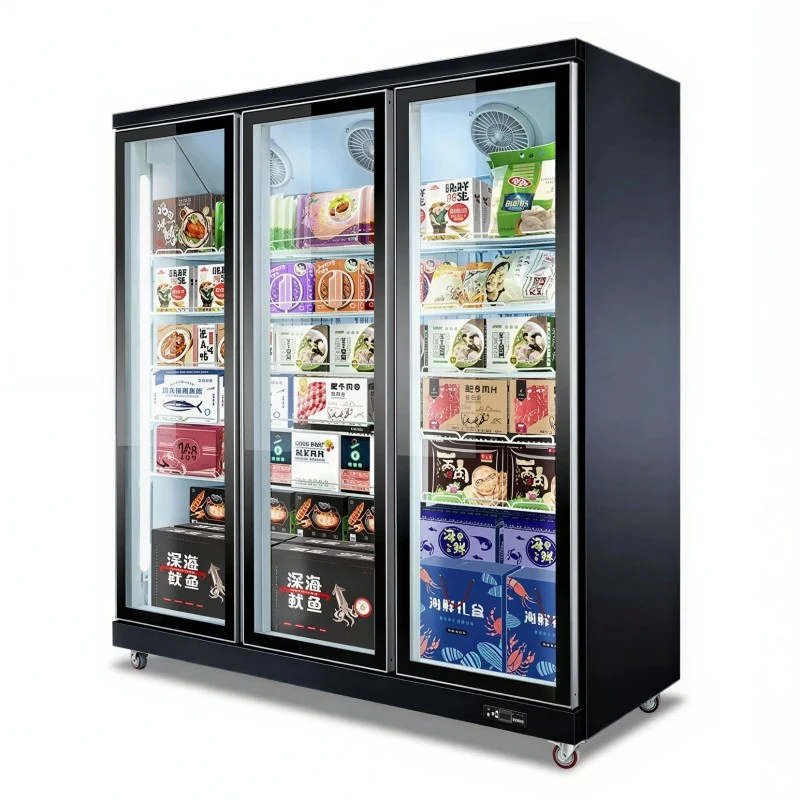
The cabinet should be selected according to how it will actually be used. Businesses that need products to remain visible and readily accessible may find a 3 Door Display Refrigerator suitable. For back-of-house use, though, a more functional storage arrangement and stronger durability may matter more. The right 3-door refrigerator commercial model also needs room for ingredients, pans, and bottles while keeping up with the pace of daily inventory turnover.
Consider these factors:
- Daily stock volume
- Product size and packaging
- Frequency of door openings
- Available kitchen space
- Internal shelf flexibility
A Commercial Reach In Refrigerator may suit operations where staff regularly retrieve ingredients without disrupting the kitchen’s workflow. Buyers often select this design because it keeps items organized while allowing quick access.
H3: Check the Cooling Performance First
A refrigerator has to maintain a consistent temperature, even when service gets hectic. That is one reason 3-door refrigerator commercial models are common in professional kitchens. Because the doors may be opened repeatedly, fast temperature recovery matters: the unit needs to cool down quickly while keeping food stored safely.
The main cooling factors are:
| Factor | What to Look For | Why It Matters |
| Temperature range | A stable food-safe range | Protects ingredients and compliance |
| Compressor quality | A reliable commercial-grade system | Improves recovery after door openings |
| Air circulation | Even airflow across shelves | Reduces warm spots |
| Insulation | Thick, efficient cabinet walls | Helps save energy |
A well-built Commercial Refrigerator should keep working reliably, even during the busiest kitchen shifts. Models with stronger performance usually hold a more consistent temperature, saving staff time and reducing the chance of products spoiling.
Pay Attention to Door Design and Workflow
Door arrangement affects efficiency more than many buyers realize. In a commercial 3-door refrigerator, staff can separate product groups clearly, so items are easier to locate and the kitchen stays less cluttered. For a high-volume operation, that can mean fewer mistakes and shorter delays.
A 3 Door Display Refrigerator is best suited to front-of-house and merchandising areas, while a Commercial Reach In Refrigerator is designed for back-of-house prep work. The right choice depends on what the unit needs to do most: display products, store them, or handle both.
When comparing doors, consider how well they hold up in everyday use:
- Does each door open smoothly with frequent use?
- Do the gaskets form a tight seal
- Can staff grip the handles and operate them quickly
- Will the unit stay efficient despite repeated opening
These details might seem minor, but they can decide whether a purchase feels convenient or becomes frustrating.
Compare the Interior Layout and Shelf Flexibility
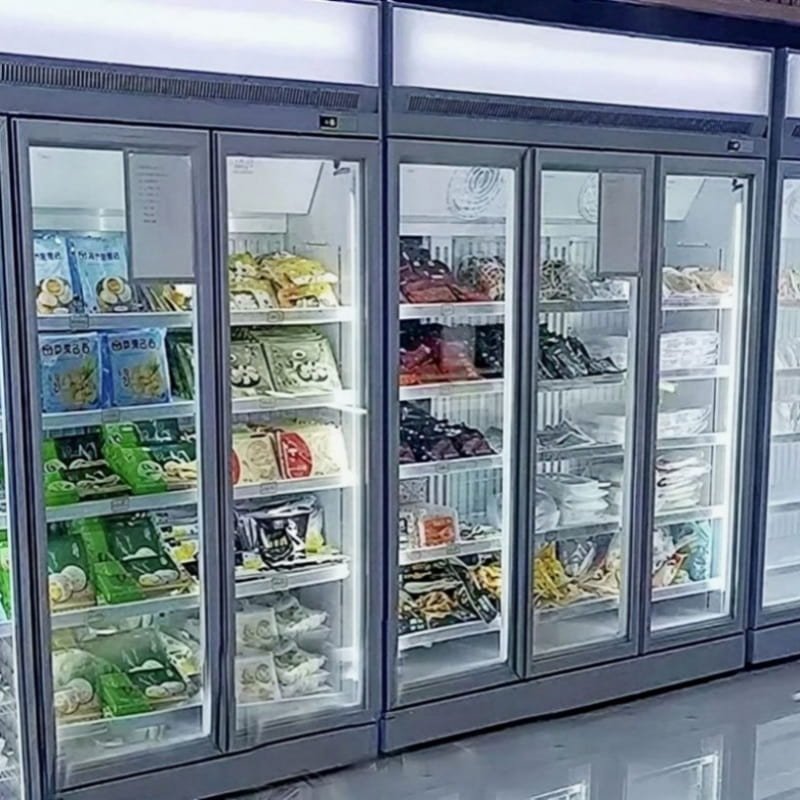
A good 3-door refrigerator commercial unit should have adjustable shelves and an interior that is simple to arrange. This lets teams separate dairy, produce, sauces, and prepared foods while using the available space efficiently. In a busy kitchen, assigning each section a clear purpose makes daily work easier.
Look for:
- Adjustable shelves
- Heavy-duty shelf support
- Interior surfaces that are easy to clean
- Enough room for pans or tall containers
- Clear lighting inside the cabinet
As menus change and inventory needs shift, a flexible Commercial Refrigerator can become more valuable in many commercial kitchens. A rigid layout, however, can create storage bottlenecks.
Energy Use and Long-Term Cost Matter
A commercial 3-door refrigerator can cost more upfront, but a well-built model may reduce operating expenses over time. Its compressor, insulation, and door seals all affect electricity use; when they work efficiently, the savings can add up over months and years. For a business, that difference may matter.
Buyers often compare models of similar capacity, especially when their energy performance is different. The cheaper option is not necessarily the better investment. In daily use, a dependable Commercial Reach In Refrigerator can provide more value through easy access, lasting durability, and controlled energy consumption.
Build Quality Should Match Business Intensity
Commercial kitchens are hard on refrigeration equipment. A three-door commercial refrigerator has to handle constant loading, frequent door openings, and daily cleaning. Stainless-steel exteriors, reinforced hinges, and durable gaskets typically indicate sturdier commercial-grade construction.
A commercial refrigerator for professional use should also be easy to sanitize. Smooth surfaces and removable parts cut down on cleaning time and help maintain hygiene standards. That matters particularly in foodservice settings, where cleaning must be done quickly while meeting compliance requirements.
Choose the Right Model for the Use Case
Some businesses need products kept in clear view; others are more concerned with preparing food as efficiently as possible. That is why the decision between a 3 Door Display Refrigerator and a Commercial Reach In Refrigerator should begin with how the unit will be used, not just with catalog specifications. For a commercial 3-door refrigerator, the best choice is the model that fits the demands of the daily workflow.
For a front-of-house location, display equipment is the better choice. Reach-in equipment fits more naturally in a back-of-house prep area, while mixed operations need flexible equipment that can maintain steady cooling.
This approach usually produces better results than choosing based only on price.
Final Takeaway
The best 3-door refrigerator commercial unit combines reliable cooling, a useful layout, energy efficiency, and durable construction. Capacity matters, but businesses also need to think about how the refrigerator will fit into their daily workflow. When the setup suits the way a business operates, a Commercial Refrigerator can support routine tasks reliably rather than turn into a maintenance problem.
For teams comparing options, a commercial 3-door refrigerator needs to perform reliably day after day. In a busy kitchen, that kind of equipment can be well worth having.
FAQ
What is the main benefit of a commercial 3-door refrigerator?
Ingredients stay better organized, items are easier to reach, and busy kitchens can reduce temperature loss when the doors are opened frequently.
Is a 3 Door Display Refrigerator suitable for restaurants?
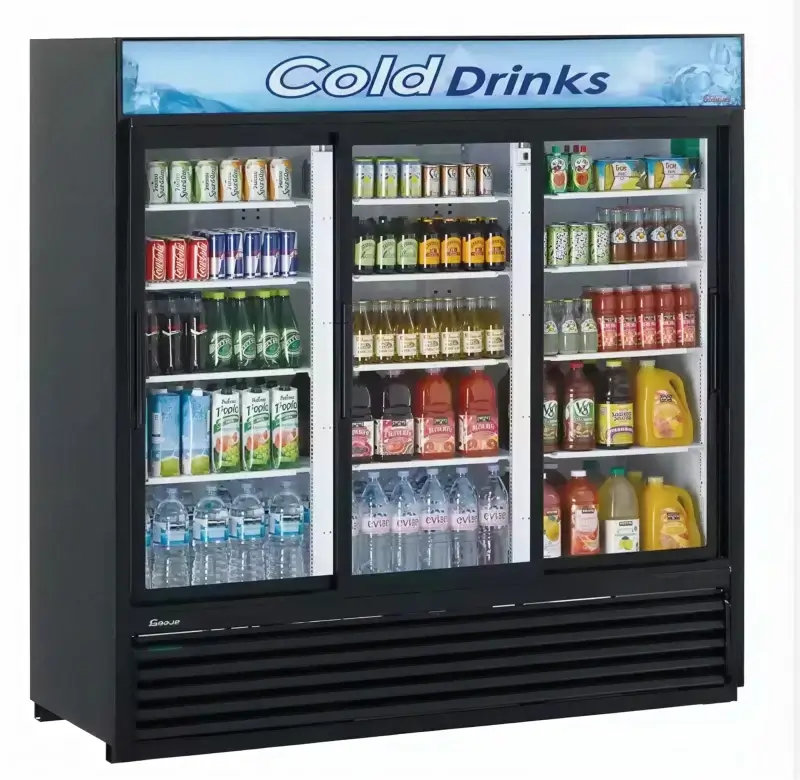
Yes. It works especially well at the front of the house, where customers can see the products inside. It is most effective when presentation matters just as much as cooling performance.
How does a Commercial Reach-In Refrigerator support operations?
Staff can grab ingredients quickly during prep and service, keeping work moving and reducing delays in high-volume kitchens.