
The Short Answer Before the Deep Dive
Undercounter models suit kitchens with fixed layouts, particularly where an efficient workflow is the priority. Freestanding units make more sense for operations that require flexibility, open ventilation, and straightforward servicing. Both offer excellent cold storage while using little space, but the right choice comes down to how the kitchen operates during service.
Experience from café, bar, and bakery installations suggests that a bad choice rarely results in an immediate breakdown. Instead, it tends to frustrate staff over time, encourage awkward workarounds, and quietly push up energy costs. Selecting the appropriate format at the beginning helps avoid those issues.
What Sets Undercounter Apart from Freestanding
Both formats provide compact refrigeration for ingredients or beverages that move quickly. Their differences mainly involve installation, airflow, and how they occupy the surrounding workspace.
Installation, Airflow, and Workspace Integration
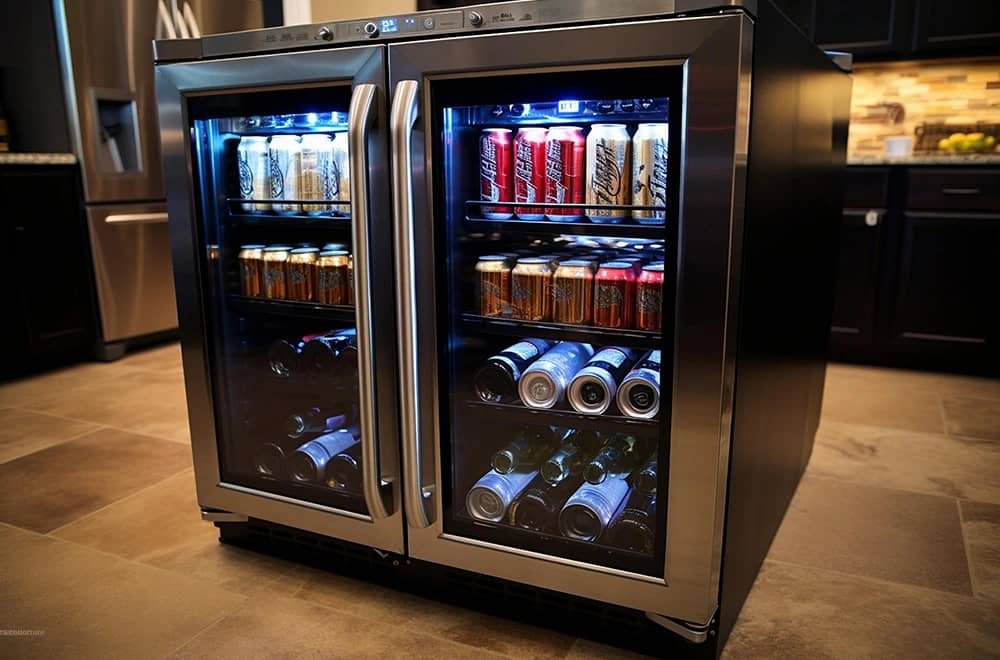
Undercounter units – Built to fit beneath a countertop, they vent through the front and align flush with the cabinetry.
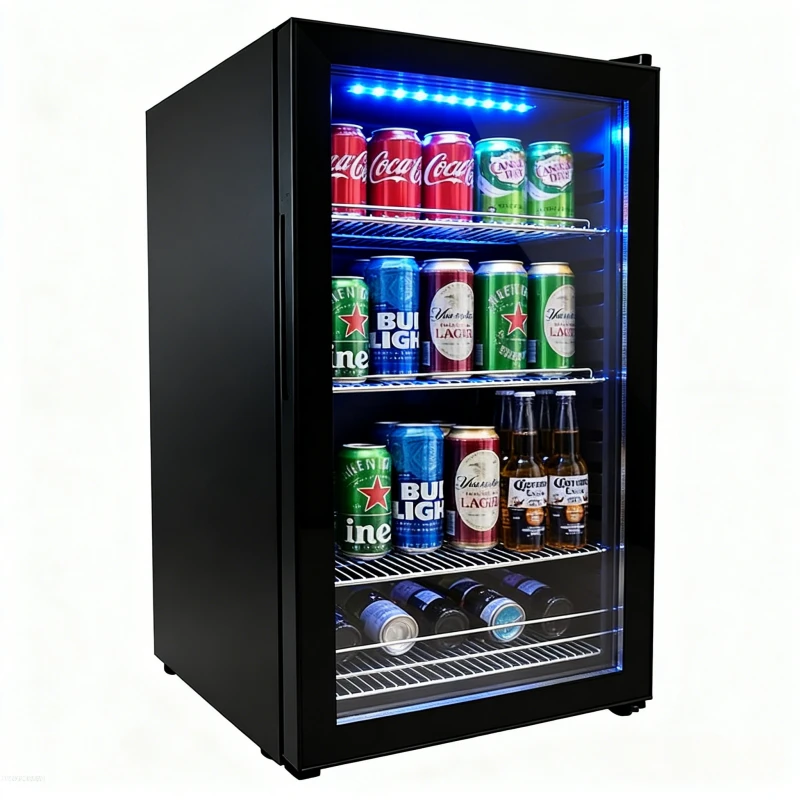
Freestanding units – Standing independently, these require clearance at the sides or rear, though they offer greater flexibility in placement.
Undercounter mini commercial refrigerators typically vent through the front, which lets them operate in enclosed spaces without overheating. Freestanding models, by contrast, usually release heat through the rear or sides and need sufficient clearance around the unit to perform reliably.
Why Ventilation Direction Matters
Ventilation is far from a minor specification. A frequent field-service error involves placing a rear-vent freestanding unit beneath a counter. Restricted airflow may cause the compressor to overheat and cycle continuously, and failure can follow within 18 months. To protect both performance and warranty coverage, the ventilation design must suit the installation location.
Side-by-Side Comparison
The table highlights differences that influence daily operations.
| Feature | Undercounter Mini | Freestanding Mini |
| Installation | Built-in, flush fit | Standalone, portable |
| Ventilation | Front-breathing | Rear or side-breathing |
| Clearance needed | Minimal | 2–3 inches on sides/back |
| Floor space efficiency | High | Medium |
| Servicing access | Limited | Easy |
| Relocation flexibility | Low | High |
| Typical cost | Higher | Lower |
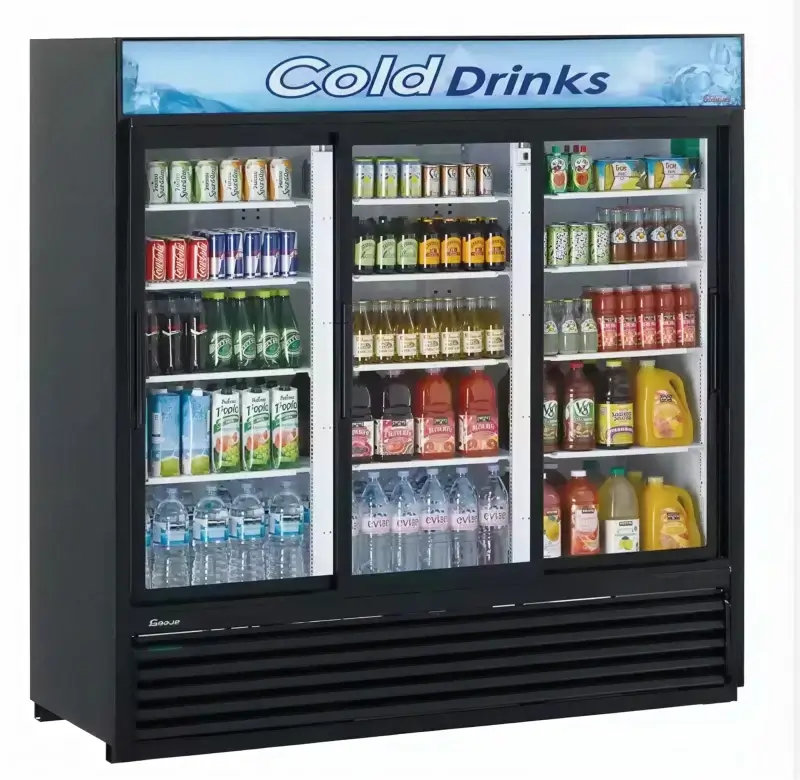
When weighing a mini commercial refrigerator against a full-size Commercial Reach In Refrigerator, operators should treat the smaller units as supplements rather than substitutes for primary cold storage. Their main benefit is point-of-use refrigeration placed close to prep or service stations.
Where Each Format Performs Best
Real-world placement patterns reveal that certain settings suit one format better than another.
Undercounter Excels In
- Coffee bars with fixed espresso-station layouts.
- Cocktail bars that position fridges beneath the back bar.
- Sushi counters, where every inch of prep space matters.
- Boutique bakeries operating within tight square footage.
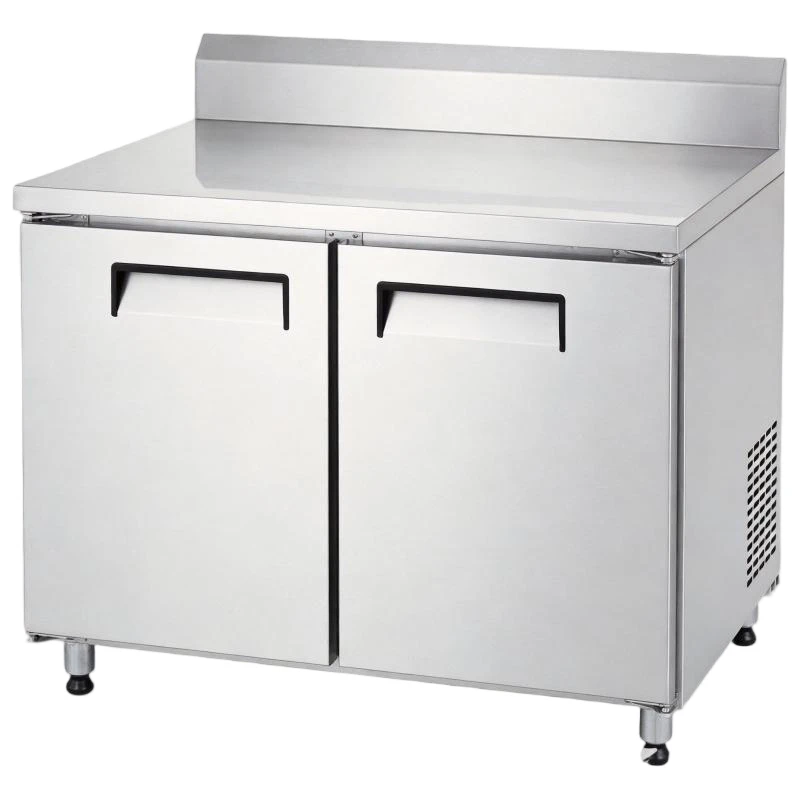
An undercounter Commercial Counter Refrigerator keeps cold ingredients within reach, so staff does not have to break their posture while working. That makes the workflow smoother—and across thousands of daily movements, the ergonomic benefit adds up.
Freestanding Excels In
- Catering operations that frequently relocate their equipment.
- Pop-up kitchens and food trucks where the layout may change over time.
- Employee break rooms and back-of-house staging areas.
- Small retail spaces that offer grab-and-go beverages.
Freestanding mini commercial refrigerator models can also be practical during lease transitions or in venues where permanent installation is not allowed.
Cost Considerations Beyond the Sticker Price
The purchase price tells only part of the story. Over several years of ownership, the true value of each format becomes easier to judge.
Four Cost Factors Beyond the Initial Purchase
Installation costs – Undercounter models may require changes to the cabinetry.
Energy consumption – In tight spaces where airflow is restricted, front-breathing units can consume 10–15% more energy.
Service accessibility – Freestanding units cost less to repair because technicians can access their components more easily.
Resale value – Their portability helps freestanding models retain a higher secondhand value.
Kitchen designers designing a full commercial refrigeration system should decide where mini units fit within the broader equipment arrangement. Keeping the same format across multiple stations simplifies training, while also making maintenance and parts inventory less complicated.
The Hidden Cost of Poor Fit
An undercounter unit installed where there is insufficient front clearance can overheat and fail prematurely. A freestanding unit may suffer the same fate when pushed into a corner without adequate ventilation. Warranty claims are uncommon in these cases because improper installation voids the coverage, leaving the operator to pay the full replacement cost.
Making the Final Decision
The right format often becomes apparent after considering three practical questions:
- Will the unit stay in the same location throughout its service life? If it will, an undercounter model is generally the better option.
- Is there enough room around the unit to maintain proper ventilation clearance? If there isn’t, front-breathing undercounter equipment is the only safe option.
- How often will staff need to reach the unit during peak service? If they need frequent access, placing it under the counter creates a more efficient workflow.
Straight answers can help avoid a common commercial refrigeration mistake: selecting the wrong format because it looked less expensive at first. If its size and design suit the operation, a mini commercial refrigerator may repay its cost through years of reliable service and simpler daily work. In a busy kitchen, that steady performance matters.
FAQ
Can a freestanding mini fridge be built into cabinetry later?
Only models with front-breathing ventilation can be safely enclosed. Freestanding units that release air through the rear can overheat when placed inside cabinetry, potentially causing compressor failure and voiding the manufacturer’s warranty.
How much cold storage capacity does a typical mini unit provide?
A typical commercial mini unit offers 2.5 to 6 cubic feet of cold storage. That is enough for point-of-use ingredients, beverages, or dairy at one service station.
Are mini commercial refrigerators NSF certified for foodservice use?
Reputable commercial models carry NSF certification. Residential mini fridges, by contrast, do not meet that standard and typically fail health inspections in professional foodservice settings.