
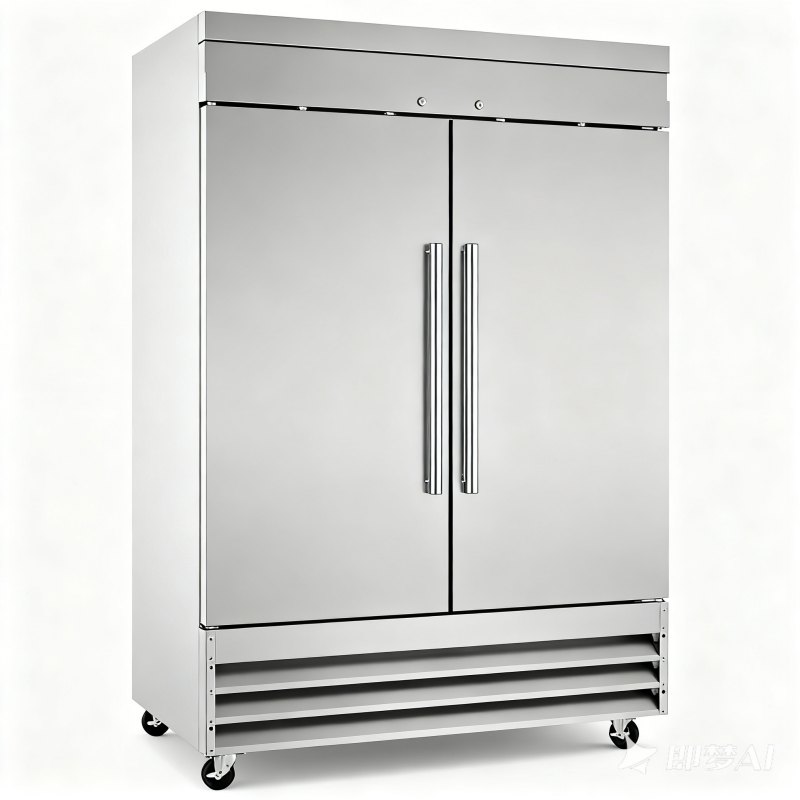
Why Shelving Design Affects Freezer Performance
Most operators judge a freezer by its temperature and capacity. In daily kitchen work, though, the interior shelving can matter just as much: it may keep service moving or add minutes to every ticket. When the layout is planned well, an Upright Commercial Freezer keeps ingredients visible, reduces door-open time, and protects the cold chain during peak hours.
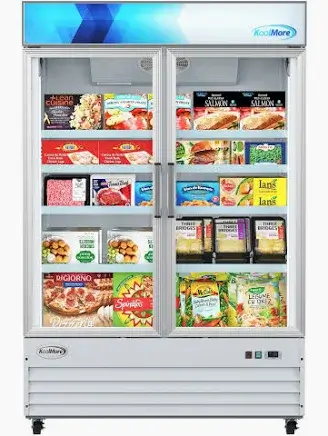
Chefs and store managers often underestimate how much organization affects energy bills. Every extra second spent searching allows warm air to enter, making compressors work harder to recover. Shelving is not merely cosmetic; it influences the way the operation functions.
The Hidden Link Between Organization and Energy Costs
The connection between shelving layout and energy consumption is often overlooked. When staff struggles to locate items, the freezer door stays open longer, allowing warm air to enter. This forces the compressor to work harder and longer to restore the set temperature. A well-organized interior minimizes search time, keeps the cold air inside, and directly reduces the workload on the refrigeration system.
Three Purposes of Freezer Shelving
- Quick retrieval during busy periods
- Clear separation of raw, cooked, and packaged goods
- Consistent airflow across every level
When these goals work together, the storage system becomes predictable. Staff know where items belong, inventory counts are completed more quickly, and food safety audits feel less stressful.
Matching Shelving Strategy to Freezer Type
Kitchen layouts should fit the way the operation actually runs. The available space, menu volume, and staff routines all shape that decision. In a compact prep line, a Single Door Upright Freezer with adjustable wire shelves is often the practical option. When volume is higher, a Double Door Upright Freezer can provide separate compartments for keeping proteins away from bakery items.
The table outlines standard shelving arrangements for several freezer types
| Freezer Type | Recommended Shelves | Best Use Case | Access Priority |
| Single Door Upright Freezer | 4 to 5 adjustable wire shelves | Small kitchens, cafés | Frequent grabs from a narrow SKU list |
| Double Door Upright Freezer | 6 to 10 zoned shelves | Restaurants, bakeries | Parallel access for two team members |
| Reach-in with Drawers | A mix of drawers and shelves | Fine dining, sushi bars | Portioned proteins and quick plating |
Reading the Layout Before Buying Shelves
Before adding accessories, start by observing how the unit is used in practice. Where does the cook stand? Which hand reaches for the door? For a day or two, note what comes out of the Commercial Upright Freezer every fifteen minutes and what is removed only once a week. The arrangement usually becomes obvious: daily items belong on the top shelf, while seasonal ones do not, even if the instinct is to put them there.
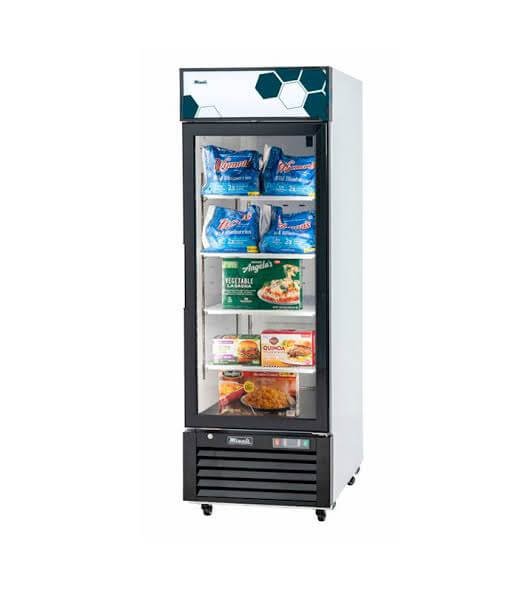
Practical Organizing Principles That Hold Up in Real Kitchens
After visiting dozens of foodservice sites, a few habits consistently stand out. They are simple enough, but sticking to them takes discipline.
- Keep the heaviest items at waist height to reduce strain and lower the risk of dropping inventory.
- Store raw proteins on the bottom shelf, following the standard food safety hierarchy.
- Set up a labeled “first out” area near the door for items nearing their use-by date.
- Leave at least two inches of open space around the evaporator vents so cold air can circulate.
- If the shelf spacing allows it, use clear, stackable bins rather than opaque boxes.
These habits sound obvious, yet walk-throughs still routinely reveal blocked vents and mystery boxes pushed to the back of the unit. More than any other kitchen appliance, a Commercial Upright Freezer requires steady discipline.
Labeling Systems That Survive Frost
Standard paper labels curl and detach within days. Operators who care about traceability generally select one of the following:
- Freezer-grade adhesive labels with removable backing
- Color-coded plastic clips attached to the shelf rail
- Dry-erase magnetic strips mounted on the inside wall
The right choice depends on the size of the staff and how often employees change. In larger teams, color coding may be more practical since workers can identify items quickly without reading English labels during a rush.
A Note on Rotation Discipline
FIFO relies on the physical arrangement of the storage area. Shelves must be deep enough for staff to place new stock at the back while taking older items from the front. Otherwise, incoming deliveries may be stacked on top of older products, allowing waste to build gradually over the quarter.
Airflow, Frost, and the Hidden Cost of Overpacking
Even a premium Upright Commercial Freezer can lose efficiency when shelves are filled from wall to wall. Cold air needs space to circulate; overcrowding creates warm pockets, leads to uneven freezing, and makes the compressor run longer. Managers tracking kilowatt hours often find that cutting interior density by 15 percent results in noticeably lower energy consumption within a month.
Frost buildup usually follows a predictable pattern. When packaging presses against the rear wall or blocks the fan grille, ice forms faster, while defrost cycles become less effective. The extra space matters—it helps keep maintenance problems from developing.
Building a Shelving Routine the Team Will Actually Follow
An organizing plan matters only if it still works on Saturday night. Simple, visible rules that leave room for mistakes tend to last; elaborate color-and-number systems often break down within a week. Managers who keep their freezers in order usually:
- Place a laminated shelf map on the door.
- Assign one person on each shift to spend two minutes checking the freezer.
- Review the layout every quarter as the menus change.
Small routines add up. If the Upright Commercial Freezer is tidy at the end of every shift, it stays that way.
FAQ
How often should commercial kitchens reorganize freezer shelving?
For most operations, reviewing the setup quarterly is sufficient, with brief resets each week. The layout should also be checked right away after any menu change, seasonal SKU, or new supplier.
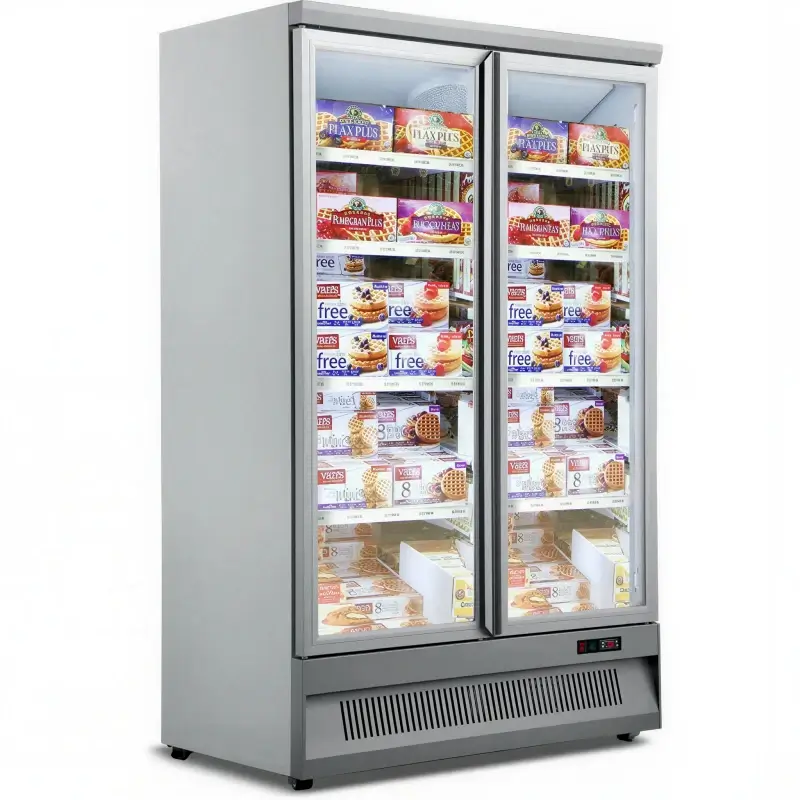
Do wire shelves outperform solid shelves in upright freezers?
Wire shelves generally offer better airflow and visibility. Solid shelves make sense only for small, loose items that could fall through the grid.
What shelf spacing works best for mixed inventory?
Adjustable spacing between eight and twelve inches suits most storage needs. This range accommodates sheet pans, bulk bags, and portioned containers without leaving much vertical space unused.