
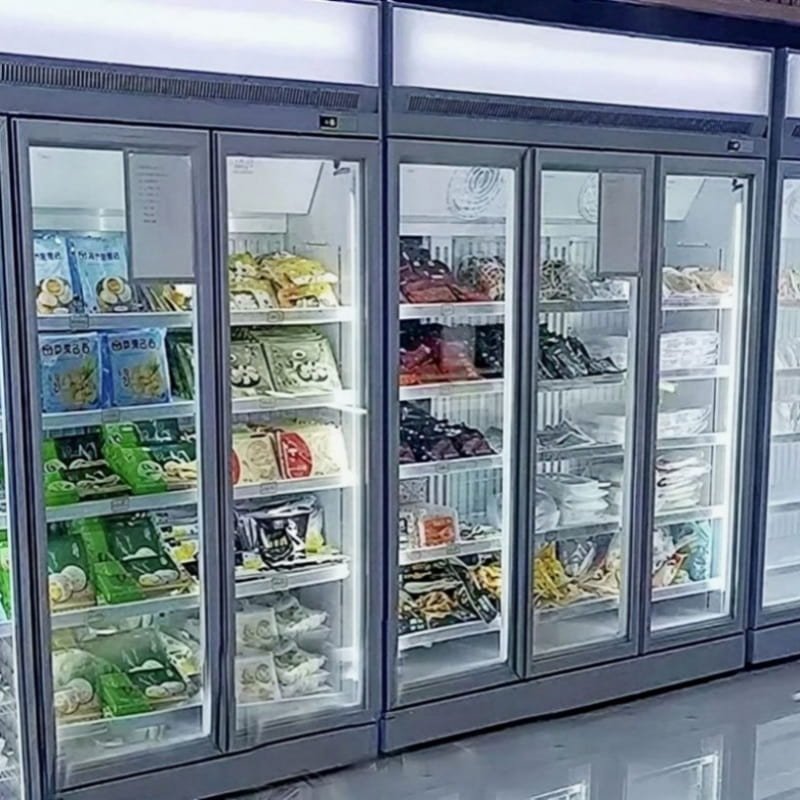
Why Narrow Commercial Refrigeration Works So Well in Small Kitchens
For many café owners, ghost kitchens, and boutique restaurants, tight space influences almost every aspect of daily work. Every square foot costs money, yet dependable cold storage remains necessary. Narrow commercial refrigeration units meet both demands by delivering professional-grade cooling in a slim footprint. Operators can protect their margins while maintaining food safety and service speed.
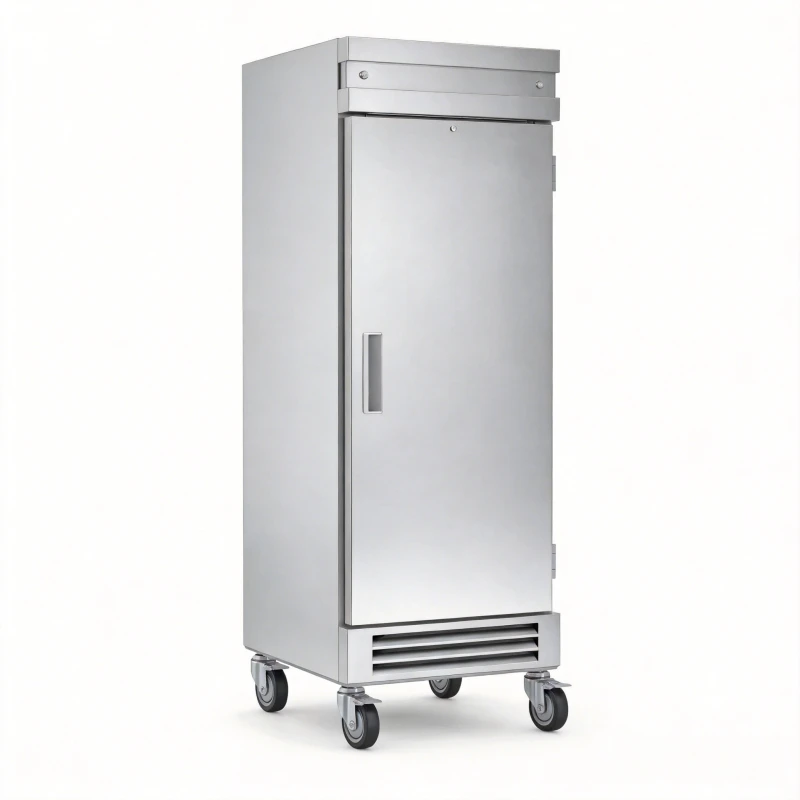
Why Narrow Units Outperform Standard Models in Tight Spaces
Standard-depth walk-ins and full-size reach-ins work well in kitchens with generous back-of-house layouts, but smaller kitchens rarely have that much room. When the footprint is tight, every inch counts. Saving space in the aisles leaves more room for prep tables, staff movement, or equipment such as fryers and combi ovens.
Operationally, three benefits stand out:
- Improved workflow. When stations are closer together, staff can shorten ticket times during busy service periods.
- Better ergonomics. Reducing awkward reaches and repetitive movements eases physical strain and may lower the risk of turnover.
- Lower energy costs. Smaller interior volumes cool faster and recover their temperature more efficiently after the doors open.
Operators who have retrofitted narrow commercial refrigeration in 400-square-foot kitchens often report tangible gains in table turns, along with less spoilage. It comes down to the layout: the space finally supports the menu.
Choosing a Refrigerator Type for the Kitchen’s Needs
A slim refrigerator will not work equally well in every kitchen. The right configuration depends on the menu, the way service is organized, and how people move through the space.
Undercounter Units for Prep-Heavy Stations
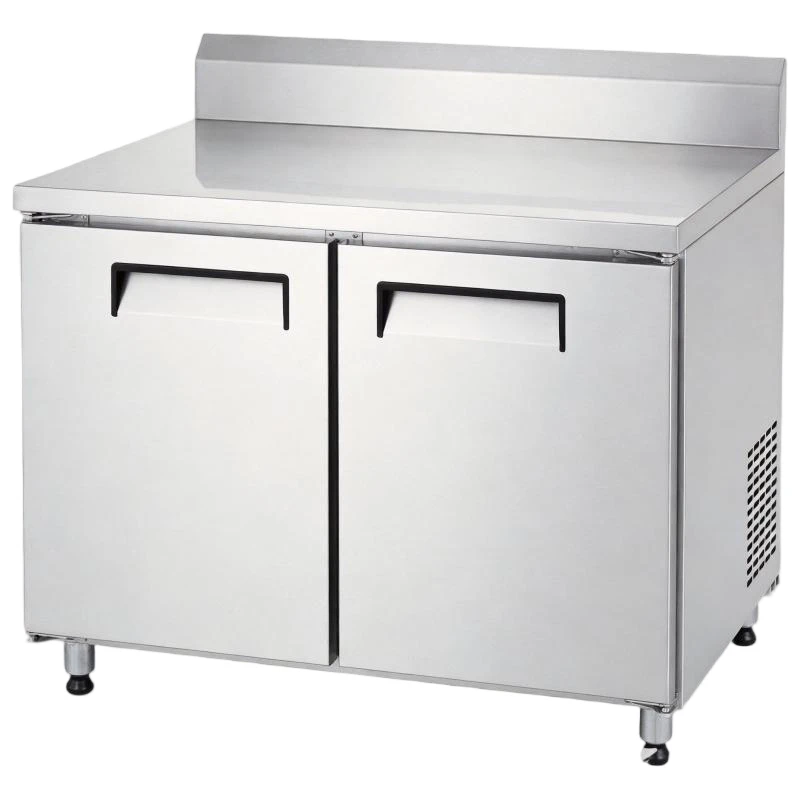
A commercial undercounter refrigerator slides beneath the prep line, keeping ingredients nearby and letting cooks maintain their rhythm. It is particularly useful in sushi bars, sandwich shops, and cocktail programs, where mise en place needs to remain within arm’s reach. Its top doubles as a work surface, adding prep space rather than taking it away.
Reach-In Units for Bulk Storage
As its capacity grows, a commercial reach-in refrigerator adds vertical storage without demanding much floor space. Most single-section models measure 24 to 28 inches wide, giving them room for proteins, dairy products, and pre-portioned trays even in tighter areas. Inside, the height leaves space for full-size sheet pans, which is especially useful in bakeries and catering operations.
Display Units for Front-of-House Sales
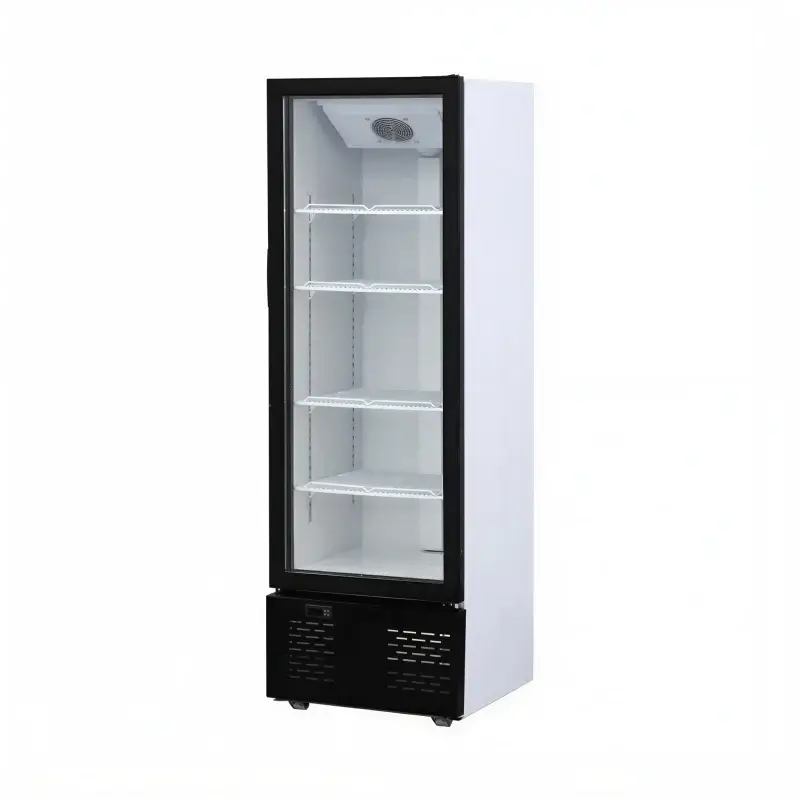
Retail-facing operations often benefit from a single-door display refrigerator. It keeps grab-and-go items at safe temperatures and places them where customers can easily spot them. Bottled drinks, packaged salads, and desserts generally sell faster when they’re visible. A slim unit can fit beside a POS terminal without blocking sightlines.
Comparing Narrow Commercial Refrigeration Options
The table compares three of the narrowest common formats, using the priorities of a small kitchen as the basis.
| Format | Typical Width | Best Use Case | Key Advantage |
| Commercial Undercounter Refrigerator | 27–48 in | Prep stations, bar setups | Adds prep surface above |
| Commercial Reach In Refrigerator | 24–28 in | Bulk ingredient storage | Vertical capacity, sheet-pan friendly |
| Single Door Display Refrigerator | 22–26 in | Grab-and-go retail | Drives impulse purchases |
Choosing the wrong format costs more than the equipment—it takes up valuable floor space, too. For instance, a café selling bottled cold brew will get far more use from a display cooler than from a solid-door reach-in tucked behind the counter.
Buying Considerations Beyond Width
Width is just one factor when fitting a unit into a small kitchen. Experienced shoppers check a few other details before making a purchase:
- Door swing clearance. A narrow cabinet still needs enough room for the door to open fully.
- Ventilation direction. Front-breathing units can sit flush against walls, while back-breathing models need clearance.
- Refrigerant type. R290 hydrocarbon systems run more efficiently and comply with tightening environmental regulations.
- NSF certification. Health inspectors look for this mark because it signals durable construction and surfaces that are easy to clean.
- Warranty coverage. A compressor warranty of five years or longer can help protect against unexpected downtime.
Miss any of these steps, and you could face expensive replacements within two or three years. Careful specification extends equipment life and reduces service calls.
Installation and Maintenance Realities
Small kitchens generate heat, grease, and humidity, which can put additional strain on commercial refrigeration equipment. If a narrow unit sits next to a fryer or oven, its compressor has to work harder, potentially shortening its lifespan. When space allows, operators should position cold storage away from heat sources and leave at least one inch behind the cabinet for airflow.
Routine maintenance matters even more when space is tight:
- Clean the condenser coils each month to prevent dust buildup.
- Inspect the door gaskets every quarter for tears that might allow cold air to escape.
- Calibrate the thermostats twice a year to maintain HACCP compliance.
Following a consistent maintenance schedule helps commercial refrigeration equipment run at its rated efficiency and protects the food inventory inside.
Final Thoughts
Narrow commercial refrigeration no longer requires a compromise. Many current units deliver the cooling performance of full-size models while fitting the limited spaces common in small-format foodservice. The right format matters, as do careful equipment specifications and regular maintenance; together, they give operators a dependable foundation for growth, even in the tightest kitchens.
FAQ
How much cooling capacity does a narrow undercounter unit typically provide for a small café?
Narrow undercounter models usually offer 5 to 7 cubic feet of storage, enough to hold a full day’s supply of dairy, syrups, and prepared ingredients in a mid-volume café.
Are narrow reach-in refrigerators energy-efficient enough for 24-hour operations?
Yes. Models that use R290 refrigerant and carry ENERGY STAR ratings can keep temperatures stable around the clock, while monthly electricity costs remain predictably low.
Can one single-door display refrigerator safely hold both beverages and packaged foods?
Yes. Adjustable shelves and dual-zone airflow allow operators to display bottled drinks next to grab-and-go items without temperature conflicts or product deterioration.