
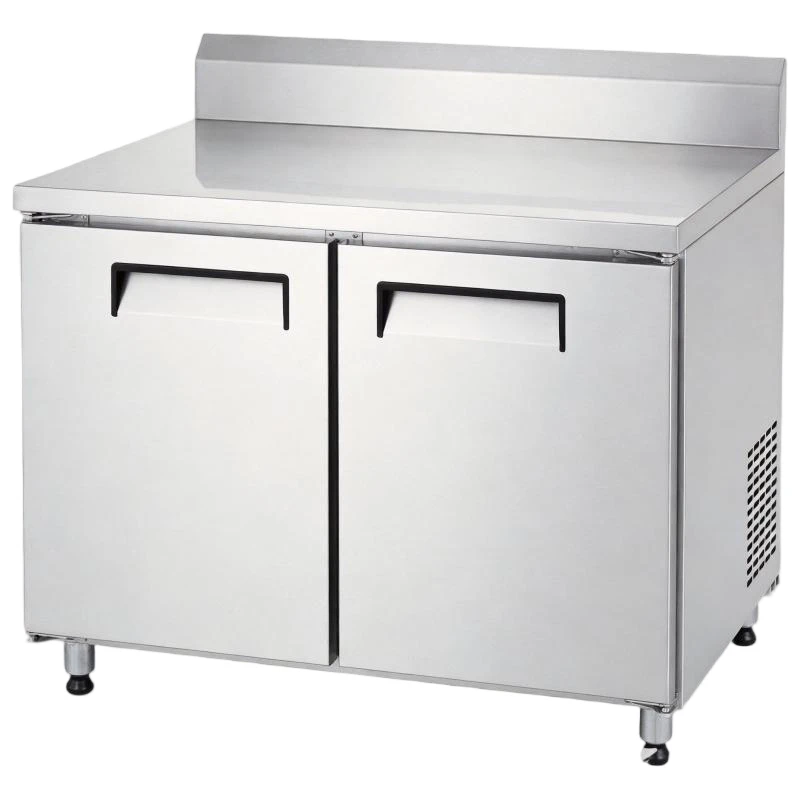
Understanding the Core Difference: Purpose and Performance
The main difference is what each system is expected to handle. A domestic refrigerator is designed for light household use, keeping a family’s groceries cold. Commercial refrigeration systems, on the other hand, are built for continuous, frequent, food-safe operation in restaurants, hotels, supermarkets, bakeries, bars, and institutional kitchens. They must withstand repeated door openings, hot kitchen conditions, larger product loads, and stricter temperature control day after day.
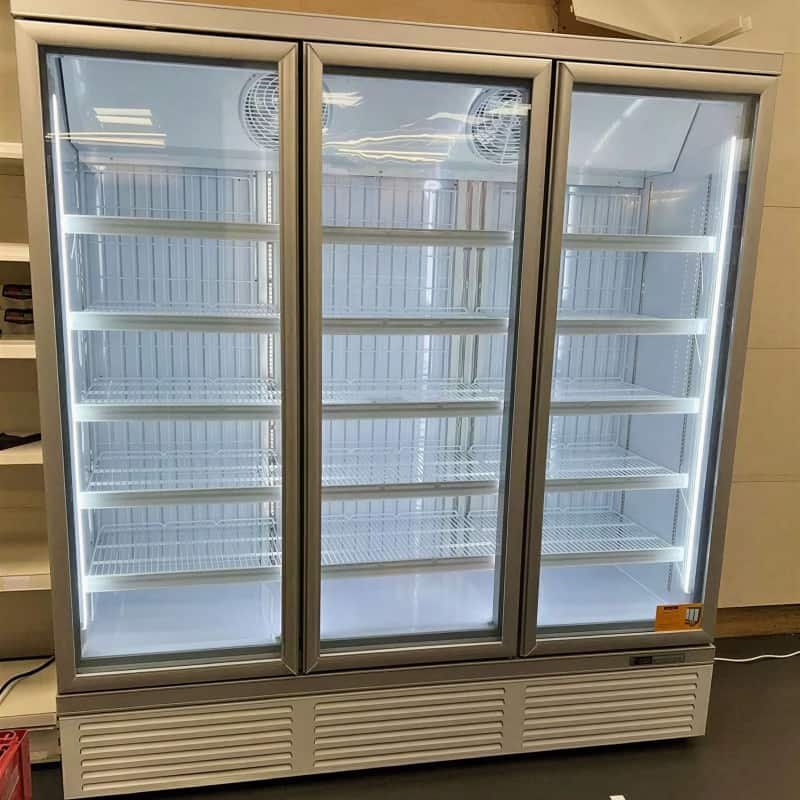
In actual purchasing decisions, the difference usually becomes clear when a business has moved beyond household equipment. A domestic fridge may look inexpensive at first, but it often cannot match the cooling recovery, cabinet durability, airflow design, or service access that professional food operations demand. For B2B buyers, the sounder comparison is based on overall performance, food safety, and lifetime operating cost—not the purchase price by itself.
1. Different operating environments
A household refrigerator usually runs under fairly steady conditions: the door might be opened only a few times a day, the room around it stays moderately warm, and the amount of food inside generally changes gradually. Commercial kitchens face a much tougher workload. Doors may be opened constantly during preparation and service, then again while staff restock and clean. Several times a day, warm ingredients may be put inside as well.
That is why commercial refrigeration systems use stronger compressors, better airflow, and cabinet structures made to handle heavier use. Even during the busiest kitchen periods, a quality Commercial Refrigerator can maintain safe storage conditions. Temperature stability matters because fluctuations can change food texture, reduce shelf life, and lead to compliance problems.
For buyers comparing product formats, Commercial Reach In Refrigerator models may suit kitchens that need frequent, quick access to chilled ingredients during daily service.
2. Temperature recovery and consistency
Temperature recovery is the speed at which a refrigerator returns to its target temperature after the door has been opened or warm products have been placed inside. This is one of the main technical differences between domestic and commercial equipment.
A household refrigerator may recover more slowly because it is opened only from time to time. Commercial equipment has a different job: it must return to the proper temperature quickly to protect perishables such as dairy, meat, seafood, sauces, and prepared foods. If recovery is inadequate, experienced operators commonly notice condensation and uneven cooling, and ingredients do not last as long.
| Comparison Area | Domestic Refrigerator | Commercial Refrigeration Systems |
| Main use | Household food storage | Professional food storage and service |
| Door opening frequency | Low to moderate | High and repeated |
| Cooling recovery | Slower under heavy use | Faster and more stable |
| Cabinet strength | Light-duty | Heavy-duty construction |
| Cleaning needs | Basic cleaning | Frequent sanitation required |
| Service access | Limited | Designed for maintenance |
| Typical buyers | Families | Restaurants, hotels, supermarkets, catering businesses |
The table shows why businesses should not treat a domestic fridge as a cheaper substitute. The two types are built for different purposes.
3. Durability and construction
Commercial cabinets usually come with stronger hinges, heavier shelves, tighter-sealing gaskets, and stainless-steel or coated surfaces designed to withstand frequent cleaning. These details might look minor, but they shape the daily workflow. A shelf that is too weak can bow beneath bulk ingredients, and a poor gasket allows cold air to escape. Hinges meant for light use can fail, too, when staff open the door hundreds of times per week.
Domestic refrigerators usually emphasize appearance, quiet operation, and household convenience. Commercial units face a different standard: their value is tied more closely to dependable daily performance. Operators commonly want shelves that can support pans, boxes, bottles, and containers; interiors that clean easily and fit established hygiene routines; and door handles and hinges that will withstand frequent staff use. Consistent airflow also matters, since it helps limit warm spots. Just as important are components that can be serviced, reducing downtime.
For frozen storage, a Commercial Upright Freezer can be a practical choice for businesses with limited floor space that still need vertical storage, orderly shelving, and quick access to products.
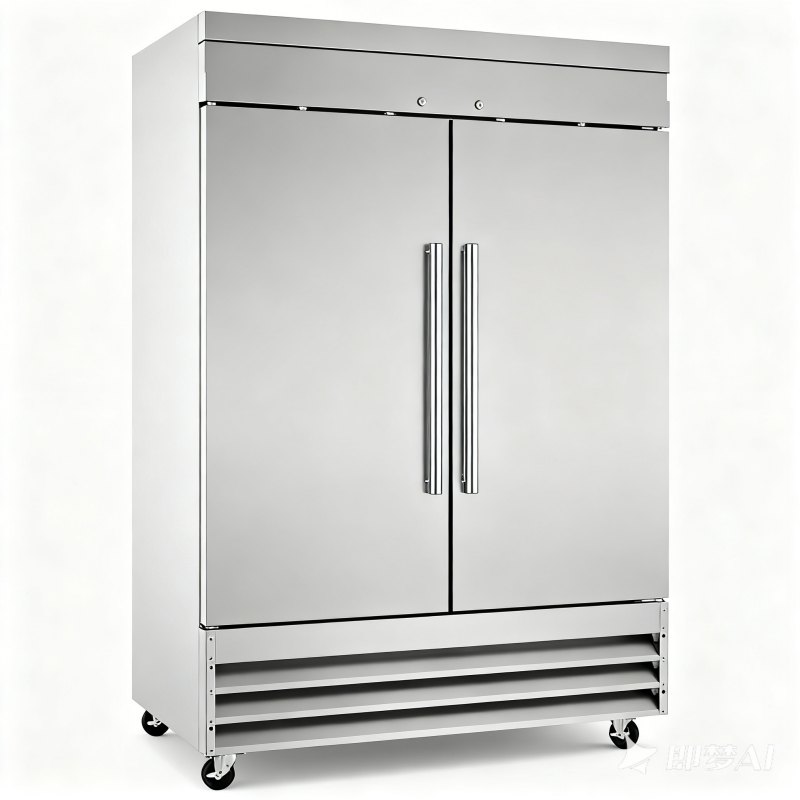
H4. Food safety and compliance needs
Food businesses face tighter standards than households when it comes to protecting ingredients and ready-to-serve products. Meeting food-safety requirements often means that managers monitor storage temperatures, maintain cleaning schedules, and rotate products. When equipment cannot keep conditions stable, the entire operation is at risk.
Commercial refrigeration systems have a practical edge here. They keep storage conditions steadier, make the contents easier to inspect, and reduce the work involved in sanitation. Requirements vary by country, region, and business type, so B2B buyers should confirm that the unit supports internal food safety management.
A sensible purchasing process begins with the products that need chilled or frozen storage. Buyers should then estimate the number of daily door openings and the amount of loading the unit will handle, while also considering the ambient temperature in the installation area. Cabinet type comes next, based on the workflow, followed by a review of energy consumption, cleaning access, and service support. The chosen model should meet food safety expectations before the purchase is finalized. Considering these factors reduces the risk of undersizing the equipment or choosing a unit that cannot handle the demands of actual use.
5. Energy use and lifetime cost
A household refrigerator may consume less energy, but that does not automatically mean lower costs in a commercial setting. In a hot kitchen, with the door opening constantly, it can run harder, recover more slowly, and wear out sooner. The lower purchase price may quickly be offset by spoiled food, repairs, downtime, and having to replace the unit early.
Commercial equipment costs more because it uses sturdier components and is designed to handle greater performance demands. For restaurants, cafés, and convenience stores, reliable refrigeration helps keep inventory safe. A single cabinet failure can cause problems well beyond the unit: service might be interrupted, expensive food could spoil, and customers may lose trust.
That is why a reasonable buyer should consider the full cost of ownership rather than focusing only on the initial price. Energy consumption matters, as do maintenance frequency and expected service life. The comparison should also account for the risk of food spoilage, the cost of downtime, and the availability of replacement parts.
Reliable refrigeration protects revenue by keeping the business operating—it does more than simply “store food.”
6. Choosing the right commercial solution
The right choice depends on how the space is used. In a prep kitchen, having reach-in access close to the cooking line may be the main concern. Supermarkets might need multiple display or storage units instead, whereas hotels and catering businesses may need greater back-of-house capacity for batch production.
For buyers who want a broad starting point, the Commercial Refrigerator category makes it possible to compare cabinet sizes, door styles, and storage layouts. Businesses working with large volumes of chilled ingredients may prefer a reach-in format for faster access. When frozen products need to be stored vertically and kept organized, an upright freezer may suit them better than chest-style equipment.
Before buying, decision-makers should ask themselves three practical questions:
- How frequently will staff open the cabinet during peak hours?
- How much product must the unit safely hold?
- Could the kitchen environment make it more difficult for the refrigerator to maintain its cooling performance?
The responses suggest that a household refrigerator is generally not capable of meeting the operation’s needs in a professional setting.
Conclusion
The key difference between domestic refrigerators and commercial refrigeration systems is not just size or price. It lies in what each is expected to do. Domestic models are built for the routines of a private household; commercial systems, by contrast, have to keep businesses running while meeting food-safety requirements and withstanding demanding daily use.
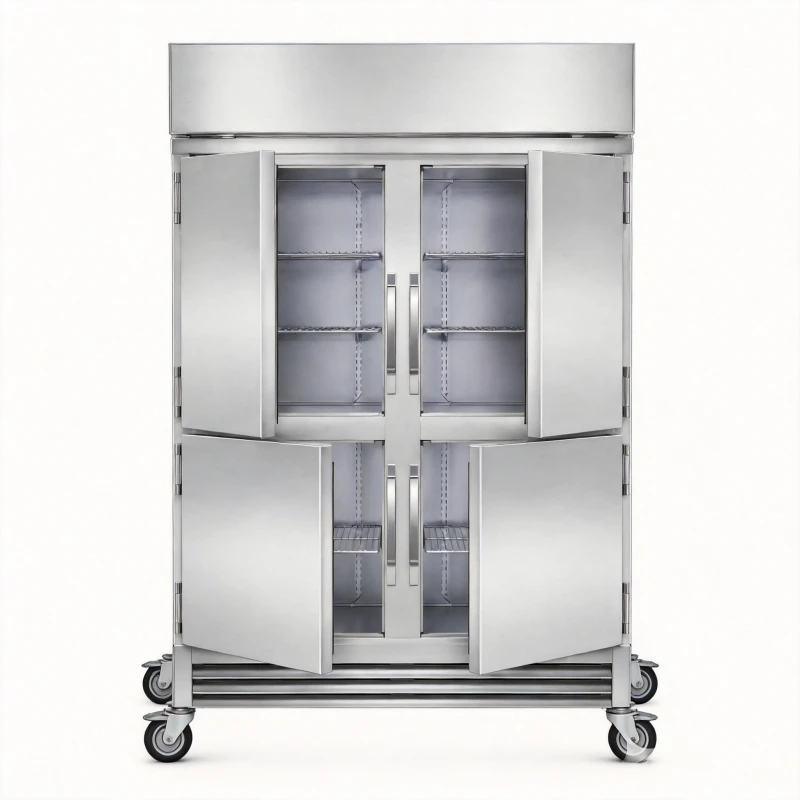
For B2B buyers, commercial equipment is ultimately an investment in stability. The right refrigerator or freezer protects inventory, reduces waste, keeps operations moving, and supports compliance. In a competitive food business, that reliability may matter more than the equipment’s initial price.
FAQ
Can a restaurant use a domestic refrigerator temporarily?
It may work briefly for storing non-critical items, but domestic models generally do not handle frequent door openings, strict sanitation requirements, or the temperature recovery foodservice operations need.
How should a business size a commercial refrigerator?
Begin by estimating peak inventory, delivery frequency, the size of the containers in storage, and how often the unit will be accessed. Choose a capacity that leaves room for airflow while accommodating future demand.
What matters most when comparing commercial refrigeration systems?
The purchase price is only part of the decision. Temperature stability and recovery speed matter, as do cabinet durability, ease of cleaning, energy use, and the service support available.