
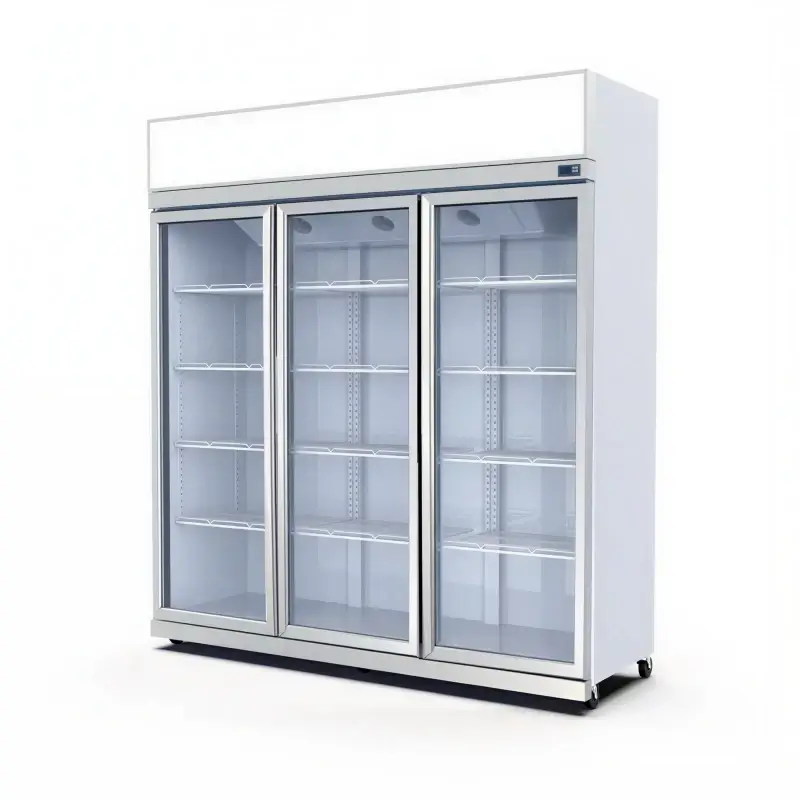
Understanding the Value of Early Detection in Commercial Refrigeration
A Commercial Refrigeration system seldom fails without showing signs beforehand. Performance usually deteriorates over time, threatening food safety, energy efficiency, and the stability of daily operations. For businesses that rely on this equipment, spotting those changes early can help prevent costly disruptions.
Industry observations point to recurring patterns in systems nearing failure. The equipment might be a Commercial Refrigerator, a Commercial Reach In Refrigerator, or a Commercial Upright Freezer; in all three cases, the warning signs are generally similar.
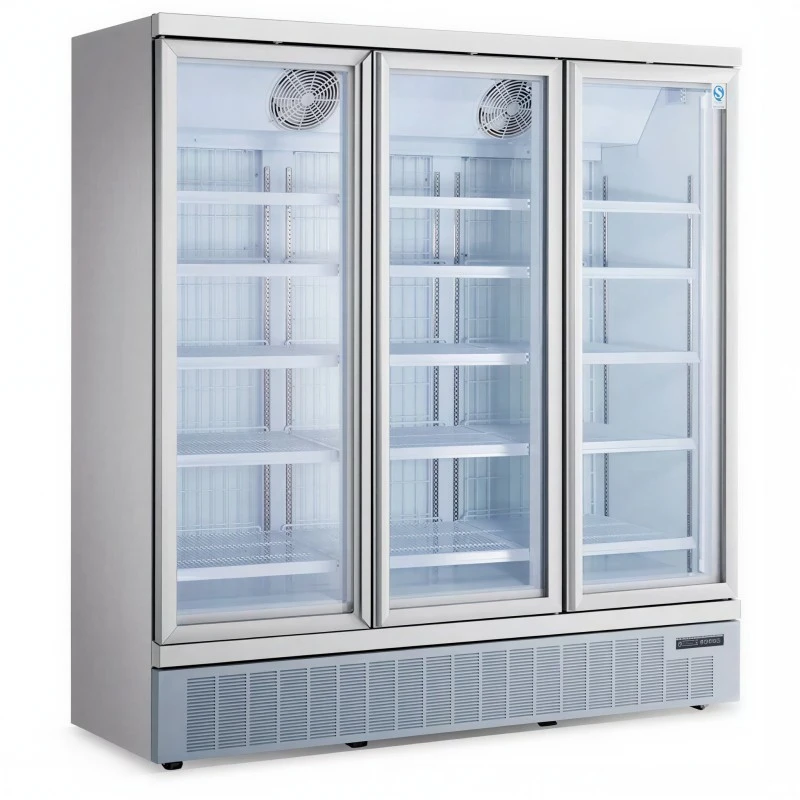
1. Temperature Fluctuations and Cooling Instability
Consistent cooling is the basis of any Commercial Refrigeration system. Once temperatures start fluctuating, the equipment may be operating outside safe or efficient limits.
Operators may notice a few warning signs:
- Products spoil before they should
- Internal temperatures fluctuate during the day
- The system takes longer to recover after the doors are opened
The problem is particularly common in high-traffic equipment, including a Commercial Reach In Refrigerator, where steady cooling during peak hours is critical. Often, replacing older Commercial Refrigeration equipment with modern systems results in tighter temperature control and a lower risk.
2. Increasing Energy Consumption
When electricity costs jump without any change in operations, the system may be losing efficiency. Older Commercial Refrigeration equipment, for example, may consume more energy while producing the same cooling output.
Common reasons include:
- Condenser coils blocked by dust
- Refrigerant loss
- Inefficient compressors
The comparison below shows how performance varies with the system’s condition:
| System Condition | Energy Use | Cooling Efficiency | Maintenance Need |
| Optimal Operation | Low | High | Minimal |
| Moderate Wear | Medium | Stable | Occasional |
| Failing System | High | Unstable | Frequent |
Modern units, including a Commercial Upright Freezer, are built to conserve energy without sacrificing consistent performance, so they can be a practical upgrade.
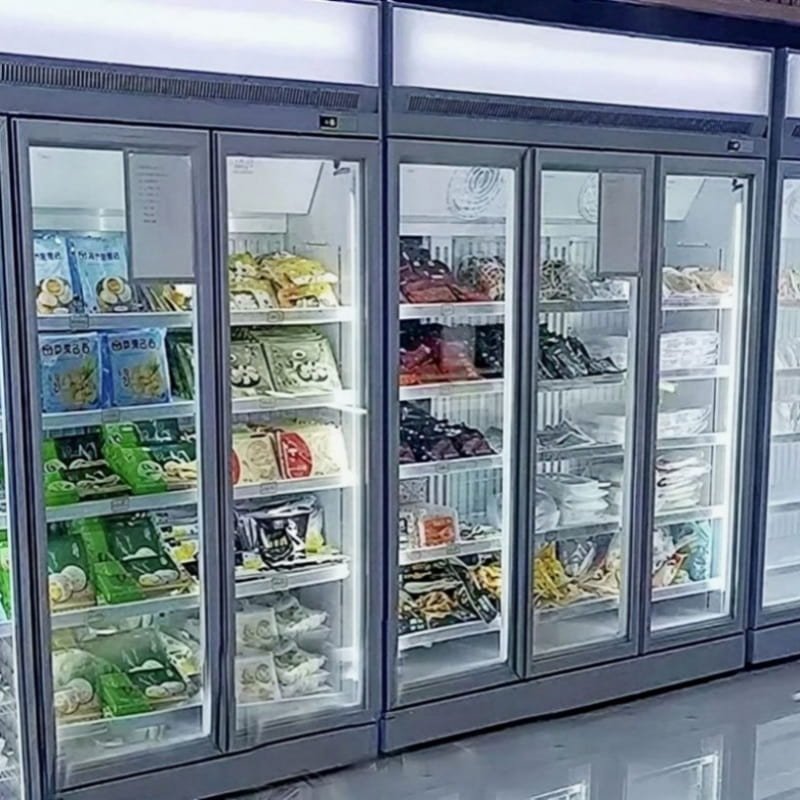
3. Unusual Noise or Mechanical Stress
Some noise is normal for Commercial Refrigeration units, but it should stay fairly consistent. If the sound becomes louder or noticeably changes, the cause may be internal wear or mechanical failure.
Typical warning sounds include:
- Grinding from the compressors
- Rattling caused by loose components
- Buzzing linked to electrical problems
Ignoring these sounds may result in a sudden breakdown. A Commercial Refrigeration system in proper working order should run smoothly, even with continuous use.
4. Frost Build-Up or Excess Moisture
Heavy frost or noticeable condensation may point to problems with airflow or sealing. Either issue can reduce efficiency and raise operational risks.
Common causes include:
- Damaged door seals
- Malfunctioning defrost systems
- Restricted internal airflow
Excessive frost inside a Commercial Upright Freezer reduces usable storage space and makes the system work harder. Businesses that depend on Commercial Refrigerator solutions should deal with moisture problems promptly to avoid lasting damage.
5. Frequent Repairs and Operational Downtime
A steady rise in service calls can indicate that the system is approaching the end of its lifecycle. Repairs at that point tend to cost more and cause greater disruption.
Key indicators include:
- Repairs needed several times a year
- Growing downtime that disrupts operations
- Difficulty finding replacement parts
If maintenance expenses keep rising, replacing the unit with an updated Commercial Refrigeration system may offer better long-term value.
Repair or Replace: Making the Right Decision
Deciding whether to repair or replace equipment calls for careful thought. Businesses should consider:
- The equipment’s age and level of use
- Repair costs compared with replacement costs
- Improvements in energy efficiency
A general guideline:
- Repair a relatively new unit if its problems are minor.
- Replace it when performance has declined significantly, or operating costs have risen.
- Upgrade when newer systems provide measurable efficiency gains.
Considering options such as Commercial Reach In Refrigerator models can help businesses select equipment suited to their operational needs.
Choosing the Right Equipment for Your Business
Every commercial setting has its own Commercial Refrigeration needs. The right equipment can keep daily operations running more smoothly and improve efficiency.
| Equipment Type | Best Use Case |
| Commercial Refrigerator | A practical choice for general-purpose storage |
| Commercial Reach-In Refrigerator | Well suited to fast-paced kitchens where ingredients must be retrieved quickly |
| Commercial Upright Freezer | A practical option for maximizing vertical frozen-storage capacity |
Investing in dependable Commercial Refrigeration solutions supports consistent performance and operational stability over the long term.
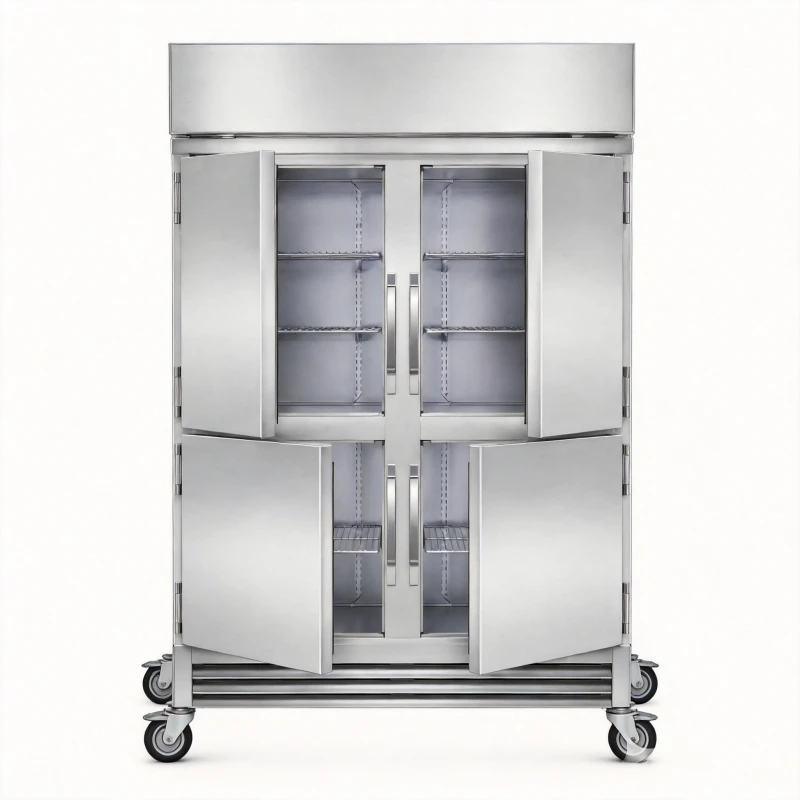
Conclusion
When a Commercial Refrigeration system starts to fail, the effects can extend beyond the equipment itself. Product quality may suffer, energy costs can rise, and the business may become less efficient overall.
Early warning signs include temperature fluctuations, increased energy use, unusual noises, moisture problems, and repeated repairs. Spotting these issues gives businesses time to respond. In many cases, replacing outdated equipment with modern systems improves performance, lowers costs, and makes Commercial Refrigeration more dependable.
FAQs
How can businesses spot refrigeration problems early?
Checking temperatures regularly, tracking energy use, and paying attention to unusual sounds can reveal issues before they become expensive failures.
Should aging refrigeration equipment be repaired or replaced?
If repair costs keep climbing or efficiency declines sharply, replacing the equipment often saves more over time and provides more reliable operation.
Which type of commercial refrigeration works best in high-volume kitchens?
A commercial reach-in refrigerator is well suited to high-volume kitchens, where quick access, rapid cooling recovery, and efficient organization matter during busy service periods.