
Why Visibility Can Sell More Than Words
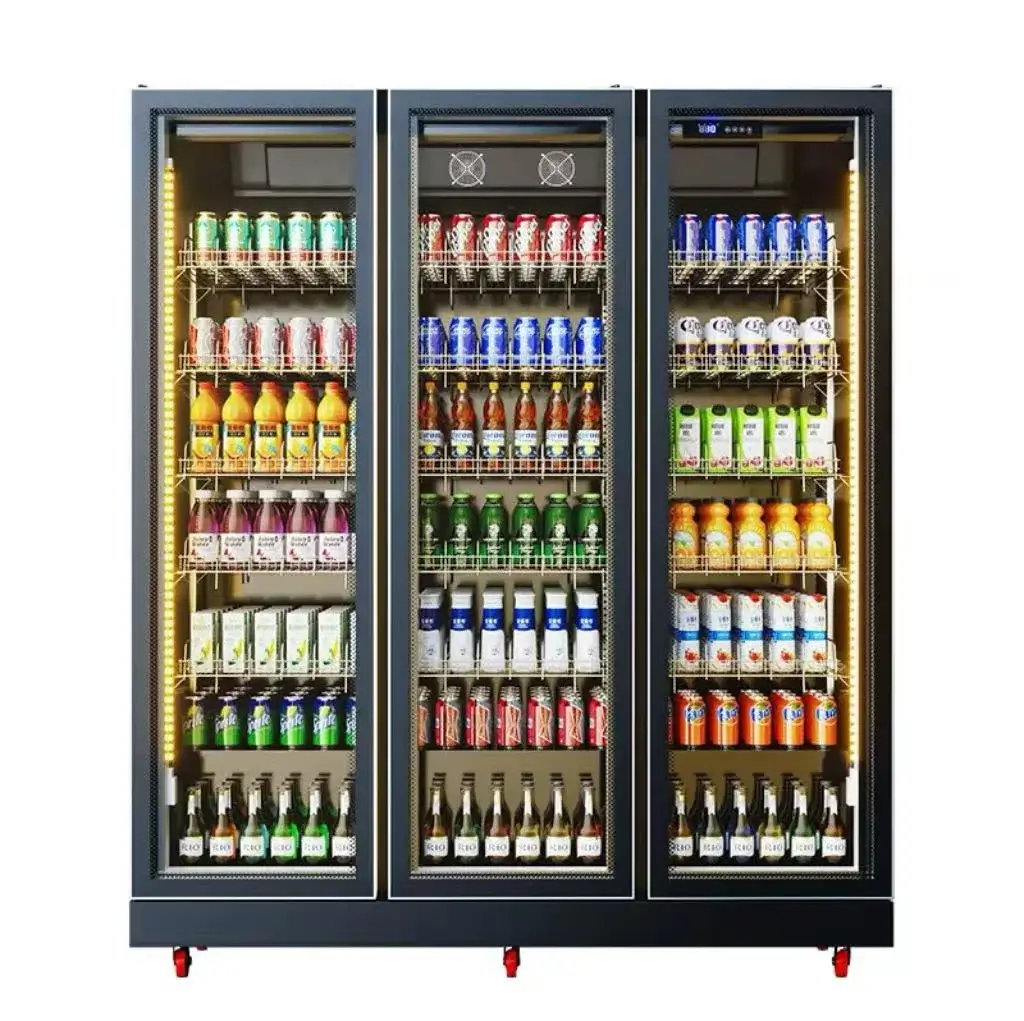
In retail, shoppers respond not only to what they are told but also to what catches their eye. With a commercial glass door refrigerator, cold storage doubles as a quiet salesperson. Products arranged on eye-level shelves act as a display, making quick purchases more likely. Store owners who have replaced solid-door units often report measurable increases in unit sales during the first quarter, especially for beverages and dairy products.
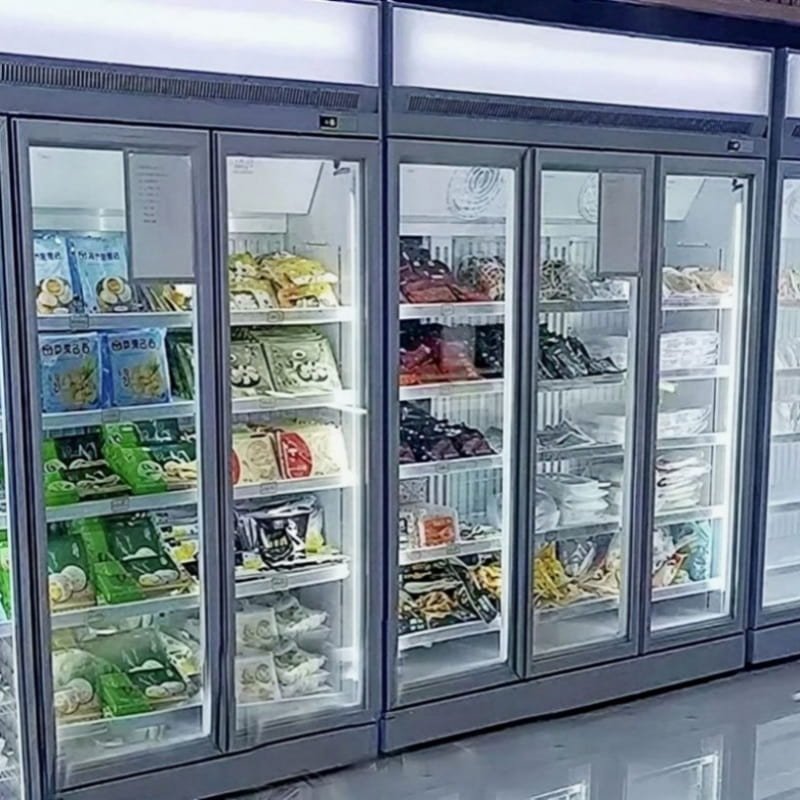
The logic is simple: shoppers often buy what they notice first. Once customers walk in, drinks, snacks, and grab-and-go items behind clear glass and bright LED lighting immediately draw the eye. Solid doors change that experience. Opening them and searching through the contents adds a small amount of friction—enough to quietly reduce sales.
The Benefits Retailers Notice Most
Glass door units improve visibility, but their value extends beyond that. Over time, they may also support everyday operations and marketing efforts.
1. More Impulse Purchases
Industry observations suggest that transparent merchandising can increase beverage sales by 20–35% compared with closed-door coolers. Placement matters, too: units near checkout counters or entrances generally achieve the highest conversion.
2. Reduced Energy Waste from Door Openings
Because customers can see the contents without opening the door, the compressor runs less frequently. Internal temperatures stay more stable, helping protect product quality.
3. Cleaner Brand Presentation
Through the glass, neatly arranged shelves make the store look professional. Suppliers often provide branded shelf strips and POP materials designed specifically for glass-door displays.
Comparing Refrigerator Types for Retail Use
The best equipment choice depends on the kind of retail operation. This table compares a glass door model with two alternatives.
| Feature | Commercial Glass Door Refrigerator | Solid Door Cooler | Open Display Case |
| Product Visibility | Excellent | Poor | Excellent |
| Energy Efficiency | High | Highest | Low |
| Impulse Sales Impact | Strong | Weak | Strong |
| Best Fit | C-stores, cafés | Back-of-house | Supermarkets |
| Maintenance | Moderate | Low | High |
Retailers that sell bottled drinks may get better results from a dedicated Beverage Refrigerator, whose shelf spacing and airflow are designed for cans and bottles. For busier locations, larger operators often opt for a Double Door Display Refrigerator, which offers twice the capacity without taking up twice the floor space.
Matching the Right Unit to the Right Store
The right setup depends on sales volume, the products being sold, and how the store is arranged.
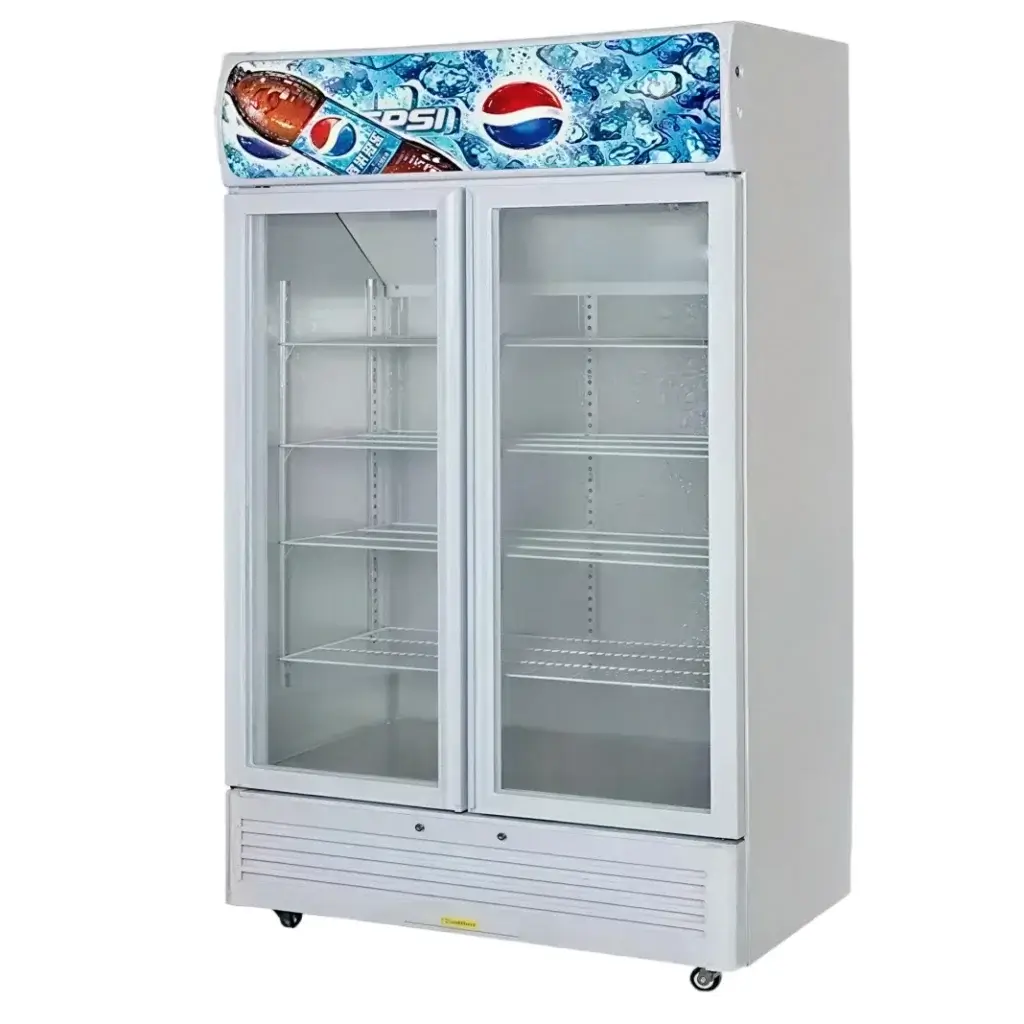
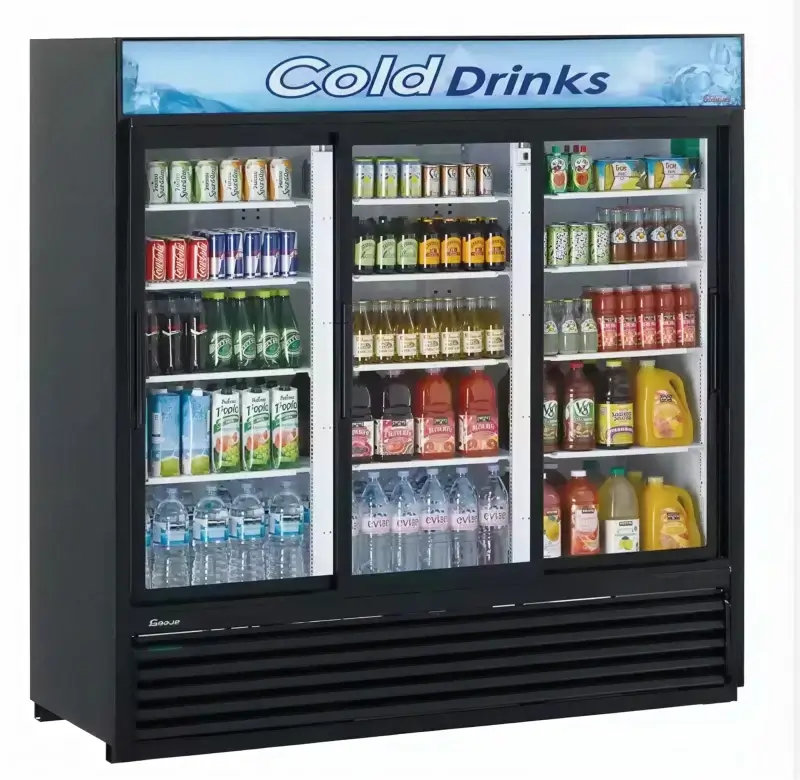
- For convenience stores, single- or double-door upright models typically fit well against a perimeter wall.
- Cafés and bakeries usually need compact countertop units or half-height glass models for displaying pastries and cold drinks.
- Supermarkets tend to rely on multi-door cabinets extending along full aisles, often positioned beside open cases for dairy.
- Restaurants may combine back-of-house Commercial Refrigerator storage with a smaller front-of-house display unit for wine or desserts.
Choosing the right combination keeps them from paying for capacity that goes unused—or, worse, running out of chilled inventory during peak hours.
Features That Separate Good Units from Great Ones
Glass-door coolers can differ significantly in performance. Before buying, retailers should look past appearance and examine several technical details.
- Compressor quality — As the unit’s heart, the compressor directly affects both longevity and energy cost.
- Glass insulation — Double- or triple-pane low-E glass helps prevent condensation and limits heat gain.
- LED lighting placement — Vertical strip lights make shelves easier to see than lighting installed only above.
- Shelf adjustability — Adjustable spacing accommodates products of different heights.
- Anti-fog technology is especially important in humid climates. When the glass fogs, the refrigerator’s entire purpose is compromised.
Bulk buyers, particularly those purchasing for chain locations, should also conduct careful due diligence.
Real-World Sales Impact
A convenience store operator in a mid-sized city swapped three solid-door coolers for commercial glass door refrigerator units. Over the following six months, revenue from cold beverages increased by 28%. There was no need for extra marketing spending—the products were just more visible. Similar results emerged in other regions, suggesting that the effect has less to do with location than with basic consumer psychology.
Seasonal promotions generally perform better when shoppers can see the products. A summer sports-drink campaign, for instance, generates more volume when the bottles face outward behind glass than when they sit behind solid branded doors, where customers have to open them without seeing what is inside.
Final Thoughts
Retail depends on tight margins, so equipment decisions matter throughout the day. A commercial glass door refrigerator does more than store products: it displays them clearly, protects them, and keeps working to convert passing shoppers into buyers. For retailers trying to raise revenue per square foot, better refrigeration is not simply another expense. In many cases, the investment pays for itself sooner than expected.
FAQs
How long does a commercial glass door refrigerator typically last with daily use in a retail setting?
Most units last 8–12 years in continuous retail service when equipped with quality compressors and maintained regularly. In more demanding environments, however, they may not last as long.
Are glass door refrigerators more expensive to operate than solid door models?
Usually, only slightly, because heat passes through the glass. The extra expense is often offset by fewer door openings and reduced shrinkage, so total operating costs remain close to those of solid-door models.
What size unit works best for a small convenience store?
Most small convenience stores are well served by a single- or double-door upright with 20–40 cubic feet of capacity. That leaves room for a range of products without consuming excessive floor space or energy.