
The Short Answer for Busy Operators
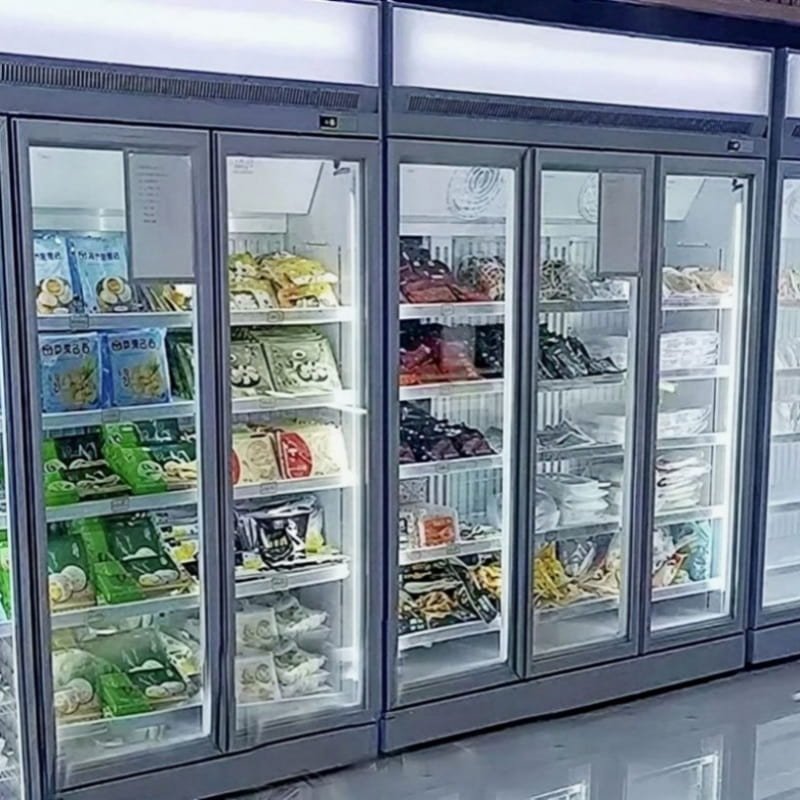
Yes, a well-engineered commercial refrigerator with a glass door can keep condensation and fogging at bay. How well it performs, though, comes down to three things: the glass itself, the condition of the door seal, and control of the surrounding humidity. Operators who choose units with anti-fog technology consistently report better product visibility, increased impulse sales, and fewer service calls.
After years of observing retail and hospitality settings, I’ve found that the gap between a hazy display and a crystal-clear one is often determined by engineering decisions made before purchase, rather than by maintenance later on.
Why Condensation Happens on Glass Doors
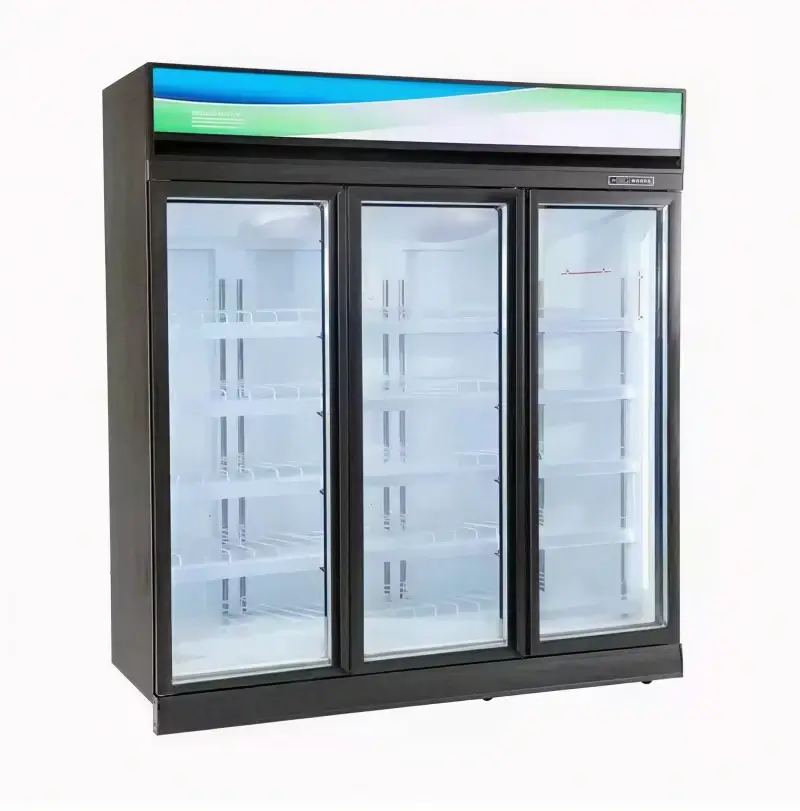
Condensation appears when warm, moisture-laden air from outside touches glass that is colder than the dew point. In busy places such as supermarkets, convenience stores, and bars, constant foot traffic, frequent door openings, and steamy kitchens can drive humidity up sharply. Without engineered countermeasures, a Commercial Glass Door Refrigerator will inevitably fog up.
The physics are straightforward. Solving the problem, however, now involves several technologies working together instead of one isolated fix.
Key Contributing Factors
- Ambient humidity above 55% RH
- Frequent door openings during peak hours
- Weak or aging door gaskets
- Single-pane glass without insulation
- Insufficient airflow near the inside of the door
Technologies That Prevent Fogging
Manufacturers use several established methods to keep glass surfaces clear. A high-quality commercial refrigerator with a glass door typically combines at least two of them.
| Technology | How It Works | Effectiveness |
|---|---|---|
| Double or Triple-Pane Glass | Insulating gas between panes raises exterior glass temperature | High |
| Low-E Coating | Reflects heat and reduces the temperature differential | High |
| Heated Glass (Anti-Sweat Heaters) | Keeps glass edges above the dew point | Very High |
| Argon Gas Fill | Improves thermal insulation between panes | Medium-High |
| Hydrophilic Coating | Disperses moisture into a thin, invisible film | Medium |
Heated door frames warrant particular attention. They use slightly more energy, but in high-humidity settings they almost eliminate condensation. For a closer look at how these systems fit into broader cooling infrastructure, the complete guide to commercial refrigeration equipment provides useful context.
Application-Specific Considerations
Different units call for different anti-fog features. Choosing technology based on the use case can save money and prevent headaches.
Beverage Displays
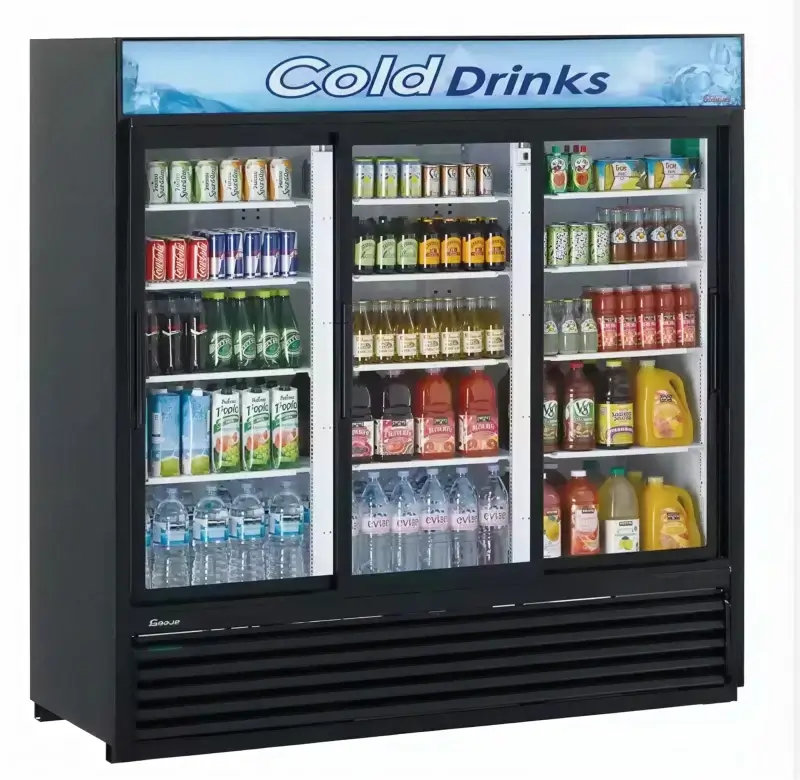
A Beverage Refrigerator positioned close to a store entrance is exposed to frequent temperature changes. Double-pane glass fitted with anti-sweat heaters is the better choice in that location. When operators cut costs on this feature, they often end up wiping the doors every hour during the summer.
Wine Storage
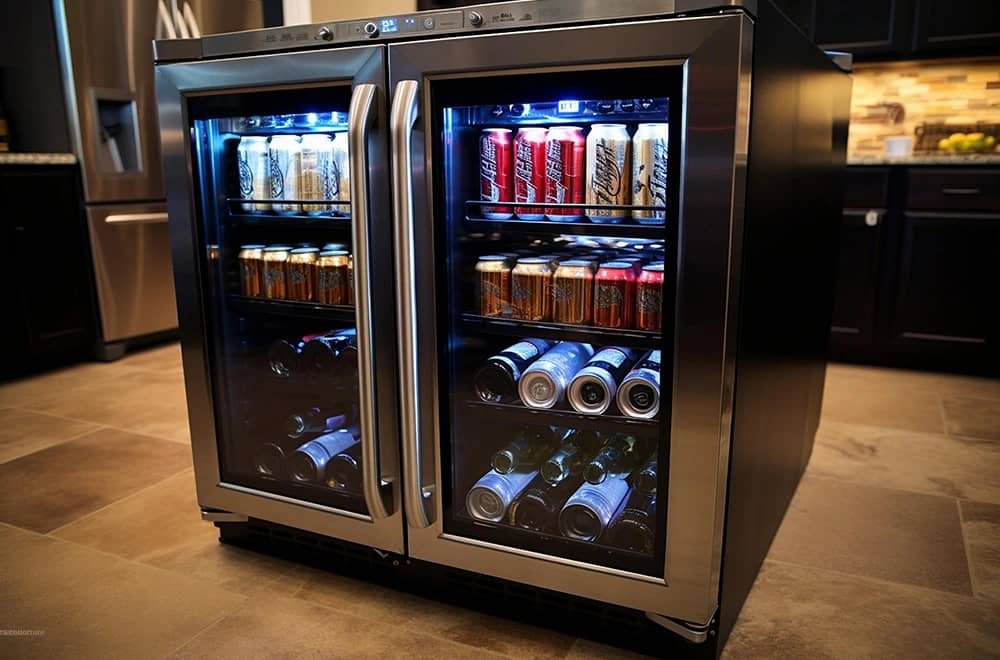
A Wine Cooler needs steady temperatures, but its appearance matters just as much: customers want the labels to remain visible. UV-protective, low-E glazing helps prevent fogging and protects wine quality. Because these units operate at lower temperatures, their condensation risk differs from that of beverage units.
Grocery and Convenience Retail
In these environments, reach-in models take on the greatest traffic. Visibility alone can justify the cost of triple-pane doors with perimeter heaters. If cooling is uneven as well as foggy, the source may be somewhere else. Reviewing the common causes of uneven cooling can help determine whether the problem is confined to the glass or affects the entire system.
What Operators Should Check Before Buying
Experience suggests that a few checks can distinguish reliable units from troublesome ones:
- Verify the glass specifications. Ask how many panes the unit has, what type of gas fills them, and which coatings are used.
- Inspect the gasket quality. A flexible magnetic seal can last for years longer than cheaper alternatives.
- Confirm the anti-sweat heater controls. Adjustable or humidity-sensing heaters help reduce wasted energy.
- Review the placement plans, too. The unit should not sit near fryers, dishwashers, or open doorways.
- Check the warranty terms—reputable manufacturers cover their glazing systems for at least 3-5 years.
Maintenance Practices That Preserve Clarity
Even a well-engineered unit can fog up when maintenance is neglected. A few straightforward habits can keep the glass clear for much longer:
- Clean the gaskets each week with mild soap
- Check the door alignment every month
- Replace worn seals right away; visible gaps shouldn’t be the signal to act
- Keep condenser coils clean so cooling loads remain appropriate
- Monitor ambient humidity, and consider dehumidification in areas where it causes problems
Staff training matters, too. Doors left open during restocking can undo hours of engineering work within minutes. Usually, a brief team meeting addresses the problem without requiring any investment in equipment.
The Energy Trade-Off
Anti-fog features do require extra energy, especially in systems that heat the glass. Modern units partly make up for that through LED lighting, ECM fan motors, and smart controllers, which switch on the heaters only when humidity sensors indicate they are needed. The overall energy increase is typically 3-8%, a reasonable trade-off for steady visibility and less product loss when customers cannot see what they are buying.
FAQ
Does a heated glass door significantly increase electricity costs?
Not by much. Modern humidity-sensing controls switch the heaters on only when necessary, so for most operators, the added consumption stays around 5%.
Can existing units be retrofitted with anti-fog technology?
Partial retrofits can be done. Options include new gaskets, coatings, and aftermarket heaters, though replacing the full glazing is rarely as cost-effective as buying a new unit.
How long do anti-sweat heaters typically last?
Under normal use, a quality anti-sweat heater usually lasts 8-12 years. When one fails, moisture entering the electrical components is generally to blame—not the heating element itself.