
Understanding Energy Efficiency in Commercial Reach-In Refrigerators
Energy is one of the biggest operating expenses for restaurants, hotels, and foodservice establishments. Commercial reach in refrigerators have evolved considerably; newer technologies reduce electricity consumption without sacrificing performance. In general, these units use 30-40% less power than older models, leading to substantial savings over their lifespan.
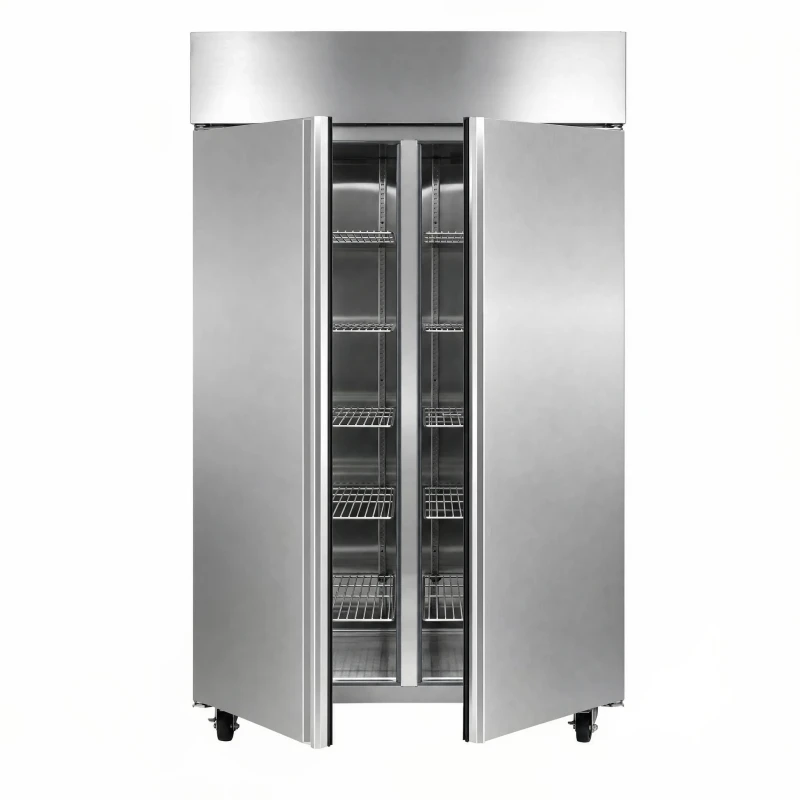
Many modern refrigerators are fitted with variable-speed compressors, allowing them to adjust cooling output to the demand at hand. Rather than running at full capacity all the time, the compressor changes speed. That reduces wear on its components and lowers energy consumption when the door is opened less frequently, or the refrigerator has a lighter load.
Key Energy-Saving Features
Advanced Insulation Technology
Cabinet construction directly influences thermal efficiency. High-density polyurethane foam, typically 2-3 inches thick, creates a strong barrier against heat transfer, helping maintain stable internal temperatures without frequent compressor cycling. Energy consumption is affected as a result.
LED Lighting Systems
Older fluorescent and incandescent bulbs release substantial heat, so refrigeration systems have to work harder. LEDs in modern units, on the other hand, produce negligible heat while using up to 75% less electricity. Some commercial refrigerators go a step further with motion-activated LED lighting: the lights switch on when the doors open, rather than wasting energy by staying on.
High-Efficiency Compressors
Compressor technology has advanced substantially in recent years. In ENERGY STAR-rated units, compressors designed for commercial use deliver higher coefficient of performance (COP) ratings, meaning they provide greater cooling capacity for every watt of electricity consumed.
Comparing Energy Consumption Across Refrigerator Types
| Refrigerator Type | Average Daily Energy Use (kWh) | Estimated Annual Cost |
| Standard Reach-In | 12-15 kWh | $525−$657 |
| ENERGY STAR Reach-In | 8-10 kWh | $350−$438 |
| Commercial Counter Refrigerator | 6–8 kWh | $263–$350 |
| Legacy Models (10+ years) | 18–22 kWh | $788–$963 |
Based on an average commercial electricity rate of $0.12 per kWh
The data indicates that replacing older refrigerators with efficient commercial reach-in refrigerator models delivers measurable returns. In a busy restaurant with several units, upgrading outdated equipment could save thousands of dollars annually.
Operational Practices That Maximize Savings
Equipment selection is only part of the energy equation. Daily operating habits can also have a substantial effect on consumption:
- Maintain proper door seals: Damaged gaskets allow cold air to escape, forcing compressors to run for longer cycles
- Avoid overcrowding shelves: Good air circulation keeps cooling even while using less energy
- Set defrost cycles at suitable intervals: Excess frost acts as insulation, making heat transfer less efficient
- Keep units away from heat sources: Ovens, grills, and direct sunlight increase the temperature difference refrigerators must overcome
- Clean the coils regularly: Dust buildup on condenser coils restricts heat dissipation and raises energy needs
Restaurant managers who combine these practices with modern commercial reach-in refrigerators typically see refrigeration-related energy costs drop by 15-25% during the first year.
Return on Investment Calculations
Energy-efficient commercial refrigerator units cost more initially, but in commercial settings, the extra expense is usually recovered fairly quickly. Consider a standard unit priced at $2,800 alongside an ENERGY STAR model priced at $3,400:
- Annual savings: ($657 − $438) = $219
- Price premium: $600
- Payback period: 2.7 years
Because high-quality commercial refrigerators generally operate reliably for 10-15 years, they can produce substantial net savings over their lifetime. Rebates offered by many utility companies for ENERGY STAR-certified equipment may shorten the payback period even further.
Smart Technology Integration
Newer commercial reach-in refrigerators increasingly come with digital controls and monitoring systems. Among their features:
- Precise temperature management: Digital thermostats maintain tighter temperature ranges, which helps prevent energy waste from overcooling
- Remote monitoring: Alert systems notify operators of temperature deviations early enough to prevent spoilage
- Usage analytics: Data on usage patterns helps guide staffing and stocking decisions
Smart technology turns refrigeration from passive storage into an actively managed part of kitchen operations. By making energy-use patterns easier to see, it helps operators direct improvements to the areas that need them most.
Environmental and Regulatory Considerations
Energy-efficient refrigeration does more than lower costs. When commercial systems consume less electricity, the emissions associated with their operation also decline. In many jurisdictions, new commercial refrigerators are required to meet minimum efficiency standards, making energy performance a compliance issue rather than merely an optional improvement.
Refrigeration technology continues to advance. Many current systems rely on hydrocarbons or hydrofluoroolefin (HFO) refrigerants, whose global warming potential is lower than that of older hydrofluorocarbons (HFCs). They are less harmful to the environment, and they often run more efficiently as well, reducing total energy consumption.
Selecting the Right Unit for Your Operation
When evaluating the energy efficiency of commercial reach-in refrigerators, pay close attention to a few specifications:
- ENERGY STAR certification: This indicates that the unit meets the EPA’s strict efficiency standards
- Compressor type: Variable-speed and digital scroll compressors typically perform better than fixed-speed models
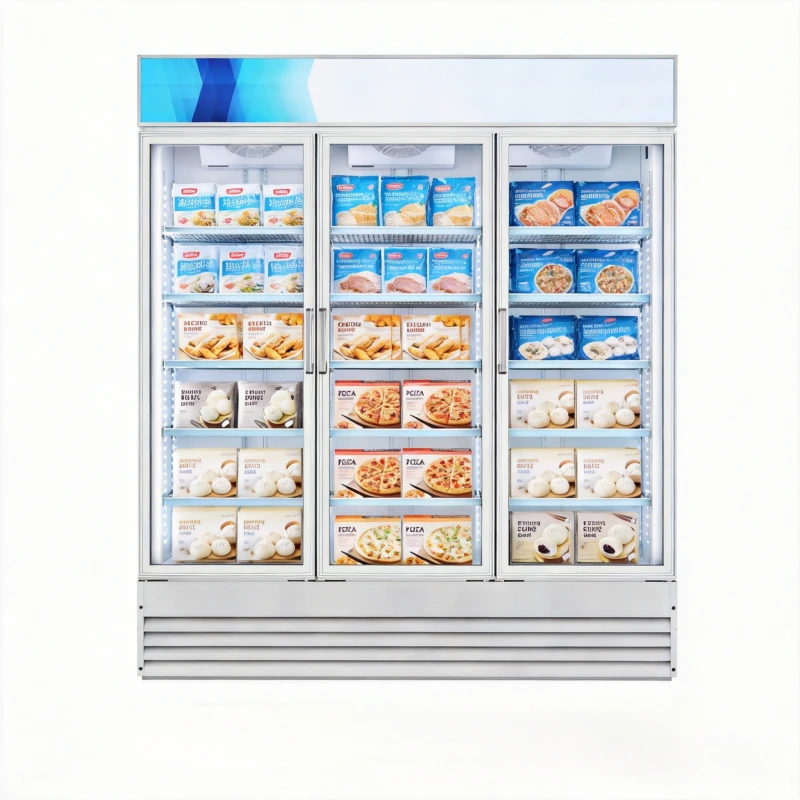
- Door configuration: Solid doors retain cold more effectively than glass doors, although glass doors are better suited to merchandising
- Cabinet size: Choose a capacity suited to actual needs; oversized units use energy to cool unused space
Ultimately, choosing the right commercial counter refrigerator or reach-in model comes down to the operation’s needs, the space available, and how the equipment will be used. Refrigeration specialists can help identify the best fit for a specific application.
Maintenance Impact on Long-Term Efficiency
Even highly efficient commercial refrigerators perform less effectively when maintenance is overlooked. Setting up a preventive maintenance schedule helps maintain energy efficiency throughout the equipment’s service life. Key tasks include:
- Quarterly condenser coil cleaning
- Semi-annual door gasket inspection, with replacement as needed
- Annual refrigerant charge verification
- Regular temperature calibration checks
When maintenance is neglected, efficiency tends to fall over time, and the resulting losses may wipe out the energy savings that justified the initial investment. For many operators, scheduled service contracts make financial sense: they keep performance steady and reduce the risk of emergency breakdowns during busy periods.
Frequently Asked Questions
How much can energy-efficient commercial refrigerators reduce electricity bills?
ENERGY STAR-certified units typically reduce refrigeration energy costs by 30-40%. Depending on usage patterns and local utility rates, that can mean annual savings of $200−$500 per unit.
Which features matter most when buying a commercial refrigerator for energy savings?
Look first for ENERGY STAR certification, LED lighting, high-efficiency compressors, and thick insulation. Variable-speed compressors and digital controls may deliver further savings in high-usage environments.
Do commercial counter refrigerators use less energy than reach-in models?
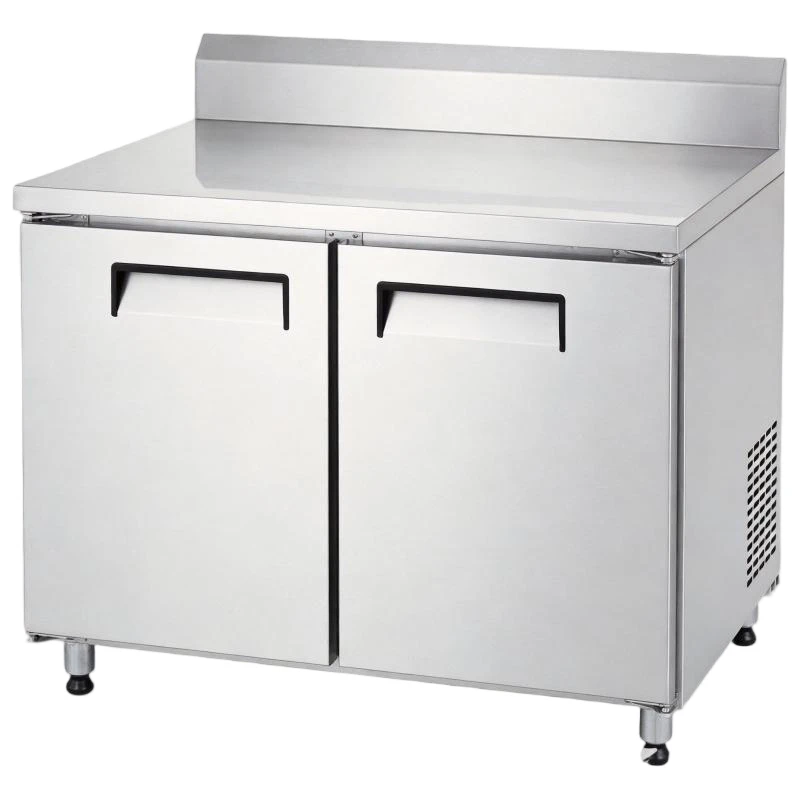
Generally, yes. Commercial counter refrigerators usually have less interior space to cool, and their lower design helps keep cold air in when the doors are opened. That means they use 20-30% less energy.