
Choosing Between Glass and Solid Doors: A Quick Answer
Choosing between a commercial refrigerator with a glass door and one with a solid door starts with a simple question: is the unit meant to display products for sale, or just store them? In a retail setting, visibility is generally an advantage. For back-of-house kitchens, though, the added insulation of a solid door is often more useful. Energy consumption, price, and maintenance are the other considerations, and they largely stem from that main distinction.
After years of watching operators make this choice, I’ve found that the worst regrets usually follow decisions made for appearance rather than for how the space functions. A glass unit hidden in a prep kitchen is wasted money. Put a solid door along the beverage aisle, and sales suffer.
Core Functional Differences
Both door styles keep their contents cold, but their engineering priorities are quite different.
Visibility and Merchandising
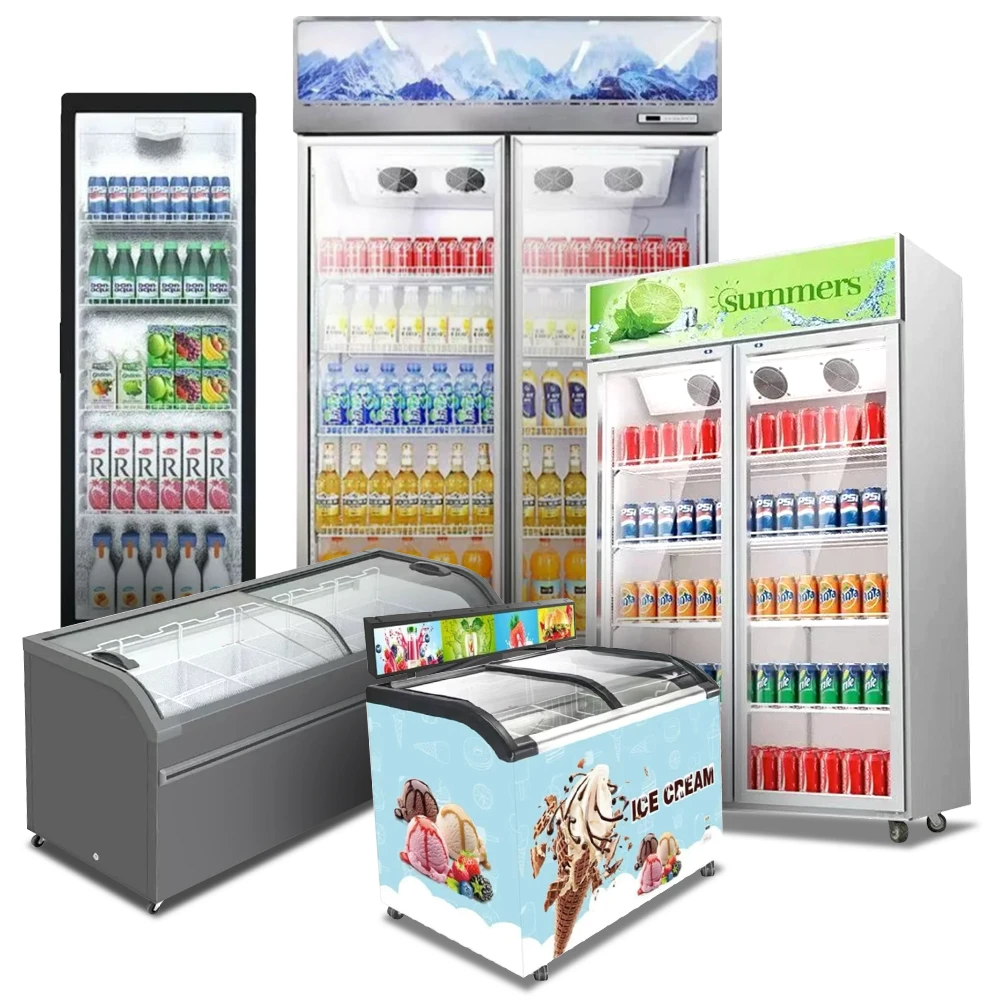
Glass doors turn refrigeration into a quiet salesperson. Because the products stay visible, customers can choose what they want without opening the unit, which speeds up purchases and reduces cold-air loss during browsing. That is why Commercial Glass Door Refrigerators are widely used in convenience stores, cafés, and beverage retailers.
Solid doors block visibility, but that limitation can be helpful in storage-oriented operations where staff already know exactly what is inside.
Insulation and Energy Performance
Solid doors insulate far better. A standard foam-core solid door provides roughly 2–3 times the thermal resistance of double- or triple-pane glass, leading to shorter compressor duty cycles and lower electricity bills over the equipment’s lifespan.
Side-by-Side Comparison
When making purchasing decisions, B2B buyers most often focus on the practical differences below.
| Feature | Glass Door | Solid Door |
| Product Visibility | Excellent | None |
| Energy Consumption | Higher (10–25% more) | Lower |
| Insulation R-Value | R-3 to R-5 | R-8 to R-12 |
| Ideal Environment | Retail front-of-house | Kitchen back-of-house |
| Typical Lifespan | 8–12 years | 10–15 years |
| Cleaning Frequency | Daily (smudges) | Weekly |
| Upfront Cost | Moderate to high | Lower to moderate |
| Marketing Value | High | Minimal |
Manufacturers report different figures, but this general pattern holds across the industry.
Where Each Type Truly Shines
Selecting a door suited to its setting can help prevent operational issues and unnecessary expense.
Best Uses for Glass Doors
Convenience stores offering beverages and grab-and-go items
Bakery and dessert display cases
Hotel lobby refreshment stations
Supermarket beverage aisles
Coffee shop grab-and-go coolers
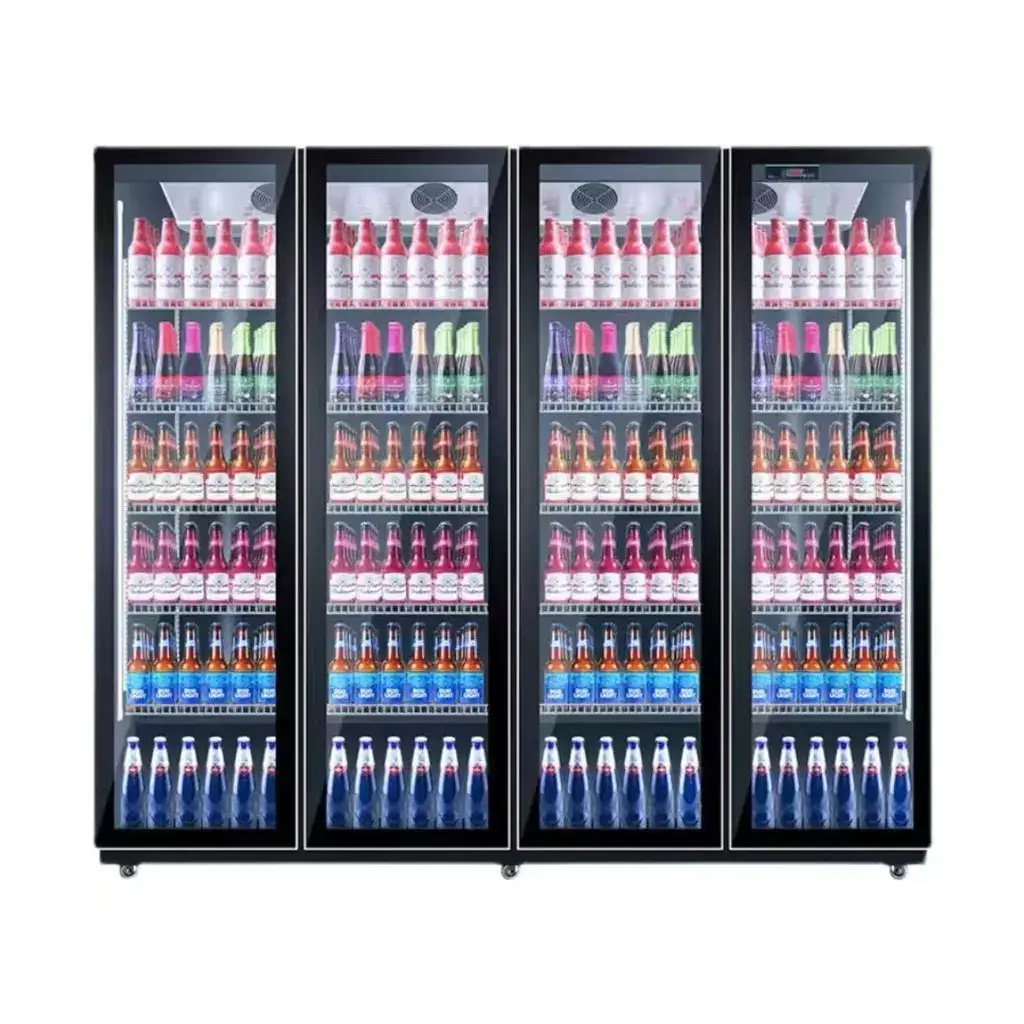
A double-door display refrigerator with broad glass panels fits busy retail settings particularly well. The wider viewing angle can draw attention to more impulse purchases during each customer visit.
Best Uses for Solid Doors
Restaurant prep kitchens
Catering staging areas
Bulk ingredient storage rooms
Hospital and institutional kitchens
Overnight inventory holding
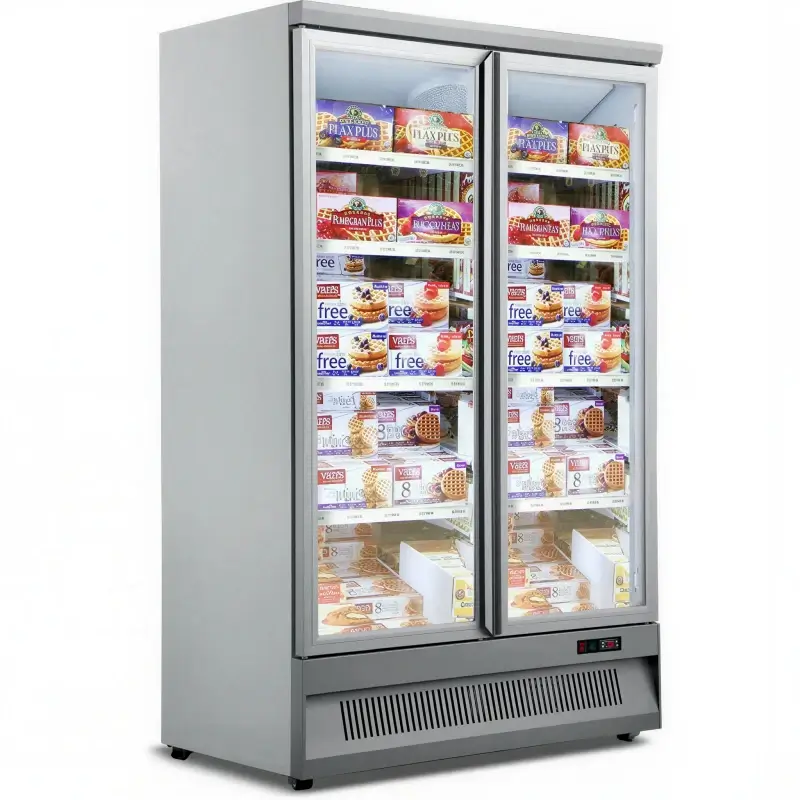
A Commercial Reach In Refrigerator with solid doors typically anchors back-of-house operations, where insulation, durability, and consistent temperatures take precedence over product visibility.
Cost Considerations Beyond the Sticker Price
The purchase price accounts for only part of the expense. Savvy operators consider the equipment’s total cost of ownership throughout its full service life.
Hidden Cost Factors
Energy bills – glass units consume noticeably more electricity over the course of the year
Door-heater elements – because glass doors need anti-condensation heaters, they increase the overall load
Cleaning labor – daily wiping is required to keep the glass looking appealing in the store
Gasket replacement is tied to how frequently the door is used
Interior LEDs improve product visibility through the glass, but they also increase the unit’s wattage and lighting costs
Solid-door units avoid most of those ongoing expenses, which often results in a lower total cost of ownership. They offer no merchandising benefit, though.
When Higher Energy Cost Makes Sense
Higher energy consumption is easier to justify when the greater visibility translates into measurable sales growth. Beverage suppliers consistently see 15–30% higher unit velocity from branded glass coolers than from identical products stored behind solid doors. That added revenue more than offsets the extra electricity expense.
Maintenance and Longevity Differences
Both door types can remain in service for well over a decade when they receive proper care, but the work involved differs.
Glass Door Maintenance Priorities
Clean the inside and outside glass surfaces daily
During humid months, inspect the door-heater operation
Check hinge alignment every quarter to help prevent seal degradation
Monitor LED-strip performance so merchandising remains consistent
Solid Door Maintenance Priorities
Inspect gasket compression monthly
Verify that the auto-close mechanisms function properly
Remove debris from door edges
Look for signs of moisture intrusion in the insulation panels
Operators managing mixed fleets often find that glass units demand more obvious upkeep. Solid units are different: they may deteriorate without drawing attention when maintenance is overlooked. Each type therefore needs a distinct maintenance approach.
Making the Final Decision
The right choice depends on where the unit will be placed and what it is meant to do. A simple guideline is to choose glass if customers will handle the equipment. If staff alone will use it, solid construction is generally the better option.
Some operations need both types. In a well-planned kitchen, a solid-door Commercial Refrigerator can store bulk quantities, while a glass-front unit near the pass keeps plated dishes or drinks in view during service. Together, the two improve efficiency in one part of the kitchen and visibility in another.
Ultimately, choosing between a commercial refrigerator with a glass door and one with a solid door is not really a matter of one being objectively better. It depends on what the setting requires.
FAQs
Do glass door refrigerators really use more energy?
Yes. Their energy use is typically 10–25% higher, largely because they provide less insulation and require anti-condensation heaters in the doors. Modern models, though, have narrowed that difference.
Can glass doors handle demanding back-of-house use?
Yes, though frequent staff traffic can scratch the surfaces and place added stress on the hinges. In harsh kitchen settings, solid doors typically last better over time.
Which option offers the stronger return on investment?
For retail, glass often comes out ahead because it can encourage faster sales. In kitchens, solid surfaces are usually the better choice, since they keep energy and maintenance costs lower over time.