
Why Custom Branding Matters in Cold Retail
How Branding Transforms Refrigeration into a Sales Tool
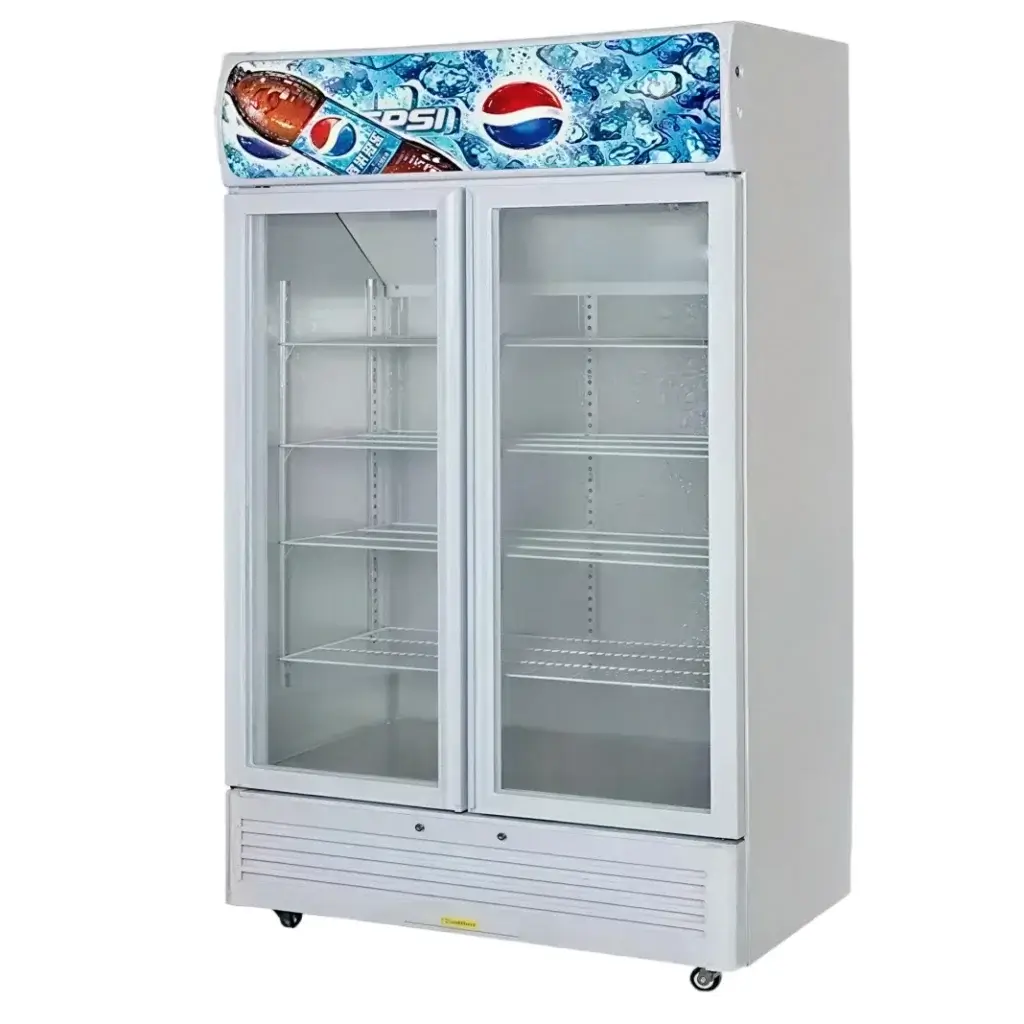
Refrigeration now does more than keep products fresh. Beverage suppliers, convenience chains, and hospitality groups also use their coolers as branded points of contact, turning them into quiet sales tools. With prominent branding, a commercial glass door refrigerator can draw a shopper’s eye within the first three seconds of entering an aisle—a short window that often decides whether an impulse purchase happens.
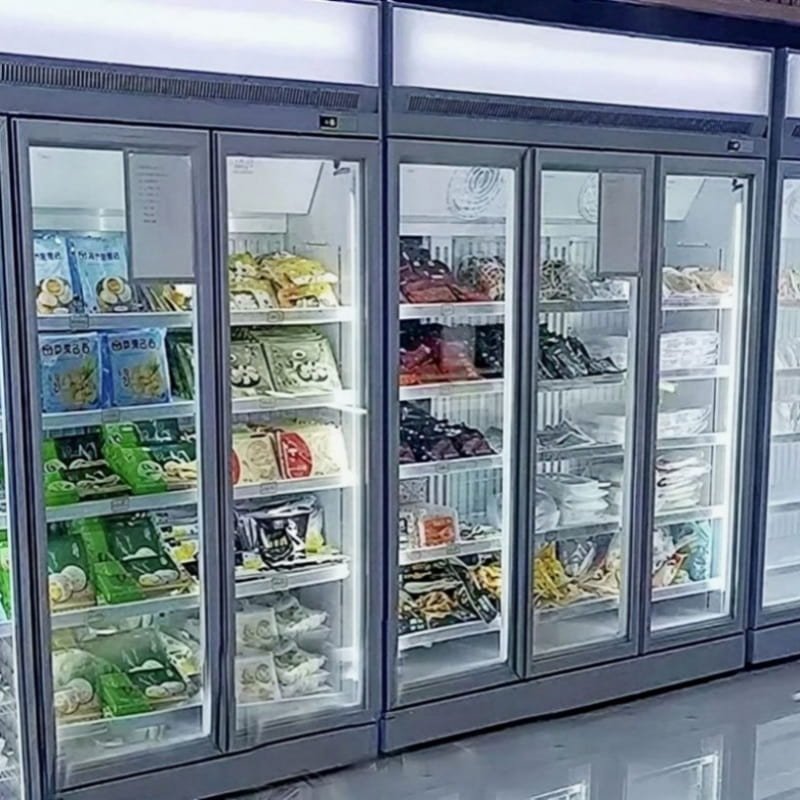
Buyers who invest in branded cooling units tend to report a stronger shelf presence than those using generic equipment. The explanation is fairly straightforward: a consistent visual identity builds trust and can encourage repeat purchases.
Key Branding Benefits
- Better brand recall at the point of sale
- A clearer sign of partnership for retailers
- More distinctive positioning within the product category
- Broader marketing reach without recurring advertising costs
Common Branding Techniques for Refrigeration Units
Manufacturers provide several ways to customize a unit, with the best choice shaped by budget, order volume, and target market. The table compares the branding methods B2B clients request most often.
| Branding Method | Typical Use Case | Durability | MOQ Range |
| Silkscreen Printing | Logo on glass door | 3–5 years | 50+ units |
| Full Vinyl Wrap | Full-body brand imagery | 2–4 years | 20+ units |
| LED Light Box Header | Illuminated logo panel | 5+ years | 30+ units |
| Custom PVC Molding | Colored side panels | 7+ years | 100+ units |
| Laser-Etched Handles | Premium finish detail | Permanent | 50+ units |
Durability vs. Flexibility: Choosing the Right Branding Method
Every method involves trade-offs. Beverage giants often favor silkscreen because it can withstand daily cleaning. Vinyl wraps, on the other hand, are better suited to seasonal campaigns, where flexibility matters more than longevity.
Choosing the Right Approach
Procurement teams can narrow their options by weighing a few practical considerations:
- Begin with the deployment environment—an indoor supermarket, an outdoor kiosk, or a hospitality setting.
- Compare each unit’s expected lifespan with the timing of the planned branding refresh.
- Equipment price alone should not dictate the degree of customization. The decision should fit within the marketing budget.
- Before moving forward, verify that the materials meet regulatory requirements in the target region.
For short-term promotions, premium finishes seldom justify the extra cost. At flagship locations, though, cutting expenses too sharply may harm brand equity.
Product Categories That Benefit Most
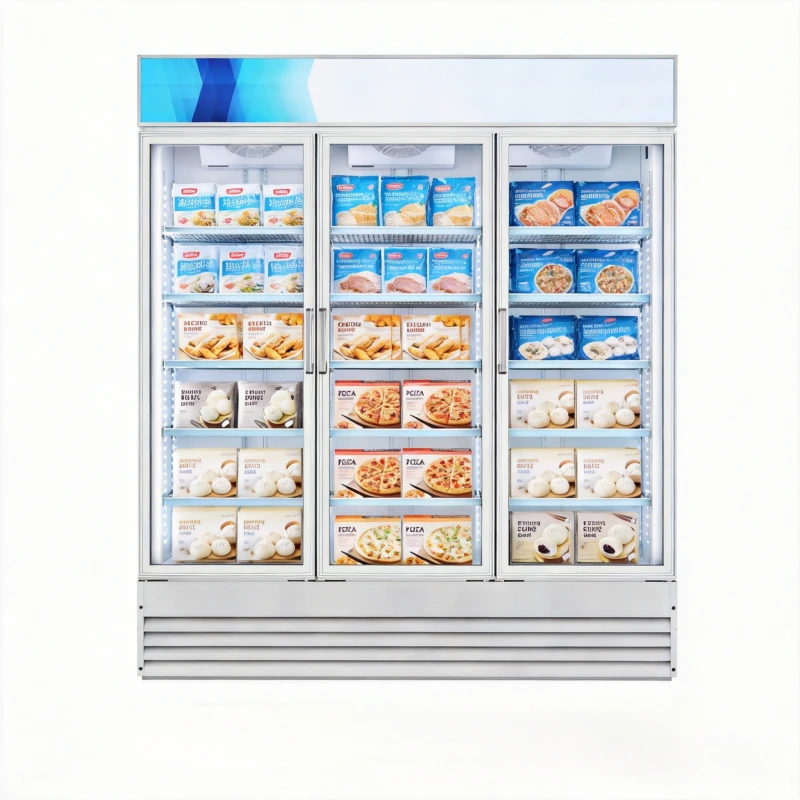
Branding does not affect every unit in the same way. Within the broader Commercial Refrigerator category, some formats produce better returns, largely because shoppers see them more often and pass by them with greater frequency.
Best-Performing Refrigerator Formats for Branding
Convenience stores typically rely on upright coolers with one door. Supermarkets and shops focused on beverages tend to go with Double Door Display Refrigerators instead. Their broader glass fronts provide extra space for bold logos, product photography, and promotions—almost another billboard.
Best-Performing Formats for Branding
- Two-door upright coolers – a good choice for beverage suppliers aiming to dominate the category
- Countertop merchandisers – work well for premium impulse items placed near the checkout
- Multi-deck open displays—especially effective for dairy products and grab-and-go concepts
- Curved-glass showcases—often a good fit for bakeries and specialty foods
Beverage distributors have found over the years that branded commercial glass door refrigerators placed in high-traffic areas attract more attention and protect margins better than standard shelf displays.
Practical Considerations Before Placing an Order
Custom branding can seem simple at first, but buyers doing it for the first time often run into operational issues. Before approving tooling fees, experienced procurement managers typically examine several practical details.
Technical and Logistical Checkpoints
- Confirm that the artwork meets the manufacturer’s resolution requirements. For vector files, this is generally 300 DPI.
- Request physical color proofs rather than relying solely on digital renders; otherwise, Pantone mismatches may go unnoticed.
- Confirm whether the branded surfaces will carry energy labels or safety certifications.
- During freight, protect the printed glass against scratches, taking extra care with ocean shipments.
- Align production schedules with the retail launch calendars and include a 15–20% buffer.
Skipping any of these steps may result in expensive reprints or delayed rollouts, cutting into the ROI the branding is intended to deliver.
Sustainability Angle
Retailers are asking more often for materials that leave a smaller environmental footprint. You can see that change in formal tender specifications: water-based inks, recyclable vinyl films, and low-emission LED backlighting are now common requirements. Suppliers that ignore them risk losing bids to competitors with greener alternatives.
Building Long-Term Brand Equity Through Refrigeration
The most successful food and beverage brands view refrigeration equipment as a long-term investment, not as something to swap out on a whim. Across thousands of retail locations, consistent branding on commercial glass door refrigerators builds a cumulative impression. Given enough time, that visibility can rival paid media campaigns while costing much less to maintain.
Field data from beverage rollouts indicates that branded units, when properly maintained, can affect purchase decisions for 4–7 years. During that time, the initial capital expense keeps functioning as a marketing asset and accumulates value.
FAQs
What lead time is typical for custom-branded units?
Most standard orders take 30–45 days to produce. Artwork approval generally adds another 5–10 days. If the design involves complex LED integrations, production may take an extra two weeks.
Can existing refrigerators be rebranded later?
Yes, you can rebrand a commercial glass door refrigerator without replacing the whole unit. Most of the time, a vinyl wrap or a new header panel is all that’s needed. Silkscreen printing is another matter; it generally has to be removed by a professional first.
What minimum order quantity should B2B buyers expect?
Most manufacturers require an MOQ of 20 to 100 units, although the exact number depends on how complex the branding is. For simpler decal work, smaller quantities may be available, making it a practical option for pilot programs.