
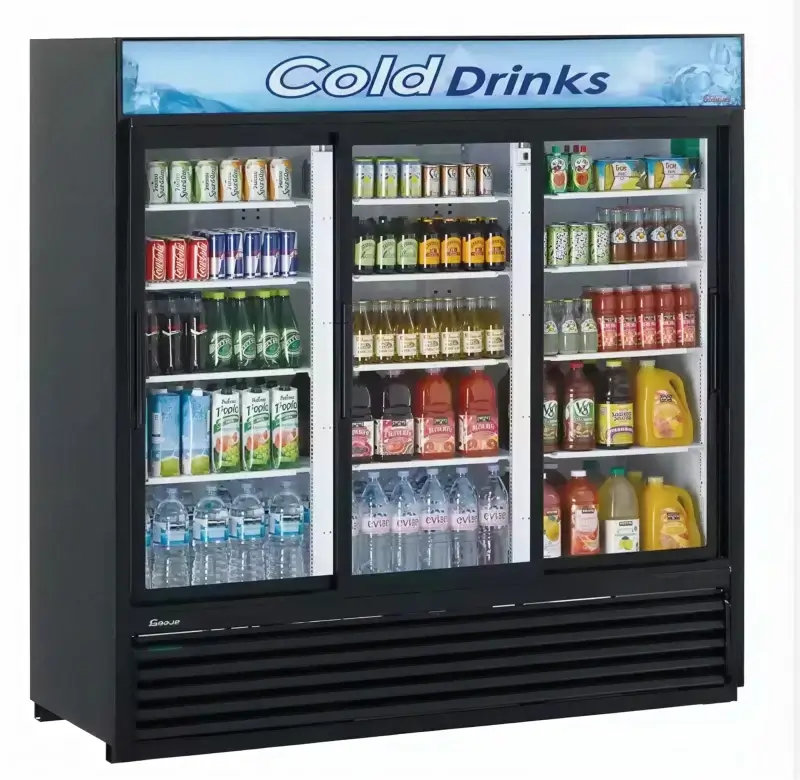
In a small shop, offering enough variety without crowding the path customers use is a constant balancing act. The right commercial refrigerated display can ease that pressure by turning vertical and under-counter areas into productive sales space. For convenience stores, cafés, delis, and specialty shops operating under 1,000 square feet, equipment selection can shape whether the store feels carefully curated or merely cramped
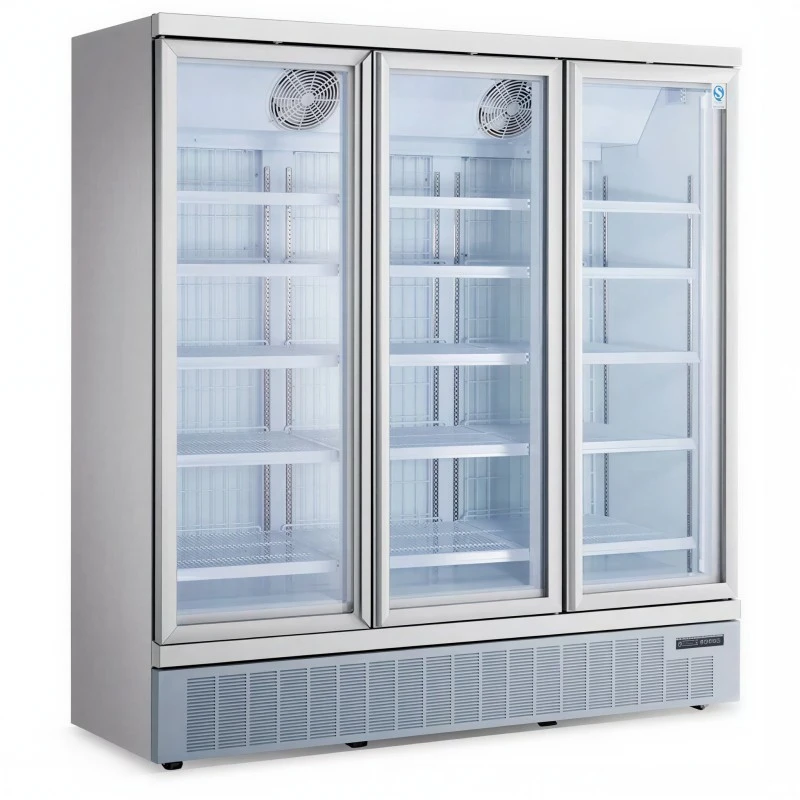
Why Compact Refrigeration Deserves Strategic Thinking
Treating refrigeration as something to figure out later can result in mismatched units, wasted space, and an awkward flow for customers. With careful planning, the space can generate measurably higher revenue per square foot. The right commercial refrigerated display does three jobs at once:
- Place merchandise at eye level so customers are more likely to make impulse purchases
- Keep product quality consistent through long operating hours
- Work within tight footprints without disrupting the workflow
After years of seeing small retailers succeed or struggle, one lesson has become clear: dimensions matter, but the purpose behind the merchandising matters more.
Matching Display Types to Space Constraints
Not every cooler suits every layout. In small-format stores, the following breakdown reflects what generally works in practice.
Single-Door Vertical Units
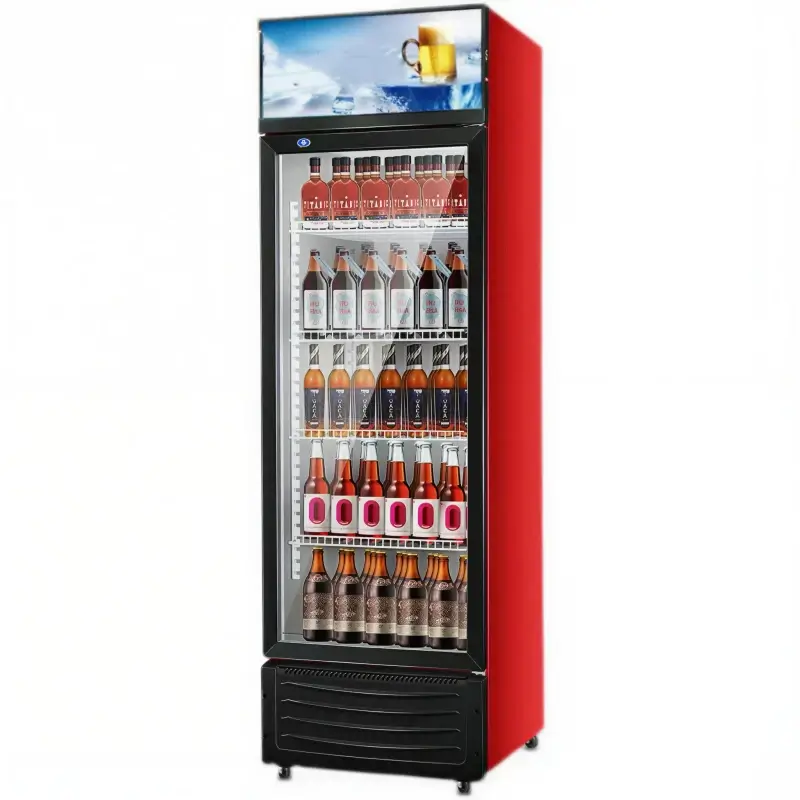
A Single Door Display Refrigerator remains a workhorse for narrow storefronts. Usually about 24 to 30 inches wide, it can sit against a wall or slip between shelving without blocking sightlines. Beverage shops and grab-and-go corners often choose it because the full-height display keeps products visible while taking up little floor space.
Counter-Height Merchandisers
A Commercial Counter Refrigerator is particularly handy when customers order at a bar or checkout. Chilled drinks, pastries, and prepared salads stay at waist height, making the counter part of the selling space. Bakeries and specialty coffee shops often place warm displays above these units, creating a complete grab-and-go station.
Under-Counter Solutions
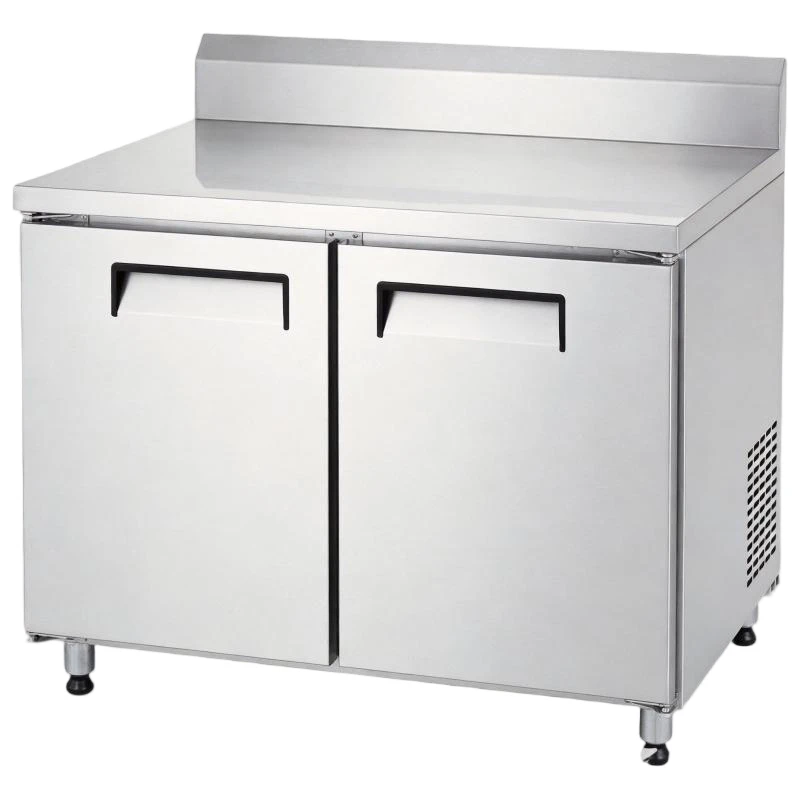
Kitchens and back-bar areas can make good use of a Commercial Undercounter Refrigerator, with chilled storage tucked beneath the prep surface. Since it is not designed for customer-facing display, it leaves the front of the house available for merchandisers that directly support sales.
Comparing Space-Efficient Refrigeration Options
For small-format operators weighing compact refrigeration formats, the main considerations are summarized below.
| Unit Type | Typical Width | Best Use Case | Customer Visibility |
| Single Door Display Refrigerator | 24–30 in | Beverages, dairy, grab-and-go | High |
| Commercial Counter Refrigerator | 36–60 in | Deli items, pastries, sandwiches | Medium-High |
| Commercial Undercounter Refrigerator | 27–48 in | Back-of-house prep storage | None (staff only) |
| Double Door Display | 48–54 in | High-volume beverage sales | High |
With a bit more floor space available, a retailer might move to a larger merchandiser once customer traffic can support it. As the beverage program grows, the Double Door Display Refrigerator is often the logical next step.
Planning the Layout Around Traffic Flow
The placement of equipment can influence sales just as much as the equipment itself. In small stores that perform well, several practical patterns appear:
- Cold displays are most effective along the customer’s route, not hidden away in unused corners.
- Keep products with premium margins at eye level.
- Maintain at least 36 inches of aisle clearance to prevent customer bottlenecks.
- Group related products together. Chilled drinks, for example, can be placed near snacks.
- Allow sufficient space behind and above each unit to help extend the compressor’s life.
Missing even one of these details can result in lost sales, increased energy bills, or equipment failure earlier than expected.
Energy and Operational Considerations
A compact unit will not automatically be energy-efficient. Before making a purchase, small retailers should examine several specifications carefully.
Energy Ratings
ENERGY STAR-certified models consume 20% to 40% less electricity than standard units. Over five years, that reduction in energy use can cover a meaningful share of the original purchase price.
Refrigerant Type
Modern hydrocarbon refrigerants, such as R290, offer stronger cooling performance with less environmental impact than older alternatives. Most reputable manufacturers now use these formulations as their standard.
Noise Levels
In compact retail spaces, sound from the compressor carries easily. A unit rated below 55 dB can help preserve the atmosphere in cafés and boutique shops, where ambience matters.
Common Mistakes Small Retailers Make
Even experienced owners can run into the same problems when selecting a commercial refrigerated display:
- Choosing a unit based on peak inventory rather than the stock that moves each day
- Failing to check door-swing clearance in narrow aisles
- Skipping LED lighting upgrades, despite their potential to improve visibility significantly
- Placing the unit near an oven or in direct sunlight
- Assuming residential-style coolers can handle commercial duty cycles
Each error costs money beyond the obvious: spoiled inventory, higher utility bills, and equipment that wears out prematurely.
Building a Refrigeration Setup That Can Scale
Successful small stores rarely stay small. If the layout is planned from the outset around modular, standardized units, expanding later becomes far simpler. A shop might begin with one Single Door Display Refrigerator and add matching units alongside it as demand increases, preserving a coordinated appearance rather than accumulating mismatched equipment.
The savviest operators plan for seasonal changes as well. When demand for summer beverages peaks, adding a second commercial refrigerated display can capture sales that might otherwise be lost.
Final Thoughts
In small retail, space is the scarcest resource. Refrigeration may intensify that constraint, or it may help address it. Select a unit that fits the layout, put energy efficiency first, and consider how customers move through the store. Those choices can make a modest footprint far more productive. Owners who are serious about growth should give refrigeration the same strategic attention they give their product mix and store design.
Frequently Asked Questions
Q1: What size refrigerated display suits a store under 500 square feet?
A Single Door Display Refrigerator is generally a good choice for a store smaller than 500 square feet. It offers clear product visibility and enough room for inventory while occupying roughly six square feet of floor space.
Q2: How much clearance should surround a commercial refrigerated display unit?
Leave at least three inches behind and above the unit to allow proper air circulation. The aisle needs 36 inches of clearance as well, giving customers enough room to move comfortably.
Q3: Are Commercial Undercounter Refrigerator units worth adding in small kitchens?
Yes. They save valuable prep-line space and reduce staff movement, while keeping frequently used ingredients within easy reach during busy service periods.