
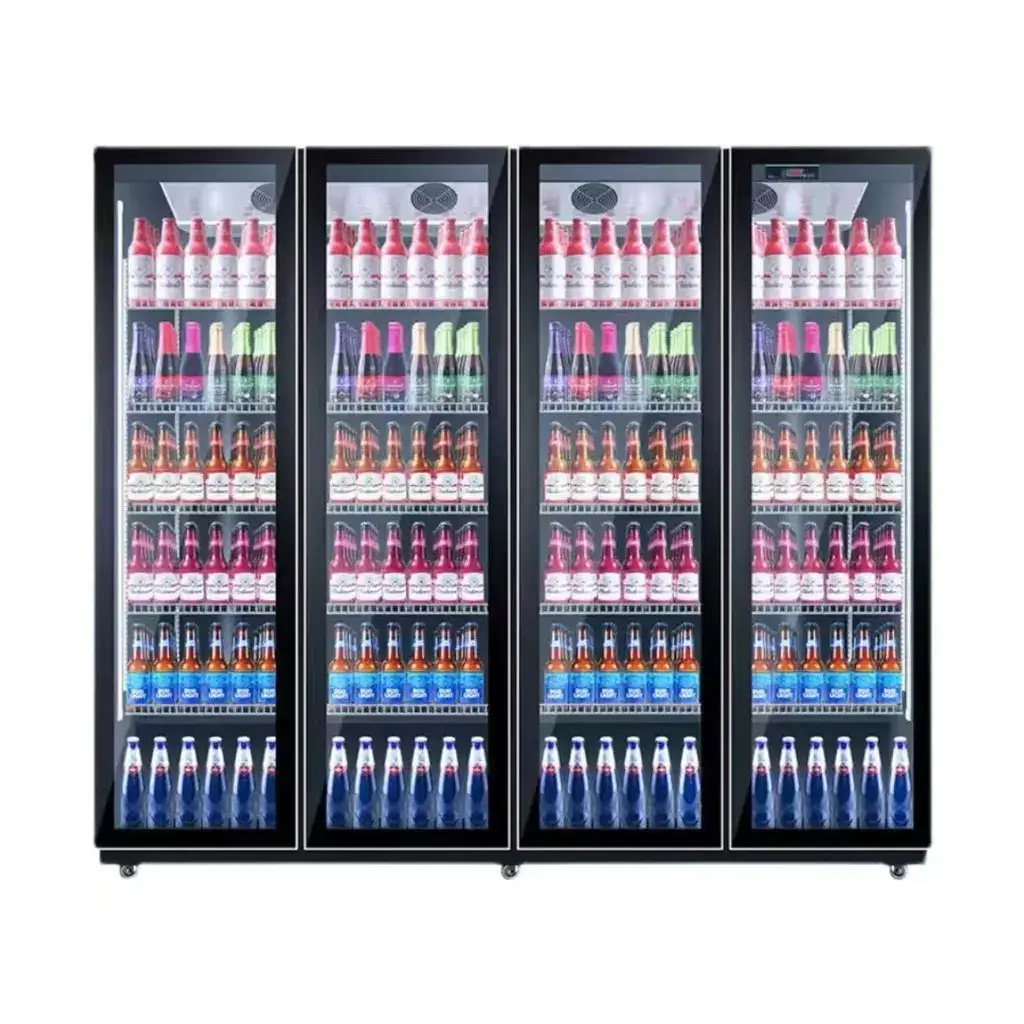
A refrigerator door left ajar in a busy commercial kitchen, convenience store, or retail setting can put product quality at risk and drive up energy costs. Self-closing mechanisms address the problem by returning the doors to a sealed position automatically, including during the busiest operating hours.
Many modern units now come with self-closing mechanisms, from Commercial Glass Door Refrigerator models to specialized options like Double Door Display Refrigerator units. In busy settings, they are especially useful: staff may open the door repeatedly to retrieve inventory and fail to close it completely.
Key Benefits of Self-Closing Doors
Energy Efficiency and Cost Savings
When a refrigerator door stays open, cold air escapes by the second, and the compressor has to work harder to bring the appliance back to its set temperature. A self-closing door shortens the time it remains open, reducing that loss. Over weeks and months, this can lead to measurable savings in electricity consumption.
Businesses with multiple units, such as a convenience store lined with different Beverage Refrigerator models, may substantially reduce their utility bills. Across a full fleet of refrigeration equipment, those self-closing doors can save enough to cover the initial investment within the first year.
Consistent Temperature Control
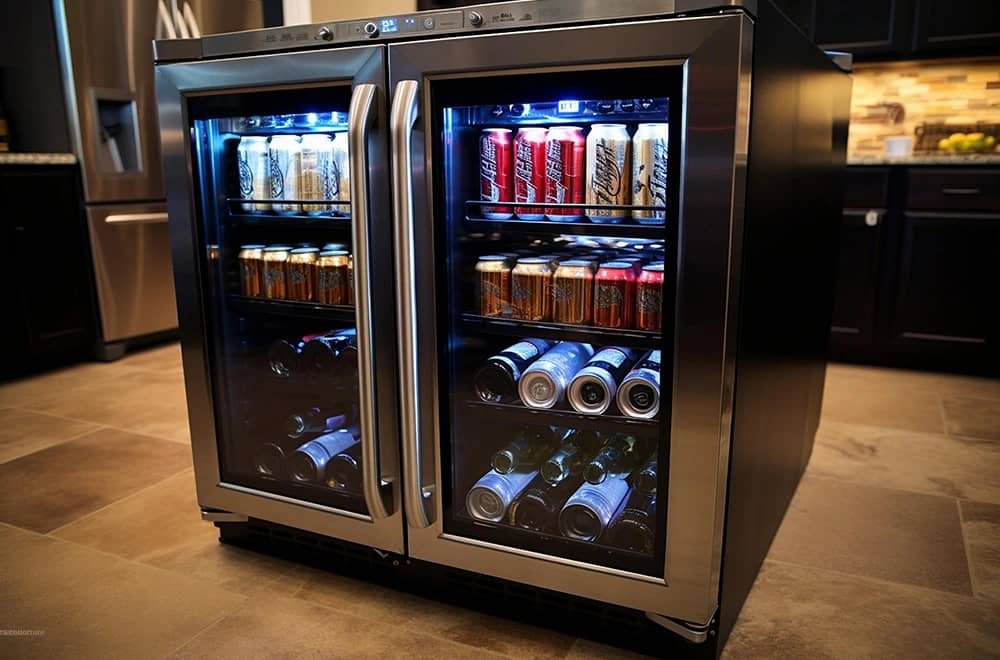
Temperature fluctuations can put perishable goods at serious risk. Self-closing doors reduce the amount of warm air that gets in, helping the unit maintain stable interior conditions. This is especially important for products with narrow temperature tolerances, such as dairy items and fresh produce.
They also reduce how often the compressor cycles. Fewer starts and stops can extend the service life of the compressor and other critical components, bringing down maintenance costs over time.
Enhanced Food Safety Compliance
Health regulations require businesses to store food at safe temperatures. If a commercial glass-front refrigerator remains partly open, the temperature inside may quickly rise beyond the permitted range, increasing the risk of spoilage and potential health code violations.
Self-closing doors offer protection without requiring constant attention. During a hectic shift, an employee might get distracted; the door still closes on its own, reducing the risk of temperature abuse. This supports compliance and helps protect the brand’s reputation.
Reduced Staff Workload
In busy operations, employees may open doors dozens of times an hour. Having to make sure every one closes fully adds to their mental load, and errors can result. Self-closing doors take that task off their hands, allowing staff to focus on customer service and other critical work.
For businesses that use Double Door Display Refrigerator units, the advantage is even more pronounced. Each door closes independently and reliably, so one side remains sealed while the other is opened.
How Self-Closing Mechanisms Work
Most self-closing doors rely on spring-loaded hinges or hydraulic closers. When the door is released, the mechanism engages and pulls it back toward the frame. Some advanced models also have adjustable tension settings, allowing operators to choose a closing speed that fits the unit’s location and how it is used.
Glass-door models often pair self-closing hardware with magnetic gaskets. When the door shuts, the gasket creates an airtight seal, preventing air leaks even if the door is not pushed fully closed by hand.
Comparing Self-Closing and Manual-Close Models
The table below shows the main differences between refrigerators with self-closing doors and those that require manual closing:
| Feature | Self-Closing Door | Manual-Close Door |
| Energy Loss Prevention | Automatic, with less waste | Relies on users remembering |
| Temperature Stability | Consistent | Variable and dependent on habits |
| Staff Training Required | Minimal | Requires ongoing reinforcement |
| Maintenance Frequency | Moderate, including hinge and closer checks | Lower, with fewer moving parts |
| Upfront Cost | Slightly higher | Lower initial investment |
| Long-Term Operating Cost | Lower because of energy savings | Higher because of potential waste |
Although self-closing models tend to cost a little more initially, the savings during operation often offset the difference.
Installation and Maintenance Considerations
Proper Leveling
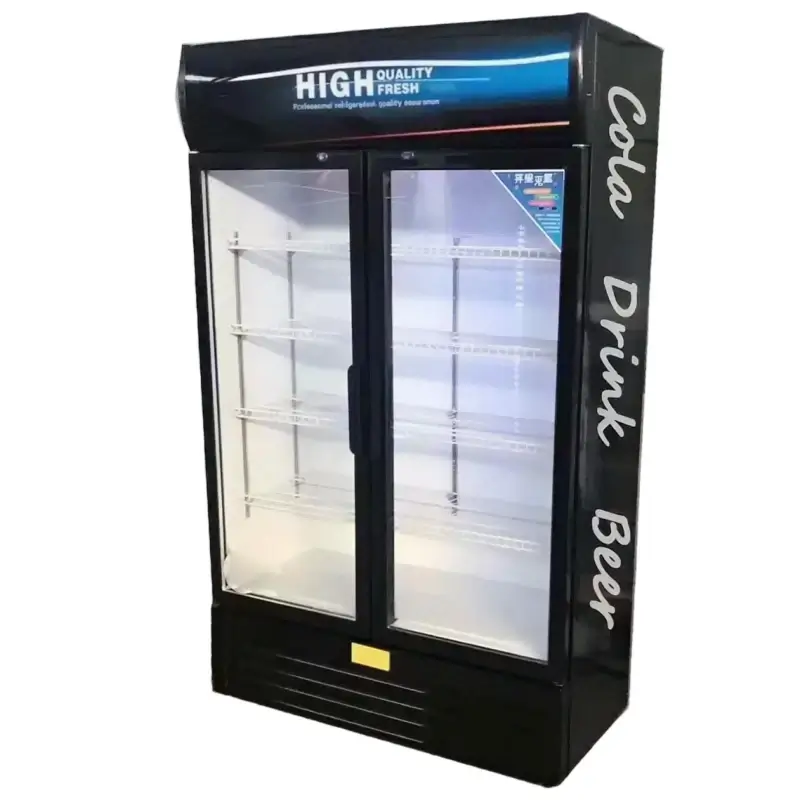
Self-closing mechanisms depend on gravity, which means the units must sit on a level surface. With a commercial glass-front refrigerator, even a slight forward tilt may prevent the door from closing fully. Installers should use precision tools to verify the level and adjust the feet or casters as needed.
Regular Hinge Inspection
As hinges and closers age, they gradually wear. During routine inspections, look for loose fasteners, corrosion, or a loss of tension. Replace worn parts without delay, since they can throw the door out of alignment and make its self-closing function unreliable.
Gasket Maintenance
A closer may work perfectly yet still fail to seal if its gasket is damaged. Each month, staff should inspect the gaskets for cracks, tears, or loss of flexibility. Mild detergent can remove debris that could interfere with the magnetic seal.
Choosing the Right Model for Your Business
Several considerations should shape your choice of a commercial glass front refrigerator:
- Traffic Volume: In busy locations, self-closing doors can be particularly useful. Stores that see a steady flow of customers and need frequent restocking should treat this feature as a priority.
- Product Type: Pharmaceuticals and some beverages can be affected by temperature changes, making strict temperature control necessary. For these products, self-closing doors provide an important safeguard.
- Space Constraints: In a confined area, the closing speed may need adjustment. If it is not set properly, the door can swing shut too quickly and become inconvenient.
- Budget: Self-closing models cost more upfront. Over time, though, the energy savings and reduced spoilage they provide often result in a strong return on investment.
Businesses offering custom branding for Commercial Glass Door Refrigerator units can install self-closing mechanisms without changing the branding on the door surface.
Real-World Applications
Convenience Stores
Convenience stores rely on Beverage Refrigerator units to keep drinks cold and ready for customers. During peak hours, when staff is handling several tasks at once, self-closing doors help ensure that the units remain properly sealed.
Restaurants and Cafés
In a busy commercial kitchen, speed matters. A Double Door Display Refrigerator lets chefs grab ingredients quickly, without worrying that a door will remain open while meals are being prepared.
Supermarkets
Glass doors make retail displays more appealing. Unlike commercial refrigerators with solid doors, models fitted with glass doors and self-closing mechanisms keep products visible while conserving energy.
Conclusion
Self-closing doors on commercial glass-front refrigerator units can cut energy use, help protect food safety, and make routine work easier. For a business, that can translate into lower costs, stronger compliance, and less staff time spent tending to refrigeration. The option suits a range of settings, including convenience stores that use Beverage Refrigerator models and restaurants fitted with Commercial Glass Door Refrigerator units.
FAQ
Q: Do self-closing doors require more maintenance than manual-close models?
A: The hinges and closer need periodic inspection. Proper maintenance can prevent costly repairs and significantly extend the unit’s lifespan.
Q: Can self-closing mechanisms be added to existing refrigerators?
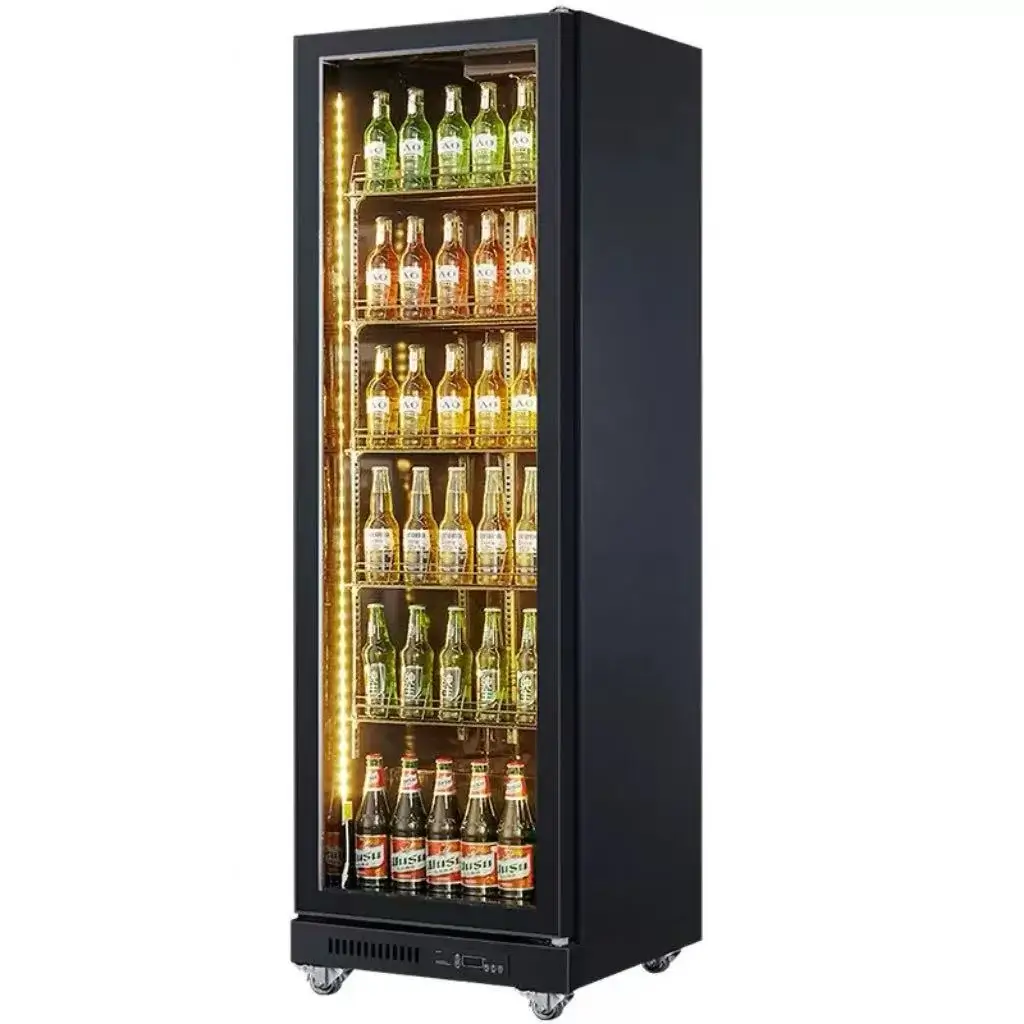
A: Sometimes. Retrofitting depends on the door’s weight, hinge type, and frame design, so a technician should assess whether the components are compatible.
Q: How much energy can businesses save with self-closing doors?
A: Savings depend on how the doors are used. Studies in high-traffic environments have found that self-closing doors can cut energy costs by 10–20% compared with manually closed units.