
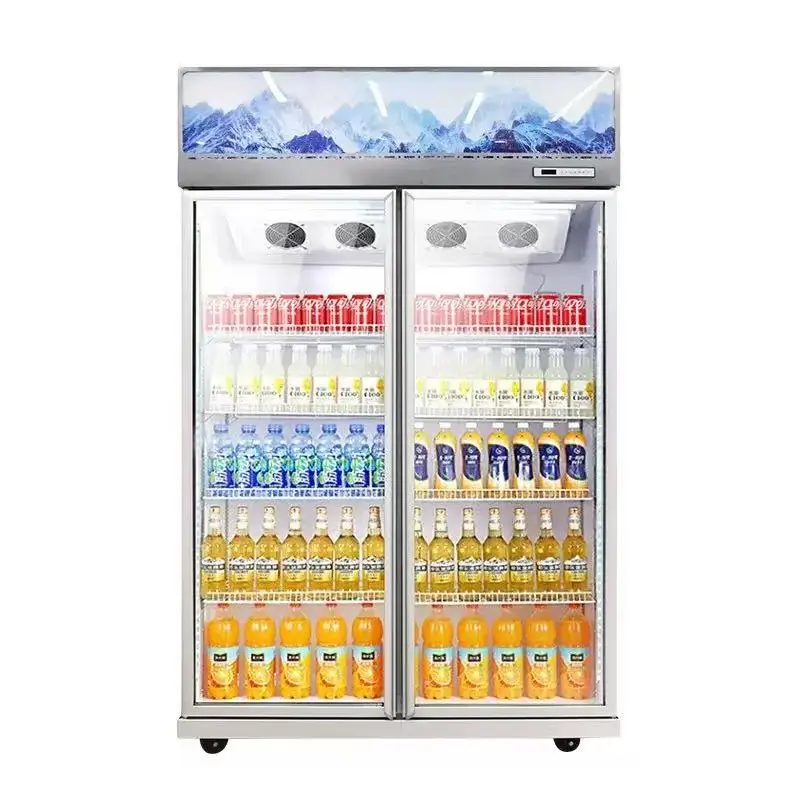
Fogged glass can stop an impulse purchase before it starts. If shoppers cannot see what is inside, they may pass by the cooler, leaving the merchandising investment wasted. The cause is rarely addressed with one fix alone; it usually means examining the environment, the door construction, and everyday operating habits together.
Why Fogging Deserves Immediate Attention
A commercial refrigerator glass door is there to display the product. Once condensation gathers on either the outside or inside, visibility suffers, energy use rises, and the unit can look neglected to every customer who passes. Operators who treat fogging as merely cosmetic may find themselves facing higher electricity bills and slower sell-through within a single quarter.
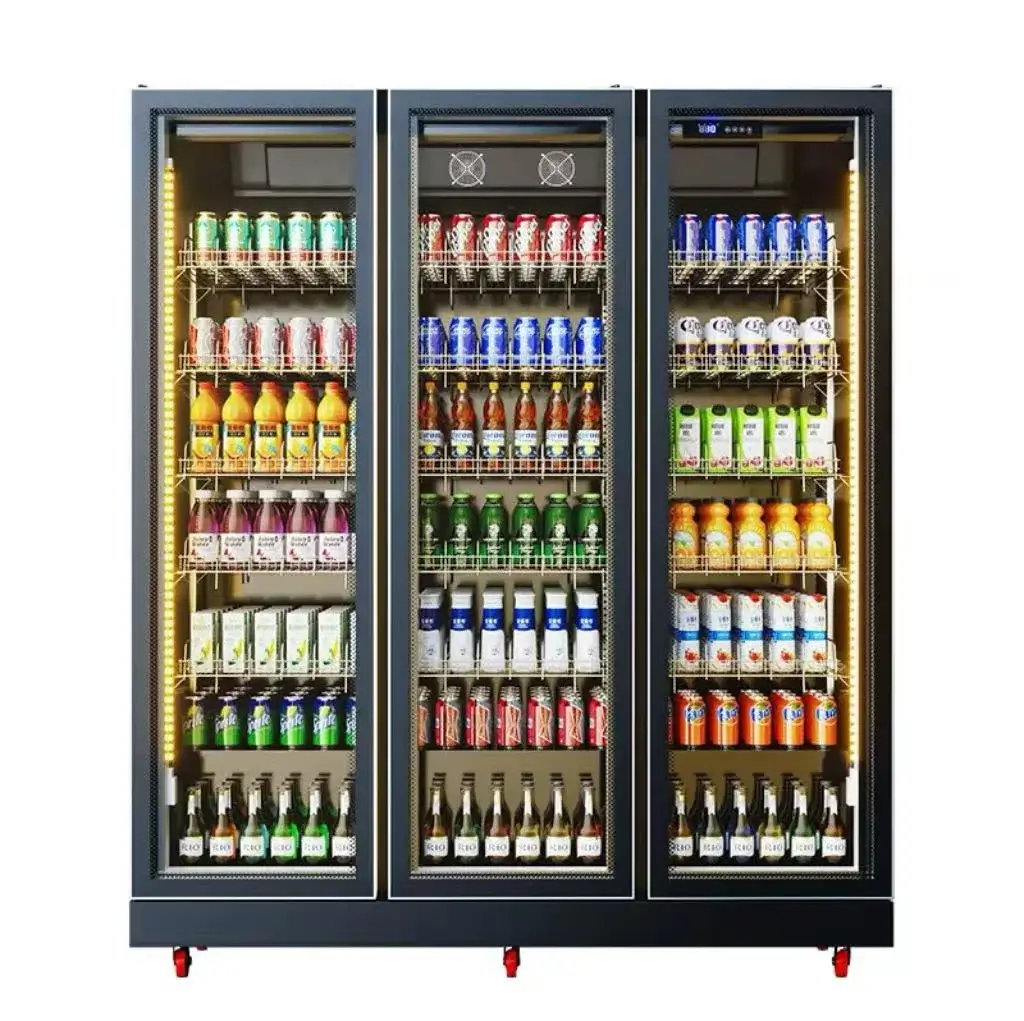
Field observations from convenience stores and foodservice sites indicate that fogging problems generally fit into three broad categories. Identifying the relevant category can save hours of trial-and-error troubleshooting.
The Three Root Causes of Glass Door Fogging
1. Ambient Humidity Exceeds Design Tolerance
Most retail coolers are designed for ambient conditions of about 25°C and 60% relative humidity, commonly identified as Climate Class 3 or 4. When the store environment exceeds those limits, condensation develops on the outer glass because its surface temperature falls below the dew point.
Common humidity triggers include:
- Steam from the kitchen reaching front-of-house coolers
- Air-conditioning breakdowns during summer peaks
- Mop water or floor cleaning carried out during business hours
- Inadequate extraction near beverage or dairy displays
2. Door Seal and Heater Wire Failure
Every Commercial Glass Door Refrigerator designed for humid climates comes with an anti-condensation heater wire set into the door frame. If the wire stops working or the gasket no longer compresses properly, warm, moist air meets the cold glass and fog forms almost immediately.
Signs of a seal or heater problem include:
- Fog gathering around the door’s edges instead of in the center
- Visible gaps when the door is closed over a strip of paper
- Ice accumulating along the hinge side of the frame
- Warm spots disappear as a hand traces the edge of the door
3. Single-Pane Glass in a Multi-Pane Application
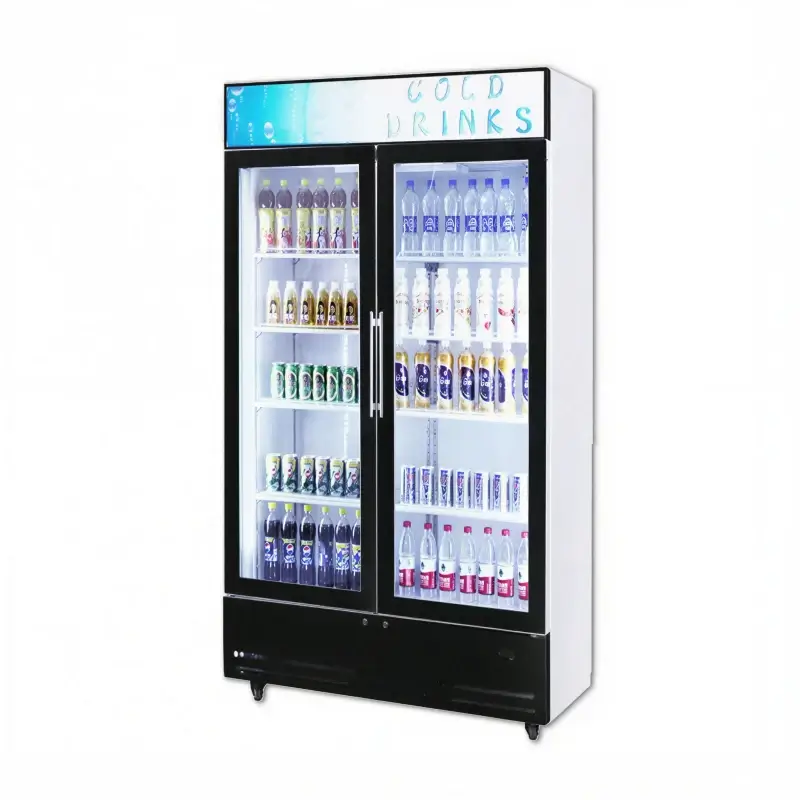
Budget coolers may use single-pane tempered glass rather than double- or triple-glazed insulated units. In a humid room, that design cannot keep the outer surface warm. A Single Door Display Refrigerator with double-pane low-E glass will remain clear in conditions that cause a single-pane unit to fog continuously.
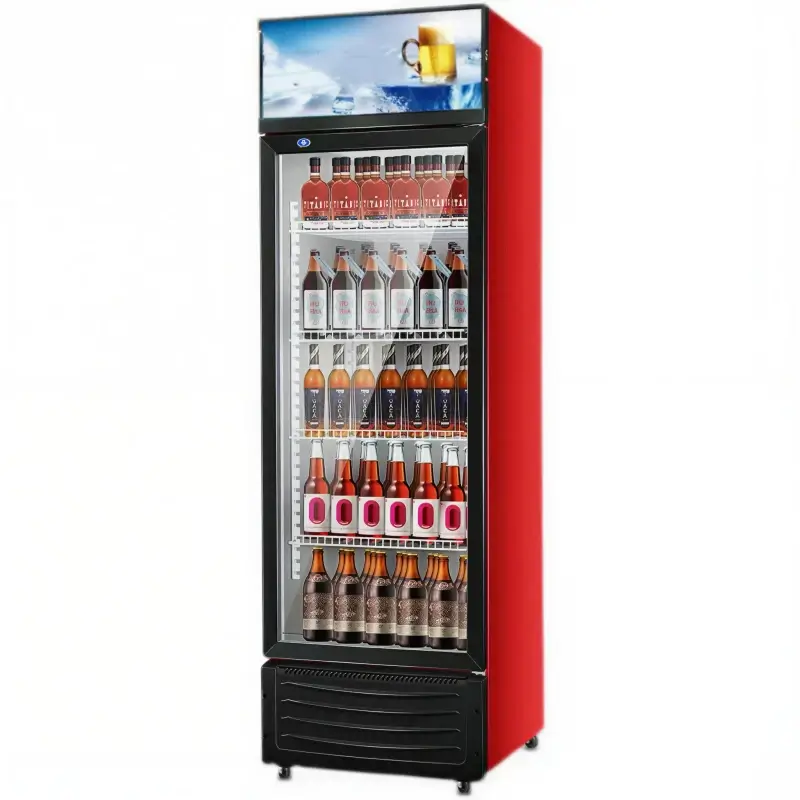
Quick Diagnostic Table
| Symptom | Likely Cause | Priority Fix |
| Fog on outer glass, whole panel | Ambient humidity too high | Improve HVAC, dehumidify |
| Fog only on edges | Heater wire failure | Replace heater or gasket |
| Fog on inner glass | Door left open, weak seal | Retrain staff, check gasket |
| Persistent fog after all checks | Single-pane construction | Upgrade cooler unit |
| Fog forming after restocking | Warm product loaded | Pre-chill inventory before loading |
Practical Fixes That Actually Work
Short-Term Actions
For operators who need clear visibility before the next customer arrives, a few measures can produce fast results:
- Wipe the outer glass with an automotive anti-fog solution rated for glass
- Consolidate restocking runs to reduce how often the door is opened
- During peak humidity hours, set the store thermostat two degrees lower
- Check that the cooler is not directly beneath an HVAC return vent
These measures are stopgaps. They buy time, but they do not address the underlying construction or environmental problems.
Medium-Term Corrections
Once visibility returns, make deeper corrections to prevent the problem from recurring:
- Use a clamp meter to test the anti-condensation heater and verify its current draw
- Replace any door gaskets with compression set or torn corners
- Inspect the hinge alignment; a sagging door can break the seal along the top
- Verify that the condenser coils are clean. Dirt on the condenser increases the internal load and extends cycle time
For a Double Door Display Refrigerator, operators should inspect each door separately. Uneven traffic often causes one door to fail first, and diagnosing only one door can miss that pattern.
Long-Term Prevention
Prevention begins when the cooler is purchased. Choosing a unit suited to the site’s actual conditions prevents most fogging problems from the start. Before ordering, confirm the following specifications:
- A climate class that matches the real room, rather than the ideal one
- Double- or triple-pane insulated glass units filled with argon
- Perimeter heater wire along every glazed edge
- Gaskets rated for at least 50,000 door cycles
A properly specified commercial refrigerator glass door should remain clear under normal retail conditions without daily wiping. If staff find themselves wiping the glass every hour, either the specification or the environment is wrong.
When Replacement Beats Repair
Repair is sensible when the cooler is less than five years old, and its cabinet insulation is still intact. After that point, the cost of replacing heaters and gaskets repeatedly can exceed the price of a newer commercial refrigerator glass door equipped with better glazing technology. Newer units also feature LED lighting, ECM fan motors, and improved seals, which reduce running costs enough for the upgrade to pay for itself within two to three years in most retail settings.
Persistent fogging is more than a nuisance; it is a sign that something is out of balance among the cooler, its surroundings, and the way it is being operated. Correcting those factors helps the display do what it is meant to do: sell product.
FAQ
Q1: Can anti-fog spray damage the glass or gaskets over time?
Most automotive-grade sprays are safe to use on tempered glass. Keep them away from rubber gaskets, though, because some solvents can noticeably shorten the life of the seals.
Q2: How long should a door heater wire last under daily commercial use?
A quality heater wire will usually last five to seven years, although frequent voltage fluctuations or extreme humidity can reduce its service life considerably.
Q3: Does LED lighting inside the cooler contribute to fogging?
No. Compared with older fluorescent tubes, LEDs produce very little heat. They reduce the cooler’s internal load instead of increasing the risk of condensation.