
The Correct Answer First
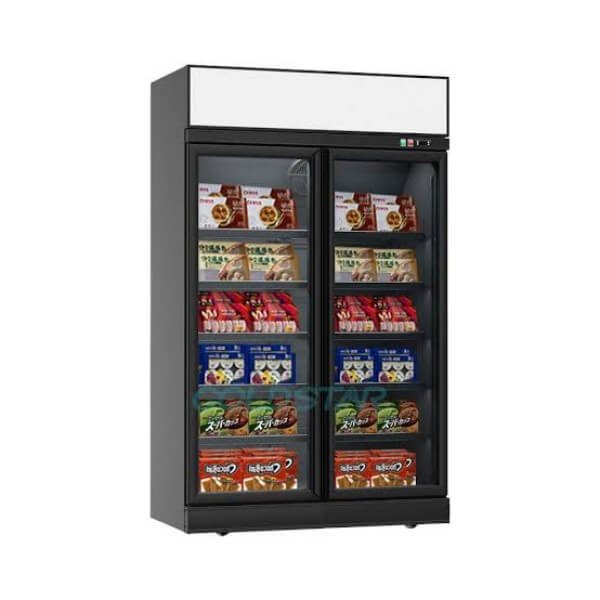
Frozen food safety hinges on one number: -18°C or colder. In an upright display freezer, the core of the product must stay at or below that temperature continuously. In most retail settings, maintaining air temperatures between -22°C and -20°C gives the freezer enough margin to keep product cores safely frozen during door openings, defrost cycles, and shifts in ambient conditions.
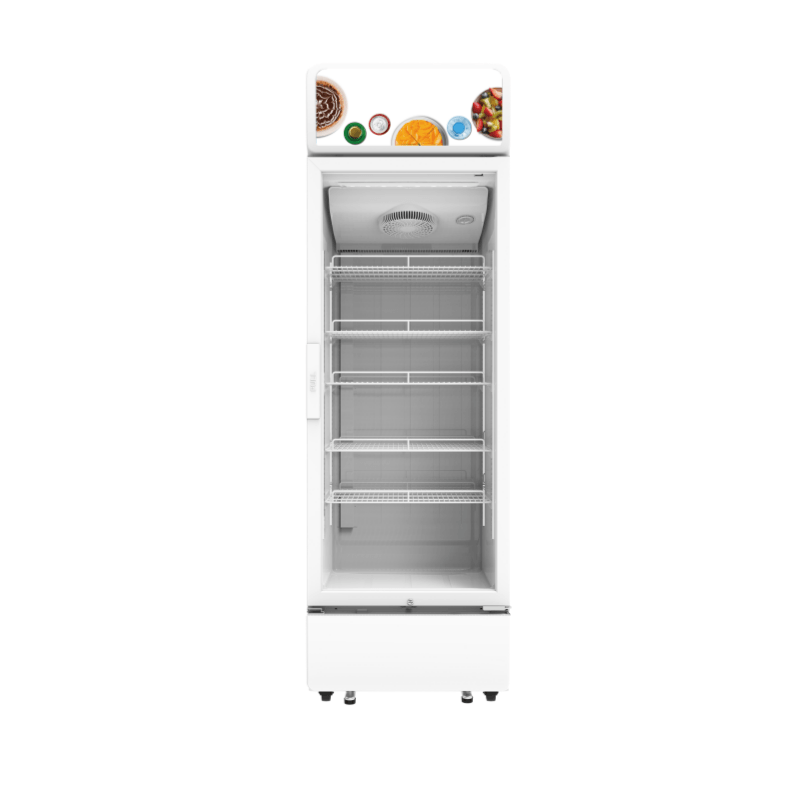
Operators who base their SOPs on this range are more likely to pass audits consistently, reduce spoilage, and protect their brands against foodborne illness claims. The discussion that follows examines how to reach that target and maintain it.
Why -18°C Is the Global Benchmark
The -18°C standard is grounded in food science. Research conducted over decades has shown that microbial growth effectively stops at this temperature, while enzyme activity becomes extremely slow. Both the FDA and Codex Alimentarius identify -18°C as the minimum temperature for commercial frozen storage.
Observations from supermarkets and butcher shops suggest that when cabinets remain above -15°C for extended periods, packaging develops visible ice crystals, exposed products suffer freezer burn, and shelf life decreases. Even slight temperature increases can accumulate quickly.
Recommended Ranges by Product Category
Not every frozen product tolerates the same temperature range. The table below presents field-tested settings for a typical upright display freezer across common retail categories.
| Product Category | Recommended Air Temperature | Maximum Safe Core Temp |
| Frozen meat and poultry | -22°C to -20°C | -18°C |
| Frozen seafood | -24°C to -20°C | -18°C |
| Frozen vegetables and fruit | -20°C to -18°C | -18°C |
| Ready meals and pastries | -22°C to -20°C | -18°C |
| Ice cream and novelties | -25°C to -22°C | -20°C |
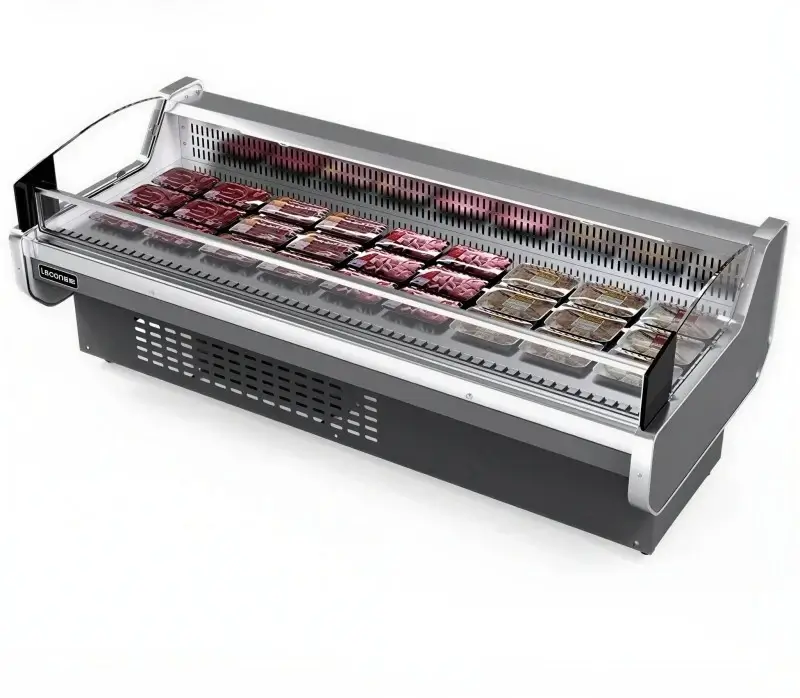
For stock spanning several categories, retailers should set the cabinet for the product with the strictest requirement, not the average. If protein products move quickly, a dedicated Meat Freezer is often preferable to using one display unit for every category.
What Causes Temperature Drift
Even a correctly specified cabinet can drift under real-world conditions. Understanding the causes helps operators address problems before HACCP logs turn red.
Door Discipline
Each time the door opens, cold air slips out while humid air comes in. On a busy weekend, repeated access can push the internal temperature up by 3–5°C within minutes. Staff training helps: open the door only when needed, and close it quickly.
Ambient Conditions
Stores held at 28°C with little air movement can drive compressors to run almost nonstop. Keeping the cabinet clear of ovens, sunlit windows, and areas missed by the HVAC system helps it hold temperature and may extend the compressor’s service life.
Product Loading
When the cabinet is packed too tightly, air cannot move around as it should. The back of the shelf may not receive enough cold air, and items at the front can be two degrees warmer than the display suggests. Keep the load line in view.
Defrost Cycles
The evaporator temperature rises briefly during automatic defrost. Scheduling these cycles during closed hours helps prevent customer-facing products from softening during peak periods.
Building a Reliable Monitoring Routine
Consistent temperature control comes from regular checks, not luck. These practices support professional retail operations.
- Log air and product temperatures three times daily
- Each month, compare the digital readouts with an independent probe
- Install cloud-based data loggers that send SMS alerts
- Inspect door gaskets each week for cracks or debris
- Schedule professional maintenance every quarter
- Record every deviation and corrective action
Data loggers are now standard equipment, not a luxury. Their records can support insurance claims, warranty disputes, and food safety audits without depending on staff memory.
Signs the Cabinet Is Losing Control
Products often show signs of trouble before the instruments do. Experienced operators look for visible clues:
- Ice building up on interior walls or evaporator coils
- Frost or condensation building up on the outside of packages
- Ice cream softening, or frozen ready meals starting to slump
- A compressor that runs for unusually long periods or begins making strange noises
- Door gaskets that no longer snap shut correctly
Any one of these symptoms warrants investigation. If two or more show up at once, the service is generally overdue.
Matching Equipment to Retail Needs
Choosing by Store Type and Volume
The cabinet has a major effect on monitoring performance. An undersized compressor, thin insulation, or single-pane glass doors can undermine even carefully followed routines.
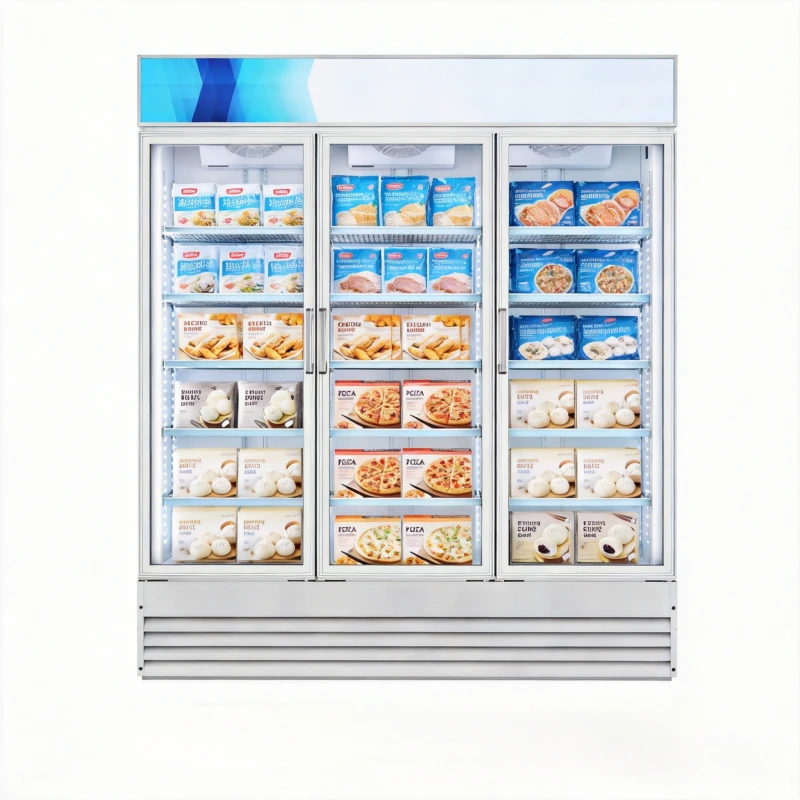
High-volume supermarkets are better suited to a heavy-duty Commercial Upright Freezer, with reinforced insulation and high-efficiency compressors. Convenience stores and specialty retailers generally need less capacity, making a Display Freezer a practical choice: it keeps products clearly visible without occupying excessive space.
What to Look for in a Supplier
Butcher shops and other protein-focused businesses may benefit from a dedicated Meat Freezer that keeps temperatures steadily below zero, even under heavy loads. Reputable suppliers provide pull-down curves, hold-time data, and energy ratings. Buyers should request those figures rather than rely solely on marketing language.
Building a Culture of Cold Chain Discipline
Temperature compliance seldom fails because the equipment itself is insufficient. In most cases, the cause is found in routine practices. Stores that treat an upright display freezer as a critical asset rather than a cabinet tucked into the background consistently record less waste and maintain more customer trust than their peers.
Regular staff briefings, clearly visible temperature charts, and straightforward escalation procedures turn abstract targets into routine practice. That cultural layer often separates operators who simply pass an audit from those who use it to improve.
FAQ
What temperature should a commercial upright display freezer maintain?
An air temperature between -22°C and -20°C keeps product cores safely at or below -18°C, meeting global frozen food safety standards for retail operations.
How long is food safe after a freezer stops working?
If the doors remain closed and the room stays at a moderate temperature, a fully stocked cabinet can keep food at a safe temperature for six to ten hours.
Can one freezer safely store different types of frozen food?
Only if it satisfies the strictest requirements. Meat or seafood that turns over quickly generally needs a separate cabinet to keep performance stable and prevent cross-contamination.