
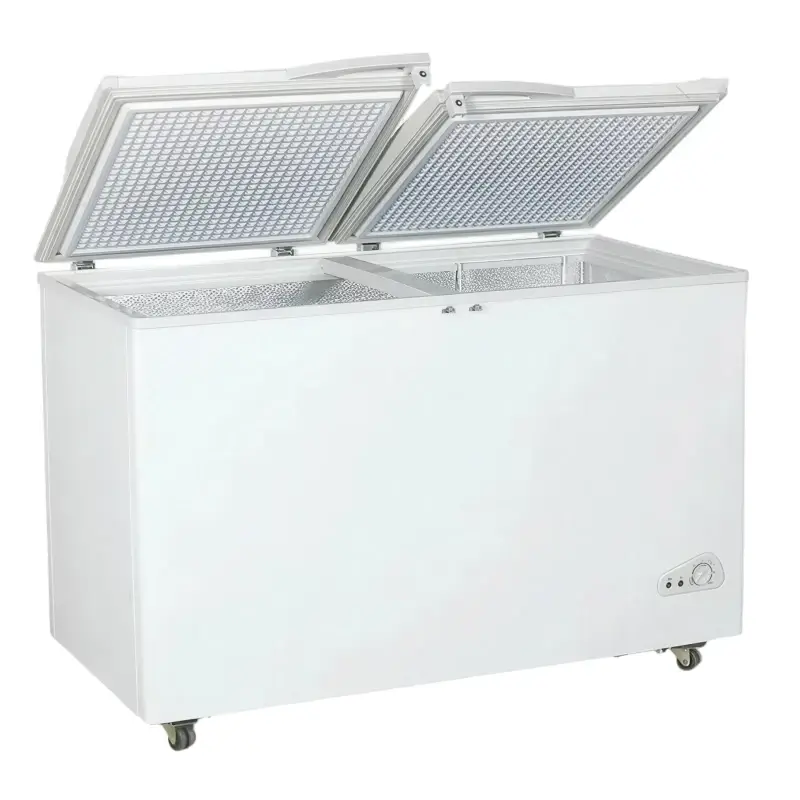
The starting point is simple: how much frozen stock does the business actually move each week? An oversized unit uses extra energy and takes up valuable floor space. A freezer that is too small creates a different problem, leaving staff to restock it every day. Operators in cafés, convenience stores, and small kitchens consistently report better results when capacity is matched to turnover rather than ambition. With that fit, a commercial deep freezer can operate efficiently for years.
Why Sizing Matters Before Any Purchase
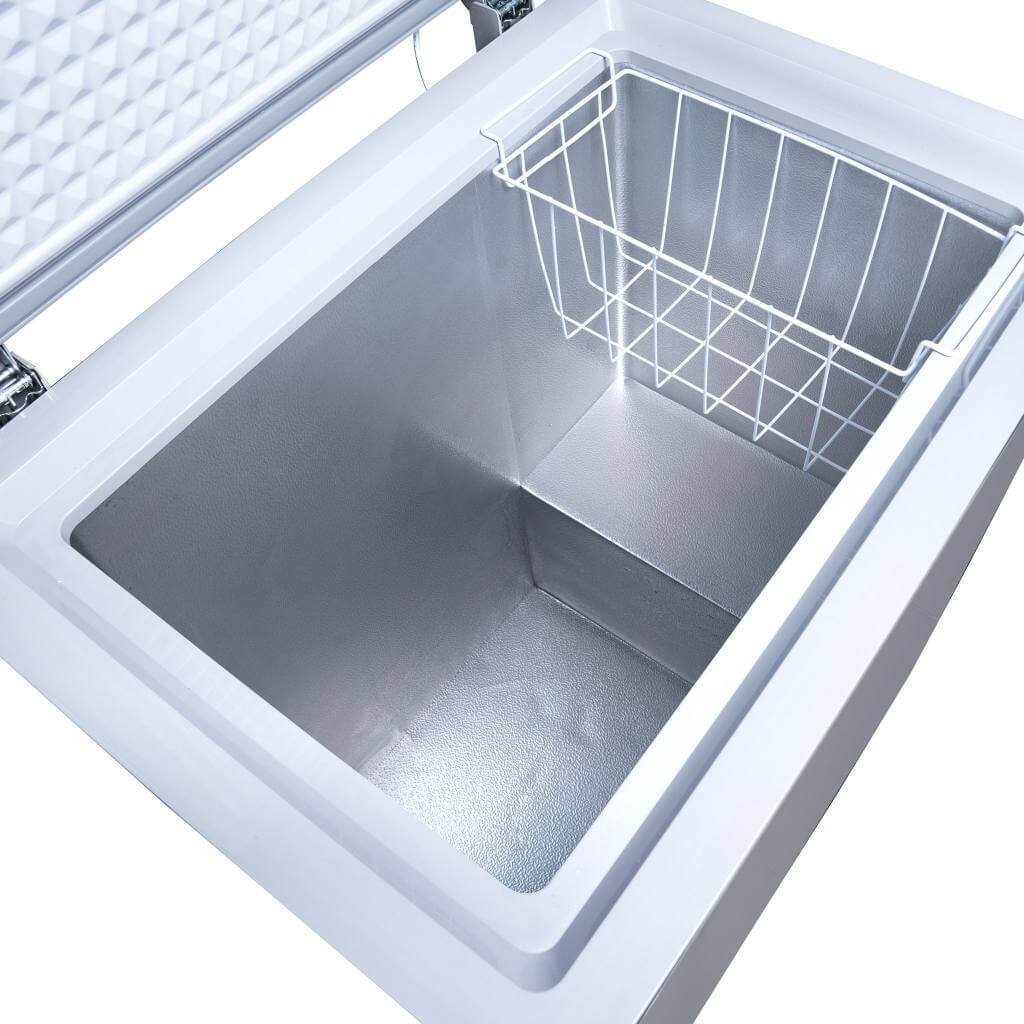
An oversized freezer may run only partly full, cycle inefficiently, and consume valuable kitchen space. Choose one that is too small, however, and it can turn into a bottleneck during peak hours. Size matters beyond the specification sheet, affecting food safety, energy costs, and staff movement behind the counter. Small businesses especially tend to underestimate two things: how quickly stock turns over and how much air space frozen packaging actually takes up.
How to Estimate the Right Capacity
A practical rule of thumb is to allow 1.5 cubic feet of freezer space for every meal served each day, adjusting for the amount of space the packaging adds. Weight alone can mislead. Bagged fries, boxed proteins, and pre-portioned desserts may occupy far more room than expected.
A Step-by-Step Sizing Process
Operators can determine the right commercial deep freezer size with a straightforward process:
Track the average weekly volume of frozen products for two to four weeks, then add a 20% buffer for peak seasons or promotional periods. Remember to account for dividers and baskets as well, plus the gaps required for airflow—usually another 10–15% of the space.
Choose a freezer class that fits the available footprint, then match it to the adjusted figure.
Product Type Changes the Math
Bulk proteins and seafood are best stored in deep, open compartments. Pre-packaged goods and prepared ingredients tend to work better in shallower, more orderly layouts. A pizzeria holding dough balls, for instance, has different storage needs from a bakery storing trays of frozen pastries.
Matching Freezer Type to Business Space
Each configuration serves a different purpose. The table below compares the three options most small businesses consider.
| Freezer Type | Typical Capacity | Best For | Footprint Profile |
| Chest Freezer | 7–25 cu ft | Bulk storage and low-turnover items | Wide, low-profile design; requires clearance above |
| Small Chest Freezer | 3–7 cu ft | Cafés, kiosks, and back-of-house overflow | Compact enough for tight corners |
| Commercial Undercounter Freezer | 4–10 cu ft | Prep lines, bars, and quick-access workflows | Fits beneath 34″ counters |
When a Chest Format Wins
A Chest Freezer works best when the priority is deep, cold storage with minimal temperature loss each time the lid opens. Ice cream shops, butchers, and seasonal caterers usually benefit most from this design. Since cold air settles low, chest freezers hold onto it better than upright models.
For operators with little room to spare, a Small Chest Freezer offers the same efficiency without taking over the workspace. It can sit behind a service counter or tuck into a stockroom corner, making it a practical fit for food trucks, coffee bars, and micro-markets, where every inch matters.
When Undercounter Format Wins
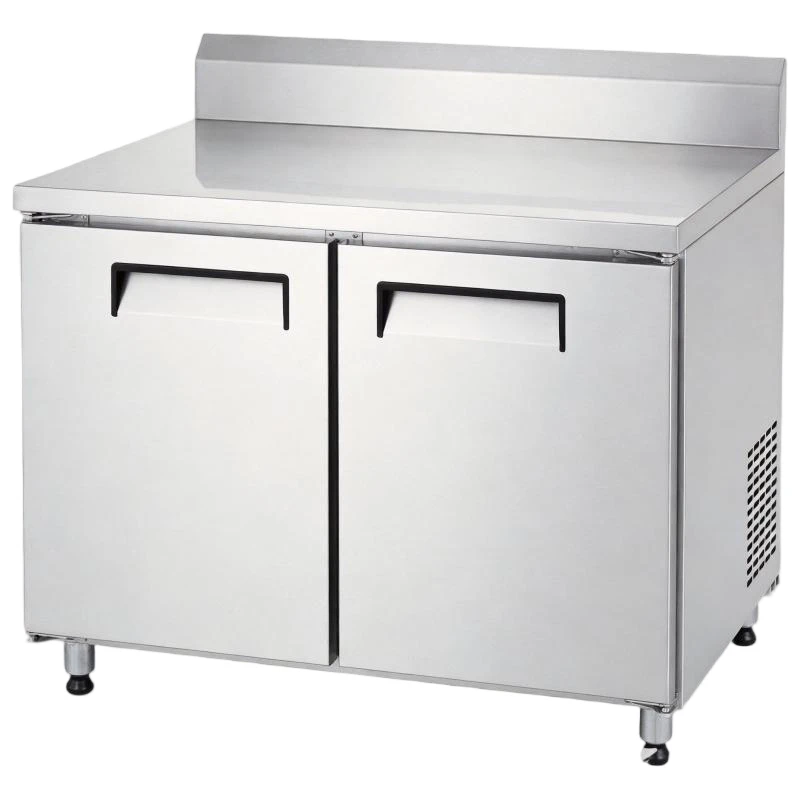
A Commercial Undercounter Freezer fits easily into a busy prep area. Line cooks can reach ingredients without leaving their stations, while the flat top adds useful prep space. Behind a bar, it stores frozen glassware and garnishes; in sandwich shops, portioned proteins stay close at hand.
A Practical Sizing Checklist
Before approving a model, small business owners should check a few practical details:
- The available floor space, with enough room for the door to swing open and for proper ventilation
- The ceiling clearance above chest models so the lid can open fully
- Electrical requirements and the location of the outlet
- Peak-season inventory levels, not just the average
- How frequently the unit will be accessed during service hours
- Ambient kitchen temperature, since it affects compressor load
Common Sizing Mistakes to Avoid
Experience in small food operations points to the same mistakes again and again. Owners often look at the purchase price without comparing cubic feet per dollar. They may also choose a format that clashes with the way work actually moves through the business. Frozen goods pose a separate issue: add the packaging, trays, and space required for airflow, and the volume is greater.
The most common mistakes tend to be these:
- Sizing the freezer only for the inventory on hand, without leaving room for growth over 12–24 months
- Failing to account for how often the door opens, which can raise energy use by 20% or more
- Choosing a tall upright model when a chest freezer would offer 30% more usable volume
- Placing units next to ovens or dishwashers, forcing the compressors to work harder
A good commercial deep freezer may look slightly oversized on its first day, but by month six it should feel about right. That small reserve can handle seasonal spikes without increasing the electric bill throughout the year.
Bringing It Together
Sizing decisions become simpler when the workflow, not the product catalog, drives the choice. Businesses handling bulk stock may find chest configurations more suitable, while compact chest models offer greater flexibility in tight kitchens. For busy service lines, undercounter units help keep work moving. Choosing the right format can determine whether a freezer supports the operation or turns into a source of frustration.
FAQ
Q1: How long does a commercial deep freezer typically last in daily use?
Most quality units last 10–15 years when they receive proper maintenance. Frequent opening can strain the compressor, and worn gaskets may shorten that lifespan.
Q2: Can one freezer serve both storage and prep-line needs?
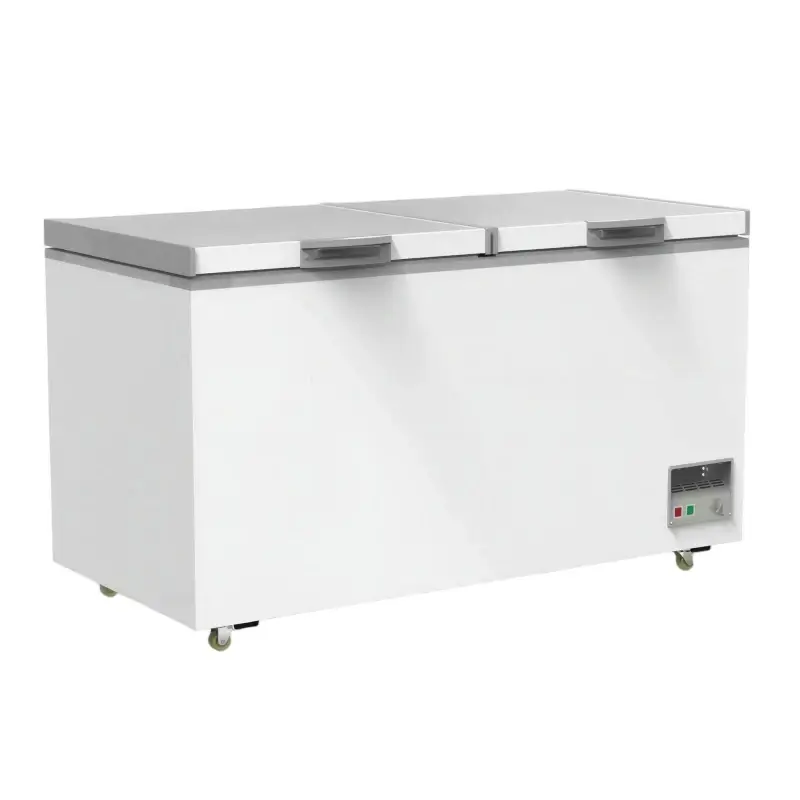
Usually, not efficiently. Storage freezers cycle less often; prep-line models are designed for constant access. That is why most operations use two separate formats.
Q3: What temperature should a commercial freezer maintain for food safety?
For regulatory compliance, the freezer needs to remain at 0°F (-18°C) or colder. Operators should verify the temperature each week using an independent thermometer, since built-in displays can drift over time.