
Every restaurant kitchen, grocery store, and food distribution center runs on one critical assumption: the cold chain will not break. When a walk-in freezer fails overnight, a convenience store can lose thousands of dollars in inventory. When a reach-in cooler cannot hold temperature during a dinner rush, a chef’s entire mise en place is compromised.
The commercial food service industry loses an estimated billions of dollars annually to refrigeration-related food spoilage, much of which stems from mismatched equipment, deferred maintenance, or inadequate capacity planning. For business owners and facility managers, choosing and maintaining cooling systems is not a one-time purchasing decision; it is a long-term operational commitment that touches food safety compliance, energy budgets, and daily workflow efficiency.
A complete guide to commercial refrigeration equipment must walk readers through what these systems are, the types available, the features that separate durable units from disposable ones, a practical framework for selecting the right model, energy and cost considerations, and the ongoing maintenance that protects the investment. Each of these topics builds on the last, forming a decision pathway that mirrors how a real buyer evaluates and manages cooling infrastructure.
The following sections follow this natural progression. If you are at the early research stage, the first three sections will give you a solid technical foundation. If you are actively comparing models, the selection and energy chapters will help you build a spreadsheet that goes beyond sticker price. And if you already own equipment, the final section on maintenance will help you extend its service life and avoid emergency repair calls at the worst possible moment. Before diving into any single category, however, it helps to survey the full landscape of commercial refrigeration equipment and understand how each piece fits into a complete cold storage strategy.
What Is Commercial Refrigeration Equipment?
Commercial refrigeration equipment is any cooling appliance or system engineered specifically for high-volume, continuous use in a business environment. Unlike residential refrigerators, these units feature heavy-duty compressors, reinforced door hardware, precision temperature controls, and durable interior materials designed to withstand dozens of door openings per hour while maintaining consistent food-safe temperatures.
The fundamental difference between commercial and residential cooling comes down to duty cycle expectations. A home refrigerator opens perhaps twenty times a day and has hours of idle time between uses. A restaurant’s reach-in cooler may be opened eighty times during a single lunch service. Every time the door opens, warm, humid air rushes in, and the compressor must work to pull temperatures back down. Components rated for this relentless pace- thicker insulation, stronger door hinges, magnetic gaskets that seal completely after thousands of cycles- cost more to manufacture but are non-negotiable for food safety and equipment longevity.
This equipment category spans a wide range of form factors, each serving a distinct operational role. Common applications include storing fresh produce at 36°F to 40°F, holding frozen goods at -10°F to 0°F, displaying beverages and grab-and-go items at point of sale, rapidly chilling cooked food through the temperature danger zone, and providing temperature-controlled workspaces where prep and cold storage happen in the same footprint. Understanding which type fits each task is the next logical step.
Types of Commercial Refrigerators and Freezers
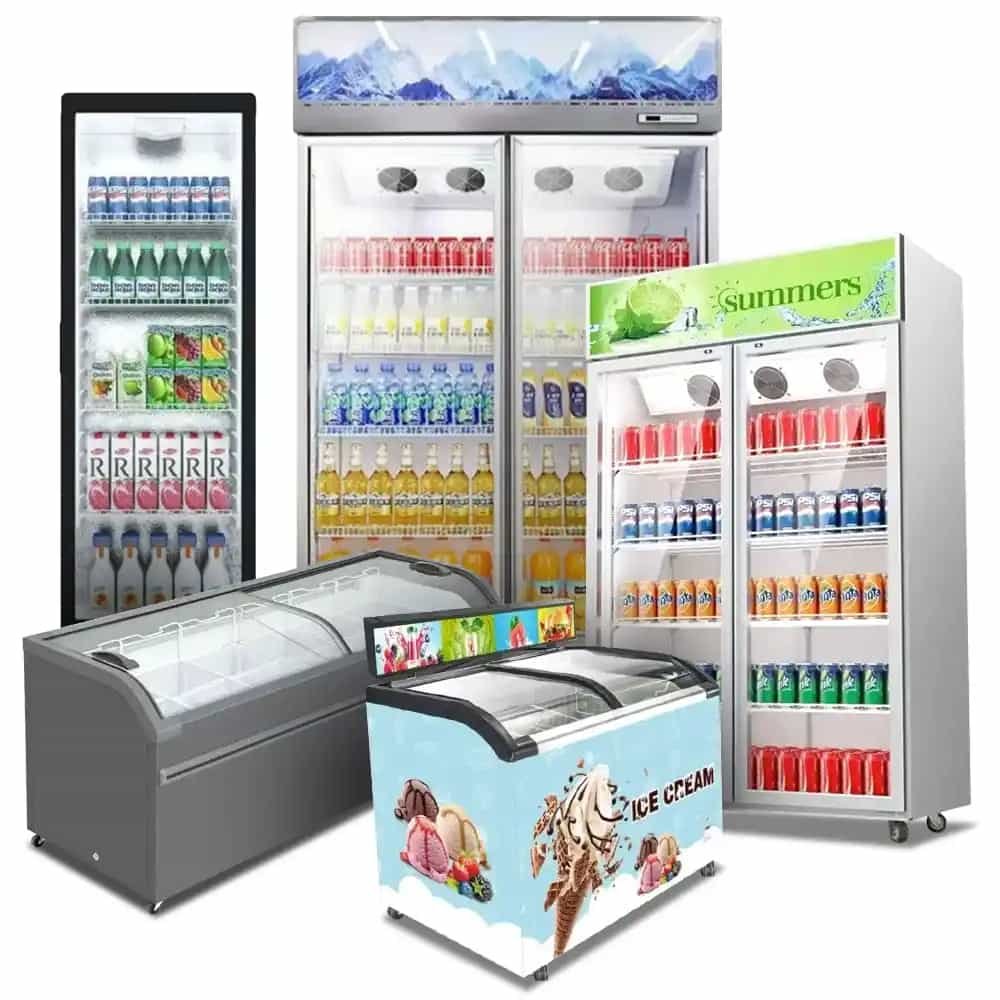
The primary categories of commercial refrigerators and freezers include reach-in cabinets, walk-in coolers and freezers, undercounter and worktop units, glass-door display merchandisers, and specialized equipment such as blast chillers and bar coolers. Each type is engineered for a specific combination of storage volume, access frequency, and operational workflow.
Reach-In Refrigerators and Freezers
Reach-in units are the standard workhorses found in nearly every professional kitchen. Available in one-, two-, and three-section configurations with either solid or glass doors, these vertical cabinets place ingredients at arm’s reach along cook lines and prep stations.
When comparing models of commercial refrigerators, the following specifications matter most:
| Specification | Typical Range | Operational Impact |
| Temperature Range | 33°F to 41°F (cooler); -10°F to 0°F (freezer) | Determines which food categories the unit can safely store |
| Door Type | Solid (insulated) or glass (visibility) | Solid doors offer better thermal efficiency; glass allows at-a-glance inventory checks |
| Shelf Configuration | Epoxy-coated wire or stainless steel, adjustable | Affects usable cubic footage and cleaning ease |
| Compressor Placement | Top-mount or bottom-mount | Bottom-mount draws cooler air, reducing compressor strain; top-mount keeps coils away from dust and debris |
| Capacity | 20 to 80+ cubic feet | Must align with peak inventory, not just average daily stock |
Walk-In Coolers and Freezers
For operations that purchase in bulk or do large-batch prep, walk-in units function as entire refrigerated rooms. Constructed from modular insulated panels, they can be configured to nearly any dimension and are serviced by a remotely located condensing unit.
Key design decisions for walk-ins include floor type. Freezer floors must include an insulated panel with an embedded vapor barrier and, in most cases, a pressure relief vent to prevent structural damage from air pressure differentials. Interior safety releases on door latches are a code requirement in most jurisdictions to prevent staff from being accidentally locked inside.
Undercounter and Worktop Units
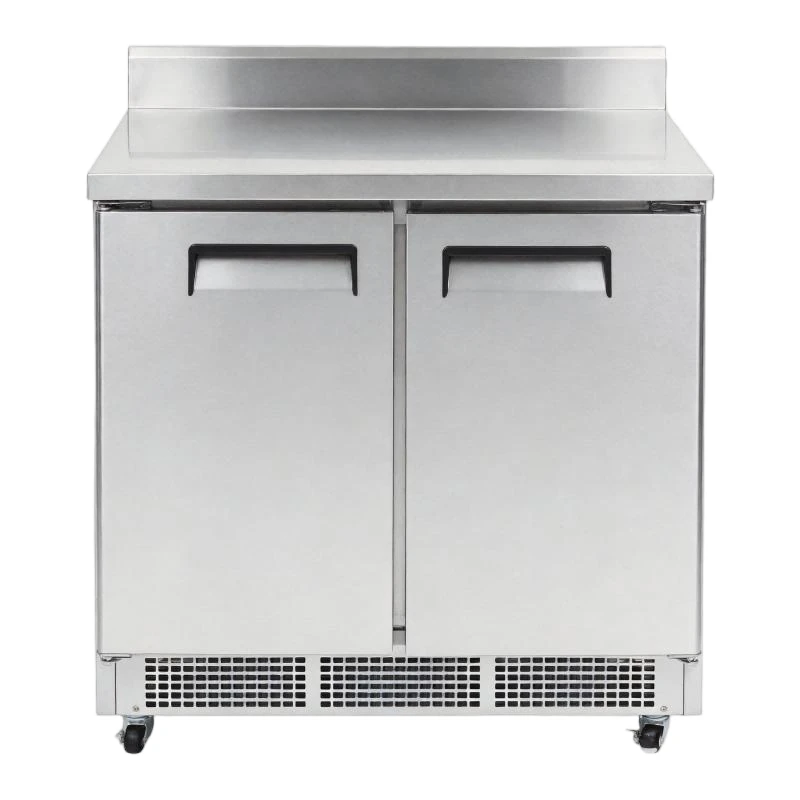
Space-constrained kitchens benefit from units that fit beneath standard 34-inch countertops. Undercounter commercial freezers and refrigerators reclaim floor space that would otherwise go unused. Worktop models add a stainless steel prep surface above the cabinet, effectively merging two pieces of equipment into one footprint. These are prevalent in pizza stations, salad bars, and sandwich assembly lines where cooks need chilled ingredients within immediate reach.
Display Merchandisers and Specialty Equipment
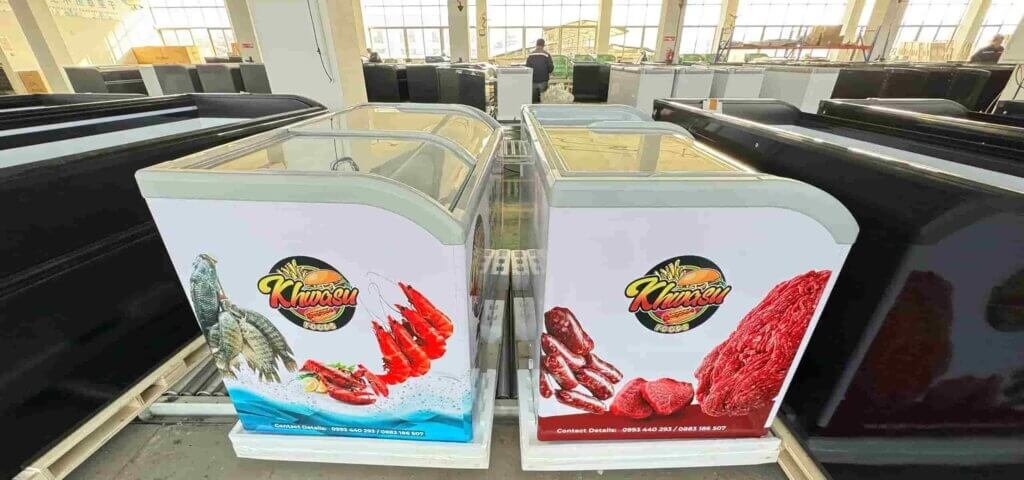
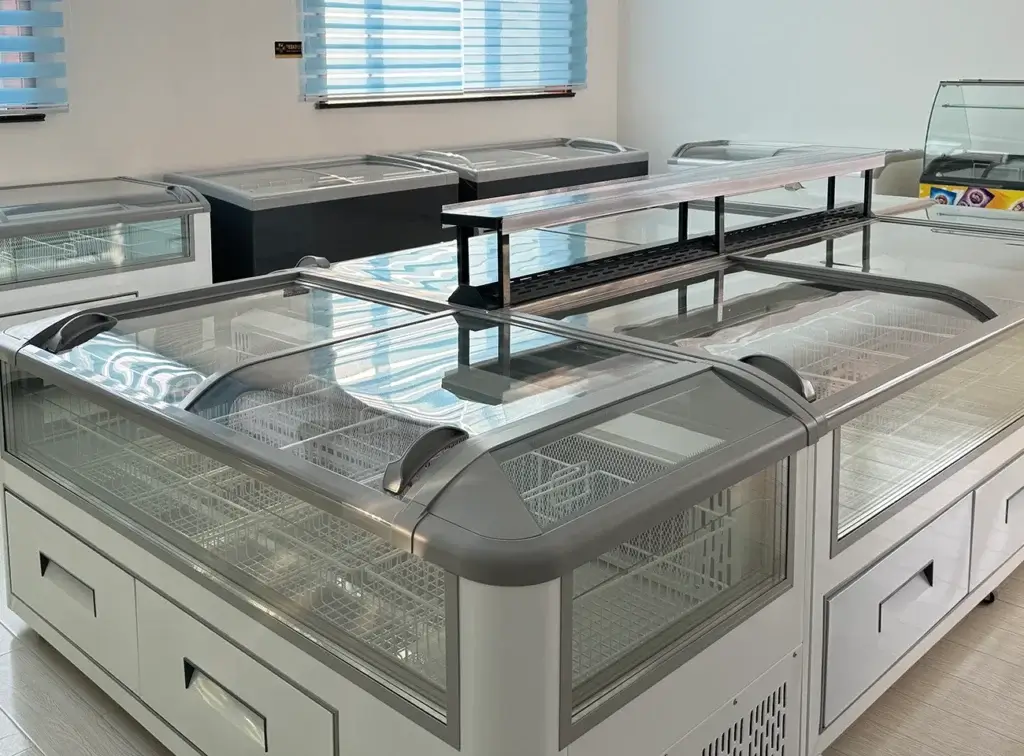
Retail-facing units prioritize product visibility. Glass-door merchandisers and open-air cases keep beverages and packaged foods at safe temperatures while encouraging impulse purchases. Specialty equipment addresses narrower use cases: blast chillers that pull cooked food from 140°F to 40°F within 90 minutes for cook-chill operations, ice cream dipping cabinets that hold product at a scoopable 0°F to 5°F, and wine storage units that manage both temperature and humidity.
Key Features to Look for in Commercial Refrigeration Equipment
The most important features to evaluate when comparing commercial refrigeration equipment are construction materials, cooling system design, temperature control precision, door and gasket quality, and energy efficiency components. These features determine not only how well the unit performs on day one but how reliably it operates after years of heavy use.
Construction and Material Quality
The interior and exterior surfaces of a commercial unit face daily exposure to acidic foods, cleaning chemicals, and physical impact from carts and sheet pans. Stainless steel interiors offer the best combination of corrosion resistance and cleanability, and they do not absorb odors the way plastic liners can. Aluminum interiors present a lighter, more affordable alternative, though they are more prone to denting.
Door gaskets deserve particular scrutiny during equipment evaluation. A magnetic gasket should seat completely against the cabinet face with no visible gaps or waves. Replaceable gaskets held in place by a dart-style channel are preferable to glued gaskets, which are more labor-intensive to replace when they eventually wear out.
Cooling System Architecture
Most modern reach-in units use forced-air evaporators that circulate cold air evenly across every shelf level. This design eliminates the warm spots common in older cold-wall or gravity-coil systems. Automatic defrost, particularly essential for freezers, prevents frost accumulation that reduces efficiency and storage capacity.
Compressor type also affects long-term serviceability:
| Compressor Type | Serviceability | Typical Application |
| Hermetic | Sealed, not field-serviceable; replaced as a complete unit | Smaller reach-in cabinets |
| Semi-Hermetic | Can be opened, rebuilt, and serviced in the field | Walk-in systems, larger equipment |
| Scroll | Highly efficient, fewer moving parts, smooth operation | Medium to large commercial systems |
Temperature Control and Connectivity
Digital controllers with external LED readouts let kitchen staff verify temperatures without opening doors. More advanced units support Wi-Fi or Ethernet connectivity for remote monitoring, automatic temperature logging, and push alerts when a unit drifts out of range. For businesses subject to HACCP compliance documentation, automated logging can replace manual clipboard checks and provide an auditable record for health inspections.
How to Choose the Right Commercial Refrigeration Equipment for Your Business
Choosing the right commercial refrigeration equipment requires a methodical assessment of storage volume needs, kitchen or retail layout, workflow patterns, and total cost of ownership, not just the upfront purchase price. Skipping any one of these analyses leads to units that are either undersized for peak demand or unnecessarily expensive to operate.
Step 1: Quantify Your Storage Needs
Start with a detailed inventory of everything you currently refrigerate or freeze. Group items by storage temperature zone: fresh produce, dairy and eggs, raw proteins, prepared foods, beverages, frozen goods. For each group, estimate the cubic footage required during your busiest week of the year, not your average week. Add a 15% to 20% buffer for seasonal peaks and menu expansion.
This exercise often reveals that a single large unit is less practical than two or three medium units dedicated to different temperature zones or kitchen stations. Segmenting storage also provides redundancy: if one unit fails, only a portion of your inventory is at risk.
Step 2: Map Your Workflow
Cold storage placement should shorten the distance between receiving, prep, cooking, and service. A walk-in cooler near the back door keeps deliveries from crossing the entire kitchen. Reach-in units on the hot line prevent cooks from turning their backs on the range to retrieve ingredients. Undercounter drawers beneath plating stations eliminate steps during final assembly.
Measure the physical footprint available and account for clearances beyond the unit’s listed dimensions. Most manufacturers require several inches of air space around the condensing unit for adequate ventilation. Door swing radius, particularly for units placed in narrow aisles, can block traffic flow if overlooked.
Step 3: Calculate Total Cost of Ownership
Purchase price represents roughly 30% to 40% of a commercial refrigeration unit’s five-year cost. The remaining 60% to 70% comes from energy consumption, maintenance, and repairs. Use this framework to compare options:
| Cost Category | Approximate Share of 5-Year TCO | What to Check |
| Equipment Purchase | 30% to 40% | Compare quotes from at least three vendors |
| Electricity | 35% to 50% | Estimate annual kWh using Energy Guide label; multiply by local utility rate |
| Preventive Maintenance | 8% to 12% | Quote annual service contract cost |
| Unscheduled Repairs | 5% to 10% | Ask about common failure points and parts availability |
| Installation | 5% to 8% | Confirm electrical, plumbing, and ventilation requirements |
A unit with a moderately higher purchase price but superior energy efficiency often recovers the difference within two to three years through lower utility bills. When comparing quotes, ask each vendor to provide estimated annual energy consumption for your specific usage pattern, not just the laboratory test conditions reported on the Energy Guide label.
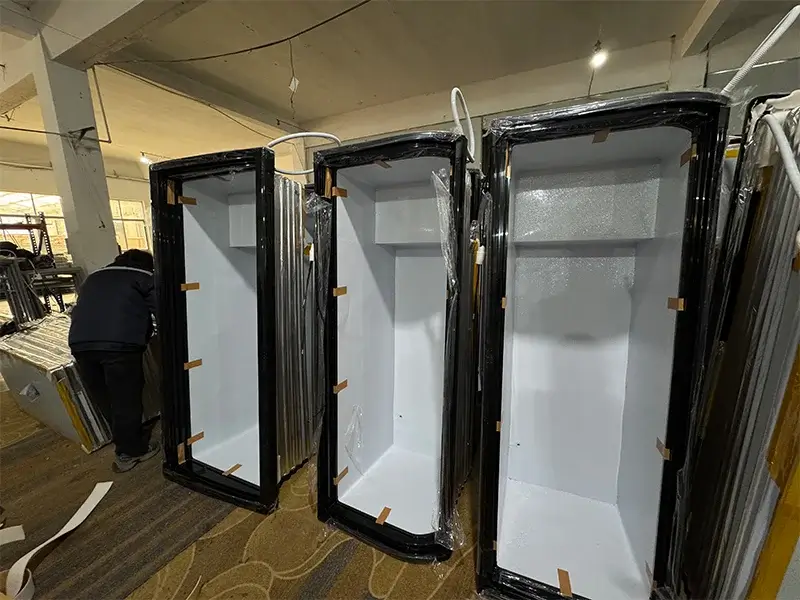
Energy Efficiency and Total Cost of Ownership
Energy consumption is typically the single largest operating cost for commercial refrigerators and freezers over their service life. Investing in high-efficiency equipment, adopting operational best practices, and staying ahead of refrigerant regulations can reduce electricity usage by 20% to 30% compared to baseline operation.
Equipment-Level Efficiency Measures
When selecting new equipment, look beyond the purchase price for efficiency features that compound savings over time. ENERGY STAR certified models must meet efficiency thresholds that exceed federal minimum standards, and they often incorporate advanced components that lower lifetime energy costs.
Specific efficiency features to prioritize include:
Electronically commutated (EC) fan motors, which can use up to 65% less electricity than shaded-pole motors and generate less waste heat inside the cabinet
Adaptive defrost controls that initiate defrost cycles based on actual frost accumulation rather than a fixed timer schedule
LED interior lighting, which reduces direct energy use and emits less heat for the cooling system to remove
High-density polyurethane foam insulation, which slows heat transfer through cabinet walls
Low-emissivity glass doors with argon or krypton gas fill for improved thermal performance
Operational Practices That Lower Energy Use
Equipment is only half of the efficiency equation. Staff behavior directly impacts how hard compressors must work:
Organize interiors so frequently accessed items are near the front, reducing the time doors stay open
Allow hot foods to cool to ambient temperature before placing them in the refrigerator
Keep evaporator coils clean—dust buildup of just a quarter inch can increase energy consumption by 10% or more
Avoid overloading shelves, which blocks airflow and creates temperature stratification
Set temperatures no colder than necessary: 36°F to 38°F for refrigerators and -2°F to 0°F for freezers
Refrigerant Transition Planning
The commercial refrigeration industry continues phasing down high-GWP (global warming potential) refrigerants under the AIM Act and related international agreements. Equipment using R-290 (propane) or R-600a (isobutane) offers excellent thermodynamic efficiency with minimal environmental impact. When planning a capital purchase with a 10 to 15-year expected service life, consider whether the refrigerant in your preferred model is likely to remain available and affordable throughout that period.
Commercial Refrigeration Services: Maintenance and Support
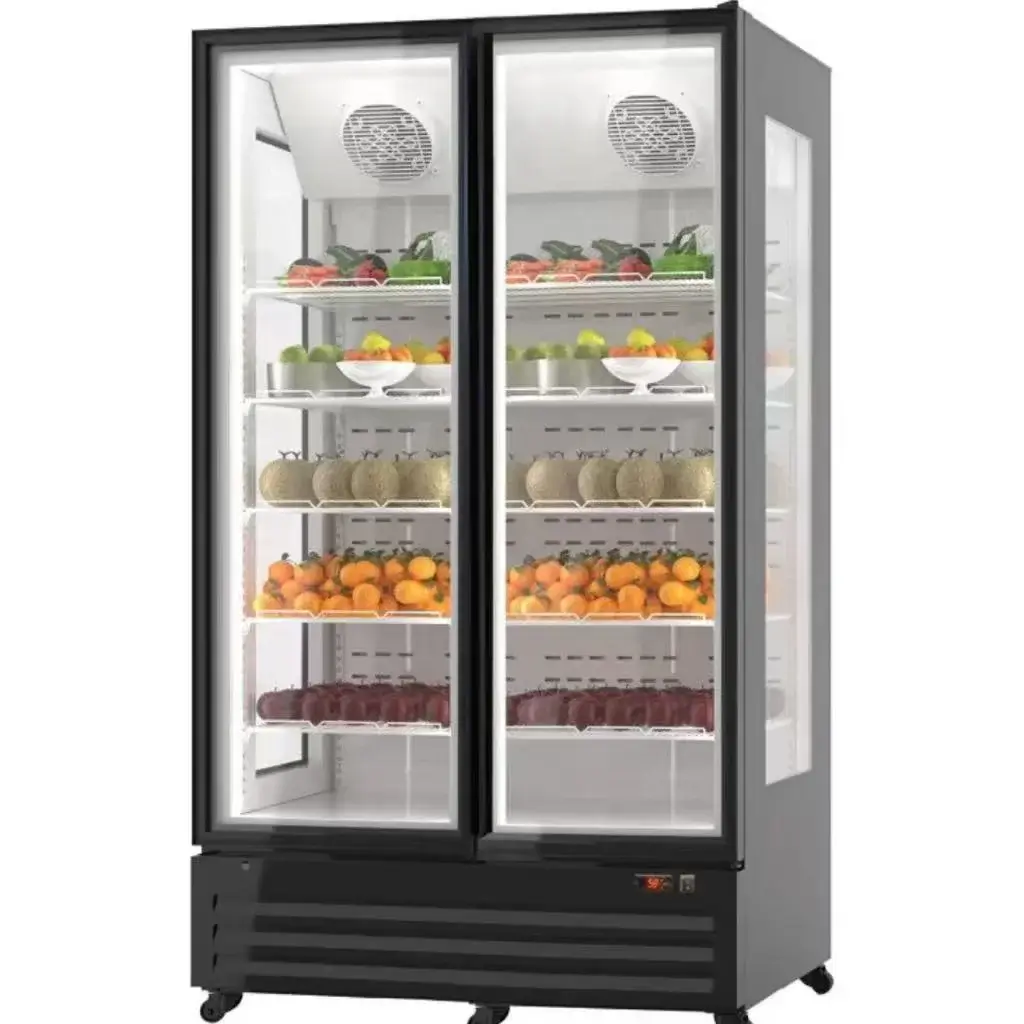
Professional commercial refrigeration services provide the preventive maintenance, emergency repair, and system optimization necessary to protect equipment investments, maintain food safety compliance, and avoid the financial damage of an unexpected cold storage failure.
Preventive Maintenance That Pays for Itself
A structured preventive maintenance program is one of the highest-ROI operational expenses a food service business can commit to. Regularly maintained equipment consumes less energy, fails less frequently, and lasts years longer than neglected units.
The core maintenance tasks that should be performed on a scheduled basis include:
Condenser coil cleaning (every 30 to 90 days): Dirty coils force the compressor to work harder, increasing energy draw and accelerating wear
Door gasket inspection and replacement (quarterly): Worn or torn gaskets allow continuous cold air leakage that the compressor must fight against
Refrigerant charge verification (semi-annually): Even small leaks reduce cooling capacity and efficiency; catching them early prevents compressor damage from low charge operation
Evaporator coil inspection (semi-annually): Ice buildup indicates defrost system issues that will worsen over time
Drain line clearing (quarterly): Clogged drains lead to water pooling inside the cabinet or on the floor, creating slip hazards and mold conditions
Thermostat calibration (annually): Verifying temperature accuracy with an independent probe ensures the built-in display is trustworthy
Emergency Repair Readiness
Even well-maintained equipment eventually needs unscheduled service. Compressors, fan motors, and control boards are electromechanical components with finite lifespans. The question is not whether a repair will be needed but when, and whether you have a service provider who can respond before inventory loss becomes substantial.
Establish a relationship with a qualified refrigeration service company before an emergency occurs. Confirm their hours of operation (24/7 availability is ideal for businesses that operate outside standard business hours), their typical response time, and whether they stock common replacement parts for the equipment brands in your facility. Ask for references from businesses similar to yours in both size and operational schedule.
Installation Quality as a Maintenance Factor
Maintenance burdens begin with installation quality. Common installation errors that increase long-term service costs include:
Insufficient ventilation clearance around the condensing unit, which raises head pressure and accelerates compressor wear
Unlevel placement that causes door misalignment and gasket stress
Improper drain line slope, leading to standing water and biological growth
Electrical connections that do not meet the equipment’s voltage and phase requirements, causing intermittent control board failures
Investing in professional installation by technicians familiar with your specific equipment model reduces the frequency of early-life service calls and sets the unit up for its full expected service life.
Where to Go From Here
Building and maintaining a commercial cold storage system is a process that rewards deliberate planning at every stage. The equipment that works for a high-volume banquet kitchen is rarely the right choice for a small bakery or a convenience store beverage cooler. Starting with a clear understanding of what commercial refrigeration equipment is and the types available, then methodically evaluating features, selection criteria, and total cost of ownership, leads to a purchasing decision that aligns with both operational needs and financial constraints.
Once the right equipment is in place, ongoing commercial refrigeration services and a commitment to preventive maintenance ensure that the investment continues delivering reliable performance year after year. The businesses that treat refrigeration as a managed system rather than a one-time purchase are the ones that avoid the midnight emergency calls, the health department citations, and the dumpster full of spoiled inventory that their competitors sometimes face.
Frequently Asked Questions
How long does it typically take to recoup the cost difference between a standard efficiency unit and a high-efficiency model?
For most commercial kitchens, the payback period for choosing an ENERGY STAR certified model over a standard-efficiency equivalent ranges from two to four years, depending on local electricity rates and hours of operation. Facilities that run 24 hours a day, such as convenience stores and hospital kitchens, typically see faster payback. The calculation should factor in any available utility rebates for high-efficiency equipment, which can shorten the payback period by 30% or more in some regions.
What are the early warning signs that a commercial refrigerator or freezer is about to fail?
The most common early indicators include unusual noise from the compressor or fan motors, temperature fluctuations that the controller cannot stabilize, excessive frost or ice accumulation in a freezer, condensation on the exterior of the cabinet, and an unexplained increase in energy bills. Any of these symptoms warrants a service call before the problem escalates to a complete failure. Kitchen staff should be trained to report these observations immediately rather than assuming someone else will notice.
Do commercial refrigeration units require dedicated electrical circuits?
Yes, most commercial refrigerators and freezers should be installed on dedicated circuits to prevent voltage drops caused by other equipment cycling on and off. Voltage fluctuations can damage compressors and control boards over time. The equipment nameplate lists the required voltage, phase, and minimum circuit ampacity. Having a licensed electrician verify that the existing electrical infrastructure meets these specifications before delivery prevents installation delays and avoids the risk of voiding the manufacturer’s warranty due to improper power supply.