
Why Refrigerator Layout Matters More Than Buyers Realize
At some point, every beverage business must decide whether it needs a single door or several. The decision shapes daily operations, energy expenses, and even customers’ purchasing choices. Experienced store owners understand how fast a bad layout can cause bottlenecks. Staff end up blocking aisles during restocking, while shoppers hesitate when a display seems overcrowded.
Commercial beverage refrigerators come in a range of configurations, and the right choice depends on where the unit will be used. A convenience store dealing with steady foot traffic needs something different from a bar getting ready for its weekend rush. Usually, a cooler matched to the setting is a better investment than simply purchasing the largest model available.
Single-Door Layouts: Compact and Focused
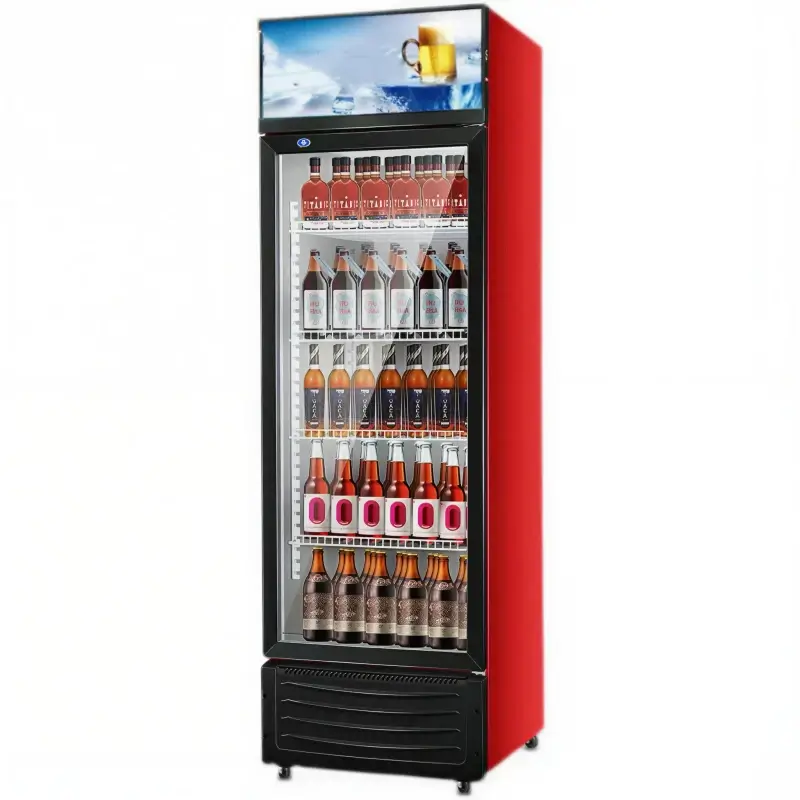
When space is tight, single-door units are a practical choice. Cafés, boutique wine shops, office pantries, and quick-service counters often use them for this very reason. They fit neatly into narrow corners, and their smaller door swing helps keep aisles clear when things get busy.
Maximizing Limited Floor Space with Single-Door Units
A Single Door Display Refrigerator works well when the product range is modest—for instance, craft sodas in a specialty deli or bottled water and juice placed near a checkout counter. Because the door is opened less often, the temperature remains steadier, which can help premium beverages last longer.
Where Single-Door Units Work Best
Small retail spaces under 800 square feet
Impulse-purchase spots near registers
Businesses offering a carefully chosen range of high-margin drinks
Locations with limited electrical capacity
Cost and Energy Benefits of Single-Door Refrigerators
For owner-operators watching every line item, the lower upfront cost matters too. A one-door beverage refrigerator is appealing for another reason: it generally consumes less power and requires less maintenance.
Double-Door and Multi-Door Layouts: Volume and Variety
As customer traffic rises, a venue needs greater cooling capacity. Supermarkets, gas station convenience stores, sports bars, and event caterers often sell hundreds of bottles a day.
How Double-Door Units Balance Space and Visibility
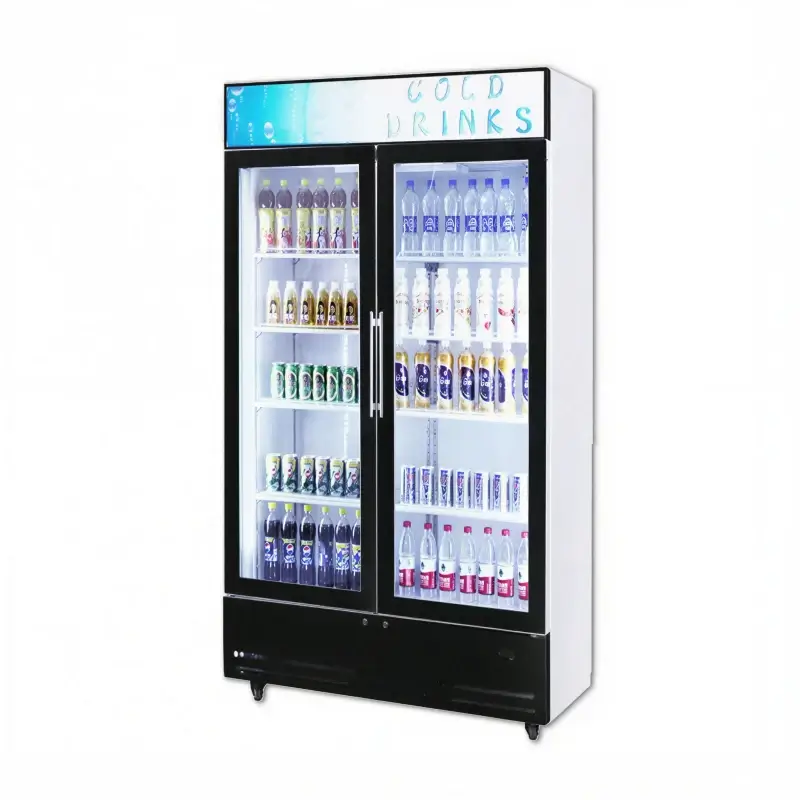
A Double Door Display Refrigerator provides roughly twice the merchandising surface without requiring a similarly large increase in floor space. For mid-sized retailers, that combination makes the format a popular choice.
Multi-Door Configurations for High-Volume Sales
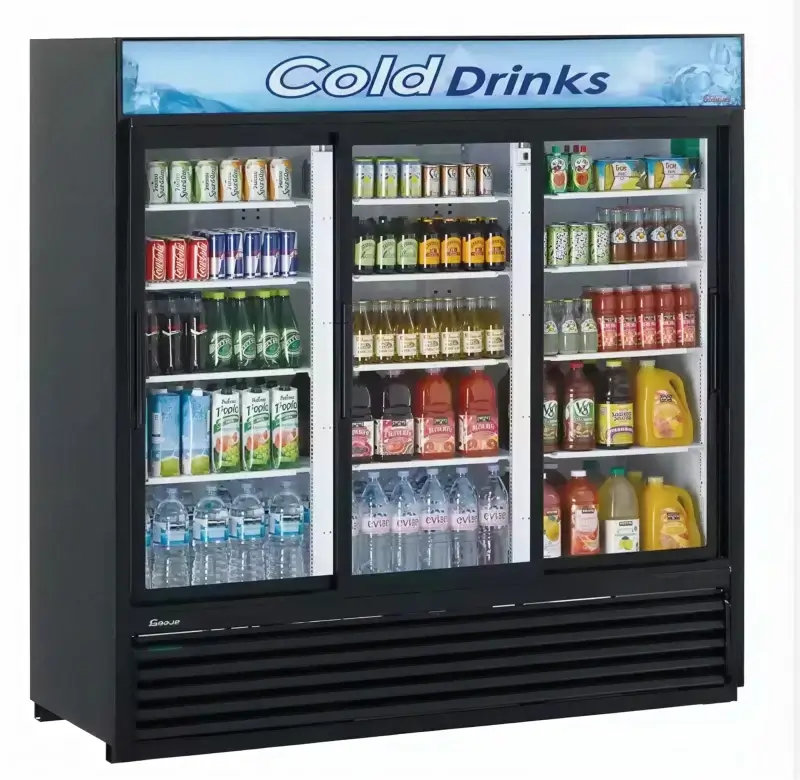
Multi-door units—three, four, or even five doors—are well-suited to high-volume settings. Their arrangement makes it easy to separate categories, with sodas on the left, energy drinks in the middle, and water on the right.
Why Product Zoning Drives Impulse Purchases
Grouping products this way helps shoppers move through the selection faster. Studies by retail merchandising consultants consistently show that clear zoning increases average basket size.
How Double-Door Units Balance Space and Visibility
A Double Door Display Refrigerator provides roughly twice the merchandising surface without requiring a similarly large increase in floor space. For mid-sized retailers, that combination makes the format a popular choice.
Multi-Door Configurations for High-Volume Sales
Multi-door units—three, four, or even five doors—fit high-volume settings. Their arrangement makes it easy to separate categories, with sodas on the left, energy drinks in the middle, and water on the right.
Why Product Zoning Drives Impulse Purchases
Grouping products this way helps shoppers move through the selection faster. Studies by retail merchandising consultants consistently show that clear zoning increases average basket size.
Side-by-Side Comparison
| Feature | Single-Door | Double-Door | Multi-Door (3+) |
| Typical Capacity | 8–15 cu ft | 30–50 cu ft | 60–100+ cu ft |
| Ideal Business Size | Small | Medium | Large |
| Energy Use (avg.) | Low | Moderate | Higher |
| Product Variety | Limited | Broad | Extensive |
| Upfront Cost | $ | $$ | $$$ |
| Restocking Frequency | Daily | 2–3x weekly | Weekly bulk loads |
These figures represent general market observations; actual values vary by brand, compressor efficiency, and door insulation quality.
Traffic Patterns Should Drive the Decision
Customer movement around the cooler is often overlooked. If two shoppers reach for drinks at once, a single-door unit may leave one waiting. With multiple doors, people can spread out and browse simultaneously without getting in each other’s way.
Bar managers often report a different pattern. Since staff repeatedly need quick access to the contents, undercounter units or back-bar models with sliding or hinged doors usually make more sense than tall merchandisers with glass doors. The key question is who opens the doors more often: customers or employees.
Questions Operators Should Ask Before Buying
- How many beverage SKUs does the business carry?
- How many customers are there during peak hours?
- Can the space accommodate the door swing when the doors are fully open?
- Will the unit sit in direct sunlight or near a heat source?
- Is there enough room to expand the product selection later?
Answering these questions early can help prevent costly replacements. Buying a Double Door Display Refrigerator only to discover that the floor plan cannot accommodate it wastes both money and momentum.
Energy and Long-Term Cost Considerations
Multi-door commercial beverage refrigerators consume more electricity overall, but their energy use per cubic foot is often lower. Because the compressors are larger, they can maintain steadier cycles rather than repeatedly starting and stopping. Regardless of size, LED lighting, ECM fan motors, and low-E glass help reduce operating costs. The number of doors matters less than selecting modern components.
Maintenance schedules differ as well. On single-door units, the condenser typically should be cleaned every three months. Multi-door systems use larger coils and move more air, which lets them go somewhat longer between cleanings. Still, when a problem arises, professional servicing is needed.
Making the Final Call
The best layout comes down to the capacity the demand truly calls for. If there is not enough room, staff struggles, and customers encounter bare shelves. Oversizing the setup creates a different problem: it consumes valuable floor space and raises utility costs. Before making a decision, careful operators compare beverage refrigerator sales figures with the square footage available.
Commercial beverage refrigerators are one of the most noticeable investments in a food or drink business. Their design does more than keep beverages cold—it can also shape customers’ impressions of the store’s professionalism and product selection.
FAQ
How long do commercial beverage refrigerators typically last?
A: Properly maintained, these units can last 10–15 years. Regular condenser cleaning, gasket inspections, and professional servicing every 12 months can extend their working life considerably.
Can a single-door unit meet the needs of a small bar?
A: Yes, as long as daily bottle turnover stays under 150 units. Above that point, a double-door model—or an undercounter unit with multiple compartments—is usually justified.
Do glass-door refrigerators cost more to operate than solid-door models?
A: Slightly. Glass allows some heat to pass through, but Low-E coatings and triple-pane construction narrow the difference, leaving an annual energy gap of roughly 8–12%.