
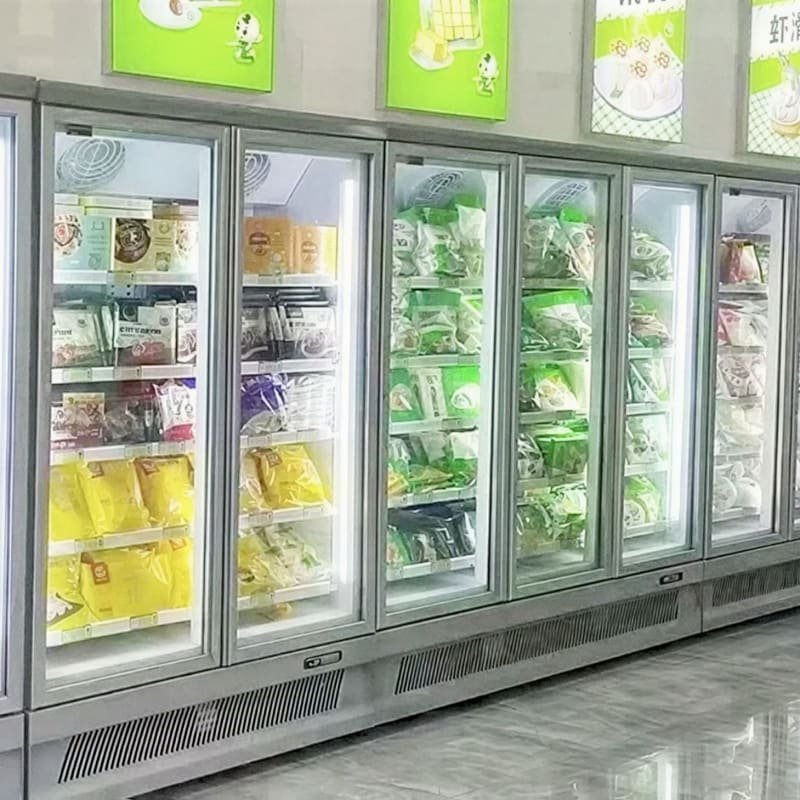
The Short Answer: Yes, But Not All Units Are the Same
High-traffic businesses—such as convenience stores, bars, and cafés—can open cooler doors hundreds of times each day. Refrigerators intended for commercial beverage service are generally the only ones built to handle that kind of use without reduced cooling performance or a shorter lifespan. Residential models and lightly constructed units often break down within months under such demanding conditions.
The gap usually comes down to three factors: compressor strength, door design, and the speed at which the unit returns to its set temperature. When those features fit the venue’s customer flow, the refrigerator can keep sales moving rather than turning into a recurring repair issue.
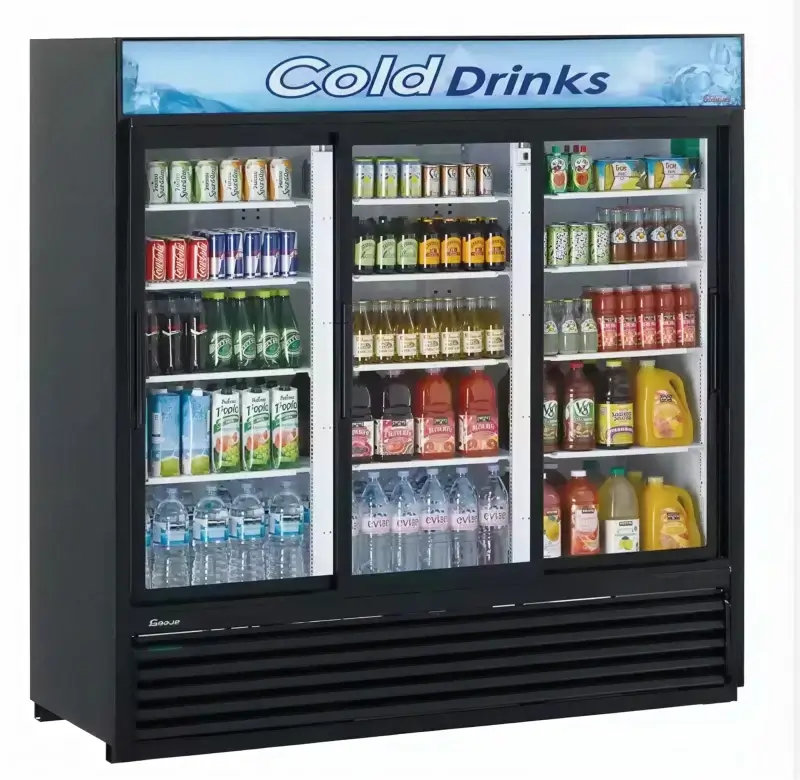
What Makes a Beverage Refrigerator High-Traffic Ready
Many coolers are not designed for demanding commercial use. A look at their internal components can show which models are equipped to handle high-volume operations.
Compressor Grade Matters Most
The compressor is at the center of the appliance’s operation. In heavy-duty models, it can run more frequently without overheating while maintaining stable temperatures, even with constant door opening. Operators should review the compressor specifications before making a purchase.
Door Design and Gasket Quality
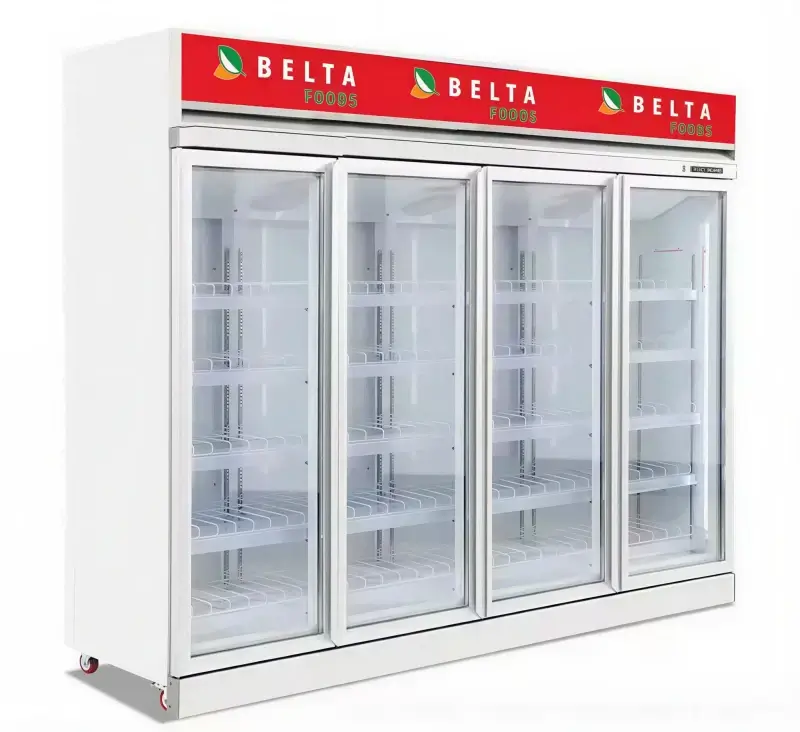
In high-traffic settings, doors take the most abuse. Reinforced hinges, self-closing mechanisms, and premium gaskets help keep cold air from escaping. Double- or triple-pane glass lets a Commercial Glass Door Refrigerator display its products for merchandising while improving thermal insulation and efficiency.
Rapid Temperature Recovery
Whenever the door opens, warm air gets inside. Units designed for busy venues can return to their setpoint in minutes rather than hours, helping maintain beverage quality while putting less strain on the compressor.
Comparing Unit Types by Traffic Capacity
Not every refrigerator format suits the same level of customer traffic. The table below compares how three common commercial styles manage daily door openings.
| Refrigerator Type | Ideal Traffic Level | Door Openings/Day | Best Use Case |
| Beverage Refrigerator (undercounter) | Low to Medium | 50–150 | Small cafés, offices, hotel rooms |
| Commercial Glass Door Refrigerator | Medium to High | 200–500 | Convenience stores, retail floors |
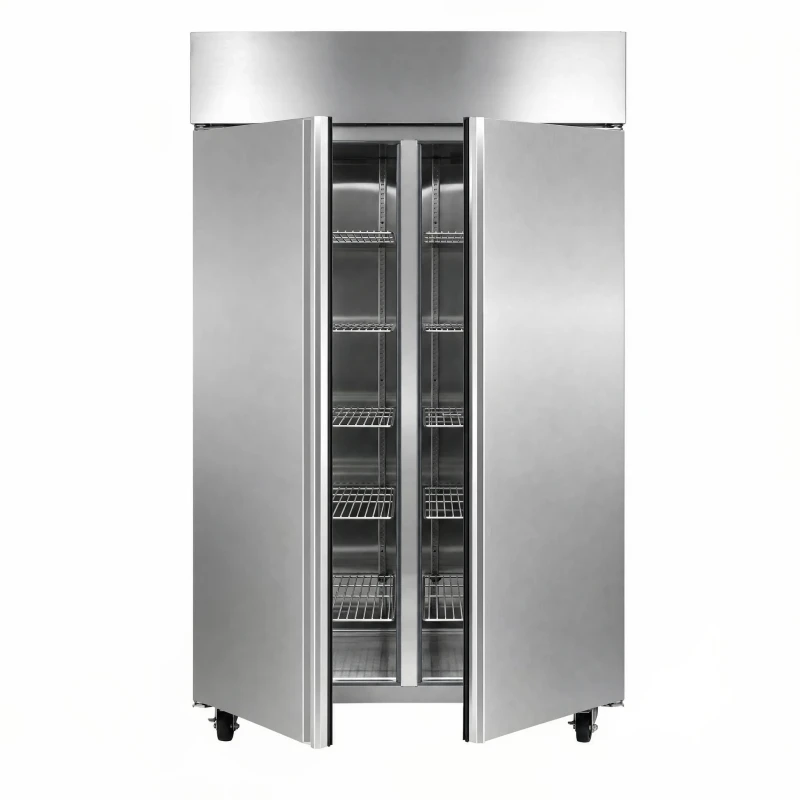
| Commercial Reach-In Refrigerator | High | 300–700+ | Bars, restaurants, back-of-house |
A freestanding Beverage Refrigerator is built for a different setting than a unit serving a busy storefront. Understanding that distinction can help operators avoid costly mismatches.
Signs Your Current Unit Cannot Keep Up
Early warning signs often go unnoticed, and many operators wait until the unit has completely broken down before taking action. The following symptoms indicate that the current cooler may be having trouble keeping up with heavy traffic:
- Frost building up around the door seal
- Beverages reaching room temperature during peak hours
- The compressor running continuously rather than cycling off
- Condensation developing on shelves or walls
- Unusual noises during periods of heavy use
If any of these symptoms show up, check for signs of refrigeration failure before the problem turns into total equipment loss.
Best Practices for Extending Lifespan in Busy Venues
Even dependable commercial beverage refrigerators require careful use. Consistent routines can help operators extend equipment life and reduce energy bills.
- Restock during off-peak hours to avoid leaving the doors open for extended periods.
- Clean the condenser coils once a month, which helps prevent overheating.
- Inspect the door gaskets every three months and replace them as soon as they begin to show wear.
- Leave space around the unit to allow proper air circulation.
- Staff should close the doors firmly and avoid leaning on the glass panels.
A Commercial Reach-In Refrigerator in a busy kitchen relies heavily on staff discipline. Once employees understand the equipment’s limits, they are more likely to use it properly, reducing wear on the hinges and compressors.
Choosing the Right Model for Your Venue
Matching capacity to demand remains the most common purchasing mistake. An undersized unit may run continuously, while an oversized model wastes energy. A practical approach considers:
- Peak-hour demand matters more than the average volume sold each day.
- The product mix matters, too—wide bottles, tall cans, or both.
- Available floor space and customer movement through the area also need consideration, as do the unit’s energy-efficiency rating and long-term operating cost.
- Check the warranty coverage on the compressor specifically.
Venues where traffic rises and falls often benefit from using more than one format. A glass-door merchandiser at the front can catch customers’ attention; in the back, a solid-door reach-in offers more bulk-storage space.
Final Verdict
Commercial beverage refrigerators stand up to heavy traffic when operators select suitable specifications and maintain the units properly. Although commercial-grade equipment costs more, that expense is repaid through reliable performance, reduced energy use, and consistent beverage quality—details customers notice.
In a busy, high-volume venue, cutting refrigeration costs often leads to bigger expenses down the road. Experienced operators know the equipment can either support the business or steadily drain its profits.
FAQs
How many times can a commercial unit be opened each day?
Quality commercial beverage refrigerators, when properly sized, can withstand 300–700 openings per day. The precise limit depends on the compressor grade and the quality of the gasket.
Is a glass door or a solid door better for busy environments?
In back-of-house areas, solid doors are more effective at keeping the cold in. At the front of a venue, though, glass doors may prompt impulse purchases. For merchandising, a Commercial Glass Door Refrigerator is usually the better fit; for storage in the back, a Commercial Reach In Refrigerator makes more sense. The unit’s role should determine which door type you choose.
What warranty coverage should B2B buyers expect?
Well-regarded manufacturers usually cover compressors for 2–5 years, while parts receive 1–2 years of coverage. Commercial buyers should check whether labor is included, too, and find out how promptly service requests are addressed.