
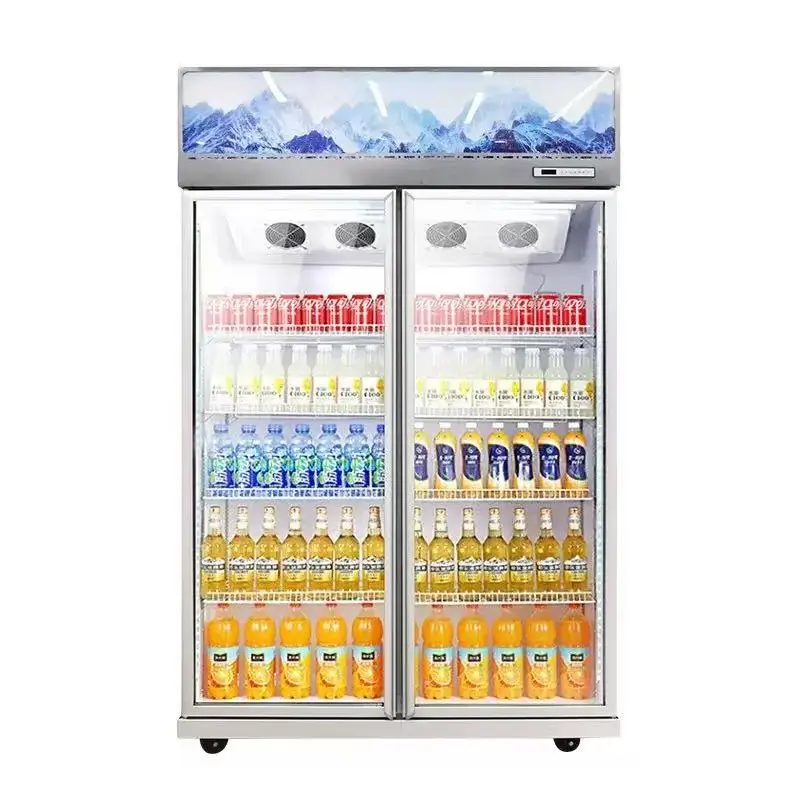
Choosing a two-door commercial refrigerator is not simply a matter of comparing cubic-foot capacity. Workflow, ambient heat, and door-swing clearance all affect how well the unit will perform; overlook them, and operators may end up replacing it within three years. Size should be determined by the refrigerator’s role—perhaps a reach-in on a prep line, or a display model at the front of the house—so experienced buyers assess operational demand before settling on capacity.
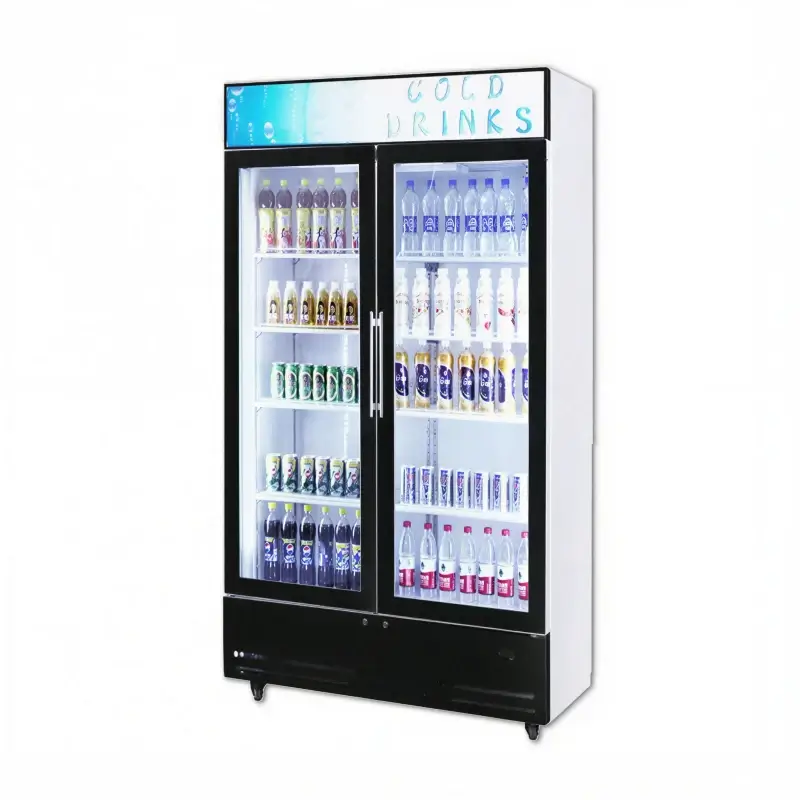
Why Sizing Matters More Than Buyers Assume
A properly sized two-door commercial refrigerator must meet three demands at once: store a full day’s mise en place, recover its temperature quickly after the doors are opened, and fit the kitchen’s physical limits without blocking traffic. If the unit is undersized, staff often cram the shelves, restricting airflow and making the compressors work through duty cycles that reduce their lifespan. An oversized model brings a different problem: it uses energy and floor space that a busy kitchen may not have to spare.
Field observations indicate that many independent restaurants underestimate their refrigeration requirements by about 20%. Menu expansion, catering orders, and seasonal-produce storage can all demand room that was missing from the original specification.
Standard Sizing Benchmarks
Two-door units typically fall into three footprint categories. The table below lists common dimensions used in the Commercial Refrigerator category:
| Type | Width | Depth | Capacity | Typical Use |
| Compact Two-Door Commercial Refrigerator | 48–52 in | 30 in | 30–36 cu ft | Cafés, small bistros |
| Standard Two-Door Commercial Refrigerator | 54–56 in | 32 in | 45–49 cu ft | Full-service restaurants |
| Wide Two-Door Commercial Refrigerator | 60–72 in | 34 in | 55–72 cu ft | Hotels, high-volume kitchens |
These figures are a starting point, not a final answer. The right choice depends on how the refrigerator will be used day to day—mainly for storage, display, or fast access.
Matching Type to Function
Two-door units can serve very different purposes. The model should fit the role it will have on the floor:
- Back-of-house storage: A Commercial Reach In Refrigerator works well in prep areas, where staff need quick access to bulk ingredients, and customers do not need to see the products.
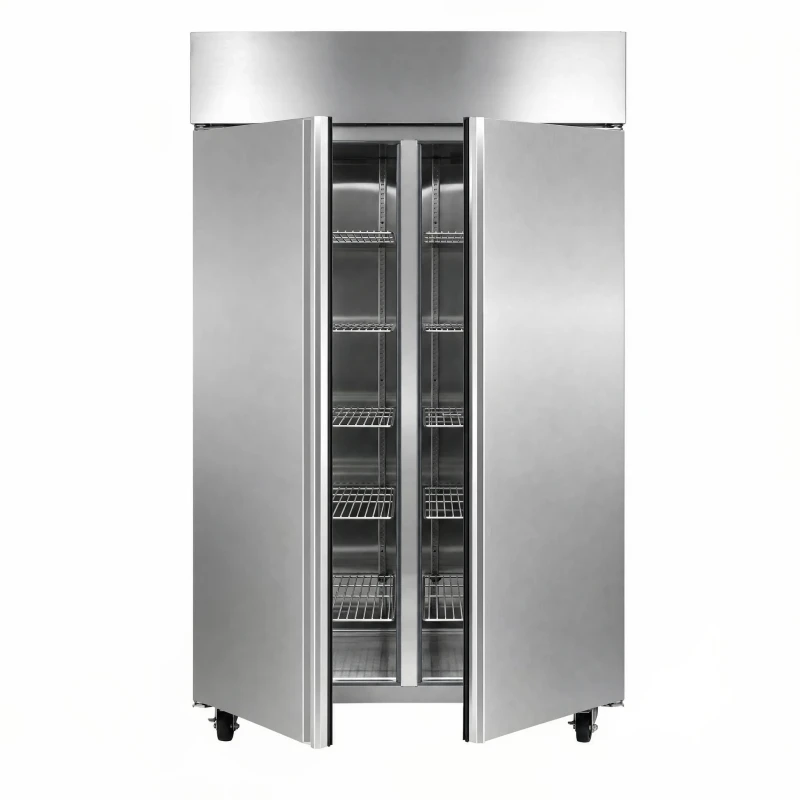
- Front-of-house merchandising: When product visibility can help sell beverages, grab-and-go items, or similar products, a Double Door Display Refrigerator is the better option.
- Hybrid layouts: Some kitchens combine the two—a reach-in for prep and a glass-door unit for service—rather than installing a pair of the same type.
Calculating the Right Capacity
Cubic footage alone can give buyers the wrong impression. A more useful method accounts for covers per day as well as menu complexity. Many operators use this practical formula:
Estimating the right capacity starts with the number of daily covers. A standard menu typically requires about 1.5 cubic feet per cover. After calculating that figure, add a 15–20% buffer to account for prep days and deliveries. Finally, subtract any existing capacity already provided by walk-in coolers or undercounter units.
For instance, a café serving 200 covers a day with no walk-in will generally need 45–50 cubic feet, placing it firmly in the standard two-door range. A bistro with the same daily volume may need 55+ cubic feet if its 40-item menu requires it to stock a broader mix of ingredients.
Ambient and Airflow Considerations
The surrounding kitchen temperature can significantly affect how well a refrigerator performs. A unit rated for 38°F ambient conditions may have difficulty keeping up in a line station where temperatures reach 90°F beside a flat-top. Buyers should:
- Check the unit’s climate-class rating.
- Leave at least 3 inches of clearance behind and above the cabinet.
- Position the compressor side away from heat sources.
Door Configuration and Workflow
Solid doors retain temperature more effectively and cost less to operate, which is why they remain the standard choice for storage. Glass doors consume more energy, yet the visibility they offer can make that tradeoff worthwhile when product turnover gives display value greater importance. Half-door and split-door designs fall somewhere in between, especially at stations where staff open one side far more frequently than the other.
Door swing direction matters, too. In a narrow galley layout, a door that opens into the aisle may create a bottleneck during service. Field-reversible hinges offer greater flexibility, although not every model includes them.
Energy and Long-Term Cost
ENERGY STAR-rated two-door commercial refrigerators typically consume 15–25% less electricity than baseline models. Over a seven-year service life, the resulting savings often exceed the upfront price premium. Commercial refrigeration equipment guides based on industry standards provide further context when comparing categories, and regular maintenance helps a properly sized unit retain those efficiency gains.
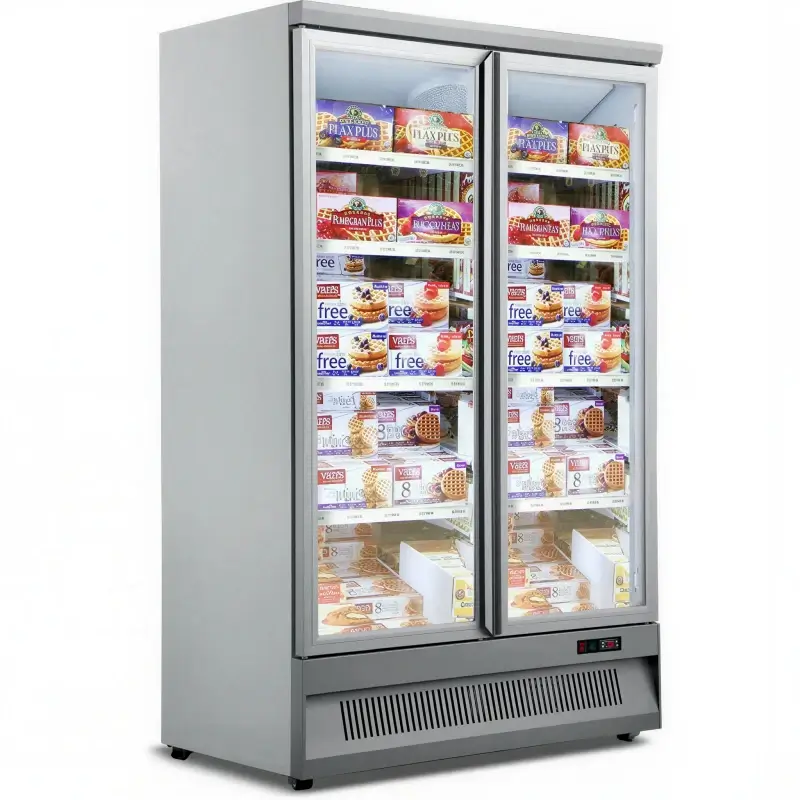
Final Sizing Checklist
Before placing an order, buyers should verify several practical points:
- Clearance at doorways and throughout the delivery route
- Electrical requirements (115V versus 208/230V)
- NSF and UL certifications required in the intended jurisdiction
- Shelving arrangement and adjustability
- Warranty coverage for the compressor and other parts
A two-door commercial refrigerator may look suitable on paper, but it will not work if it cannot pass through the kitchen door.
FAQs
How much clearance is needed for a two-door commercial refrigerator?
Allow at least 3 inches on each side and behind the unit, plus 6 inches above it. This gives air room to circulate and helps keep the compressor from overheating.
Is a glass door or solid door better for a busy restaurant?
For back-of-house storage, solid doors are usually the better choice since they offer better insulation. When customers’ ability to view the products affects their purchasing decisions, glass doors are more appropriate. A Double Door Display Refrigerator works well at the front of the house, whereas a Commercial Reach In Refrigerator is better for storage in the back.
How long should a commercial two-door refrigerator last?
With the right size and regular maintenance, it should serve reliably for 10–12 years. Poor ventilation or a unit that is too small may reduce its lifespan to 5–7 years.