
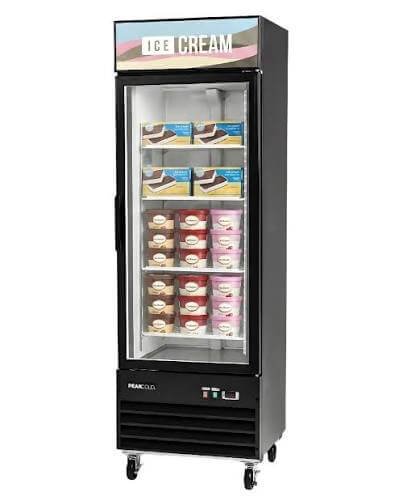
Walk into an ice cream shop, and the display case usually makes the first impression. A well-built cabinet starts selling the product before the customer has even opened the door. A poorly made one gathers frost, leaks, and soon looks tired. Whether it sits in a polished gelato parlor or a busy convenience store, an ice cream freezer’s reliability often depends more on its materials than on its brand name.
Why Cabinet Materials Matter More Than Expected
Each day, a display freezer has to withstand three threats: changing temperatures, cleaning chemicals, and curious customers leaning against the glass. If its materials fail against even one, the case will wear out sooner, and the presentation will suffer. Most shop owners do not consider material choice until a dent shows up or a panel fogs. By then, the purchase is already influencing the customer experience.
Comparing the Main Cabinet Materials
Every material brings different benefits and trade-offs. The table below outlines what operators can expect from these common construction choices.
| Material | Strengths | Weaknesses | Best For |
| Tempered Glass | Clear product visibility, modern appearance, easy to wipe down | Heavy, expensive, risk of condensation | Storefronts and high-traffic displays |
| Stainless Steel | Durable, easy to sanitize, resistant to corrosion | Poor thermal insulation, cold to the touch | Back-of-house storage and prep |
| Coated Aluminum | Lightweight, corrosion-resistant, affordable | Dents more easily, less premium feel | Budget-conscious operations |
Tempered Glass: The Showcase Factor
A well-designed ice cream freezer display case puts the product in full view behind tempered glass. The sight of gelato under inviting lighting can sell a scoop more effectively than almost anything else. No other panel offers that same level of visibility. Since tempered glass can withstand the thermal shock of sudden temperature changes, most units use it on three sides, so the display looks appealing from nearly any angle.
The trade-off shows up most clearly during maintenance. Humid air meeting cold surfaces produces condensation, so glass units often come with heated frames or anti-fog coatings. Daily cleaning brings its own requirements: operators need suitable microfiber cloths and streak-free solutions to keep the cabinets looking bright.
Stainless Steel: The Workhorse Choice
Stainless steel handles the demanding work in places where appearance matters less. In many configurations, glass fronts are paired with steel bodies and interiors, so shops get clear product visibility without sacrificing durability. The material also resists corrosion from acidic cleaning agents and remains reliable through relentless sanitizing schedules.
For a display freezer in a deli or convenience store, steel construction can make operating costs more predictable. The metal surfaces are resistant to stains, though they also conduct cold; manufacturers typically address that by adding thicker foam insulation. Buyers should check the spec sheet to verify this rather than assume it.
Durability and Corrosion Resistance
The primary advantage of stainless steel lies in its ability to withstand heavy use and harsh cleaning chemicals. Unlike other materials, it does not rust, stain, or absorb odors, making it the preferred choice for high-turnover kitchens and retail settings where sanitation is a daily priority.
Thermal Performance and Insulation
Stainless steel conducts cold more readily than other materials, which means manufacturers must compensate with denser foam insulation. Operators should verify insulation thickness on the spec sheet, as this directly affects energy efficiency and temperature consistency inside the cabinet.
Coated Aluminum: The Practical Middle Ground
Coated aluminum forms a corrosion-resistant shell while adding little weight, which cuts shipping costs and simplifies installation in tight spaces. For budget-conscious shops, it makes sense when the cabinet will be placed in a moderate-traffic area rather than a prime storefront spot. The lighter gauge can dent more easily, though, meaning delivery drivers and staff must handle it with care.
How Traffic Level Should Guide the Choice
The right material depends largely on the type of contact it will face. In areas with heavy traffic, operators often benefit from glass-heavy construction set in stronger frames. Steel or aluminum may be enough for back-of-house storage. Matching the material to the expected contact helps preserve the appearance and supports the operating budget over time.
Business priorities make the reasoning fairly clear:
- Storefront visibility draws customers in, so glass usually takes the lead in the front presentation.
- Since daily cleaning is frequent, steel is often the preferred choice for its resistance to stains and corrosion.
- When project budgets are tight, aluminum can leave more money available for other equipment.
- Rising energy costs shift attention toward thicker insulation, regardless of the surface material.
Common Wear Patterns Operators Notice
After years of inspecting cabinets in the field, certain failure patterns keep recurring. Door gaskets on aluminum frames tend to harden first. On units that see heavy traffic, glass-door hinges loosen sooner, and stainless surfaces near sinks develop spots when staff fail to dry them properly. None of these problems will likely ruin a unit, but each one can shape long-term satisfaction.
Practical maintenance observations:
- Clean the glass with non-abrasive cloths to avoid micro-scratches.
- Check gasket seals each month, since losing cold air makes the compressor work harder.
- Avoid steel wool on stainless steel. It may leave scratches that are prone to rust.
- Allow aluminum frames to dry completely to protect the coating.
Making the Final Decision
For most small and mid-sized shops, a tempered-glass front with a stainless-steel body is the soundest choice. It gives the cabinet an appealing look while standing up to everyday use. Those working with tighter budgets may start with coated aluminum and still keep the unit clean and presentable. Material selection should reflect each operator’s traffic, cleaning routine, and plans for growth; it shapes both the initial impression and the costs of running the cabinet over time.
FAQ
Q1: How often should a display freezer’s glass be professionally cleaned?
Wiping it down daily with the proper cloth is enough. For streaks or watermarks, arrange a deeper clean once a week, preferably during low-traffic hours.
Q2: Does coated aluminum hold up in high-humidity environments?
Yes. Its coating resists corrosion. Staff should still dry the frames thoroughly after cleaning, which helps keep the coating from breaking down over several years.
Q3: Is tempered glass worth the higher upfront cost?
For storefronts, yes. The products customers see through the glass have a direct effect on sales and influence how fresh everything appears.