
Why Interior Coating Matters
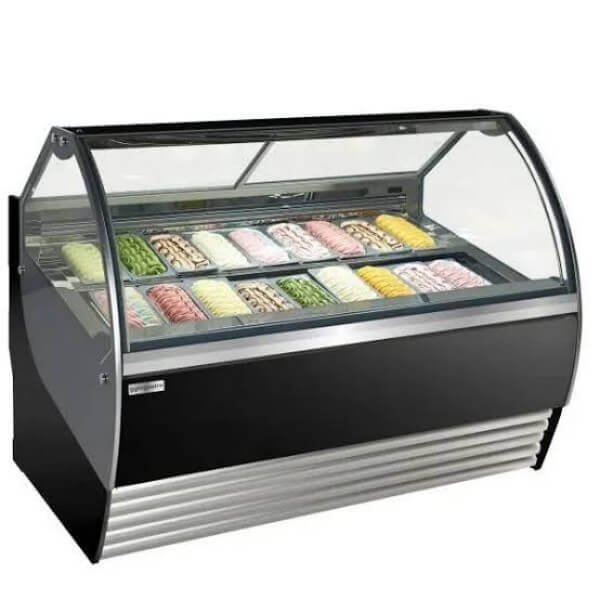
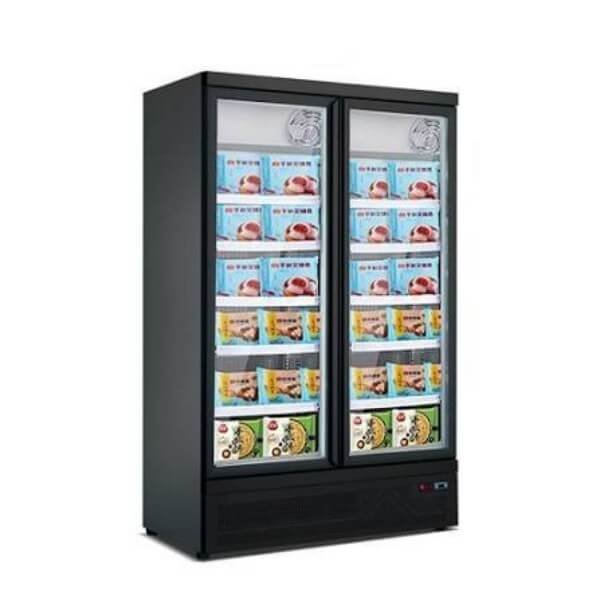
Buyers usually judge a commercial ice cream display freezer by its glass, lighting, and cooling capacity. The interior coating rarely enters the sales discussion, even though it may affect how long the unit stays in service. Rust inside the freezer is not merely a cosmetic problem. It can contaminate products, damage the shell, and shorten the cabinet’s overall working life.
The Five-Year Test: Why Some Freezers Last and Others Don’t
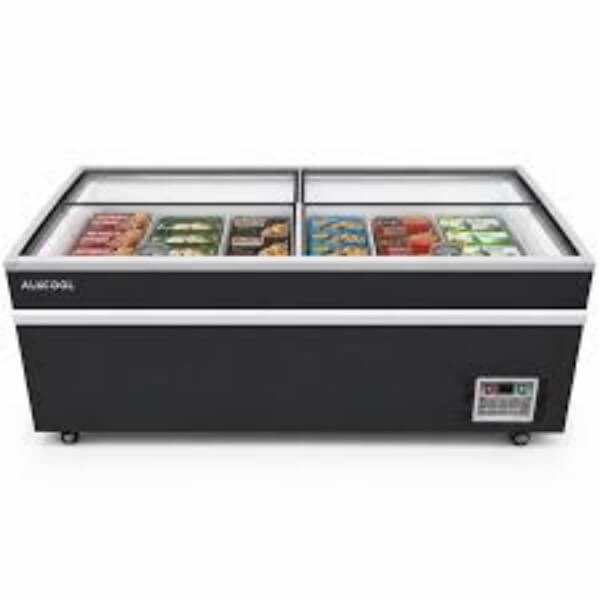
Experience in supermarkets and dessert shops points to the same conclusion. Units fitted with high-quality interior coatings often still look presentable after five years; those covered with cheap coatings may develop rust spots before their second summer ends. The difference is not luck. It comes down to material science.
Three Reasons Rust Starts Inside a Freezer
Repeated temperature changes during defrost cycles create condensation
Cleaning chemicals slowly erode protective layers
The coating surface can be damaged by impacts during loading and unloading
Each cause is manageable on its own. Together, they help explain why some freezers rust within a year while others last a decade.
How Rust Actually Develops Inside the Cabinet
Rust does not appear overnight. It follows a predictable sequence, and understanding that process helps operators respond early. Moisture settles into microscopic scratches. Oxygen then reacts with the exposed metal, and corrosion spreads outward from that starting point.
The Step-by-Step Progression from Scratch to Corrosion
Inside Ice Cream Freezers, rust can develop quickly as repeated defrost cycles shift the temperature. When warm air meets the cold metal, condensation forms. A tiny flaw in the coating may be enough for moisture to seep through, and once rust starts, it rarely stops on its own.
The Hidden Cost of Ignoring Early Rust Spots
Small rust patches are easy to dismiss. An operator might paint over one or hope the freezer lasts until the next budget cycle. That decision often backfires. Corrosion continues beneath the paint, weakening the shell before eventually reaching the insulation layer. Once moisture gets into the insulation, cooling efficiency drops, and energy bills can climb quietly for months before anyone notices.
Comparing Common Interior Coating Materials
Coatings do not all hold up equally in freezer environments. The table reflects observations from long-term retail installations and reports from technicians.
What the Corrosion Resistance Numbers Actually Mean for Your Freezer
| Coating Type | Corrosion Resistance | Typical Lifespan | Best Use Case |
| Stainless Steel 304 | Excellent | 10+ years | Premium units, high humidity |
| Galvanized Steel | Moderate | 3 to 5 years | Budget models, dry climates |
| Powder-Coated Steel | Good | 5 to 8 years | Mid-range units, standard use |
| Aluminum Liner | Very Good | 8+ years | Lightweight designs, quick defrost |
| Painted Cold-Rolled | Poor | 1 to 3 years | Short-term or seasonal use |
Reading Between the Lines of a Spec Sheet
Suppliers often promote a “stainless interior” without saying which grade they use. That omission matters in a freezer environment, where the difference between 201 and 304 stainless is substantial. Salt exposure, sugar residue, and repeated cleaning can make Grade 201 corrode surprisingly quickly. Grade 304, by contrast, holds up for years. Buyers who ask for the exact grade usually get more useful answers from serious suppliers.
Practical Habits That Prevent Rust
Preventing rust costs far less than replacing equipment. A handful of regular maintenance habits can help keep the interior of a commercial ice cream display freezer in good shape for years.
A Weekly and Monthly Maintenance Routine That Works
Each week, clean the interior with a mild, non-chloride cleaner, then dry all surfaces thoroughly. Once a month, inspect the corners and seams for early signs of rust. When stocking the freezer, handle products carefully to keep metal trays from scraping the walls.
Address any scratch immediately with food-safe touch-up coating
Cleaning Chemicals to Avoid
Chlorine-based cleaners can destroy an interior coating with startling speed. They attack stainless steel at the molecular level, creating pits that give rust a place to form. Ammonia-based products can cause similar damage over time. After switching to neutral pH cleaners, operators typically see a visible improvement within a few months. The same rule holds for any Display Freezer in a high-turnover retail environment.
Design Choices That Help Prevent Rust
Rust can originate in a freezer’s construction rather than in the way people use it. Thoughtful design includes details that may go unnoticed but can lengthen the unit’s service life.
Five Design Features That Minimize Corrosion Risk
Rounded interior corners reduce places where water can pool
Drainage channels direct defrost water away from seams
Sealed edge welds eliminate exposed metal joints
Removable liners allow thorough cleaning without harming the shell
Anti-condensation glass that reduces moisture transfer to the interior
These details rarely appear in marketing copy. Yet over five years, they matter more than the lighting or the number of shelves. A well-built Glass Top Island Freezer is designed along many of the same lines, and bulk formats depend on moisture control too.
Why Drainage Design Matters More Than Coating Alone
Even the best coating can fail when water sits on the surface for hours after a defrost cycle. Since any metal surface is vulnerable to standing water, the cabinet’s drainage design matters because it controls how quickly that water leaves. Buyers who check the drain path before purchasing can often avoid the most common rust complaints later.
Building a Long-Term Maintenance Rhythm
Rust prevention is not a one-time task. It has to become part of the store’s routine. Managers who keep freezers running longer generally combine weekly cleaning with quarterly inspections and professional servicing once a year. The expense is minimal compared with replacing a corroded unit before it reaches the end of its expected service life.
A commercial ice cream display freezer that receives this level of care often lasts several years past its warranty, and its interior can still look presentable when the unit is finally retired.
FAQ
How frequently should the inside of an ice cream display freezer be inspected for rust?
For most operations, inspecting the freezer visually once a month is enough. Focus on corners and seams, especially areas that often come into contact with cleaning tools or product trays.
Can small rust spots be repaired before the freezer needs to be replaced?
Yes, if they’re caught early. Food-safe touch-up coatings can seal small affected areas, but widespread corrosion usually calls for a professional assessment or replacement of the shell.
Which cleaning products are safe to use inside stainless steel freezer interiors?
Neutral-pH cleaners are the safest option. Avoid chlorine, ammonia, and abrasive pads: in humid freezer environments, they may damage the protective layer and accelerate corrosion.