
Why Convenience Stores Need Reliable Refrigeration
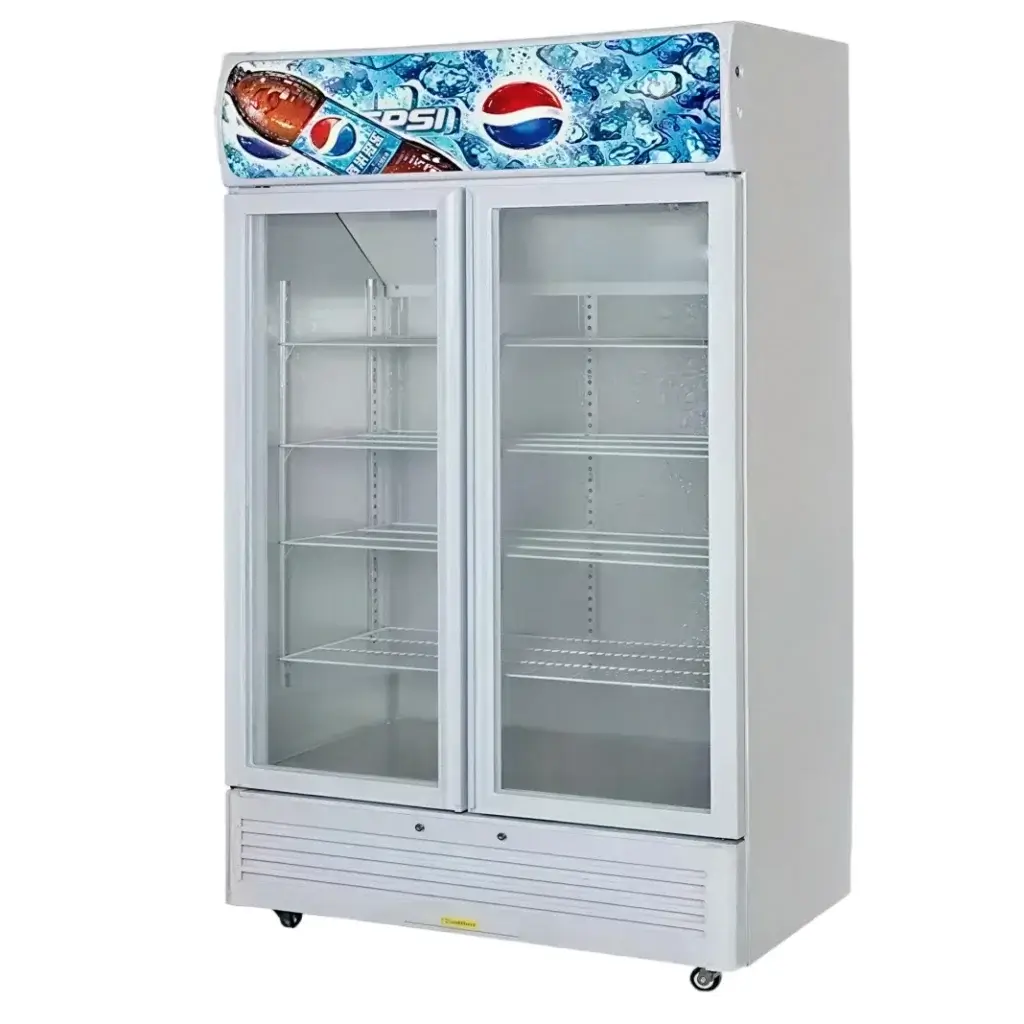
Convenience stores operate on narrow margins, which makes every square foot valuable. Product visibility directly affects sales, and when equipment is down, the resulting revenue loss can be substantial. A 2-door commercial refrigerator addresses both issues by providing accessible storage alongside reliable temperature control.
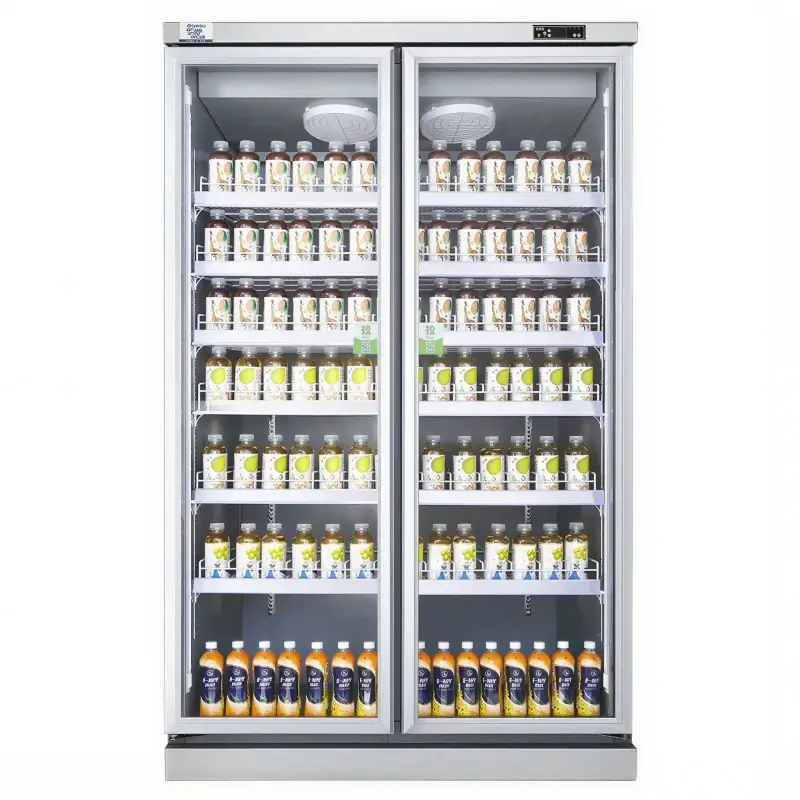
Store operators face a distinct set of pressures. Customers expect grab-and-go convenience, inventory turns over quickly, and energy costs can eat into profits. Refrigeration equipment has to do more than keep products cold. With thoughtful display planning, it can also contribute to sales.
Key Advantages of the 2 Door Configuration
Space Optimization Without Compromising Capacity
The two-door layout allows products to be positioned strategically. High-margin items can occupy eye-level space in one compartment, while bulk beverages remain in the other. Separating the compartments also reduces temperature mixing when either door opens. With a single-door unit, the whole chamber loses cold air whenever someone accesses it.
In smaller stores, every bit of floor space matters. A Double Door Display Refrigerator provides substantial storage capacity without occupying an excessive footprint, fitting into standard aisle layouts while keeping more products in clear view for shoppers.
Enhanced Customer Experience
Clear sightlines make browsing easier. With glass doors, shoppers can see the contents without opening the unit, helping limit temperature changes and unnecessary energy use. The two-door layout naturally divides the products, with dairy on one side and beverages on the other. During busy periods, this setup may help shoppers decide more quickly.
Accessibility keeps customer traffic moving. When several people shop at the same time, the dual-access design prevents the bottlenecks often created by single-door units.
Essential Features for Convenience Store Applications
| Feature | Benefit | Impact on Operations |
| LED interior lighting | Showcases products 24/7 | Reduces electricity costs by 60% vs. fluorescent |
| Self-closing doors | Maintains temperature consistency | Prevents energy loss from doors left ajar |
| Digital temperature controls | Precision cooling management | Reduces spoilage and compliance risks |
| Adjustable shelving | Accommodates varied product sizes | Increases SKU flexibility without equipment changes |
Low-E glass doors help limit condensation, keeping visibility clear even in humid conditions. For your store, the right model depends on how much capacity you need.
Calculate daily inventory turnover before deciding on the unit size. A Beverage Refrigerator in a convenience store generally holds 200-400 units, depending on its configuration. The right choice between a standard and high-capacity model depends partly on when demand is highest: during the morning coffee rush, at lunch, and during evening commutes.
Product mix matters as well. A shop centered on grab-and-go meals will need its shelves arranged differently than one that mainly sells beverages. Adjustable spacing allows the 2 door commercial refrigerator to accommodate those differences, but planning the layout carefully from the start can prevent costly modifications later.
Energy Efficiency Considerations
Operating costs can climb quickly. ENERGY STAR-certified units consume 20-30% less electricity than standard models. Variable-speed compressors help too, adjusting cooling output to match demand rather than cycling repeatedly at full power.
Climate class ratings matter as well. Stores in hot, humid regions need units rated for tropical conditions—climate class 4 or 5—so they keep performing when ambient temperatures exceed standard specifications.
Installation and Placement Best Practices
Where a refrigerator sits influences both sales and the equipment’s lifespan. It should be kept out of direct sunlight and separated from heat-producing appliances such as ovens and coffee makers. The condenser coils also need room to release heat—typically 3–6 inches on ventilated sides. Without that clearance, overheating may occur and shorten the compressor’s life.
Electrical requirements also deserve attention. Most Commercial Glass Door Refrigerator units operate on standard 115V circuits, but before connecting new equipment to an existing electrical system, verify that its amperage demand does not exceed the breaker’s capacity.
The floor must support both the refrigerator and its full load of products. Once fully stocked, a 2-door commercial refrigerator may weigh more than 800 pounds. Leveling it properly allows the doors to close as they should and helps prevent refrigerant-circulation issues.
Maintenance Protocols That Extend Equipment Life
Daily Operations
- Inspect door seals for gaps or damage
- Confirm that interior temperatures meet food safety standards
- Remove expired products promptly
- Wipe down the exterior surfaces and door glass
Weekly Tasks
- Clean the condenser coils to keep heat exchange efficient
- Check the door alignment and adjust the hinges if necessary
- Leave enough space between products to allow airflow
- Test the door-closing mechanisms
Monthly Requirements
A professional technician should inspect the refrigerant levels, compressor operation, and electrical connections. Routine maintenance costs less than emergency repairs and can help prevent unexpected downtime during high-traffic periods.
Comparing Different Refrigeration Options
Although convenience stores typically choose 2-door commercial refrigerator units, the alternatives clarify why. Single-door models suit smaller locations, but they provide less storage and are not as easy to access as dual-door designs. Three-door units offer more capacity; however, they usually occupy too much floor space for a typical convenience store.
Solid-door reach-in coolers cost less initially, but customers cannot see the products inside as easily, which can limit sales. Research has found that products displayed behind glass doors sell 30-40% better than identical items behind solid doors. That increase can make up for the modest price difference fairly quickly.
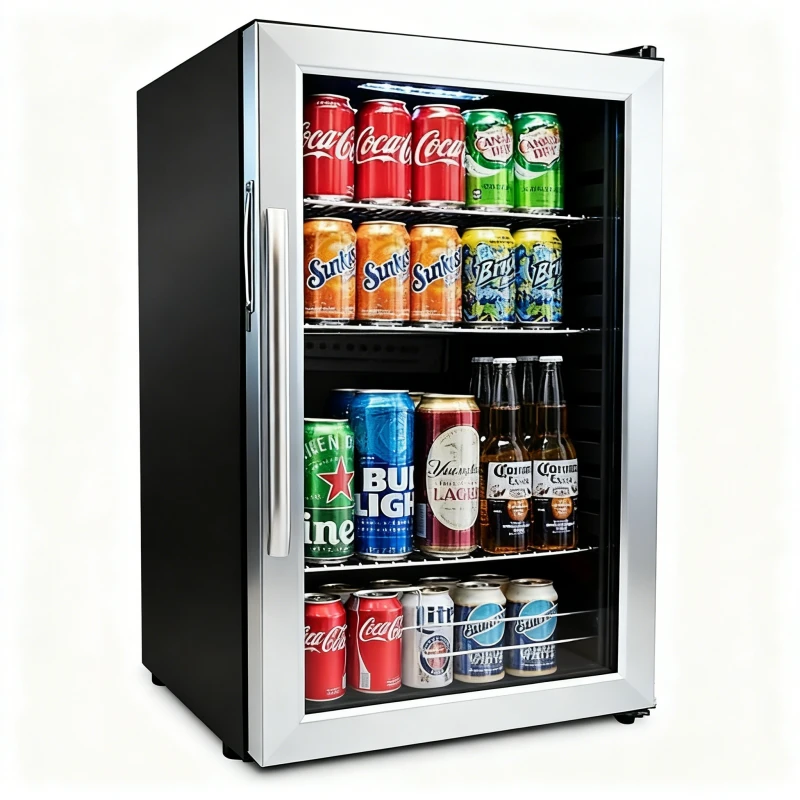
Dedicated Beverage Refrigerator units work well in stores that mainly carry cans and bottles because their shelves are angled for those products. The drawback becomes clear if the product range later expands into other categories: the unit offers less flexibility.
It is also worth considering how a 2-door commercial refrigerator affects kitchen workflow. When items are organized properly, staff can locate them instantly during rush hours and spend less time restocking, which directly improves service speed.
ROI Considerations for Store Owners
Spending more upfront on reliable refrigeration equipment can pay off over time. Energy bills may drop, less inventory goes to waste, and sales may increase. A mid-tier Double Door Display Refrigerator generally costs $2,000−$4,000; premium models with advanced features run from $5,000-$7,000.
Energy savings alone may recover 15-20% of the purchase cost each year. With temperature kept consistent, product loss falls by another 5-10%. Better product visibility also boosts sales, though its effect is difficult to measure precisely; the increase is observed consistently and often accounts for the largest share of the ROI.
Equipment lifespan deserves serious consideration. Kept properly maintained, commercial refrigerators can operate reliably for 10-15 years. Cheaper residential-grade models might look attractive initially, yet commercial demands can cause them to fail within 3-5 years—a false economy.
Future-Proofing Your Refrigeration Investment
Commercial refrigeration technology keeps moving forward. Smart monitoring systems can send real-time temperature alerts to smartphone apps, helping prevent spoilage when a malfunction goes unnoticed. IoT-enabled units track how often doors are opened and how long they remain open, revealing operational inefficiencies.
Refrigerant regulations increasingly favor options with less environmental impact. New Commercial Glass Door Refrigerator models use R-290 (propane) or R-600a (isobutane), which both have minimal global warming potential and meet tightening environmental standards.
Changing product assortments are also driving interest in modular equipment. Instead of replacing an entire unit, stores can reconfigure it; convertible shelving and adjustable temperature zones let the same refrigerators accommodate different product categories as consumer preferences shift.
Conclusion
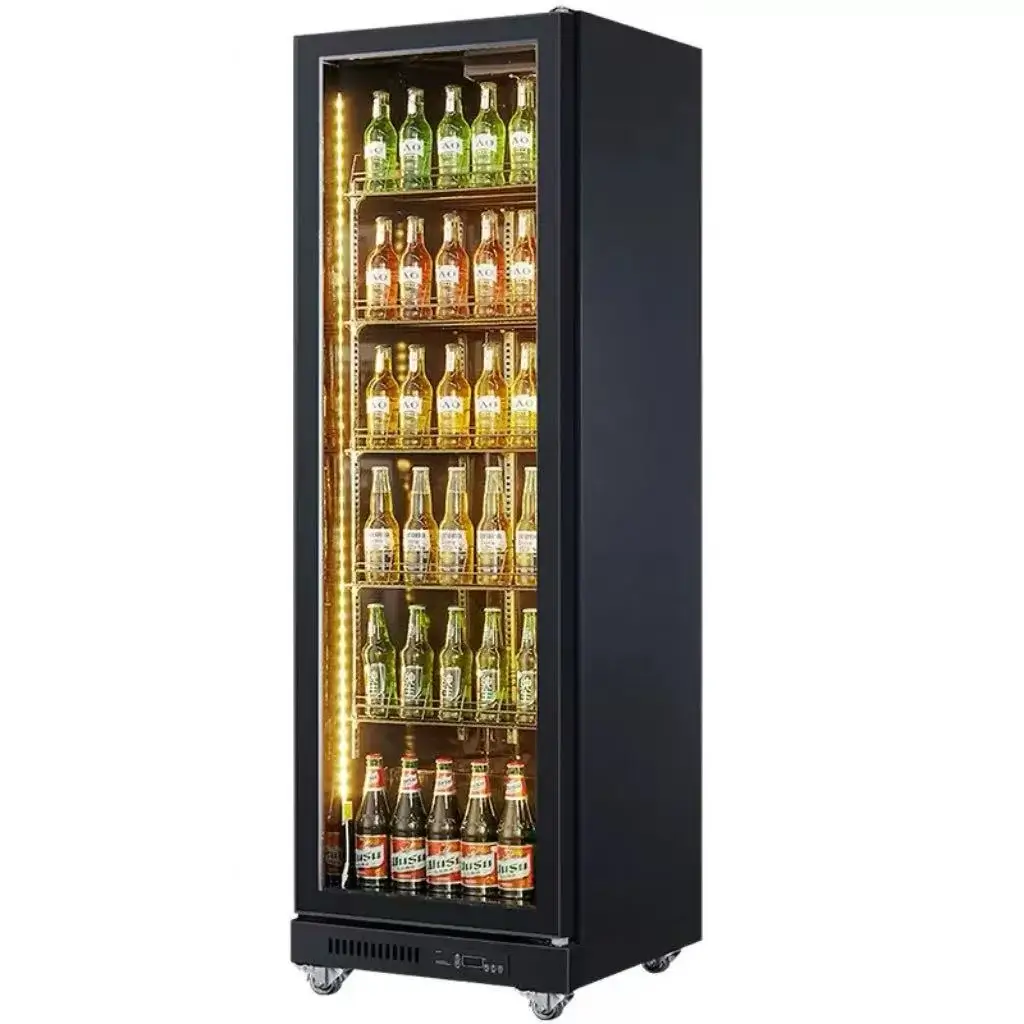
A 2-door commercial refrigerator gives convenience stores a useful combination of storage space, quick access, energy efficiency, and clear product visibility. Its two separate compartments support everyday operations and keep products easy for customers to spot and buy in a competitive retail environment.
Successful implementation means choosing equipment that fits each store’s needs, installing it properly, and staying on top of routine maintenance. When refrigeration systems are selected and operated well, they can reduce operating costs and increase revenue. That makes them essential infrastructure, not just another expense.
FAQ
How much electricity does a 2-door commercial refrigerator use each day?
Most modern ENERGY STAR models use about 3-5 kWh daily. That works out to approximately $1-2 per day, depending on local electricity rates and ambient conditions.
Can beverages and prepared foods be stored in the same unit?
Yes, provided both require similar temperatures, typically 33-38°F. Store them in separate compartments according to product type to reduce odor transfer and make inventory easier to manage.
When are major repairs typically needed?
With proper maintenance, the unit should provide reliable service for 10-15 years. In commercial applications, the compressor is usually the largest repair concern and generally needs replacement after 8-12 years.