
The Short Answer Before the Full Story
Why Visibility Drives Sales
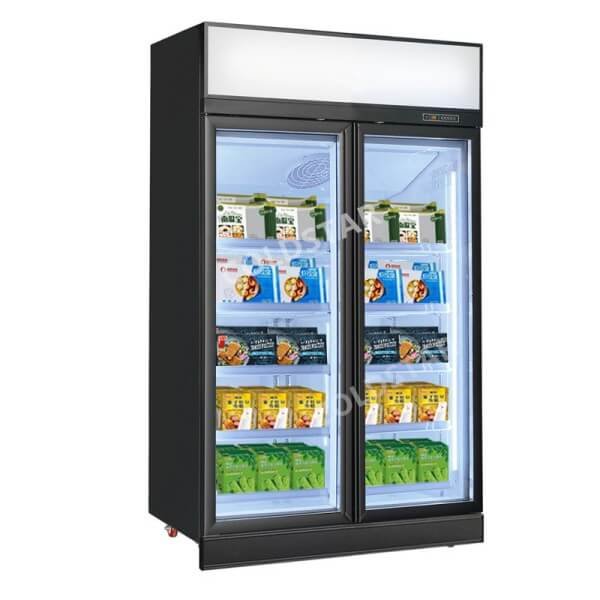
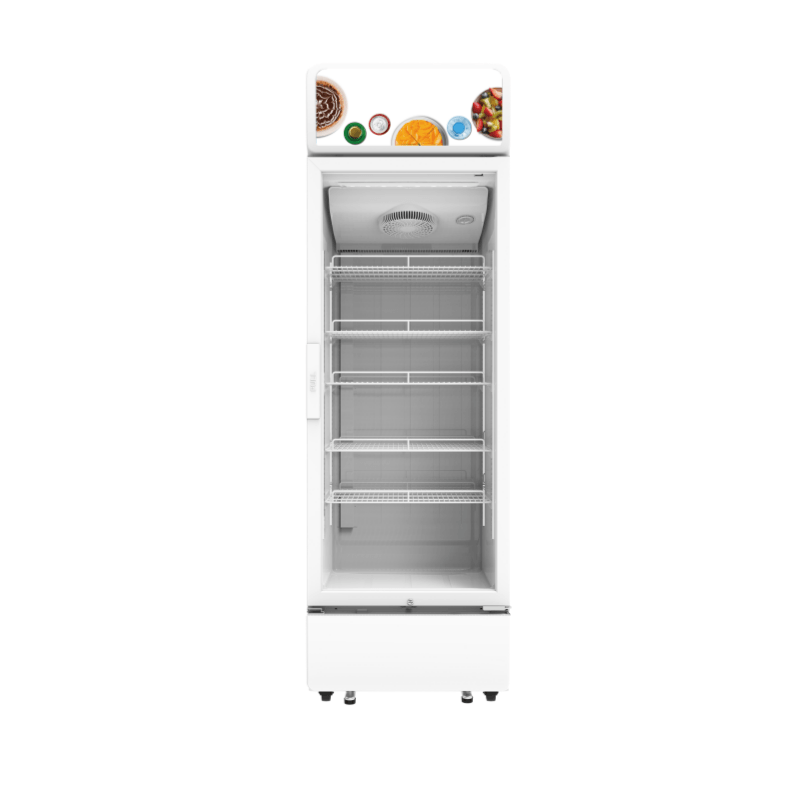
Visibility usually wins in retail, and that explains much of the answer. For impulse purchases and premium product presentation, a display freezer commercial unit almost always outsells a chest freezer. Chest freezers still have their place; they simply appeal to a different kind of buying behavior.
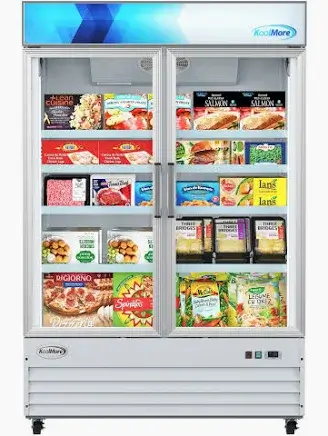
Observations from convenience stores, supermarkets, and dessert shops suggest a consistent pattern. Products positioned at eye level and placed behind clear glass sell faster than those kept under a lid. Visibility appears to be the reason. Shoppers generally choose what they can see, while few are willing to open a chest freezer just to check its contents.
The Three Sales Drivers Worth Naming
- Product visibility from the aisle
- Easy access without physical effort
- The impression of quality and freshness
Upright glass units support each of these drivers. Taken together, they explain the sales gap that store owners consistently report.
Why Display Freezers Convert Better in Retail
The Impulse Conversion Advantage
A well-positioned display freezer can turn frozen goods into part of a store’s visual appeal. Shoppers may notice the products as they pass, then add them to their carts despite having no prior intention to buy them. The industry calls this impulse conversion, and it accounts for a large share of frozen food revenue in modern retail.
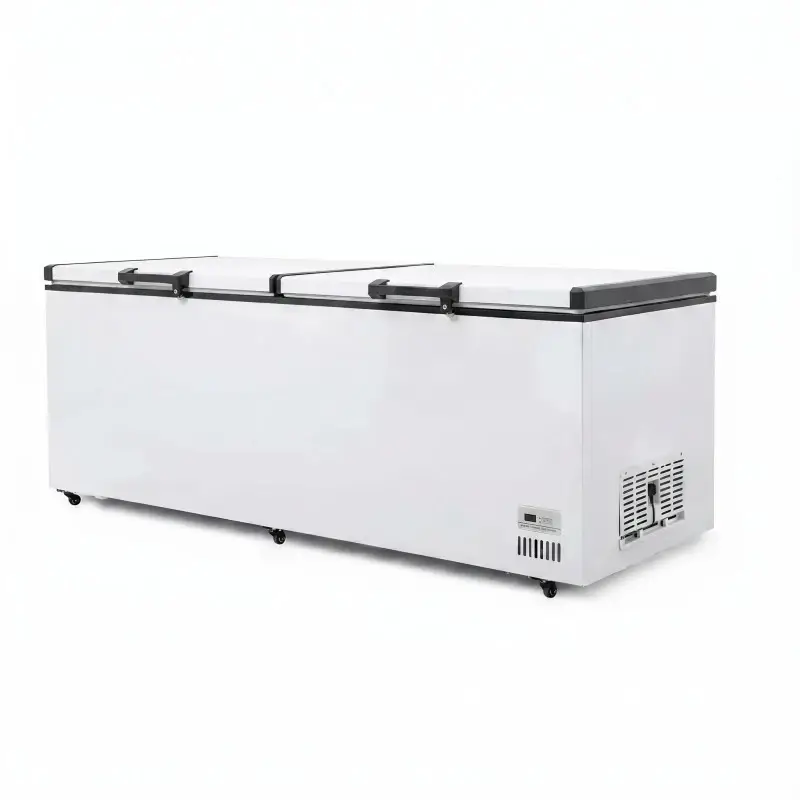
Chest freezers are different: their contents remain hidden. Shoppers must stop, lift the lid, and sort through the items stacked inside. If they were not already looking for something frozen, most people will simply pass by. That added effort alone can reduce sales.
The Eye-Level Rule Nobody Should Ignore
Merchandising studies consistently find that products placed between waist and eye level sell two to three times more than products kept below knee level. In a commercial display freezer, nearly every SKU falls within that highly visible range. A chest freezer puts everything below it. The difference is hard to miss.
When Chest Freezers Still Make Sense
Chest Freezers are far from obsolete. In certain settings, they answer real needs; writing them off entirely overlooks that. Operations built around large amounts of storage, back-of-house inventory, and retailers that sell bulk formats rely on them for good reason.
Compared with upright models, chest freezers offer more usable capacity in the same floor area, hold their temperature longer during a power outage, and generally cost less to buy and run.
- Their simpler mechanical design also means fewer potential points of failure.
- They work particularly well for bulk items that customers do not often need to access directly.
The drawback is visibility, and that distinction often determines which format is right for a particular business.
A Direct Comparison Across Key Metrics
The table reflects patterns seen in retail installations across multiple seasons
| Metric | Display Freezer Commercial | Chest Freezer |
| Impulse Sales | High | Low |
| Product Visibility | Excellent | Poor |
| Energy Consumption | Higher | Lower |
| Purchase Cost | Higher | Lower |
| Capacity per Sq Ft | Moderate | High |
| Customer Access | Easy | Requires lifting |
| Best Fit | Front of store | Back of store or bulk retail |
Reading the Table Correctly
No single format emerges as the overall winner. Each one performs better in different areas. For store owners looking to increase revenue from frozen goods, upright display units are the stronger option. Chest Freezers remain the better choice for operators who prioritize storage volume and energy savings.
The Hybrid Approach That Works Best
Combining Formats for Maximum Coverage
The most effective retailers usually do not rely on a single format. They combine both, placing each type where it suits a different shopping habit within the same store.
A typical hybrid layout could feature:
- Upright glass units near the entrance for premium and impulse items
- Chest freezers along the middle aisle for bulk family packs
- A glass-top island freezer near the checkout for seasonal or promotional products
- Back-of-house chest units for overflow inventory
Each format serves a different purpose. Impulse items should be placed where customers are likely to notice them, whereas bulk items fit better in areas where storage matters more than presentation. Used together, they work better than either one alone.
The Island Format — A Strategic Middle Ground
Island freezers with glass tops occupy the middle ground between chest and upright models. They can store substantial quantities, while the glass lets customers see the products from above. Placing one beside a store’s display freezer commercial may generate additional sales without drawing business away from the main display.
Cost, Margin, and the Real Return Picture
The Hidden Cost of Equipment Choice
Purchase price tells only part of the story. A chest freezer costs less at the outset, but its lower sales output can significantly alter the return calculation. Since an upright display unit encourages more impulse purchases, it usually makes up the price difference within the first year.
Why Sales Per Square Foot Beats Sticker Price
Operators focused on sales per square foot, rather than equipment cost per unit, generally favor upright displays near the store entrance. The reasoning is straightforward: retail space costs money, and every square foot must earn its keep. A unit that generates twice the sales can still deliver better margins, even if it consumes 30 percent more energy.
The Metric That Actually Matters
Sales per square foot provides the clearest basis for comparing freezer formats. Energy costs, purchase prices, and capacity remain relevant, but their significance depends on the revenue each freezer generates. Without that context, retailers may choose the wrong equipment and later struggle to understand why their frozen categories are underperforming.
Final Thoughts on Choosing the Right Format
In most retail environments, upright glass freezers tend to sell more because shoppers can see the contents easily, encouraging impulse purchases and giving the display a more premium feel. Chest Freezers still make sense for bulk retail, back-of-house storage, and businesses primarily concerned with controlling costs. Often, the best arrangement is to use both rather than depend on either type alone.
FAQ
Which freezer type works best for a small convenience store with limited floor space?
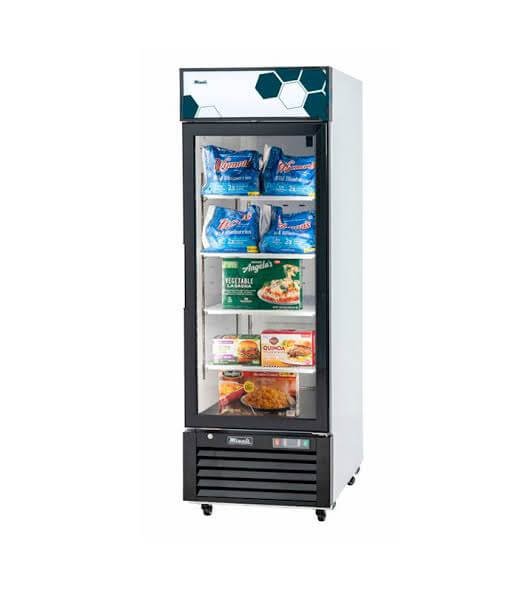
An upright glass display unit is usually the best fit. It keeps products in view even in narrow aisles, which can encourage impulse purchases—often more valuable in this setting than having extra storage capacity.
How much more energy does a commercial display freezer consume compared to a chest freezer?
A commercial display freezer unit typically consumes 30 to 50 percent more energy, depending on the quality of its glass and lighting. In most cases, the extra sales output makes up for that added energy expense within months.
Can Chest Freezers work for premium ice cream retail?
Only when they have glass tops or clear lids. Standard Chest Freezers hide premium branding, which weakens the pricing strategy premium ice cream relies on.