
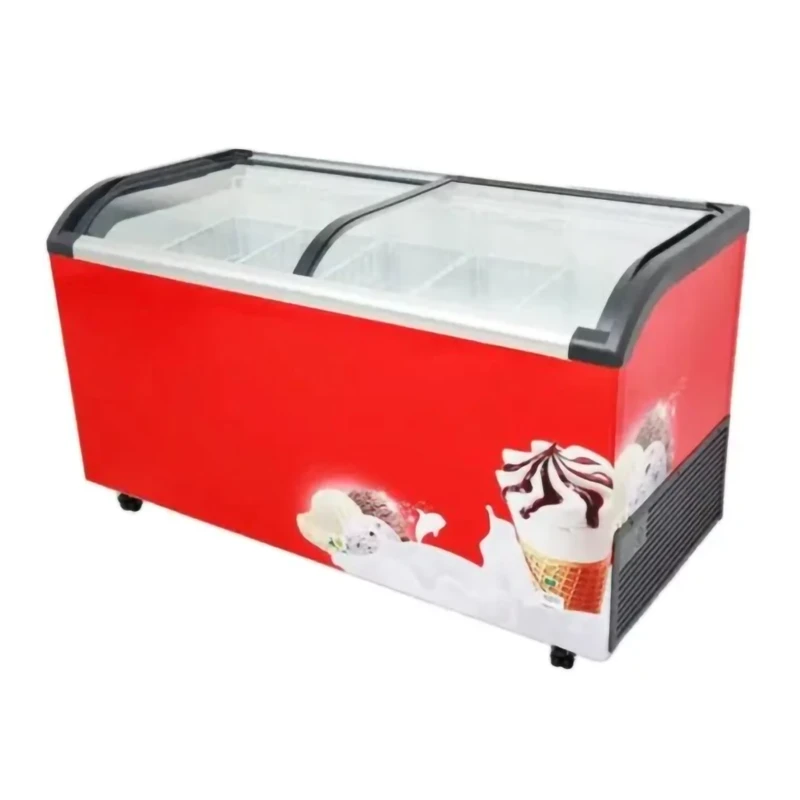
Choosing a freezer for a scoop counter may seem straightforward, but the first busy weekend can reveal every mistake in the measurements. A display freezer ice cream setup may fit the shop’s floor plan and still slow service when its tub capacity, glass angle, or reach depth is wrong. Many shop owners say that after their first season, getting the size right mattered more than comparing brands.
Why Sizing Beats Every Other Purchase Decision
A freezer with too few tubs can run out of popular flavors during a shift, costing the business sales. An oversized case creates another problem: slow-selling flavors get pushed to the front, where the ice cream may sit too long and go to waste. The right size protects margins and keeps flavors fresh while leaving staff enough room to work without getting in one another’s way.
Reading Retail Traffic Before Choosing Capacity
How to Calculate Tub Capacity Based on Customer Volume
Traffic volume shapes every sizing decision. A neighborhood scoop shop serving 80 customers a day is a very different operation from a boardwalk kiosk serving 400 customers a day. The equipment still needs to work efficiently in both settings, but the number of tubs required, how frequently employees access the product, and the time needed for recovery may vary significantly.
Track customer numbers over an entire week, slow days included. Then estimate the usual number of scoops per customer—typically 1.2 to 1.6—and distribute the projected daily volume among the available flavors.
- Add 30% capacity to account for peak days and seasonal spikes.
- Once adjusted, match that capacity to a case with the same number of tub bays.
Flavor Count Shapes the Cabinet Choice
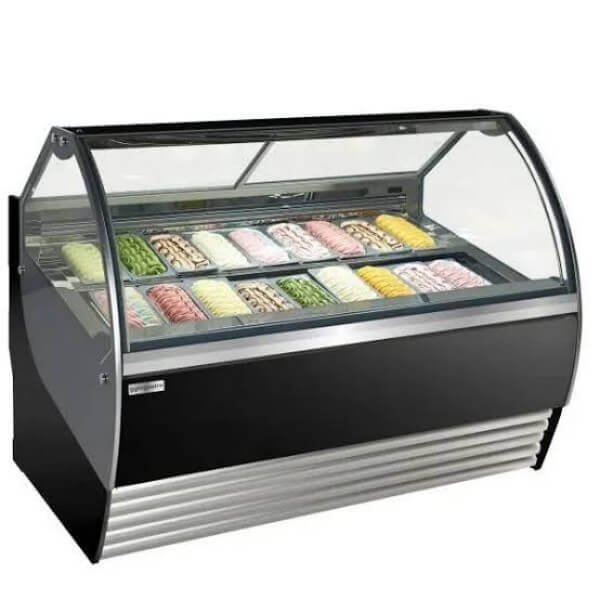
Twelve-flavor and twenty-four-flavor setups require different solutions. A shop with a rotating, limited selection may only need a compact unit; one built around variety will likely need a broader layout and deeper reach-in wells. For most independent shops, ice cream freezers with room for 12 to 16 tubs are a practical fit. Higher-volume operations often need 20 or more bays to keep their most popular flavors in stock.
Sizing Options by Retail Format
Cabinet needs vary with the type of retail space. The table shows common configurations for foodservice environments.
| Format | Tub Capacity | Best For | Footprint |
| Compact Countertop | 4–6 tubs | Cafés, grab-and-go corners | Under 3 ft wide |
| Standard Dipping Cabinet | 8–16 tubs | Independent scoop shops | 4–6 ft wide |
| Extended Dipping Cabinet | 18–24 tubs | High-volume parlors | 6–9 ft wide |
| Commercial Undercounter Freezer | 8–12 backup tubs | Back-of-house restocking | Fits below 34″ counter |
Countertop and Compact Cases
of an extra than the main draw. For a coffee shop offering two or three flavors alongside pastries and cold brew, a smaller case can sit neatly in the available space. A full dipping cabinet takes up more room and brings higher energy costs, which the resulting sales may not justify.
Extended Cabinets for Scoop Volume
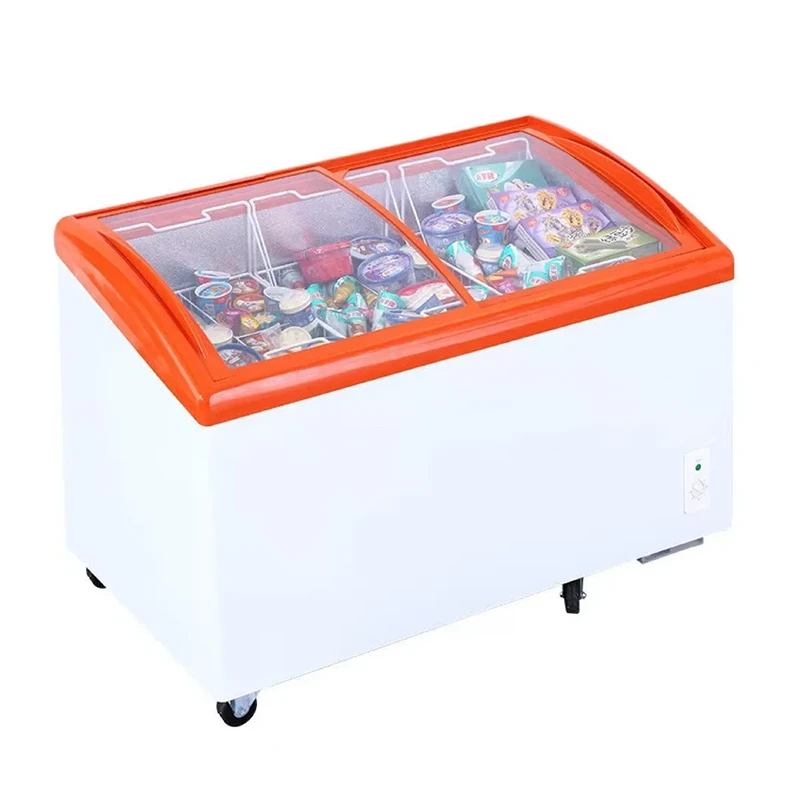
Once dedicated ice cream service exceeds 150 customers a day, upgrading to a larger case starts to make sense. The extra cabinet space keeps popular flavors visible while giving staff enough room to operate two service points during the busiest periods. At that volume, choosing the right Display Freezer can determine whether the line continues moving or stalls at checkout.
The Role of Backup Storage
Front-of-house cases are built for serving and presentation, not for storing large quantities. In a serious scoop shop, backup capacity sits beside the display, allowing tubs to be changed without delay. A Commercial Undercounter Freezer placed near the dipping cabinet keeps replacement tubs close at hand and at serving consistency, ready in seconds.
This two-tier setup matters: ice cream taken directly from a deep-storage freezer at minus twenty degrees must soften for a while before it can be served. Backup units held at display temperature, by contrast, are ready immediately.
Counter Layout Considerations
Sizing affects more than the case alone. Cabinet dimensions shape how staff moves, what customers can see, and where the register sits. If a display freezer ice cream case is too close to the register, scooping and payment both take longer. Put it too far from backup storage, though, and each restocking trip takes more time.
Practical layout observations:
- Allow at least 36 inches behind the case so staff has room to move.
- Place backup freezers no more than three steps from the display.
- Set sneeze guards at heights that accommodate both children and adults.
- Angle the glass front toward the main flow of foot traffic to create the strongest visual impression.
- Set aside counter space for cones, cups, and toppings, keeping them within easy reach.
Common Sizing Mistakes Owners Regret
When new shops open, familiar mistakes often show up. An owner may choose equipment for its appearance instead of its output, or fail to account for the backup storage a serious operation requires. Some count tubs, too, without considering whether the compressor can keep pace on hot afternoons.
The most common errors include:
- Sizing for average days rather than peak weekends
- Not allowing enough backup freezer capacity, which can mean constant trips to the walk-in
- Selecting narrow cases that make popular flavors difficult to reach
- Ignoring the ambient temperature at the counter location
These issues often become apparent within the first month of operation, and fixing them after the purchase can be expensive.
Bringing the Sizing Decision Together
Sizing a display freezer for ice cream requires realistic traffic estimates, room for some growth, and separate backup storage capable of supporting the display capacity. That approach helps shops prevent stock shortages without paying for unnecessary freezer space. In the first month, the freezer should feel slightly spacious. By month six, once seasonal patterns are clearer, its capacity should seem about right.
FAQ
Q1: How many tubs should a new scoop shop start with?
For most independent shops, 12–16 tub bays offer a comfortable balance: customers get enough flavor variety, while inventory remains manageable and products are less likely to lose freshness during the slower opening weeks.
Q2: Is a separate backup freezer really necessary?
Yes. Display cases run warmer than storage areas, so dedicated backup units keep replacement tubs properly tempered and ready for use without interrupting service.
Q3: At what ambient temperature does dipping cabinet performance become affected?
Dipping cabinets generally meet specifications at ambient temperatures as high as 80°F. Above that point, compressors have to work harder, which increases energy costs. During peak hours, the product may also develop a softer texture.