
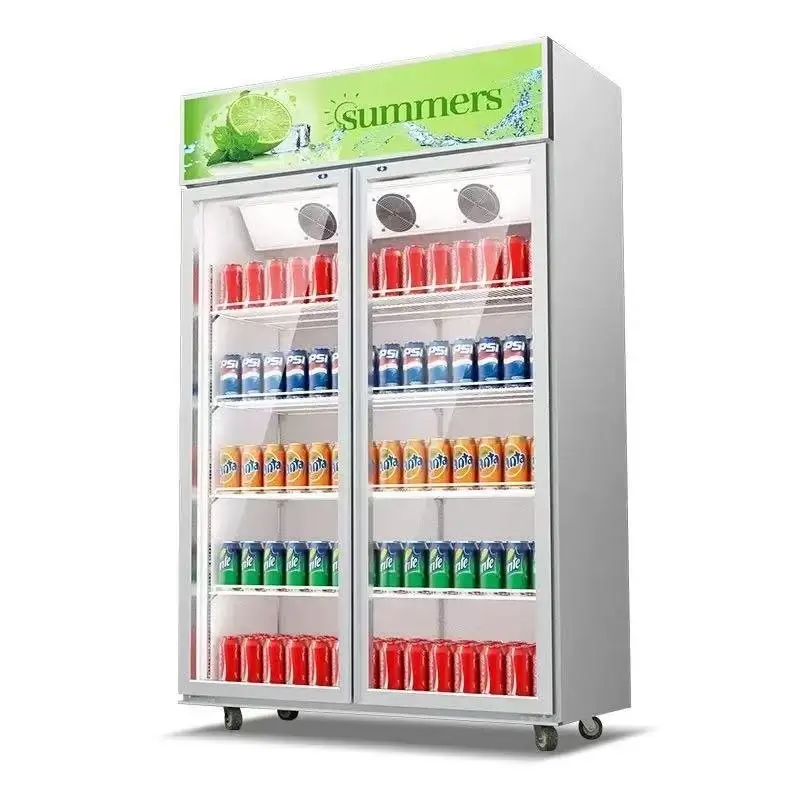
Shelving in a commercial double-door refrigerator has a broader effect than many operators anticipate. The arrangement determines how quickly line cooks locate ingredients, helps keep raw and prepared foods apart, and affects the movement of cold air throughout the cabinet. Thoughtful shelf placement can speed up service and reduce product waste over the course of the week.
Why Shelving Layout Deserves Real Planning
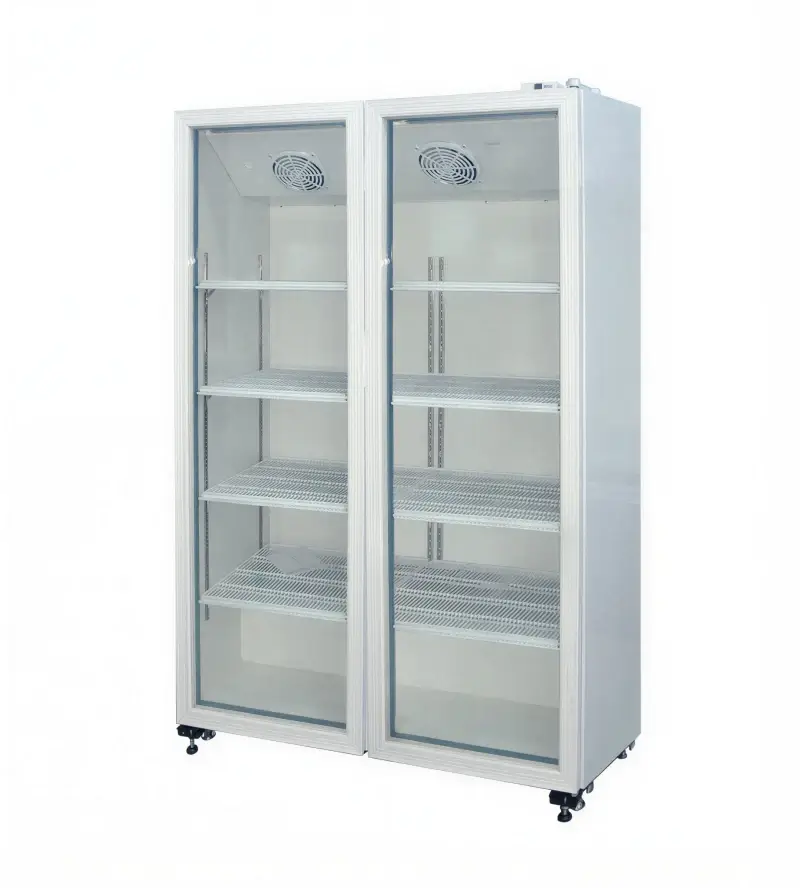
A double-door cabinet offers wide access to its interior, but that space is easily wasted when the shelves are treated as an afterthought. When a new unit is installed, operators often replicate the old arrangement rather than adapting it to the current menu. A few hours spent planning the layout can spare months of awkward reaching, poor product rotation, and contamination risks.
The Core Factors Shaping Shelf Configuration
Key Variables That Determine Shelf Setup
Shelf configuration is driven by several practical details. Those details matter more than buying premium accessories.
The main variables include:
- The heights of the containers used most often, such as hotel pans, sixth pans, and Cambros
- The typical weight placed on each shelf each day
- Airflow from the evaporator toward the front of the cabinet
- How often items on each shelf are rotated
- Food safety separation between raw proteins and ready-to-eat products
These factors are connected. Airflow becomes restricted in a tall container, while a heavy load may slowly bend a cheap shelf. Put raw and cooked items on the wrong levels, and cross-contamination becomes a risk—one that no equipment can fix.
Airflow Comes First, Always
Cold air needs room to circulate. Packed shelves and ceiling-high stacks can prevent the evaporator from keeping the temperature even. Once airflow is blocked, the top of the cabinet may become several degrees warmer, reducing the shelf life of anything stored there. Leave at least an inch of space around each container.
Comparing Common Shelving Configurations
Kitchen layouts serve different purposes, so the best shelving arrangement depends on the work being done. The table below outlines practical options for a Double Door Display Refrigerator or a solid-door reach-in used in daily prep.
| Configuration | Best For | Shelf Count | Notes |
| Even 4-shelf spacing | General prep kitchens | 4 | Provides balanced room for mixed container sizes |
| Tall bottom, tight top | Beverage-heavy operations | 3–5 | Keeps bottles below and smaller items above |
| Half-shelf split | Bakeries and pastry | 5–6 | Sheet pans on one side, with tubs on the opposite side |
| Wire slide-out racks | High-rotation service | 4 | Quick access and easier cleaning |
The Even-Spacing Default
Even spacing works well in kitchens handling many different ingredients. Hotel pans, half pans, and stacked containers can fit without staff having to move the shelves again and again. Most operators start with this setup and change it only when a specific workflow reveals a bottleneck.
Custom Splits for Specialized Kitchens
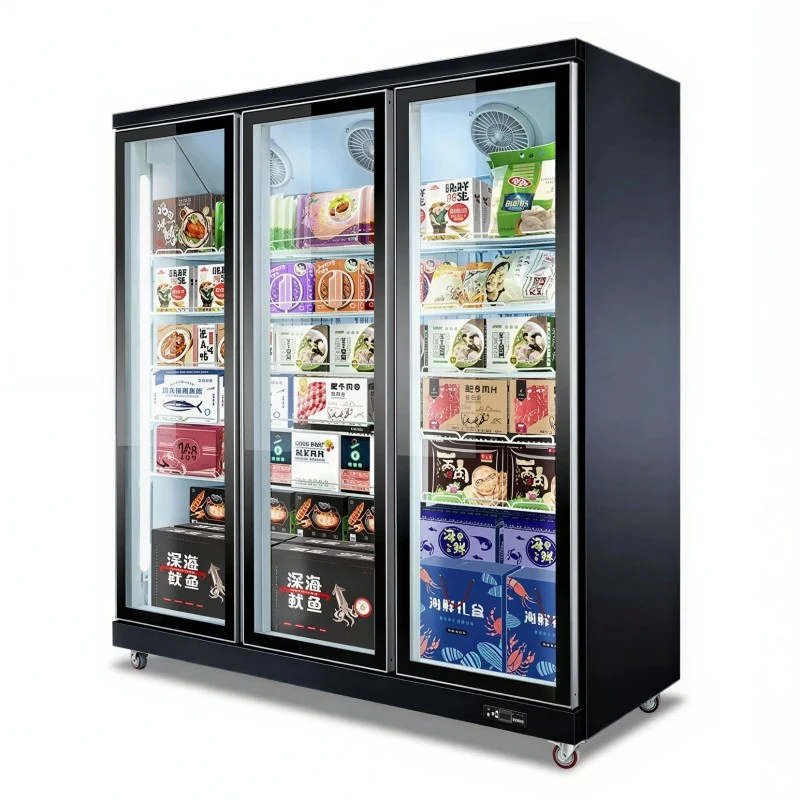
Bakeries, sandwich shops, and beverage-focused operations may benefit from an asymmetric split. Half-height shelves on one side accommodate sheet pans, while taller Cambros fit on the other. That arrangement creates two separate workflow zones within one commercial double-door refrigerator, eliminating the need for another unit.
Load Capacity and Long-Term Durability
Adjustable shelves have a definite weight limit. Commercial-grade models typically hold 100–150 pounds per shelf, provided all four clips are correctly installed. But placing cases of bottled drinks or full stock pots in one spot concentrates too much weight on the frame. At first, the shelf might sag; with continued strain, it can eventually bow permanently.
A practical way to load the cabinet:
- Place the heaviest items on the lower shelves for greater stability and safety.
- Keep frequently used products between waist and chest height.
- Reserve the top shelves for lighter items that are accessed less often.
- Distribute the weight across the shelf rather than concentrating it in one area.
- Replace any bent shelf promptly. Once sagging starts, it generally becomes worse over time.
Food Safety Zones Inside the Cabinet
Health inspectors expect raw and ready-to-eat foods to remain clearly separated, and shelf placement can determine whether that is simple or nearly impossible. Raw poultry and beef belong on the bottom shelves, where any drips fall into containers below rather than contaminating food that is ready to eat. In a Commercial Refrigerator containing mixed products, the top-to-bottom arrangement should be documented: ready-to-eat foods, seafood, whole cuts, ground meats, and finally poultry.
Grouping shelves according to food type also speeds up training. New staff can learn the system within a single shift instead of guessing where each ingredient belongs.
Adjusting Shelves Without Damaging the Cabinet
Shelves that remain in one position for extended periods may stick in their clips, and prying them free can scratch the interior liner. In kitchens where menus change quarterly, reset the shelf heights with each menu update so the hardware continues to work properly. A wipe of the clips with food-safe lubricant every six months can also keep adjustments smooth.
Common shelving mistakes to avoid:
- Using three clips instead of four may cause the shelf to tilt.
- If containers are placed too close together, the door may not close.
- Skipping a wipe-down while making adjustments can allow spills to harden in the tracks.
- Ignoring bent shelves that reduce interior capacity gradually.
Matching Configuration to Business Growth
A Commercial Reach In Refrigerator purchased today should still run efficiently three years from now. Menus expand, container sizes shift, and staff turnover changes how the kitchen functions. Adjustable shelving accommodates those changes, but only when operators reposition it as needed rather than treating it as a set-it-and-forget-it feature. Reviewing the layout quarterly takes twenty minutes. That brief check may prevent years of workflow friction.
FAQ
Q1: How often should shelving be reconfigured in a busy kitchen?
Every quarter is a good rule, though a major menu change may call for it sooner. This keeps shelf heights appropriate for current container sizes and daily kitchen use.
Q2: Do wire shelves or solid shelves work better for airflow?
Wire shelves usually allow cold air to circulate more freely, helping the cabinet regain its temperature faster. Solid shelves suit specialty applications where drips might contaminate the levels below.
Q3: Can adjustable shelves hold hotel pans directly without inserts?
Most commercial units accommodate full- and half-size hotel pans directly on their wire shelving. Pan slides aren’t required, but they make the pans easier to access and can help limit spills during service.