
Why Regular Maintenance Is Essential for Commercial Refrigeration
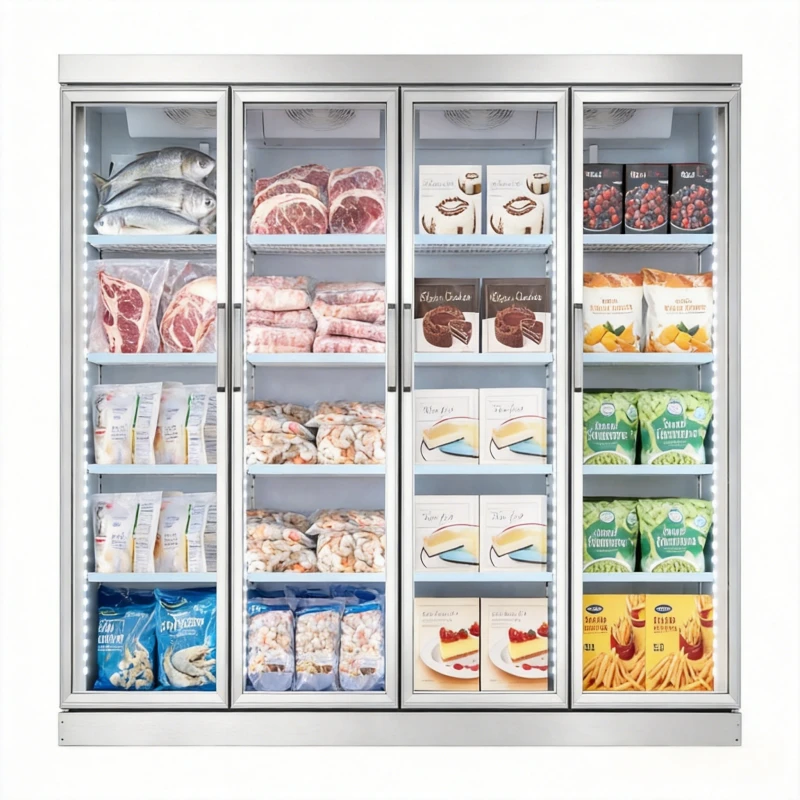
Commercial refrigeration maintenance does more than satisfy compliance requirements. It safeguards food, controls energy costs, and reduces the risk of sudden breakdowns. Often, temperature failures begin with small issues that go unnoticed until they become serious. A consistent maintenance schedule helps kitchens, convenience stores, and warehouses keep conditions stable throughout the year while extending equipment life.
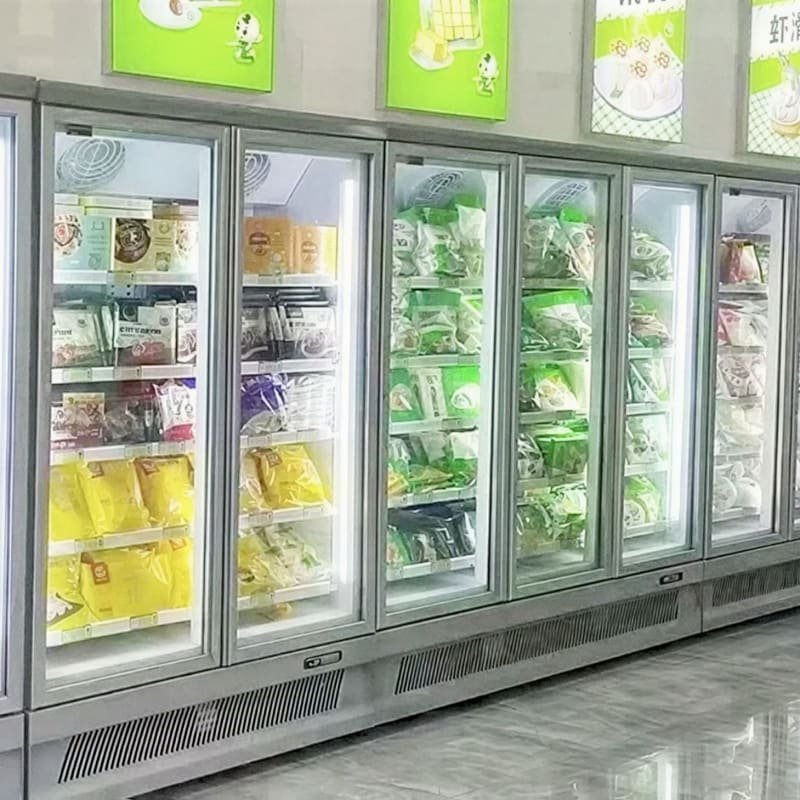
A practical rule emerges from field observations: maintenance frequency depends on workload as well as environmental conditions. Equipment faces more strain when doors are opened often, product loads are heavy, or the season is hot and humid. That means Commercial Refrigerator systems, reach-ins, and upright freezers may each need their own service schedule.
Best Practice: The Recommended Maintenance Interval
For most facilities, a baseline schedule is effective:
- Quarterly checks for light-to-moderate duty or seasonal operations
- Every 4–6 months in high-traffic areas
- Biannually—once or twice a year—for low-usage units, with closer monitoring
Even so, a calendar alone is not enough to determine when commercial refrigeration needs maintenance. Changes in performance can be just as telling: temperature drift, unusual noise, or frost buildup may signal that the system needs attention earlier.
What Drives Maintenance Frequency
Maintenance intervals depend on several practical factors. Facilities handling high volumes generally require more frequent service, especially when it comes to airflow, seals, and refrigeration cycles.
Key factors include:
- Door-opening frequency: constant traffic increases the demand for temperature recovery
- Ambient temperature: hot kitchens and direct sunlight place additional strain on components
- Cleaning habits: condensers and evaporators need regular care
- Product density: overpacked shelves restrict airflow and reduce cooling efficiency
- Defrost performance: inadequate defrosting causes ice buildup and lowers cooling capacity
When these conditions shift, commercial refrigeration maintenance has to shift too. Plans that ignore day-to-day operations usually fall short.
Recommended Schedules by Equipment Type
Different equipment brings different risks. A Commercial Reach In Refrigerator handles more frequent door openings, while a Commercial Upright Freezer often works harder to hold lower temperature targets.
The schedule below offers many operations a practical starting point:
| Equipment Type | Typical Use Level | Suggested Maintenance Cadence |
| Commercial Refrigerator | Moderate | Every 4–6 months |
| Commercial Reach In Refrigerator | High door traffic | Every 3–4 months |
| Commercial Upright Freezer | Heavy load | Every 4–6 months (or quarterly if heavily used) |
Aligning the service interval with the equipment’s actual workload makes commercial refrigeration maintenance more predictable and reduces the need for reactive repairs.
Signs It’s Time Sooner
A fixed schedule does not always tell the whole story. Some equipment needs attention sooner, and the signs below can indicate refrigeration strain or worn components. Often, teams notice these changes before they lead to a failure.
Watch for the following warning signs:
- Temperature swings beyond the set points
- More frost than usual on the coils, or frost distributed unevenly across the evaporator
- Warm spots in certain parts of the cabinet
- The compressor cycling more often or working harder than usual
- Ice that appears to “return” soon after being cleaned away
- Unusual sounds, such as buzzing, rattling, or frequent starts
If any of these signs appear, schedule commercial refrigeration maintenance rather than waiting for the next calendar date. Prompt action can often help prevent product loss and emergency service calls.
Core Tasks in Commercial Refrigeration Maintenance
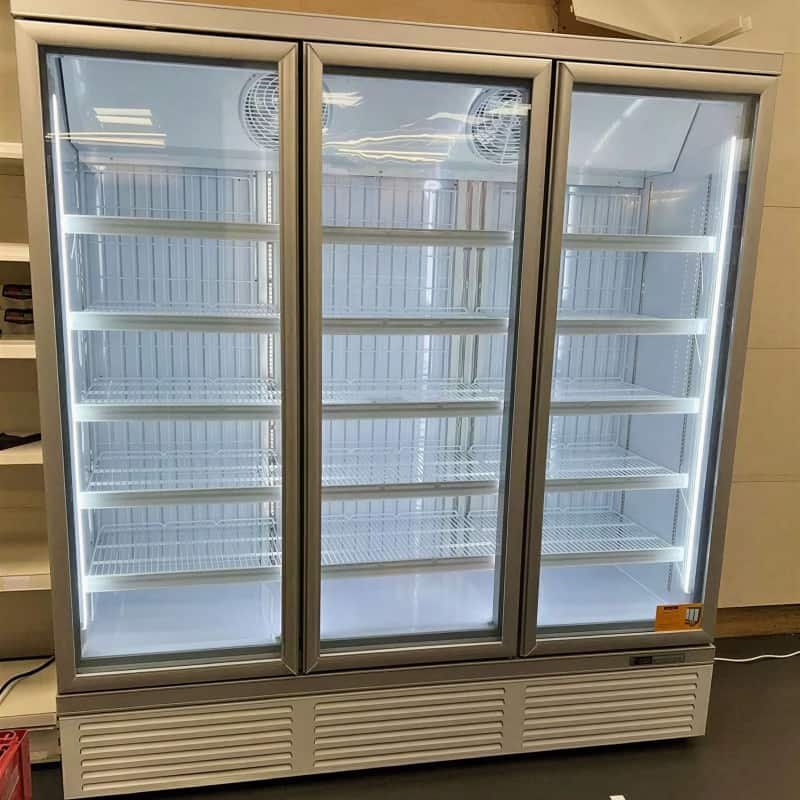
A sound service plan focuses on performance and hygiene, while also helping manage long-term costs by catching wear before it becomes a larger problem.
Common maintenance tasks include:
- Checking and calibrating temperature controls
- Inspecting door gaskets and seals for leaks
- Cleaning condenser coils and confirming proper airflow
- Reviewing evaporator performance and the defrost cycle
- Testing fans, motors, and electrical connections
- Checking refrigerant lines and the system’s overall pressures
- Verifying drainage paths, particularly in reach-in units
When facilities make these inspections routine, they generally avoid the slow decline in efficiency that pushes energy bills higher.
Why It Matters for Food Safety and Cost Control
Stable temperatures keep storage conditions safe and product quality consistent. When cabinet temperatures drift, food can stay in the danger zone longer than intended. Dirty coils and restricted airflow add to the problem, forcing compressors to work harder and use more energy.
This is where commercial refrigeration maintenance directly shapes daily operations. Well-maintained equipment runs more reliably, reduces waste, and lowers the chance of downtime—an especially serious concern for businesses that cannot stop serving customers during peak hours.
Quick Self-Checks Between Professional Visits
Professional servicing lays the groundwork, but routine observation may catch trouble earlier. These checks take only a little time and can help reduce risk.
A basic routine includes:
- Confirming that the unit reaches its target temperature after startup
- Inspecting the door gaskets for tears or hardening
- Checking that the shelves permit air circulation and do not block the vents
- Watching for condensation patterns or unusual ice buildup
- Keeping the condensers free of dust where accessible
For teams managing a Commercial Refrigerator or a Commercial Reach In Refrigerator, these regular checks can often prevent small problems from becoming major repairs.
Building a Maintenance Plan That Holds Up
A plan that works in practice needs to balance cost, performance, and convenience. For many facilities, that means pairing scheduled service with regular checks on how the equipment is performing.
One useful starting point is to:
- Set the initial interval based on usage
- Track temperature logs along with door activity
- Establish “trigger points” for scheduling service sooner
- Maintain consistent cleaning routines between visits
- Review service records and adjust intervals with the seasons
Once the process is working well, commercial refrigeration maintenance feels more like a planned system than a last-minute scramble.
FAQ
How often should commercial refrigeration maintenance be scheduled for a busy store?
For a busy store, scheduling maintenance every 3–4 months is usually the best approach. That matters especially for a Commercial Reach In Refrigerator, where constant door opening places extra stress on the system.
What happens if maintenance is delayed?
Delaying service can lead to temperature drift, weaker defrost performance, higher energy costs, and added strain on the compressor. Repairs may then cost more and cause greater disruption.
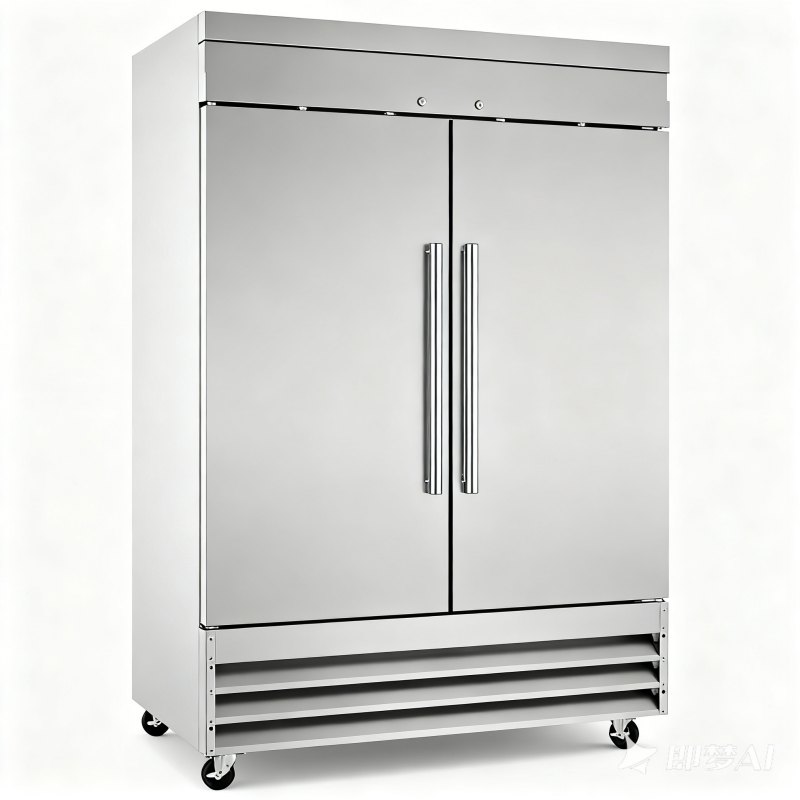
Does an upright freezer always need quarterly maintenance?
Not always. A Commercial Upright Freezer used heavily may need to be checked every quarter, but a moderately used unit can often be serviced every 4–6 months, provided it is monitored closely.