
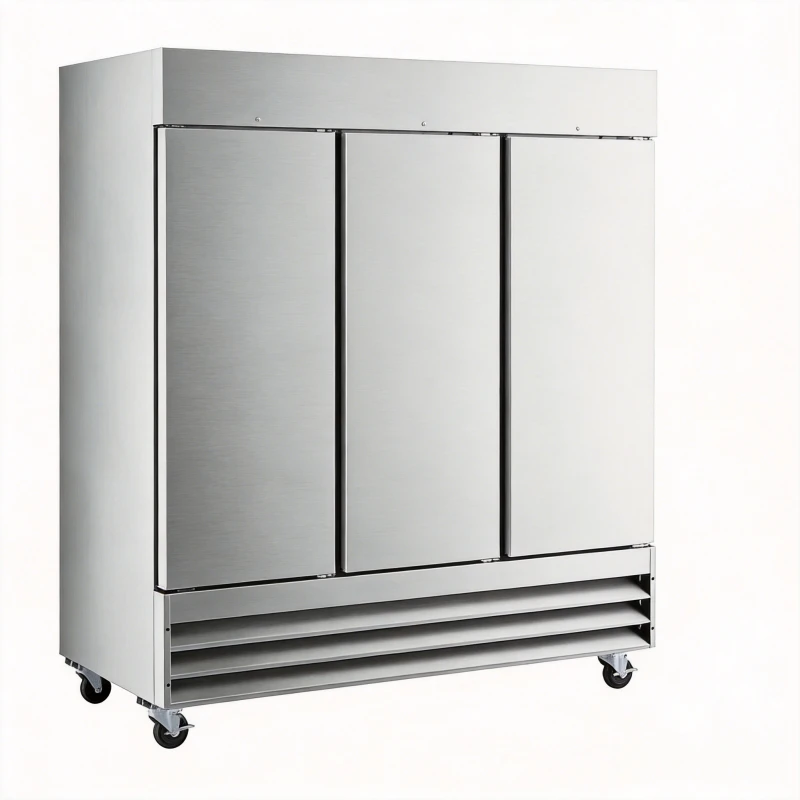
A Space-Saving Solution for Tight Kitchen and Bar Setups
Space is a foodservice operation’s quiet currency. When square footage is tight, a commercial undercounter refrigerator does more than store ingredients; it can reshape the entire workflow. Built to slide beneath a prep counter or bar top, the compact unit turns otherwise unused space into useful cold storage without obstructing walkways or closing in the room.
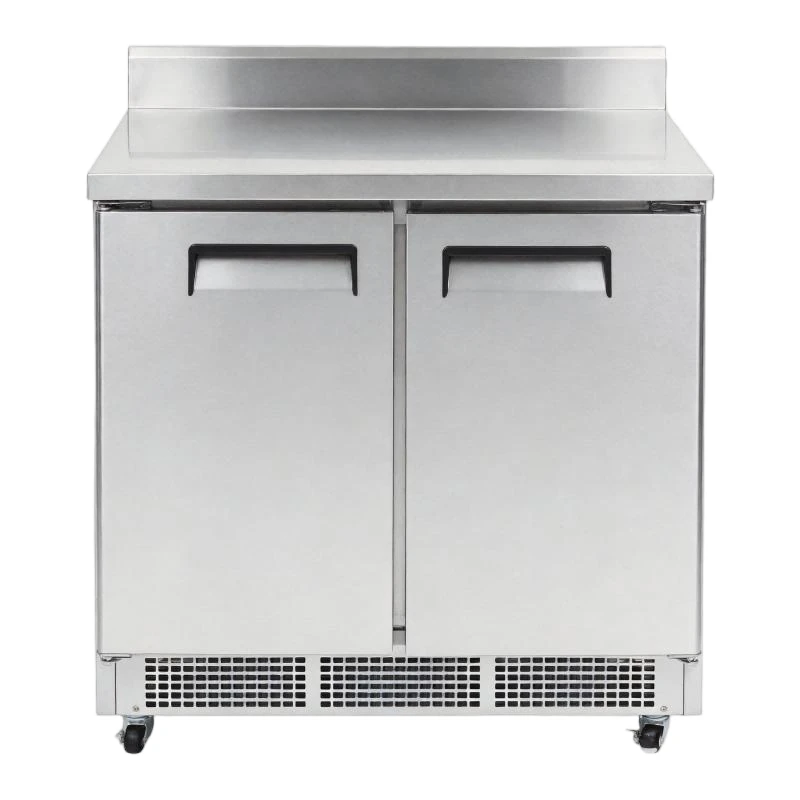
Anyone who has watched a bartender work across three cocktail stations—or a line cook plate dishes during the Friday rush—knows the difference it makes when chilled goods are within easy reach. This equipment addresses that problem.
Why Small Operations Rely on Undercounter Cooling
The Space Challenge in Compact Kitchens: Why Undercounter Refrigerators Fit
Across all sorts of kitchen layouts, one pattern stands out: the busiest venues rarely have the most room. Cafés, cocktail lounges, food trucks, and boutique restaurants often operate within compact footprints while handling consistent service demands. That is where a commercial undercounter refrigerator fits. Usually about 32–36 inches tall, its low profile lets it slide beneath standard counters.
Three Key Benefits: Ergonomic Access, Zoned Storage, and Faster Service
Owners usually point to three main benefits:
Ergonomic access – staff can reach what they need without stepping away from their station.
Zoned storage – proteins, dairy, and garnishes each have a dedicated unit.
Faster service times – shorter travel distances can help tickets go out sooner.
Choosing the Right Unit for the Job
Equipment should match the work performed at each station rather than being selected through guesswork. When the appliance fits the task, operators are in a better position to select the appropriate option. The table compares compact refrigeration formats commonly used in B2B settings.
| Equipment Type | Best Application | Typical Depth | Standout Strength |
| Commercial Undercounter Refrigerator | Bars, prep lines, pastry stations | 24–30 in | Fits beneath counters, keeping contents within easy reach |
| Commercial Counter Refrigerator | Sandwich shops, deli counters | 30–34 in | Offers greater door storage and works well in front-of-house areas |
| Commercial Undercounter Freezer | Ice cream bars, seafood prep | 24–30 in | Adds frozen storage without using additional floor space |
| Worktop Freezer | Butcher prep, bakeries | 30 in with flat top | The flat top can double as a chilled cutting surface |
The choice is fairly straightforward. In a cocktail bar stocked with citrus and garnishes, undercounter refrigeration will likely be the better fit. A bakery that portions frozen dough would be better served by a Worktop Freezer with a lid that includes a stainless prep surface.
Matching Compressor Style to the Space
The compressor’s installation location can affect how satisfied you are with the unit over time. Most models come in one of two standard configurations:
- Front-breathing compressors – a practical option when the unit sits directly against a wall or beneath a solid counter, since ventilation occurs through the front.
- Rear-breathing compressors – generally work best in open installations, where air can circulate freely behind the cabinet.
If the wrong type is chosen, the unit may overheat. That can shorten the compressor’s life and increase energy bills—costs no operator wants to absorb.
Food Safety and Compliance Considerations
Temperature Stability: The Critical Requirement for Health Compliance
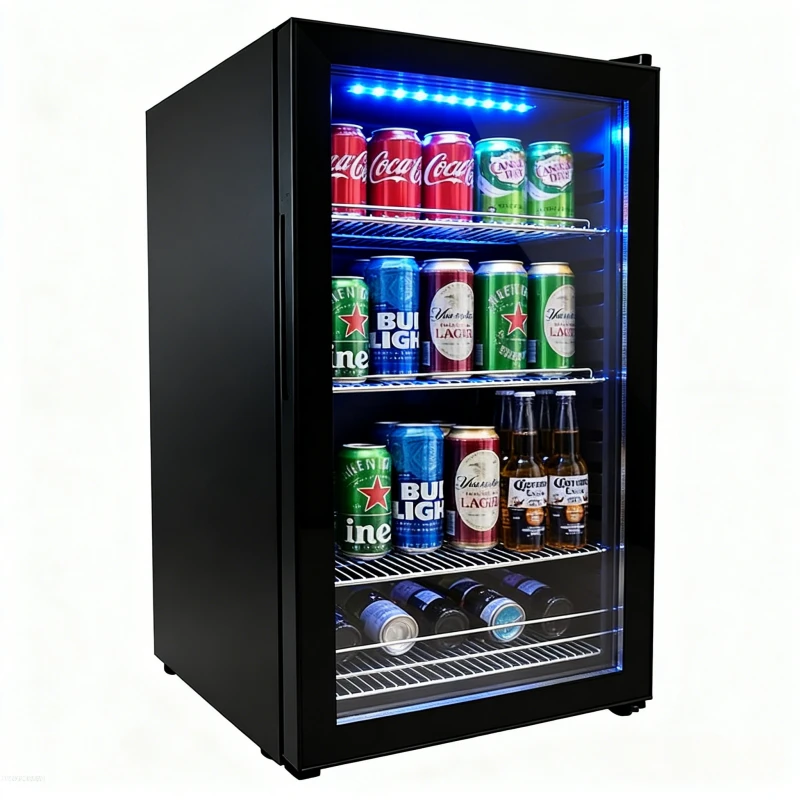
Health inspectors pay close attention to temperature stability. A commercial undercounter refrigerator is worth considering only when it can hold the interior between 33°F and 40°F under a reasonable load. Experienced chefs usually recommend a few routine checks.
Three Routine Maintenance Tasks That Protect Performance and Compliance
Inspect the gasket each month. A torn seal can cause energy use to climb quickly.
Every 90 days, clean the condenser coils. Without that maintenance, the unit may struggle to keep its cooling capacity.
Record temperatures twice per shift to meet HACCP protocols.
The Financial Case: Preventive Maintenance vs. Spoilage Costs
These routines are not just about compliance. They also protect margins: a single spoiled protein delivery can easily cost more than a full year of preventive maintenance.
Bar and Kitchen Layout Strategies
HZone-Based Layout: Placing Cold Storage at the Point of Use
Layout planning is more effective when the space is organized into zones. In a thoughtfully designed bar, a commercial undercounter refrigerator may fit beneath the main service rail, so beer bottles and mixers stay within easy reach. A commercial undercounter freezer placed nearby can hold premium spirits and dessert garnishes. Over in the kitchen, the sandwich or salad station may be built around a commercial counter refrigerator, keeping toppings visible and ready to portion.
Common Configurations That Work: Sandwich Prep Tables, Freezers by Fryers, and Worktop Units
Common setups that tend to work well include:
A sandwich prep table fitted with two-door refrigerated bases below.
Single-section undercounter freezers positioned beside the fryers, so frozen items stay close at hand.
Worktop freezer units placed on either side of the pass, giving expediters easy access to chilled sauces.
The underlying principle is consistent: cold storage belongs near the stations where food is handled.
Buying Signals Worth Watching
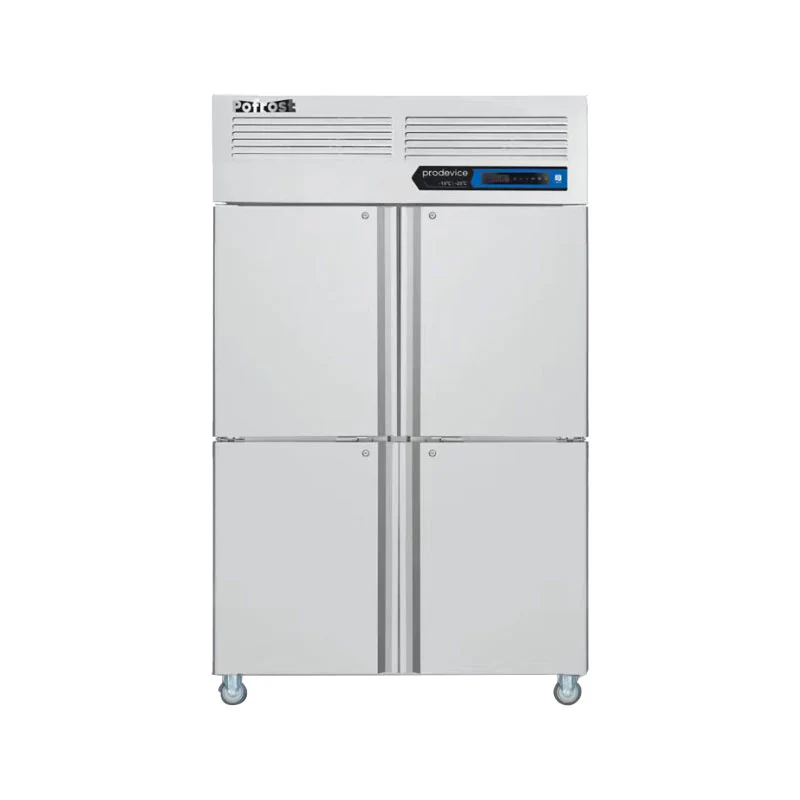
Some of the clearest buying signals show up after a demo, in the small features that affect everyday use. Buyers who consistently say they are satisfied often pay attention to details such as:
- Digital thermostats with easy-to-read temperature displays.
- Doors that close on their own but still hold at 90 degrees.
- Interior LED lights that remain cool during long hours of operation.
- Shelving that can be moved and includes an epoxy coating for corrosion resistance.
Omitting these features may lower the upfront cost, but the total cost is usually higher within two to three years.
FAQ
How much clearance does a commercial undercounter refrigerator need for proper airflow?
Most units require at least 3 inches of space around the rear or front vent for proper airflow. Follow the manufacturer’s specifications for the final installation.
Can undercounter units withstand heavy prep-line use during peak hours?
Yes—provided the compressor is built for continuous operation and the door is not left open for extended periods during busy service.
How long should a well-maintained undercounter refrigerator reasonably last?
Commercial-grade models typically last 8–12 years when the coils receive regular cleaning, the gaskets remain tightly sealed, and the interior load stays within the rated capacity.