
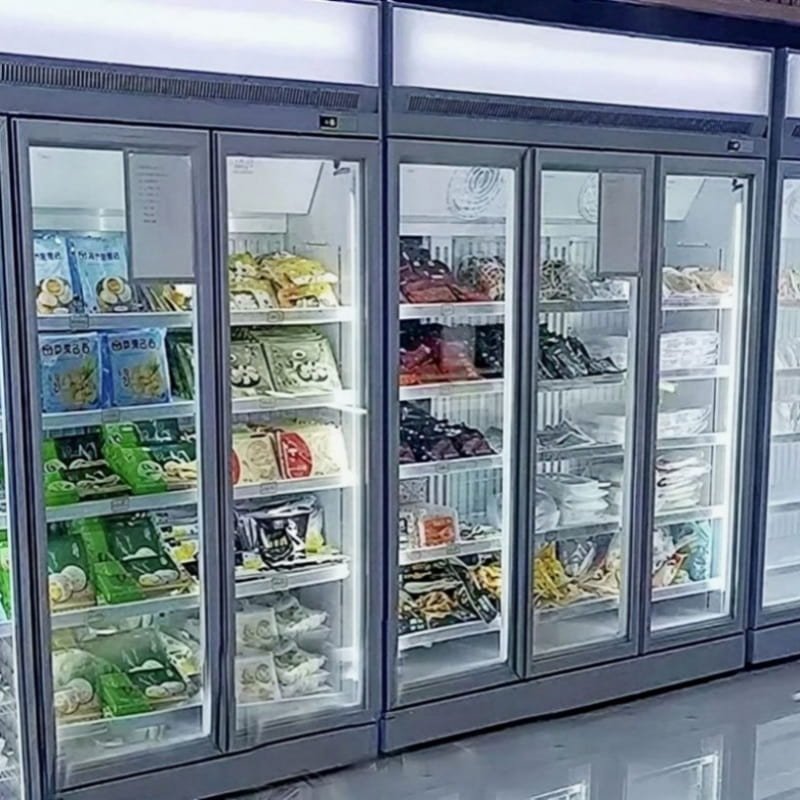
Product visibility can make the difference between a customer reaching for a bottle and walking past it. In stores where beverages, dairy items, and packaged foods compete for attention, lighting inside a commercial glass refrigerator has a greater effect than many operators realize. LED technology has gradually become standard—not only for its appearance, but also for its impact on sales, energy costs, and product preservation.
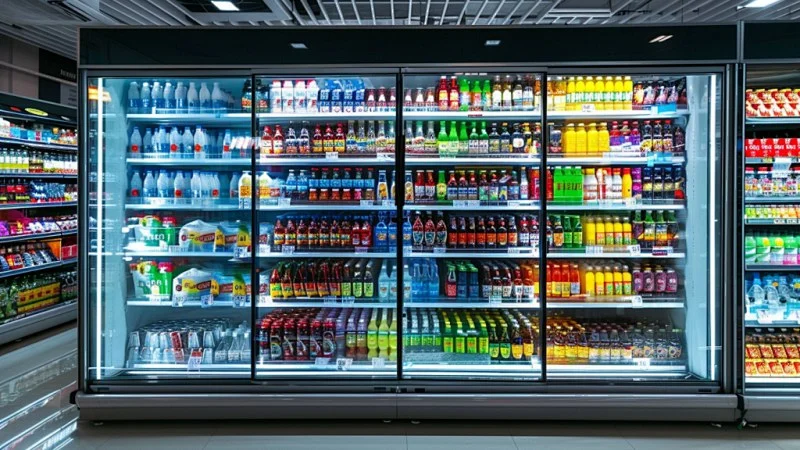
Why LED Lighting Matters in Refrigerated Merchandising
Retailers often notice customers responding more quickly after fluorescent tubes are replaced with LED strips. The brighter, more consistent light makes labels easier to read, keeps colors looking accurate, and helps package designs stand out behind the glass. In convenience stores, supermarkets, and quick-service restaurants, a sharper presentation can be enough to turn browsing into purchases.
Beyond marketing considerations, LEDs solve several longstanding problems associated with older lighting systems:
- They produce less heat, which reduces the load on the compressor.
- Their operating life is longer, often surpassing 50,000 hours.
- They light up immediately, without any warm-up delay.
- Their color rendering is superior, with a CRI above 80, which helps products and beverages look fresh.
Store managers who track shelf performance consistently find that a well-lit Beverage Refrigerator outperforms a dimly lit one by a noticeable margin, even when both hold identical stock.
Key Performance Differences: LED vs Traditional Lighting
The table compares what operators can generally expect from LED and conventional fluorescent lighting inside a commercial glass refrigerator unit.
| Feature | LED Lighting | Fluorescent Lighting |
| Average Lifespan | 50,000+ hours | 8,000–15,000 hours |
| Energy Consumption | 40–60% lower | Baseline |
| Heat Output | Minimal | Moderate to high |
| Color Rendering (CRI) | 80–95 | 60–75 |
| Cold-Start Performance | Instant | Slow, flickering |
| Mercury Content | None | Contains mercury |
These figures help explain why brands with fleets of coolers increasingly specify LED as standard equipment during procurement.
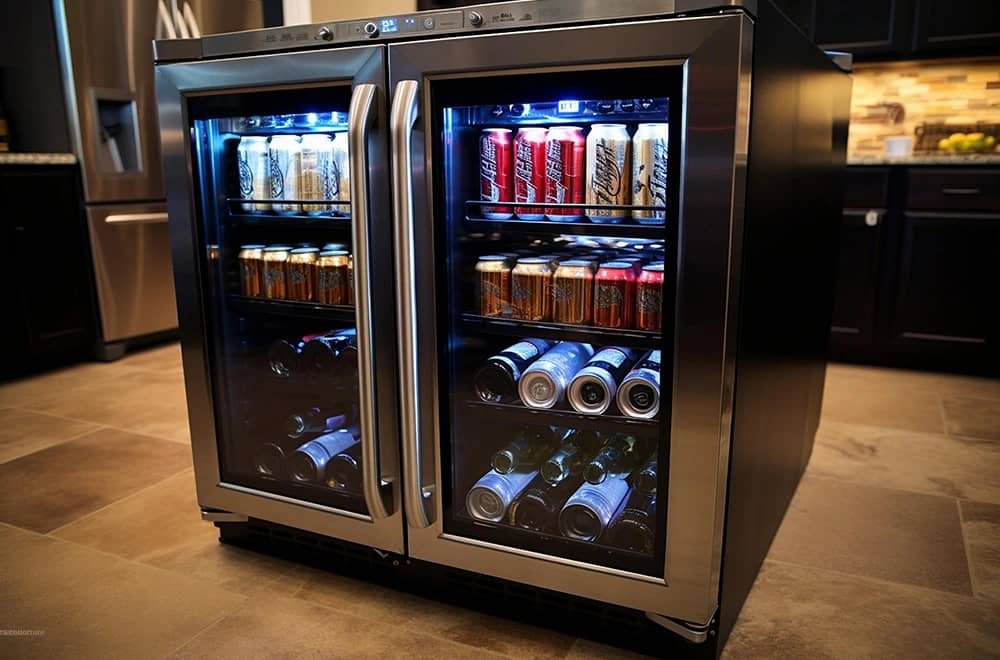
Placement Strategies for Improved Visibility
Simply installing LEDs is not enough. Where they are positioned inside the cabinet affects how clearly the merchandise is displayed.
Vertical Lighting Along the Sides
Mounting strips along the vertical door frames distributes light evenly across every shelf. In a Commercial Glass Door Refrigerator filled with beverages, this arrangement works particularly well because tall bottles are less likely to cast deep shadows over the rows below.
Under-Shelf Lighting
Slim LED bars beneath each shelf shine directly on the products below, helping individual items catch the eye. This is particularly effective for dairy, grab-and-go meals, and premium drinks, where easily visible labels can affect shoppers’ choices.
Canopy or Top-Mounted Lighting
Lighting mounted at the top is less expensive, yet it can leave the lower shelves dim when used alone. In a Double Door Display Refrigerator, operators should combine canopy lights with vertical strips to prevent dark areas from appearing in the middle sections of the cabinet.
Energy Efficiency and Long-Term Cost Savings
Energy costs account for a significant portion of a cooler’s total ownership expense. Replacing fluorescent tubes with LEDs typically pays for itself in 12 to 18 months, depending on how many hours the cooler operates and the local electricity rates.
The savings come from three sources. LEDs consume less electricity, produce less heat so the compressors cycle less often, and last longer, reducing the labor needed for maintenance.
For a restaurant chain running twenty units around the clock, switching the lighting alone could save several thousand dollars a year, with no changes to any other component.
Choosing the Right LED Configuration
LED systems can perform quite differently. Before buying a commercial glass refrigerator, buyers should focus on three specifications.
Color Temperature
- 5000K–6500K (cool white): Well suited to beverages, energy drinks, and packaged goods
- 3500K–4000K (neutral white): Works well in bakeries, delis, and prepared-food sections
- 2700K–3200K (warm white): Most suitable for wine displays and specialty items
Lumen Output
For products to remain visible from several feet away, each shelf level should provide at least 400–600 lumens. This is especially important in busy retail aisles.
Ingress Protection Rating
Refrigerated cabinets are exposed to condensation, so LED modules should have at least an IP65 rating to protect against moisture damage.
Common Mistakes to Avoid
Even experienced operators can overlook practical details when installing or replacing lights:
- Mixing LED brands with different color temperatures in the same cabinet
- Neglecting driver quality, which affects flicker and lifespan
- Selecting lights with a low CRI, which can make food look unappetizing
- Positioning strips so they create glare on the glass door
Avoiding these problems helps preserve the visual advantage LED technology is designed to provide.
Final Thoughts
Modern refrigerated merchandising favors brands that treat lighting as part of the display rather than an afterthought. A thoughtfully designed LED system can make an ordinary cabinet work like a silent salesperson, running twenty-four hours a day, consuming less power, and showing products at their best. For businesses investing in cold display equipment, paying close attention to LED specifications is no longer optional. It is the baseline.
Frequently Asked Questions
Q1:How long do LED lights inside commercial glass refrigerator units typically last?
Quality LED modules can operate for 50,000 hours or more. Under normal retail conditions, that amounts to about five to seven years of continuous use.
Q2: Can existing fluorescent coolers be retrofitted with LED strips?
Yes. LED retrofit kits fit most cabinets, including Commercial Glass Door Refrigerator and Double Door Display Refrigerator models. Check the voltage compatibility and moisture-protection ratings before purchasing to help ensure safe, long-term performance.
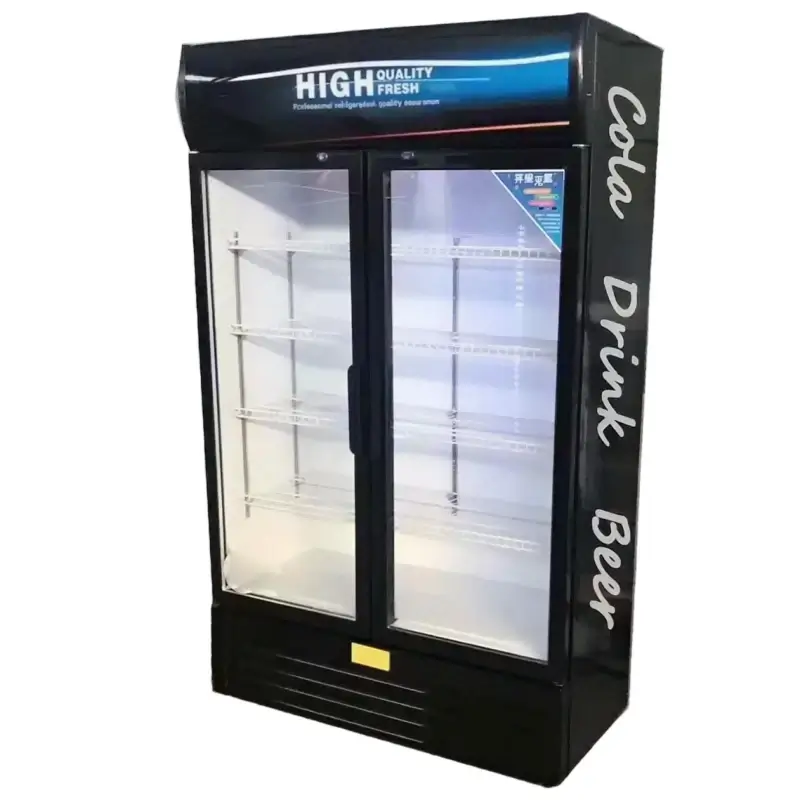
Q3: Does LED lighting affect the cooler’s internal temperature?
Since LEDs produce very little heat, the compressor does not have to work quite as hard. That may help keep temperatures steadier and reduce total energy use compared with fluorescent alternatives—an important advantage for a Beverage Refrigerator in a busy retail setting.