
Buying a commercial refrigerator generally makes more sense for a foodservice business that has consistent demand, knows what its storage needs will be, and expects to use the equipment for several years. Renting, on the other hand, can be a better fit when the need is temporary—during a seasonal rush, for a short-term project, or at a temporary site—or when cash flow is uncertain.
Restaurant owners, hotel buyers, café operators, and catering managers often focus on the upfront price, sometimes to the exclusion of everything else. That narrow view can miss how a commercial refrigerator affects food safety, kitchen workflow, energy consumption, service reliability, and operating costs over time. Comparing total value gives a clearer picture than looking only at the initial payment.
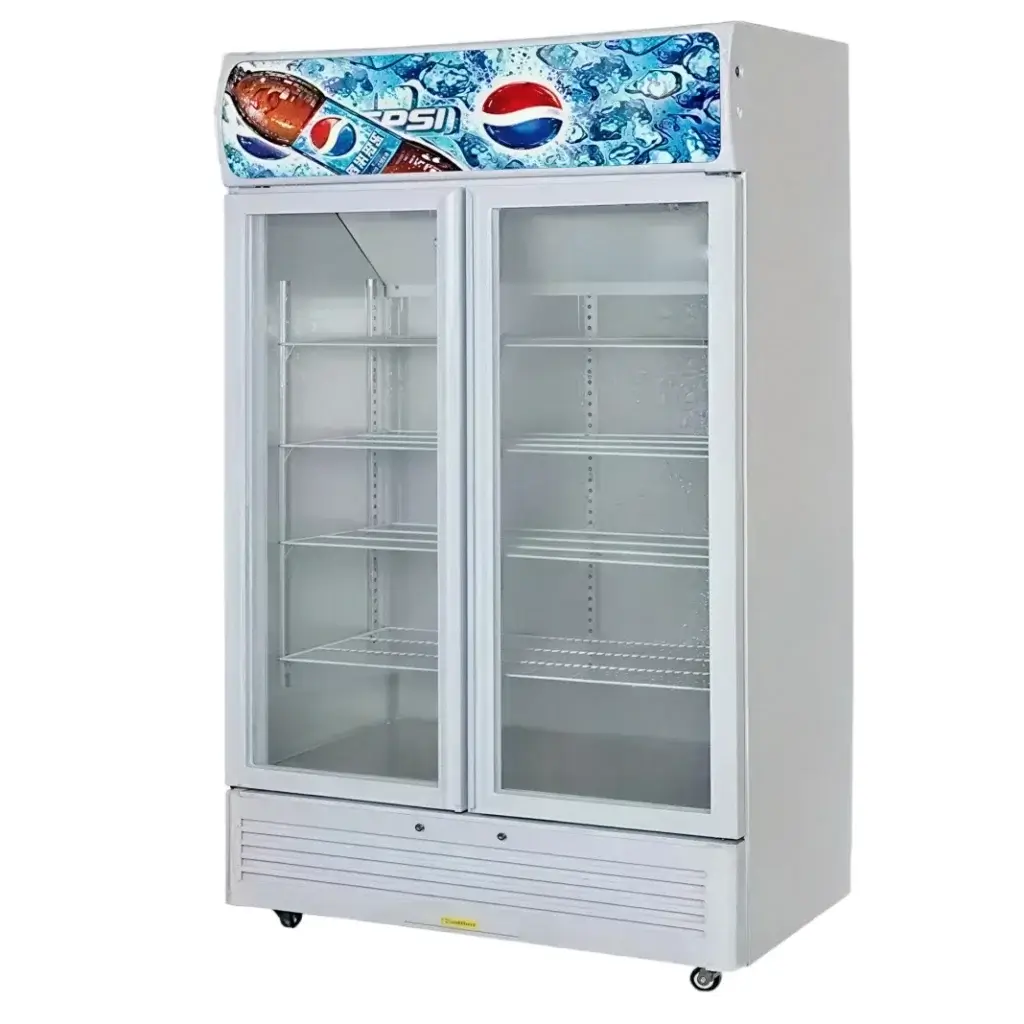
The Quick Decision Rule
Rent if flexibility matters more than ownership. Buy if control, durability, and long-term savings carry greater weight.
For many experienced operators, refrigeration is part of the core infrastructure, not a stopgap. If cold storage supports daily revenue, buying the equipment can be the sounder financial choice. The right commercial refrigerator—matched to product volume, how often the doors are opened, and the floor space available—may serve a kitchen for years.
However, a new restaurant, pop-up kitchen, event caterer, or seasonal food business may not yet know what its long-term capacity needs will be. In that situation, renting a commercial refrigerator can reduce risk while the business is still being tested.
Renting vs Buying: Cost and Business Impact
Cost extends beyond the monthly rent or purchase price. Operators must also consider maintenance, downtime, delivery, installation, energy efficiency, and resale value. A low monthly rental may look attractive initially but become expensive when the equipment stays in service for years.
| Factor | Renting a Commercial Refrigerator | Buying a Commercial Refrigerator |
| Upfront cost | Lower initial payment | Higher initial investment |
| Long-term cost | Usually higher over time | Usually lower over time |
| Flexibility | Easy to upgrade or return | Requires careful selection |
| Maintenance | Often included in rental terms | Owner manages service and parts |
| Brand/model choice | Limited by rental inventory | Wider product selection |
| Best for | Events, trials, seasonal demand | Restaurants, hotels, supermarkets |
The table shows the usual trade-off. Renting can help preserve short-term cash flow, whereas buying gives the The table shows the usual trade-off. Renting can help preserve short-term cash flow, whereas buying gives the operator more control over the equipment in the long run. For established kitchens, that control may be significant: a refrigeration failure can affect inventory, service speed, and compliance with food-safety requirements.
When Renting Makes Sense
Limited Needs, Trial Periods, and Temporary Projects
Renting can be the better choice when a business only needs equipment for a limited period or is not yet sure how much storage it will require. It gives operators time to gauge their actual usage before making a long-term commitment.
This option may suit situations such as:
A catering company needing extra cold storage for several large events.
A restaurant introducing menu items during a short promotional season.
A hotel kitchen requiring backup refrigeration while renovation work is underway.
A food startup wants to gauge demand before committing to a major investment.
An operator is waiting for the permanent kitchen buildout to be completed.
Uncertainty and Financial Flexibility
The common thread in these situations is uncertainty. When no one knows how long the equipment will be needed, renting reduces the financial strain and keeps the business from being left with equipment that might not fit its next location or layout.
Check Specifications Before Signing
Still, rented equipment comes with limitations. The available model may not suit the kitchen’s workflow; its door configuration, shelf spacing, temperature range, or footprint could make routine use awkward. Before signing a rental agreement, decision-makers should examine the technical specifications closely.
When Buying Is the Better Choice
When Buying Makes Sense: Central to Daily Operations and Long-Term Use
Buying often makes more sense when refrigeration is central to daily operations. Restaurants that handle fresh produce, meat, dairy, sauces, desserts, or beverages every day need dependable performance. Owning the unit gives them greater control over its specifications and placement, while also making service planning more direct.
A high-quality commercial refrigerator can make kitchen work more efficient, too. With ingredients organized sensibly, staff spend less time looking for what they need, the doors are open for less time, and temperatures stay steadier.
Buying is the stronger option if the business expects to keep the equipment for more than 18–24 months. That is especially true when the kitchen needs a specific size, door type, or temperature range. It also makes sense when food safety standards require reliable cold storage every day.
Key Advantages of Ownership: Control, Customization, and Long-Term Savings
The operator aims for tighter control of maintenance timelines.
The company prioritizes long-term savings over short-term cash relief.
Practical Applications: Reach-In and Undercounter Freezers That Fit the Workflow
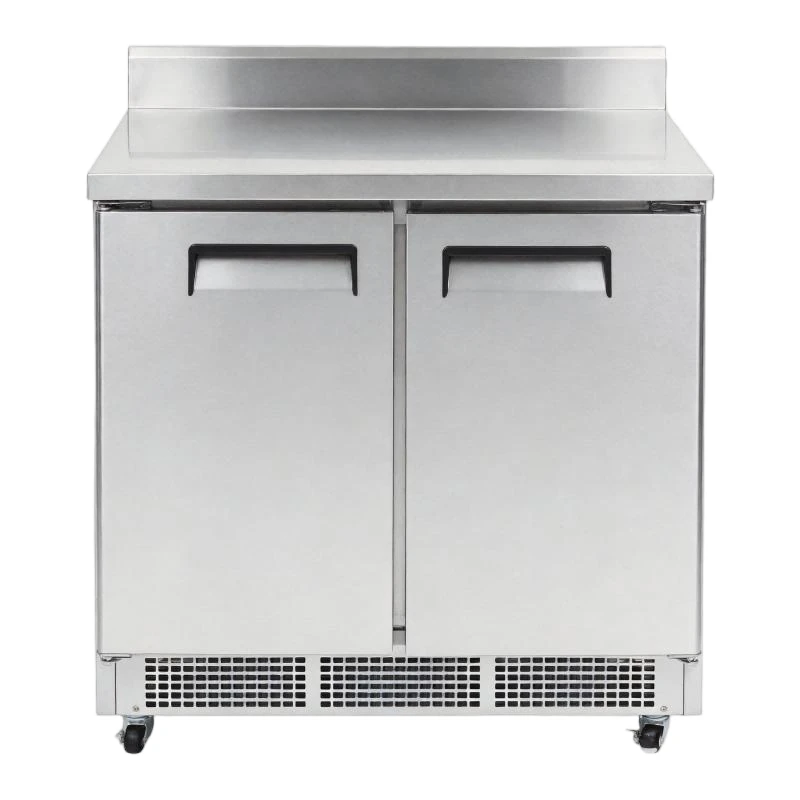
For many buyers, a commercial reach-in refrigerator is a practical choice in areas that get frequent use: staff can grab ingredients quickly during prep and service. Smaller kitchens may benefit from a commercial undercounter freezer, which adds frozen storage without taking up much floor space. That flexibility often makes ownership the better option, since the equipment can fit the workflow instead of forcing the workflow to change.
When Buying Is the Better Choice
Buying Is the Better Choice When Refrigeration Is Central to Daily Operations
Buying often makes more sense when refrigeration is central to daily operations. Restaurants that handle fresh produce, meat, dairy, sauces, desserts, or beverages every day need dependable performance. Owning the unit gives them greater control over its specifications and placement, while also making service planning more direct.
A high-quality commercial refrigerator can make kitchen work more efficient, too. With ingredients organized sensibly, staff spend less time looking for what they need, the doors are open for less time, and temperatures stay steadier.
Long-Term Use and Specific Needs Favor Ownership Over Rental
Buying is the stronger option if the business expects to keep the equipment for more than 18–24 months. That is especially true when the kitchen needs a specific size, door type, or temperature range. It also makes sense when food safety standards require reliable cold storage every day.
Ownership Provides Control, Savings, and Workflow Fit
The operator aims for tighter control of maintenance timelines.
The company prioritizes long-term savings over short-term cash relief.
For many buyers, a commercial reach-in refrigerator is a practical choice in areas that get frequent use: staff can grab ingredients quickly during prep and service. Smaller kitchens may benefit from a commercial undercounter freezer, which adds frozen storage without taking up much floor space. That flexibility often makes ownership the better option, since the equipment can fit the workflow instead of forcing the workflow to change.
Questions to Ask Before Deciding
A sound buying or rental decision starts with the way the equipment will actually be used. Before looking at the price, experienced kitchen planners typically consider usage patterns.
How long will the equipment remain in use
When the equipment is required for just a few weeks or months, renting keeps the commitment limited. If it will support daily operations for several years, buying generally provides better value.
How much storage capacity is actually needed
Planning capacity helps prevent two common mistakes. A unit that is too small may become overloaded, while one that is too large can waste energy. Estimates should account for the product type, delivery frequency, and peak service volume.
How important is layout efficiency
In a tight kitchen, every appliance has to leave room for people to work. Undercounter units, reach-in models, and upright cabinets support different workflows, so the best choice depends on how the space is used. Buyers can compare commercial refrigerator solutions and choose a storage layout that fits their kitchen’s needs.
What happens if the unit fails
The cost of downtime can be greater than the equipment payments themselves. Restaurants may lose food inventory, delay service, or fail to follow temperature-control procedures. Before renting or buying, businesses should examine the warranty terms, parts availability, and service support.
Hidden Costs Buyers Often Miss
A commercial refrigerator also brings indirect expenses that can influence the final decision, especially for businesses operating on tight margins.
Some of these costs are easy to overlook:
- Delivery, installation, and removal fees
- Electrical compatibility work
- Energy consumption over several years
- Cleaning and preventive maintenance
- Emergency service calls
- Inventory lost during breakdowns
- Staff time caused by poor layout
A quality unit may reduce some of these expenses over time. With better insulation, efficient compressors, and practical shelving, it can use less energy and make inventory easier to manage. Rent may include maintenance, but that does not mean every kind of repair is covered. The contract terms need to be examined closely.
A Practical Recommendation for B2B Buyers
A simple rule of thumb works well: rent during periods of temporary uncertainty, then buy when operations have stabilized.
A restaurant, hotel, bakery, café, convenience store, or institutional kitchen that depends on cold storage every day should give serious thought to buying its own equipment. Ownership makes it easier to choose the right products, maintain reliable access to parts, and keep long-term costs under control. It also means the kitchen can be arranged around how the business actually operates.
Renting can be a practical bridge during expansion, testing, renovations, or bouts of peak-season demand. But when demand becomes predictable, continuing to pay rent may drain the budget without increasing the value of the assets.
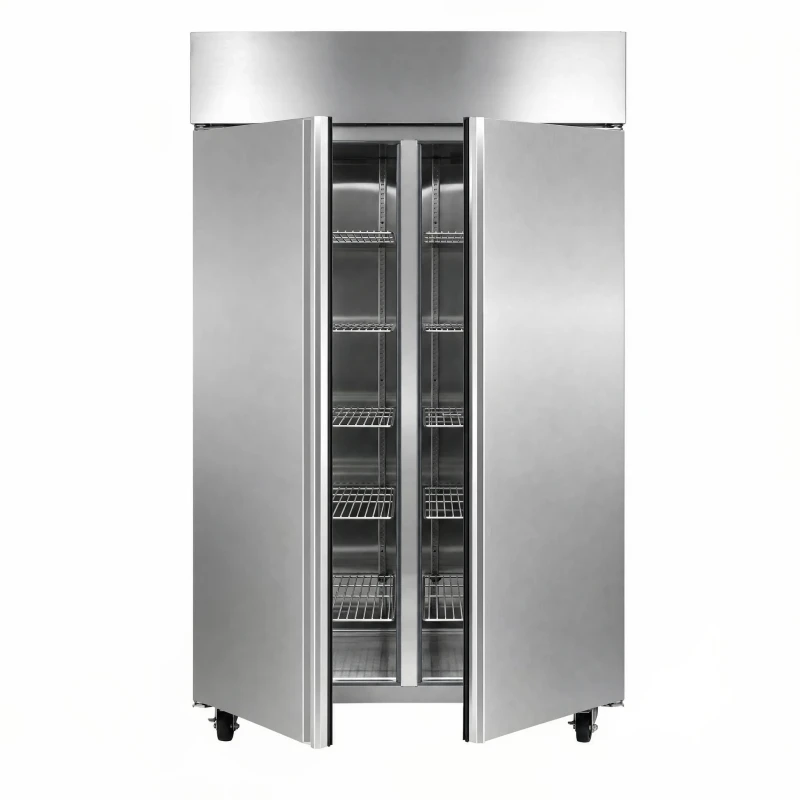
Before making a purchase, buyers should examine the unit’s dimensions, temperature range, compressor quality, door design, shelving, warranty, and after-sales service. For businesses planning a long-term upgrade, comparing commercial reach in refrigerator options with commercial undercounter freezer models may also help create a more precise equipment plan.
Final Verdict
Renting a commercial refrigerator makes more sense when the need is short-term, uncertain, or seasonal. For a business that depends on reliable daily storage, however, purchasing is generally the better option, especially if it wants control over the layout and greater value over time.
For most established foodservice operators, owning refrigeration equipment makes better sense. It protects inventory, supports food safety, and keeps the kitchen running. The right commercial refrigerator is more than another appliance; it forms part of the business’s operating foundation.
FAQ
Is renting a commercial refrigerator cheaper for a restaurant?
Renting costs less upfront, which can help with immediate cash flow. Over several years, however, the rental fees often add up to more than the purchase price—especially for a restaurant that uses the refrigerator every day.
What size commercial refrigerator is right for a food business?
The best choice depends on the volume of the menu, how often deliveries arrive, storage needs during peak periods, the space available in the kitchen, and how easily staff can reach items during busy service.
Should a new café rent or buy refrigeration equipment?
For a new café still testing its concept, renting can be a sensible option. Buying usually becomes the better choice once sales volume, menu requirements, and plans for the location are established.