
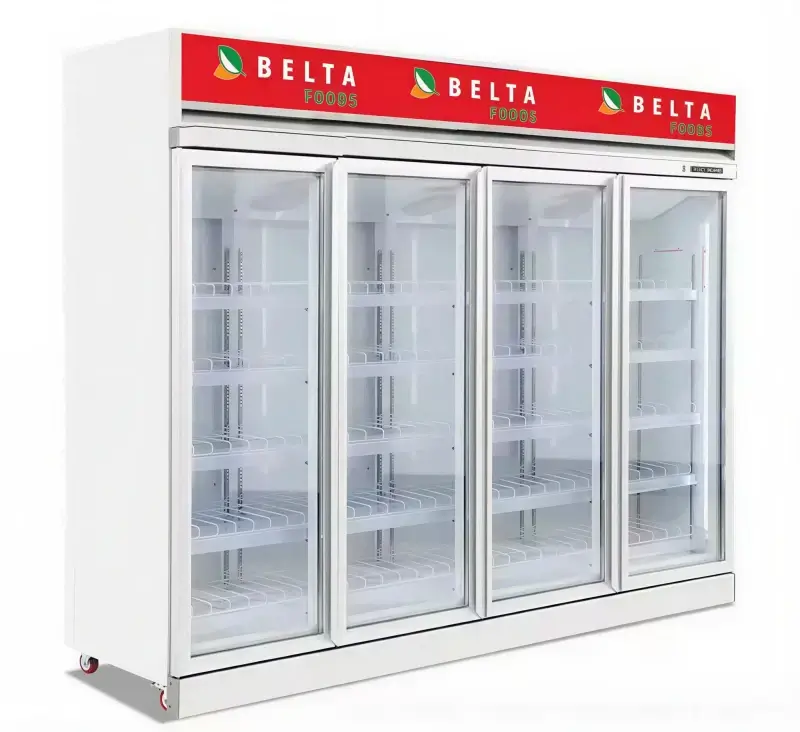
The most common cause of commercial refrigerator compressor failure is dirty condenser coils, especially when airflow around the unit is poor. Dust, grease, flour, and packaging debris can accumulate quickly in commercial kitchens, restaurants, supermarkets, and foodservice facilities. When the condenser can no longer release heat efficiently, the compressor runs hotter and for longer periods. That extra strain eventually damages internal components and may lead to complete failure.
For B2B buyers, compressor failure involves more than the repair bill. Food may spoil, services can be interrupted, emergency labor costs may climb, and unplanned downtime can follow. A dependable Commercial Refrigerator needs to hold steady temperatures, yet even a well-built unit depends on proper installation, adequate airflow, and routine maintenance.
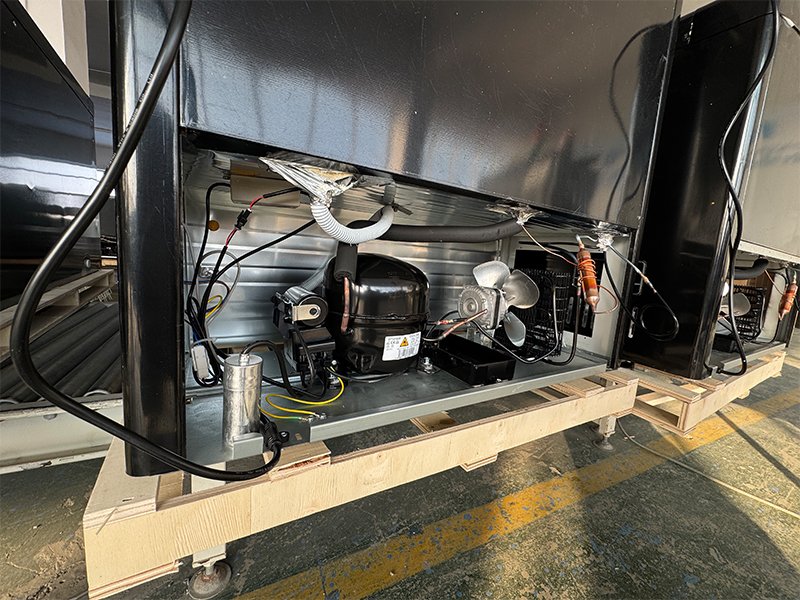
Why dirty condenser coils damage the compressor
The Compressor and Condenser Coils: How the Refrigeration System Works
The compressor carries out the primary work in a refrigeration system: it moves the refrigerant, helps transfer heat, and maintains the cabinet’s required holding temperature. Clean condenser coils are just as important, because they allow heat to escape properly. If dirt blocks the coils, that heat remains trapped in the refrigeration circuit.
The Hidden Cost of Dirty Coils: Overworked Compressors and Rising Temperatures
During service calls, technicians often encounter the same pattern. The unit keeps running, but the compressor is working beyond its design limits. Cabinet temperature can slowly climb, the fan may run without stopping, and electricity consumption may rise. Left unchecked, a condenser-related problem can put enough additional strain on the commercial refrigerator compressor to cause overheating.
The Gradual Failure: Why Problems Escalate During Peak Hours
The problem often develops slowly, so it can go unnoticed. At first, a business might see just a small temperature change during peak hours. Then the repeated opening of doors places added strain on the unit. During a hectic shift, that can leave the compressor failing precisely when the kitchen most needs its cold storage.
Common causes of commercial refrigerator compressor failure
Dirty condenser coils are the most common cause, though other problems can speed up the damage. In many facilities, these issues overlap instead of appearing one at a time.
| Cause | Typical Warning Sign | Business Risk | Recommended Action |
| Dirty condenser coils | The unit runs constantly or feels hot | Compressor overheating | Clean the coils on a fixed schedule |
| Poor airflow | Heat builds up around the cabinet | Higher energy costs and added stress | Leave enough clearance around the vents |
| Low refrigerant charge | Weak cooling performance | Food safety risk | Have a qualified technician inspect the system |
| Electrical problems | Hard starts or tripped breakers | Sudden shutdown | Check the voltage and condition of the wiring |
| Worn door gaskets | Temperature fluctuation | Longer compressor runtime | Replace damaged seals promptly |
| Incorrect location | Unit near ovens or direct sunlight | Heat overload | Relocate the unit or improve ventilation |
The table indicates that compressor failure rarely results from one isolated stroke of bad luck. More often, repeated stress gradually brings it about. A commercial refrigerator compressor may run for years if the system stays within its normal temperature and pressure ranges.
Warning signs buyers and operators should not overlook
Early Warning Signs of a Failing Compressor: What to Watch For
A compressor that is beginning to fail will often show signs early. Recognizing them may help operators avoid costly downtime.
Common symptoms include:
The cabinet temperature rises even though the thermostat setting remains unchanged.
During regular business hours, the compressor operates almost continuously.
Before it starts, the unit may click, hum, or buzz.
The outside panel beside the refrigeration system feels unusually hot.
Energy bills rise without any clear operational explanation for the increase.
Ice forms in unusual locations, and the cooling can become uneven.
Why Recurring Symptoms Warrant Immediate Inspection
One warning sign alone does not necessarily indicate compressor failure. Still, recurring symptoms warrant an inspection. In a busy restaurant or retail setting, delaying service can let a minor maintenance problem become a major repair.
Design Considerations for Different Cold-Storage Needs: Reach-In vs. Upright Freezer
For buyers weighing cold-storage options, the product’s design merits attention too. In a kitchen prep area, staff may open a Commercial Reach In Refrigerator constantly, which makes effective airflow and readily accessible maintenance panels particularly useful. A Commercial Upright Freezer faces a different demand: it has to maintain consistently low temperatures without making product organization difficult for staff.
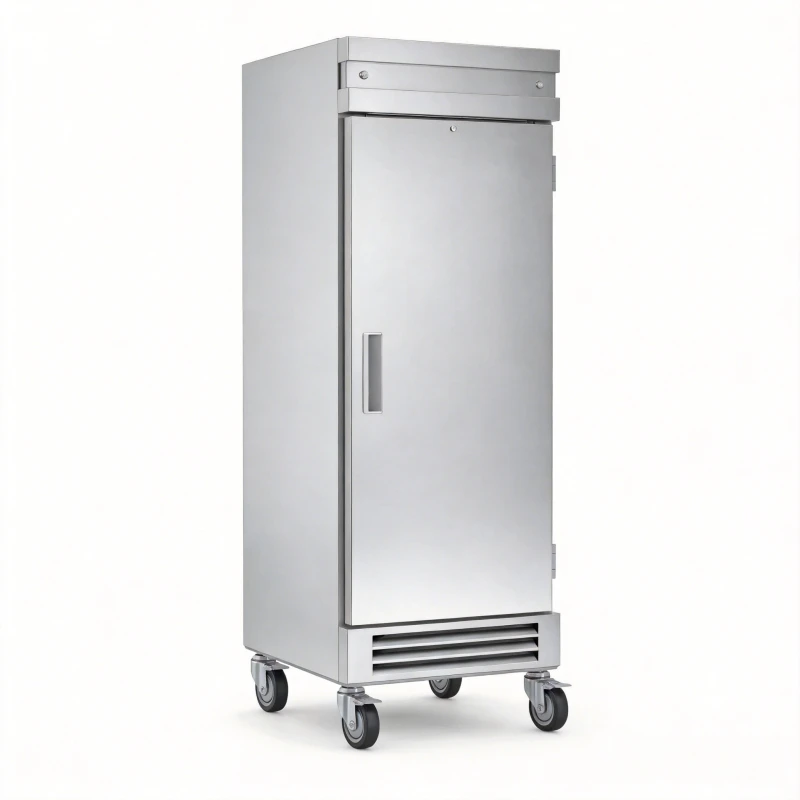
How to prevent compressor failure in commercial refrigeration
Preventive Maintenance: The Strongest Measure for Compressor Protection
The strongest preventive measure is regular maintenance. Operators may keep a close eye on temperature settings while neglecting the condenser area. In a busy kitchen, cleaning the coils needs to be part of the standard operating routine—not be left until someone happens to have time.
A Practical Maintenance Checklist for Busy Kitchens
A practical checklist could look like this:
Clean the condenser coils every 30 to 90 days, based on the amount of dust and grease, as well as the level of kitchen traffic.
Leave at least several inches of clearance around the ventilation areas.
Each month, inspect the door gaskets for cracks, gaps, or loose sections.
Do not put hot pans directly into the cabinet.
Staff should close the doors promptly during service.
Arrange a professional inspection before the peak seasons begin.
Keep records of temperature readings so changes can be spotted early.
The Benefits: Lower Energy Use, Longer Equipment Life, and Buyer Guidance
Together, these measures can reduce compressor runtime without compromising food safety. For restaurants, hotels, convenience stores, bakeries, and catering businesses, that means using less energy in day-to-day refrigeration.
For related product selection, the anchor Commercial Refrigerator can guide buyers to cabinet designs that fit their needs. Those seeking practical care advice may find the more specific anchor commercial refrigerator compressor maintenance more useful. On sites that compare categories, Commercial Reach In Refrigerator and Commercial Upright Freezer provide concise options for internal links.
When repair makes sense and when replacement is better
Replacing a compressor can be costly once labor, refrigerant handling, and downtime are included. Repair is often the sensible choice if the cabinet is relatively new, the insulation still works well, and the other components remain in good shape. But an older, inefficient unit with repeated breakdowns may be better off replaced.
Before deciding, B2B buyers should weigh the total repair cost against the price of a new unit. They also need to consider the equipment’s age, its energy efficiency, and how another failure might affect the business.
A failed compressor can point to a broader operating issue. Replacing it may do little good if the unit is installed in a hot corner with inadequate ventilation. The replacement cabinet could break down for the same reason, especially when staff seldom clean the coils. Product quality matters, but sound purchasing also requires considering the conditions the equipment encounters each day.
Choosing equipment that supports long compressor life
A dependable commercial refrigeration system needs more than strong cooling capacity. The cabinet should be laid out sensibly, with service components easy to reach. Buyers also need to look at how readily the condenser can be cleaned, whether the unit holds its temperature consistently, and how efficiently air moves through the interior. Together, these factors reduce the compressor’s workload.
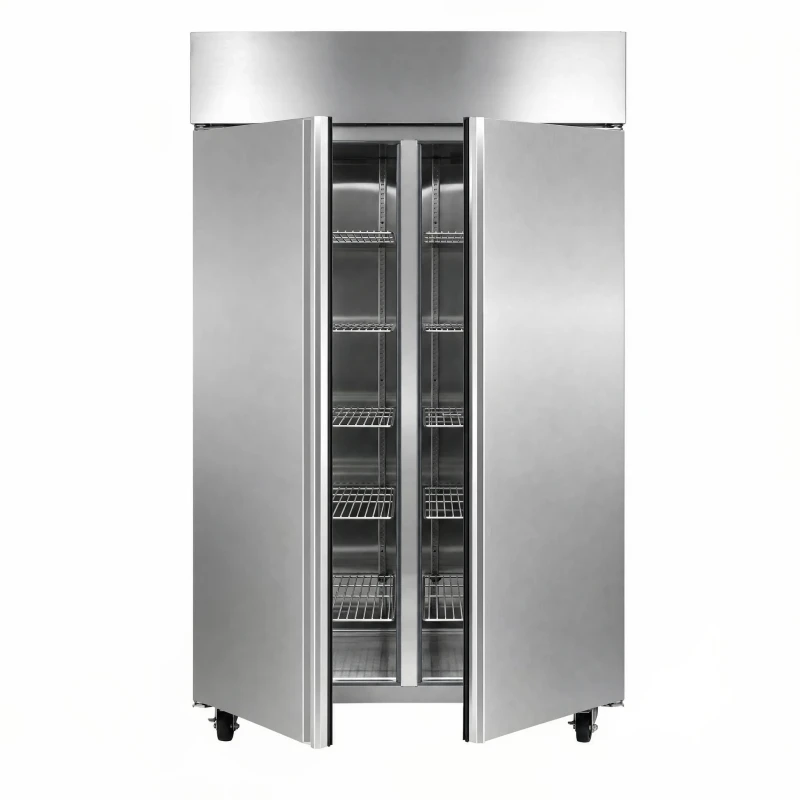
In busy B2B settings, durability depends in part on whether the equipment suits the job. A prep kitchen may need quick access, while retail storage often puts more emphasis on display or efficient organization. Back-of-house frozen storage brings another set of demands, especially reliable performance at low temperatures. The right cabinet type supports the way the equipment is used and can help avoid unnecessary strain on the compressor.
Commercial refrigerator compressor failures often stem from preventable issues. When condenser coils become dirty or airflow is restricted, the compressor may overheat, shortening its service life. Regular coil cleaning, proper installation, and a prompt response to warning signs can protect the equipment’s value and help keep the business running.
FAQ
How often should a business clean the condenser coils of a commercial refrigerator?
Most businesses should clean the coils every 30 to 90 days. In greasy kitchens, bakeries, or dusty storage areas, cleaning may be needed more often.
Can staff clean condenser coils without a technician?
After switching off the power, trained staff can manage basic cleaning of the coils’ exterior. Issues involving refrigerant, wiring, or the compressor require a qualified refrigeration technician.
Does a commercial refrigeration warranty cover compressor failure?
Coverage varies by manufacturer and may depend on the unit’s age, maintenance record, and the cause of the failure. Claims are less likely to be approved when poor cleaning or limited airflow contributed to the problem.