
Bulk Buying Guide – What to Check First
For bulk buyers, price is just the starting point. The bigger question is whether the equipment will protect inventory, fit into daily operations, reduce running costs, and stay dependable under commercial demands. A Commercial Refrigerator may appear straightforward, but foodservice operators, distributors, hotels, cafés, supermarkets, and institutional kitchens can have very different cooling requirements.
When comparing options, procurement teams often focus on unit price and cabinet size, only to encounter problems later, such as slow temperature recovery, higher electricity bills, a shorter compressor lifespan, or delays in after-sales service. Those practical concerns should be assessed before placing a bulk order.
1. Confirm the Real Application Before Comparing Models
The first thing to consider is where the refrigerator will be used and what it needs to store. In a busy restaurant kitchen, staff generally care most about quick access and a stable internal temperature. A retail store may be more concerned with how clearly the products are presented. For hotels and bakeries, hygiene, quiet operation, and ease of cleaning can take priority.
Different commercial environments require different refrigerator designs:
- Back-of-house kitchens generally favor solid-door cabinets.
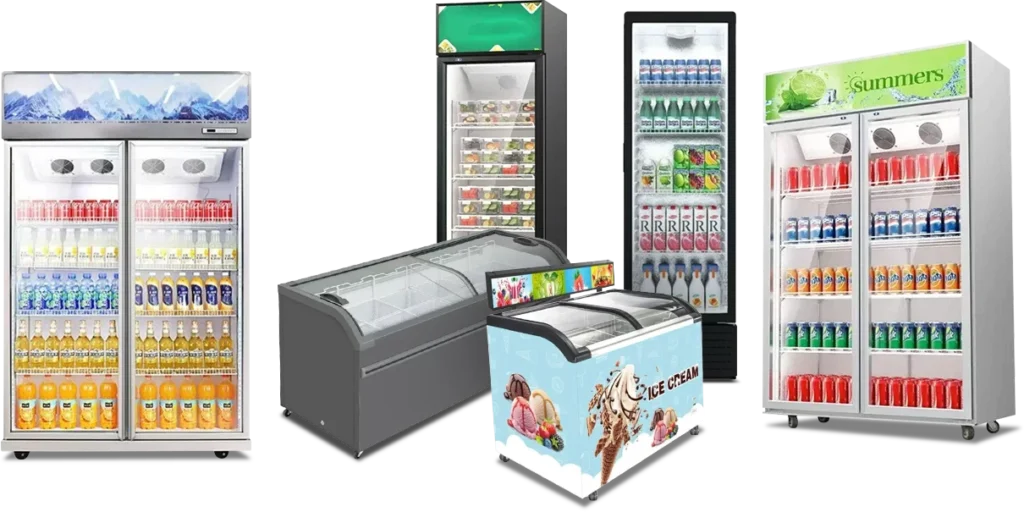
- Retail stores often choose glass doors, keeping products visible to customers.
- Food preparation areas need durable shelving and interiors that can be cleaned easily.
- Chain stores typically require standardized specifications across multiple locations.
Those comparing refrigerator types can consult the Commercial Refrigerator category for information on available cabinet styles and common commercial configurations.
2. Select a Refrigerator Type That Fits Bulk Purchasing
The right bulk-order choice depends on the type of business, not merely on what the warehouse happens to have in stock. In most cases, the two options worth considering are reach-in refrigerators and glass-door models.
Commercial Reach-In Refrigerator for Kitchen Efficiency
A Commercial Reach-In Refrigerator fits naturally into restaurants, central kitchens, bakeries, cafés, and catering facilities. Staff can open the door, take out food, and close it again quickly, keeping the kitchen moving. Inside, the layout is practical, while the overall design typically focuses on dependable cooling and durable stainless steel construction.
For regular use, buyers should look at the quality of the door seals, the weight capacity of the shelves, and the compressor’s brand and cooling speed. They should also consider the interior layout and how easy the unit is to maintain.
In a busy kitchen, a reach-in model may be the better choice, since employees can open it repeatedly throughout service.
Commercial Glass Door Refrigerator for Display and Sales
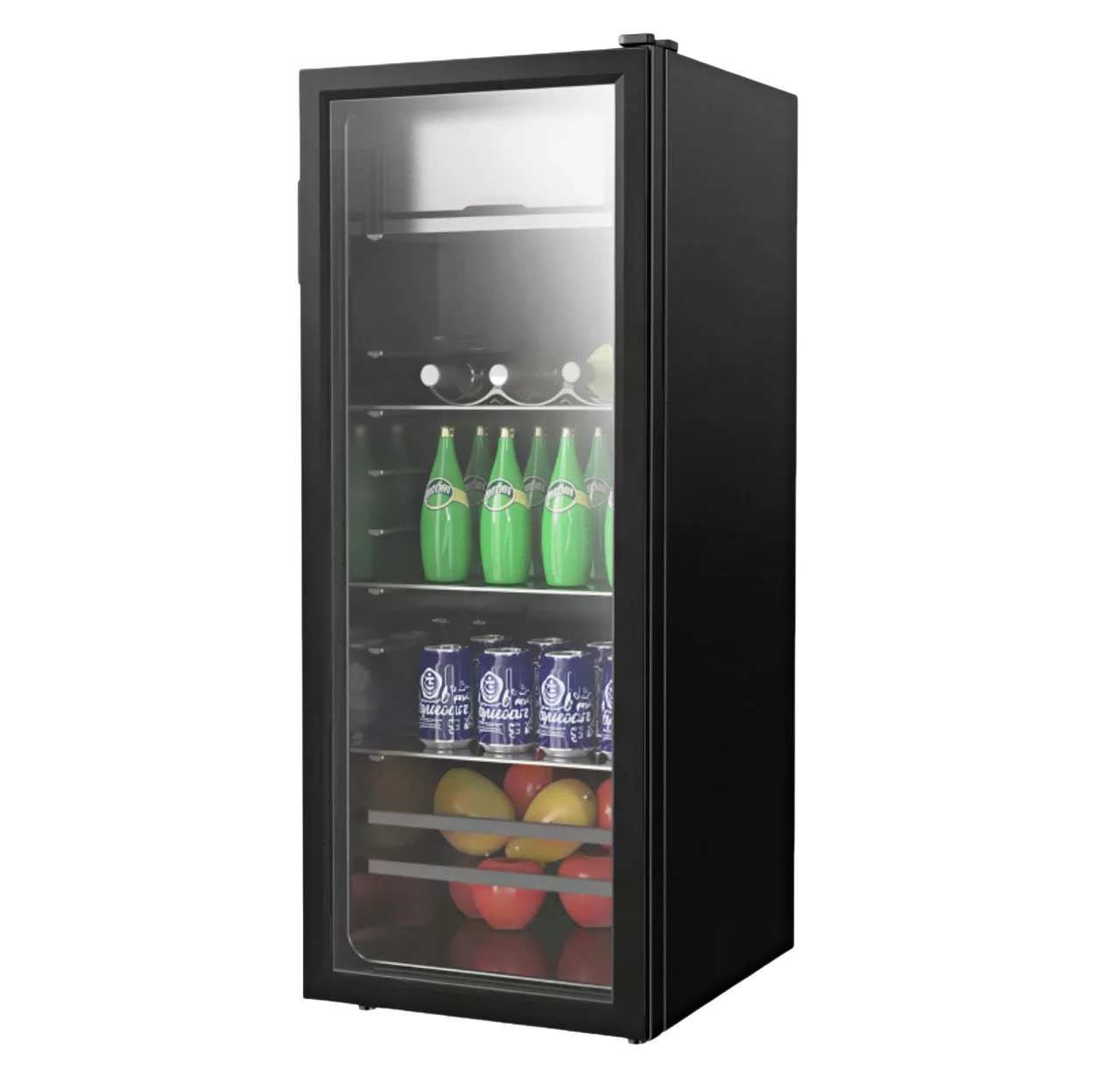
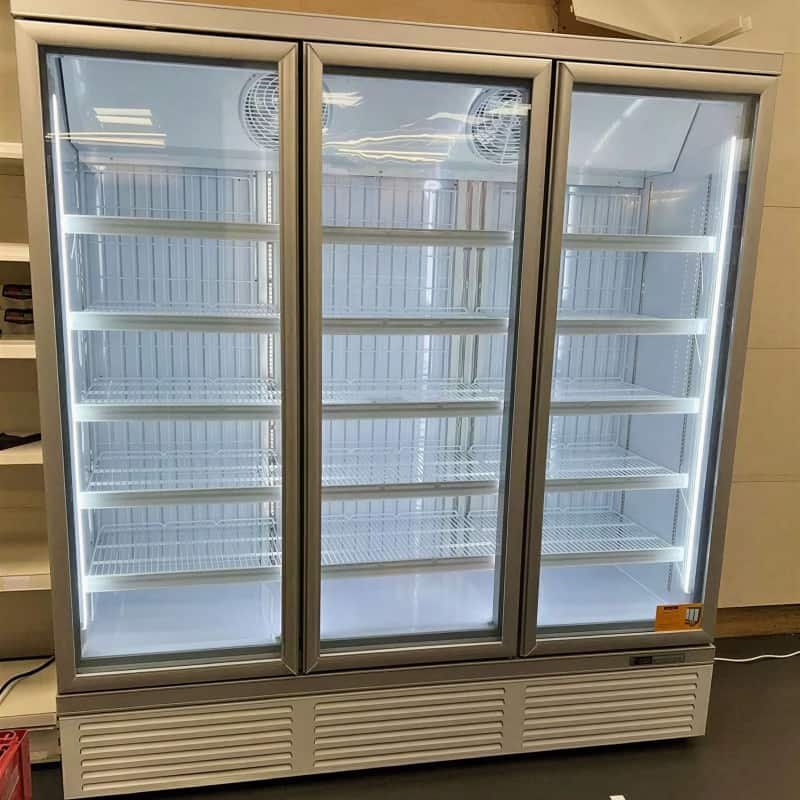
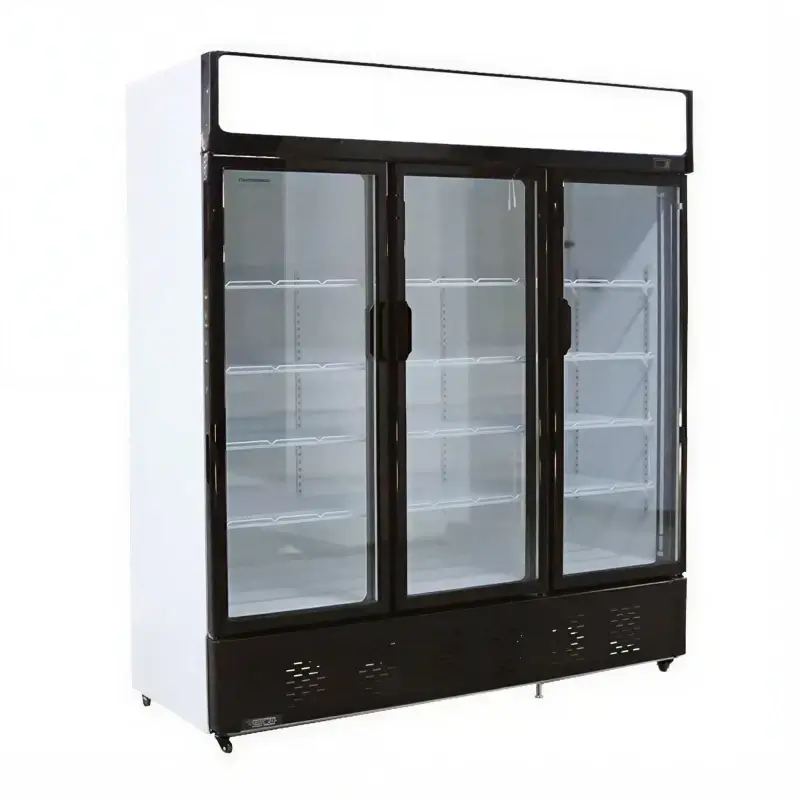
Commercial glass-door refrigerators are suited to supermarkets, convenience stores, beverage shops, cafés, and self-service areas. Because customers can see drinks, dairy products, desserts, or packaged foods through the transparent door, they do not need to open it just to browse. That helps reduce unnecessary cold-air loss and may also encourage impulse purchases.
When comparing glass door models, buyers should consider more than appearance alone. Insulation, anti-fog performance, lighting, and shelf arrangement all warrant attention. A neat display can make products look more appealing, but poor cooling or weak lighting may affect both food safety and sales value.
3. Review Core Specifications Before Discussing Price
Bulk buyers should have a technical checklist ready before requesting quotations. It keeps supplier discussions focused and reduces the risk of misunderstandings.
| Check Point | Why It Matters | Buyer Tip |
| Capacity | Shows the amount of available storage and helps determine how many units are required | Compare the listed liters or cubic feet with actual inventory turnover |
| Temperature Range | Supports food quality and compliance requirements | Confirm that the range remains stable under local ambient conditions |
| Cooling System | Affects how consistently the unit holds its temperature | Ask about fan cooling, compressor quality, and how quickly the temperature returns |
| Material | Influences hygiene as well as durability over time | Stainless steel interiors are a good fit for heavy commercial use |
| Energy Use | Has a direct effect on long-term operating costs | Compare energy ratings instead of focusing only on the purchase price |
| Door Design | Can change workflow and contribute to cold-air loss | Check the gasket quality and hinges, and see how securely the doors close |
| Warranty | Limits procurement risk | Verify coverage for parts, the compressor, and service |
A dependable Commercial Refrigerator needs to maintain a consistent temperature, including during the busiest hours of operation. Many buyers underestimate how much that matters. Unstable cooling may lead to wasted food, complaints from customers, and safety hazards.
4. Evaluate Energy Efficiency and Lifetime Cost
A lower purchase price can become expensive if a refrigerator consumes too much electricity. Because commercial refrigeration equipment often runs 24 hours a day, even a modest difference in energy use may create a substantial cost gap over several years.

Procurement teams should review daily or annual energy use, compressor efficiency, and the performance of the door insulation. LED lighting efficiency is another consideration for display models. They should also assess the automatic defrost system and refrigerant type, including whether they comply with local requirements.
Experienced buyers look past the upfront price, calculating what the product will cost over its entire service life. That includes energy bills, spare parts, potential repair frequency, maintenance labor, and the product’s expected service life.
5. Inspect Build Quality for Heavy Commercial Use
Refrigerators in commercial kitchens and retail stores face much heavier use than those in homes. Their doors may be opened hundreds of times daily, and the shelves often carry heavy ingredients or beverage cartons. With cleaning chemicals, moisture, and nonstop activity in the mix, the cabinet can wear out sooner.
A well-made unit needs a sturdy body, smoothly opening doors, handles that can withstand regular use, and corrosion-resistant materials. The interior corners and drainage system also matter. If those sanitation features are poorly designed, cleaning takes longer and hygiene risks increase.
When comparing products, buyers can refer to commercial refrigeration equipment as an internal benchmark while arranging research pages or related purchasing guides.
6. Review Supplier Capacity Before Placing a Bulk Order
Product quality matters, but a supplier’s ability to deliver consistently matters just as much. Bulk orders require steady production, reliable quality control, export experience, and clear communication. Suppliers should clearly state the product specifications, packaging details, delivery schedules, and after-sales support they provide.
Before placing an order, buyers should ask for:
- Product specification sheet
- Quality inspection process
- Packaging photos or standards
- Spare parts availability
- Warranty policy
- Lead time for repeat orders
- Certificates required in the destination market
A reliable supplier can limit risk across the purchasing process. This is especially important for distributors and chain operators, which need the same models available consistently across multiple branches.
7. Consider Branding, Layout, and Market Positioning
For distributors, bulk purchasing is about more than the equipment alone. It affects how those products can be presented and sold. Refrigerators that look appealing, perform consistently, and come with clear documentation are generally easier to market to restaurants, stores, and project buyers.
Retail buyers should examine the display itself, the lighting color, the door’s transparency, and whether the shelves are adjustable. In a kitchen, though, durability, cooling performance, and ease of maintenance carry more weight. No matter the setting, the refrigerator must meet the expectations of its eventual user.
A clearly defined product line can improve SEO and online sales as well. Organizing category pages around terms such as commercial reach-in refrigerator solutions and glass door commercial refrigerator display makes it easier for visitors to find the right product group without making the site difficult to understand.
8. Make the Final Decision with a Structured Checklist
A practical final review can help prevent costly mistakes. Before approving the bulk order, procurement teams should confirm that the selected model meets their business needs, technical requirements, and service expectations.
Final Buyer Checklist
- Does the capacity match the actual storage requirement?
- Will the unit hold a stable temperature in its intended environment?
- Is the cabinet material appropriate for commercial cleaning routines?
- Will its energy use remain acceptable during long-term operation?
- Does the door type fit the kitchen or retail workflow?
- Can the supplier manage bulk deliveries and repeat orders?
- Are the warranty terms, spare parts, and documentation provided clearly?
The best choice must weigh performance, durability, supplier reliability, and total cost. A suitable Commercial Refrigerator helps preserve food quality, maintain efficient operations, and support long-term business growth.
Conclusion
Buying commercial refrigerators in bulk requires more than comparing dimensions and prices. First, determine how the units will be used. From there, consider cooling performance, material quality, energy efficiency, door design, and what the supplier is equipped to provide. Reach-in models typically work well in busy kitchens, while glass-door models are better suited to retail displays and customer-facing sales.
A well-organized purchasing process helps businesses spot hidden costs and select equipment that remains dependable after installation. For B2B buyers, a refrigerator is not simply a storage cabinet but a long-term operating asset.
FAQ
How many commercial refrigerators should a restaurant buy in one bulk order?
The right quantity depends on several practical factors: peak inventory, the menu, delivery frequency, and the kitchen’s layout. Extra capacity may also be helpful during holidays or when suppliers are delayed.
What should buyers prioritize when comparing bulk refrigerator suppliers?
Before agreeing to a final unit price, buyers should consider product consistency, production capacity, warranty terms, export experience, spare-parts support, and the supplier’s response time.
Are glass-door refrigerators a good fit for back-of-house kitchens?
They can work, although solid-door reach-in units typically hold up better under demanding kitchen conditions. Glass-door models tend to make more sense in display areas or locations visible to customers.