
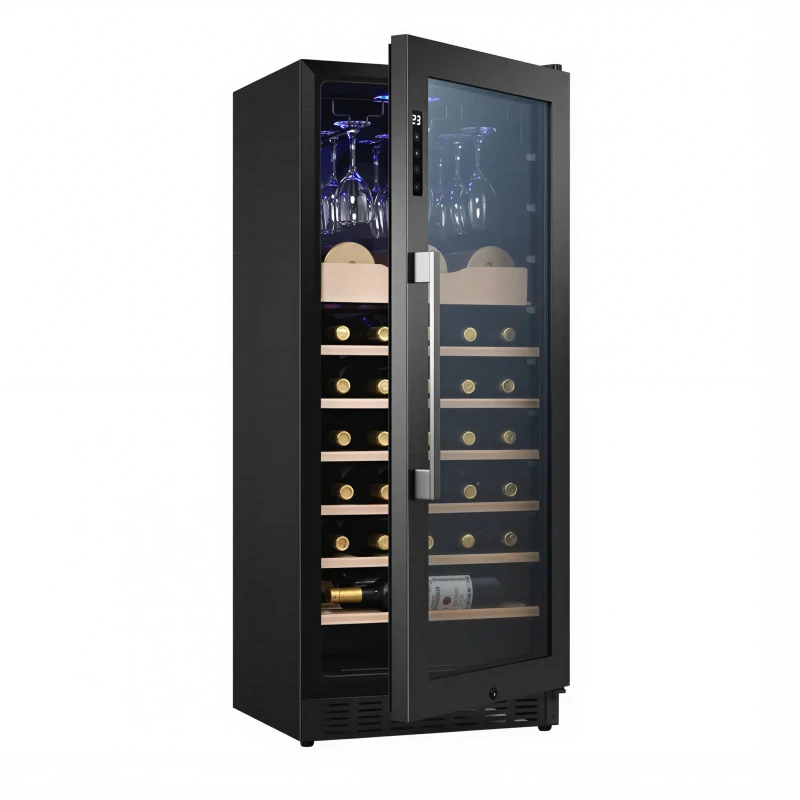
Why Uneven Cooling Signals a Bigger Problem
When a commercial reach-in refrigerator no longer cools evenly, the effects can extend throughout the kitchen. Food safety risks increase, energy costs go up, and products spoil sooner. Common early signs are warm upper shelves, frost accumulating at the bottom, and inconsistent readings on the built-in thermometer. If those warnings are ignored, the compressor often fails within months.
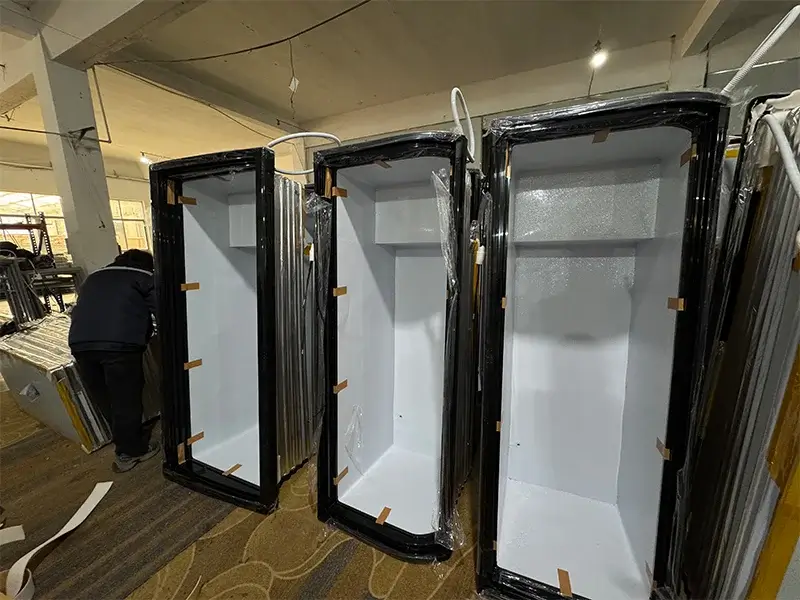
Years of field observations suggest that uneven cooling typically develops gradually, not overnight. The causes are usually few and fairly predictable, so spotting them early may reduce inventory and repair costs.
Top Causes of Uneven Cooling
1. Blocked or Restricted Airflow
For the temperature to remain even, cold air needs room to circulate. In busy kitchens, the most common mistake is overpacking. Airflow may be blocked almost at once when boxes are stacked against the rear vents, plastic bins sit over the evaporator intake, or oversized trays are pushed onto the top shelf.
A well-designed Commercial Reach In Refrigerator relies on carefully engineered air paths. Once those paths are blocked, warm pockets can form quickly, especially near the door and under the top rack.
2. Dirty Condenser Coils
Over time, grease, dust, and flour build up on the condenser fins. Once they become clogged, the compressor must work harder even as cooling capacity declines. In kitchens that do not clean the coils quarterly, temperature differences between zones commonly reach 8–12°F.
3. Worn Door Gaskets
A gasket that has hardened or cracked may allow ambient air to seep in, making the front of the cabinet warmer than the back. Test the seal by closing the door on a dollar bill and tugging on it. If the bill slides out without much resistance, replace the gasket.
4. Evaporator Fan Failure
The evaporator fan circulates cold air across the coil and around the cabinet. If it slows down or stops, ice may accumulate on the coil, causing uneven cooling. While the compressor runs, listen for an irregular hum—or silence.
5. Refrigerant Charge Issues
A gradual leak that reduces the refrigerant level may produce the familiar pattern of uneven cooling. Have a licensed technician handle the diagnosis and recharge.
Quick Diagnostic Reference Table
| Symptom | Likely Cause | Priority |
| Warm top shelf, cold bottom | Blocked airflow / weak fan | High |
| Frost buildup on evaporator | Faulty defrost cycle | High |
| Compressor runs constantly | Dirty condenser / low refrigerant | Critical |
| Condensation around door | Worn gasket | Medium |
| Temperature swings >5°F | Thermostat calibration | Medium |
Preventive Habits That Actually Work
Regular maintenance can determine whether a unit lasts five years or fifteen. In restaurant operations, these practices have worked consistently:
- Clean the condenser coils every 90 days.
- Inspect the gaskets monthly for cracks or gaps.
- Leave at least two inches of space behind the cabinet.
- Log internal temperatures twice per shift.
- Schedule professional servicing once a year.
Operators using a Commercial Upright Freezer with other refrigeration equipment should maintain the same routine. Because freezers are more susceptible to ice buildup and defrost failures, regular maintenance matters even more.
When Uneven Cooling Points to Equipment Mismatch
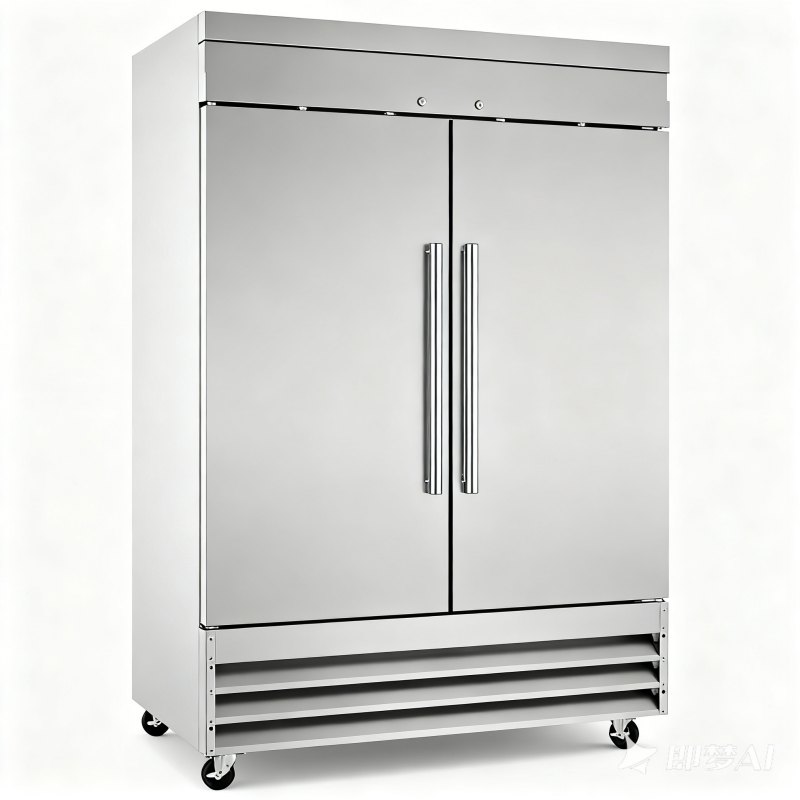
Sometimes the problem is the equipment’s fit for the workload, not the unit itself. A small pastry shop that uses a full two-door reach-in for just a few items will have sections of the cabinet sitting empty. In a busy prep kitchen, by contrast, forcing too much product into a cabinet that’s too small will almost certainly interfere with airflow.
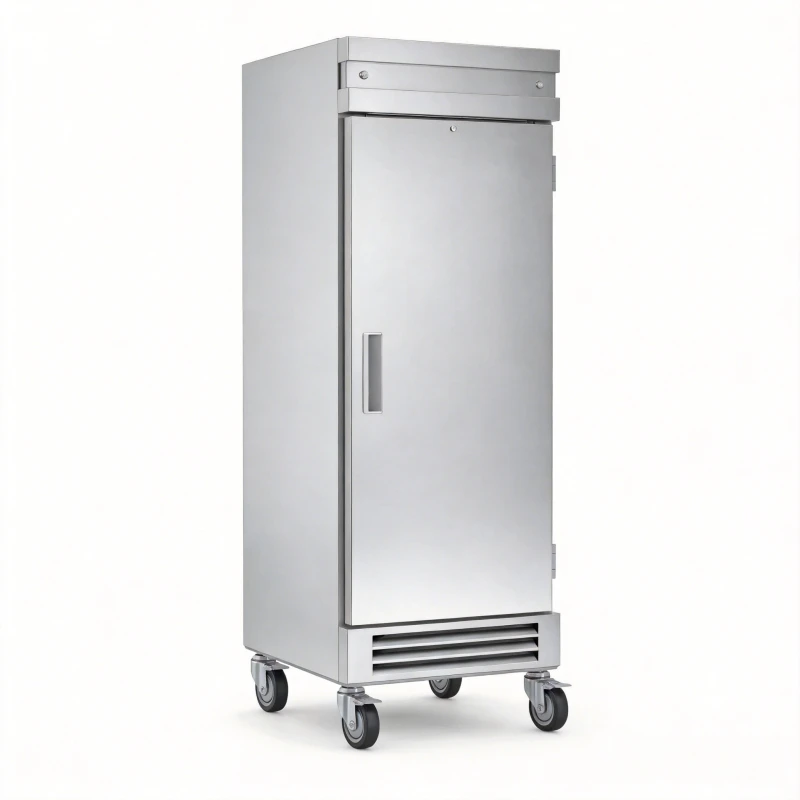
Right-sizing matters. If you do not need the extra space, a compact Single Door Upright Freezer may perform better than a larger model. Matching the cabinet’s capacity to actual throughput helps the compressor cycle within its intended range and keeps temperatures more consistent.
Signs It’s Time to Replace Rather Than Repair
- Repair costs exceed 50% of the replacement value
- The unit is more than 10 years old
- It uses an R-22 refrigerant system (phased out)
- The compressor has failed repeatedly within 18 months
Final Thoughts on Keeping Cooling Consistent
A reach-in refrigerator commercial unit that cools unevenly is sending the operator a clear warning. The remedy might be a five-minute gasket replacement, or it might require a complete compressor rebuild. Either way, ignoring the problem never ends well. Regular inspections, careful loading, and prompt action at the first sign of trouble help the unit perform as its designers intended.
Kitchens that treat refrigeration as critical infrastructure rather than just an appliance in the corner consistently report longer equipment life and fewer emergency service calls.
FAQs
How often should a commercial reach-in receive professional service?
Most manufacturers recommend professional service at least once a year. In high-volume kitchens, semi-annual maintenance is beneficial because it can identify refrigerant and electrical problems early.
Can uneven cooling affect health inspection results?
Yes. The moment a zone exceeds 41°F, perishable inventory is in the danger zone. Inspectors flag this right away, potentially resulting in citations or mandatory disposal.
Is it worth repairing a 12-year-old reach-in?
Usually, no. Efficiency savings from modern refrigerants, better insulation, and smart controls often offset the replacement cost within three to four years.