
Why Temperature Control Matters for Refrigeration Performance
Why Temperature Stability Defines Refrigeration Performance
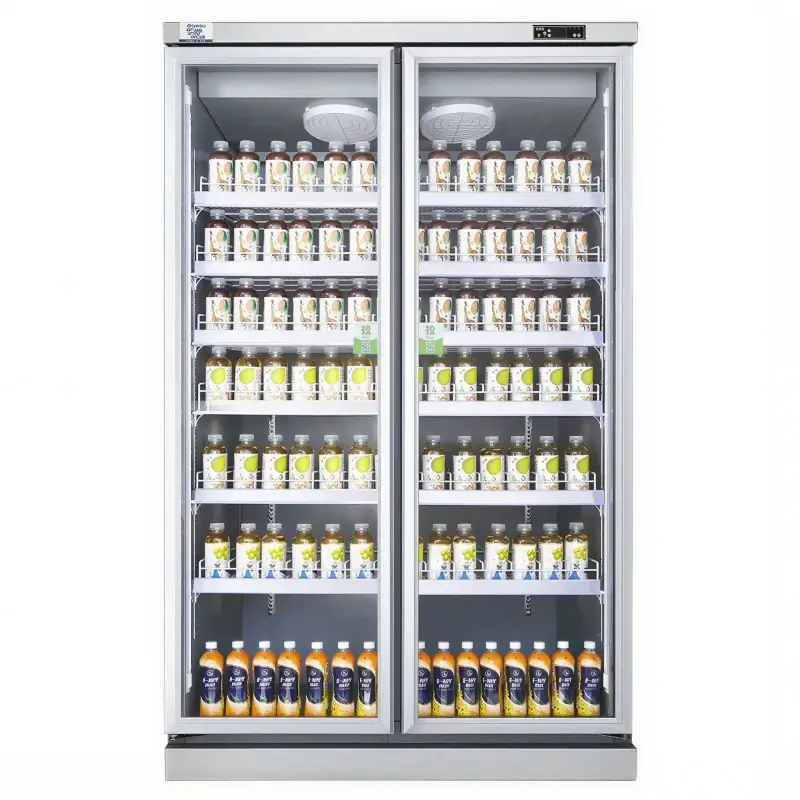
Temperature stability is the clearest difference between a dependable commercial 2-door refrigerator and a poor-performing one. In a busy kitchen, food safety, energy consumption, and equipment longevity all hinge on how closely the unit holds its setpoint. Treating temperature as something to “set and forget” can be expensive. Even fluctuations of 3–4°F may drastically shorten shelf life.
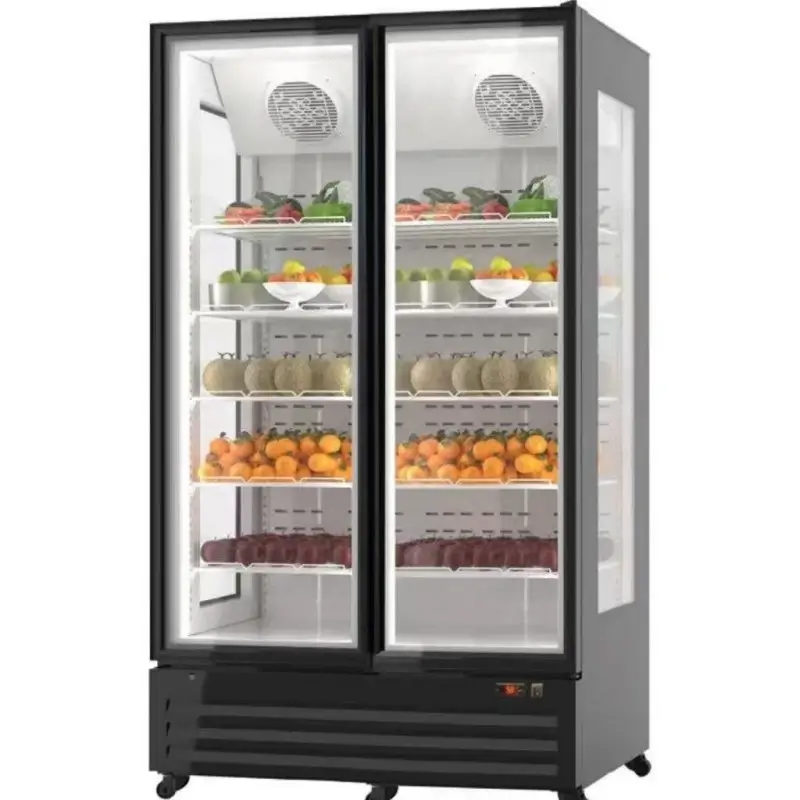
After years of observing professional kitchens, one practice repeatedly distinguishes the strongest performers: they treat refrigeration units as active systems requiring daily attention, not as passive storage boxes.
The Core Objectives
- Keep food at safe holding temperatures between 33°F and 40°F
- Limit compressor cycling to help extend equipment life
- Prevent cross-contamination between raw and ready-to-eat items
- Lower energy consumption by maintaining stable thermal loads
Understanding How a Two-Door Unit Regulates Temperature
How a Two-Door Unit Regulates Temperature and Handles Door Use
A commercial 2-door refrigerator typically runs both compartments on a single refrigeration circuit. Some premium models differ, using dual evaporators to regulate each compartment separately. The thermostat monitors the return-air temperature, switches the compressor on, and cycles the fan to distribute cold air evenly through both cavities.
The main concern is how the doors are handled. When staff repeatedly open one side during service, warm air gets in, forcing the compressor to run longer. Zoning helps limit that effect: frequently accessed items should go on one side, allowing the other compartment to stay at a stable temperature.
Recommended Temperature Zones
| Storage Zone | Ideal Range | Typical Contents |
| Upper Shelf | 36–38°F | Dairy, prepared sauces |
| Middle Shelf | 34–36°F | Cooked proteins, deli items |
| Lower Shelf | 32–34°F | Raw meats, seafood |
| Door Racks | 38–40°F | Condiments, sealed beverages |
Storing raw proteins on the lower shelves has a practical benefit: it reduces contamination from drips and takes advantage of the cooler conditions created when cold air settles.
Calibration and Daily Monitoring Practices
Factory calibration will not keep a unit accurate indefinitely. Condensation residue accumulates on sensors, gaskets loosen, and seasonal changes alter kitchen temperatures. Regular monitoring helps prevent small shifts from becoming spoilage incidents.
Daily Checklist
- At opening and closing, compare the displayed temperature with a calibrated probe thermometer.
- Inspect the door gaskets for tears, food debris, or reduced compression.
- Confirm that the interior fans are running smoothly and that ice has not accumulated on the evaporator coils.
- Take readings twice during each shift to track trends over time.
- Pay attention to unusual compressor cycling or run times that continue longer than expected.
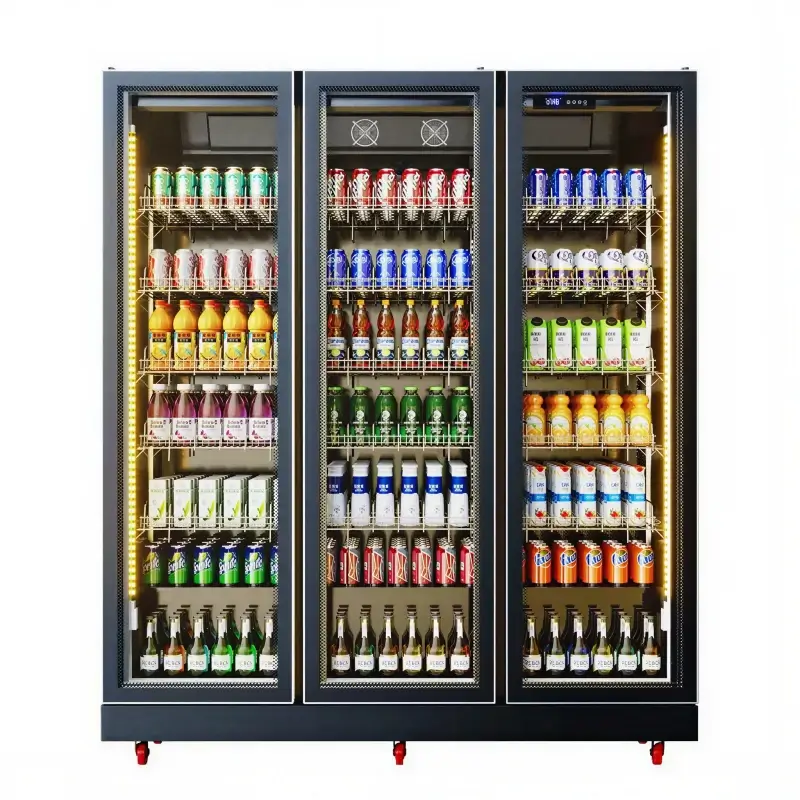
For operators using a Double Door Display Refrigerator in a front-of-house setting, ambient lighting and customer traffic introduce additional heat at the glass panels. As a result, these units typically require setpoints 1–2°F lower than comparable back-of-house models.
Weekly and Monthly Tasks
- Clean the condenser coils to prevent a decline in heat rejection
- Test the mechanisms responsible for automatically closing the door
- Recalibrate the digital sensors with reference thermometers
- Check drain lines for blockages, since they can lead to sudden humidity spikes
Neglected condenser cleaning ranks among the top three causes of premature compressor failure. As dust builds up on the coils, the system must work harder, and energy bills rise well before the unit eventually fails.
Common Temperature Problems and Practical Fixes
Once operators understand the usual sources of temperature drift, troubleshooting becomes fairly straightforward. Most problems follow a familiar pattern.
Frequent Culprits
- Overloading: When air vents are blocked, circulation is disrupted
- Warm loading: Hot pans placed inside may cause the internal temperature to spike
- Gasket failure: Worn seals let warm air seep in continuously
- Dirty coils can reduce heat-exchange efficiency by up to 30%
- Improper defrost cycles lead to ice buildup on evaporators
Using Side-by-Side Comparison to Diagnose Temperature Issues
In kitchens using a Commercial Reach In Refrigerator alongside a two-door unit, temperature inconsistencies often become noticeable sooner because staff can compare the two systems directly. This side-by-side comparison can serve as a useful diagnostic habit.
Looking more closely at kitchen workflow, two-door refrigerators and two-door units in convenience stores reveal how usage patterns directly affect temperature requirements.
Matching Temperature Strategy to Business Type
Different operations need different setups. In a busy quick-service kitchen, the main concern is rapid recovery after the doors are opened again and again. A fine-dining prep station has another priority: exceptionally stable holding conditions for delicate ingredients.
Business-Specific Priorities
- Restaurants: Focus on fast recovery while keeping zoning disciplined
- Convenience stores: Keep glass doors clear and beverage temperatures steady
- Catering operations: Prioritize high-capacity cooling after loading each batch
- Bakeries: Pair temperature stability with humidity control
Sizing Matters: Avoiding Temperature Issues from the Start
Choosing the right Commercial Refrigerator configuration from the start helps prevent many temperature issues operators face later. A unit that is too small runs nonstop; one that is too large cycles inefficiently and wastes energy.
Building a Long-Term Temperature Discipline
Temperature control relies on management as much as on technical features. Effective operators use simple systems, including logbooks, digital alerts, and monthly audits, to catch drift before it leads to damage. Training staff to manage door opening, organize loads, and monitor conditions each day may yield far greater returns than upgrading hardware alone.
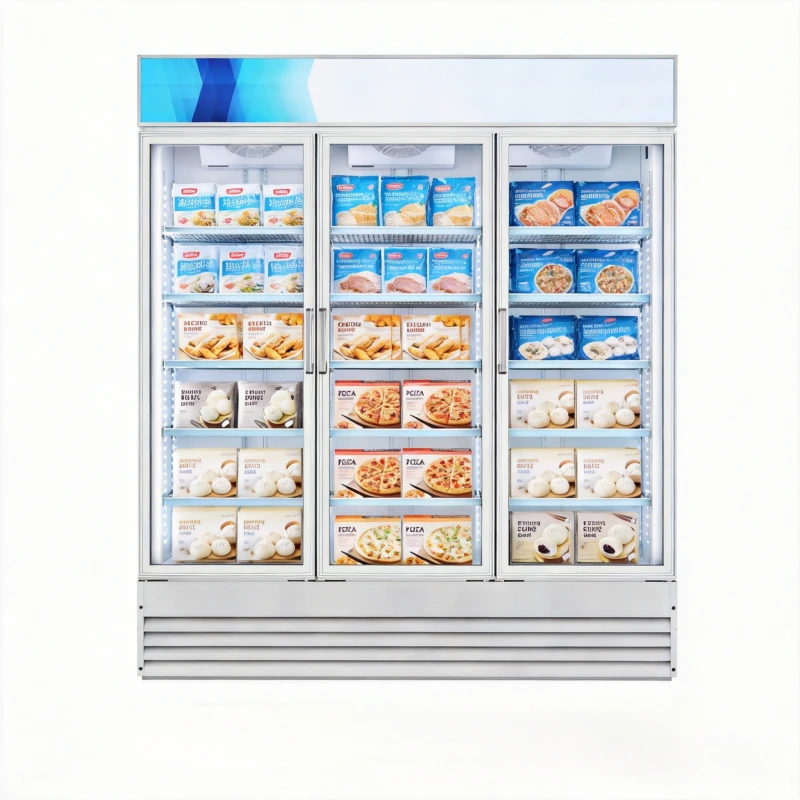
A well-maintained commercial 2-door refrigerator can hold a steady temperature for a decade or more, provided the team gives this critical asset the care it requires.
FAQs
What temperature should a commercial 2-door refrigerator maintain?
Most units should remain at 36–38°F for general storage, while raw proteins on lower shelves should be kept closer to 34°F.
How often should temperature calibration happen?
Compare the displayed temperature with a probe thermometer every day. Recalibrate the sensor fully each quarter, or sooner if its performance noticeably drifts.
Why does the unit struggle during peak service?
At the busiest times, the compressor can be overwhelmed by repeated door openings and the loading of warm items. Better staging and more disciplined door habits usually solve the issue quickly.