
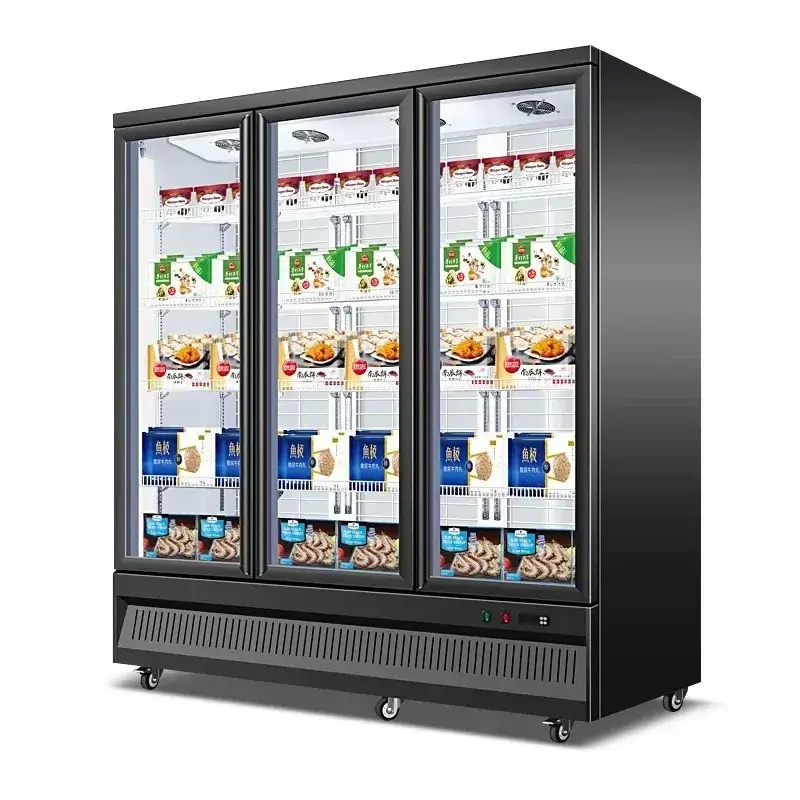
Why Adjustable Shelving Matters More Than Buyers May Expect
Most operators barely consider shelving when selecting a Three Door Commercial Freezer. On the retail floor, however, things are less straightforward. Product sizes shift with seasonal promotions, and suppliers regularly bring in new packaging. Rigid shelves can make those changes a nuisance, slowing sales and interrupting the workflow. Adjustable shelving solves the problem with little effort, yet the difference it makes is substantial.
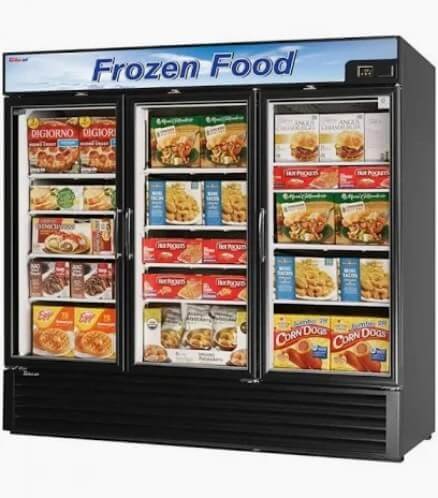
The Real Cost of Fixed Shelving in a Changing Retail Environment
Store owners who invest in flexible interiors report faster restocking, cleaner displays, and fewer damaged goods. Shelving is not merely cosmetic; it is an operational tool that can adapt as the business changes.
Three Reasons Adjustability Pays Off
- Product lines rarely stay the same all year
- Bulk cases and individual retail units need different amounts of vertical space
- Airflow depends on how closely items sit against walls and vents
Any one of these points is enough to justify the upgrade. Together, they explain why experienced buyers have moved away from freezers with fixed shelves.
Matching Shelving to Product Categories
Not every product should sit at the same shelf height. A Three Door Commercial Freezer might store frozen meats beside ready meals, ice cream tubs, and bakery items, but each category needs a different amount of room.
Below are common shelving approaches used in supermarkets and convenience stores
| Product Type | Recommended Shelf Height | Layout Priority |
| Ice cream pints and tubs | 8 to 10 inches | Visibility from the glass |
| Frozen meat cases | 12 to 14 inches | Supports the weight and pulls out easily |
| Ready meals and pizza | 6 to 8 inches | Dense stacking with quick access |
| Bulk bags and poultry | 14 to 16 inches | Reinforced bottom shelf |
| Small novelty items | 5 to 7 inches | Top shelf at eye level |
Reading the Product Mix Before Setting Shelves
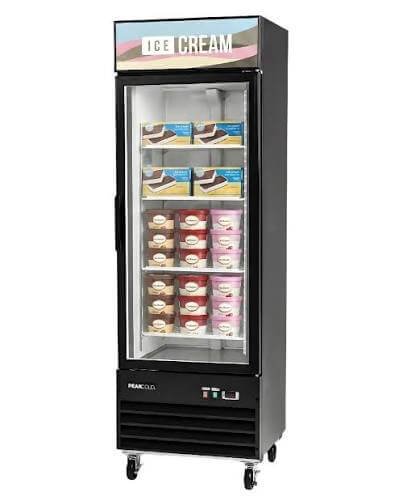
Before settling on the configuration, walk the aisle and count the SKUs by height, not by category. Stores that depend heavily on Ice Cream Freezers for premium pints should use shallow shelves set close together. A butcher-focused operation will need fewer shelves, though, with more vertical clearance. Without this audit, you will almost always be reshuffling within the first month.
Common Shelving Mistakes That Waste Space
Field visits tend to uncover the same issues repeatedly. They are usually easy to fix once noticed, yet they persist because staff rarely rethink the layout established on the first day.
Five Layout Errors That Cost You Storage Capacity
Tall items on the top shelf may block light and hide SKUs
Empty shelf tracks remain unused instead of being fitted with a divider
Products are stacked above the fill line, disrupting the air curtain
Failing to account for wire shelves’ weight limits, which may cause them to sag over time
Applying the same layout to all three zones despite differences in traffic patterns
The Fill Line Nobody Mentions
Every Display Freezer has an internal fill line, usually indicated by a small arrow or a faint mark on the side wall. Once products are placed above it, warm-air pockets develop, and frost is more likely to form near the top. Trained staff keep stock below the line. Untrained staff, by contrast, often assume that carrying more products will lead to more sales. The temperature logs support the trained approach.
Adjusting Shelves Without Compromising Airflow
Airflow quietly influences every shelving decision. In a Three Door Commercial Freezer, a continuous curtain of cold air needs to move through the interior, and shelf placement can either support that circulation or get in its way.
Practical Guidelines for Airflow-Optimized Shelf Placement
A few simple guidelines keep the space balanced:
Leave at least one inch between the tops of products and the shelf above
Keep tall packages and stacked boxes clear of the rear vents
Put the densest products on the bottom, where cold air settles
Keep the middle section more open so air can circulate through it
Rotate the shelves every quarter to minimize uneven wear on the tracks
When to Remove the Shelving Entirely
Some products show better without shelves. Retailers selling large frozen cases in bulk sometimes remove the middle shelf, creating a tall, open section. The same setup works in a Glass Top Island Freezer for bulk inventory, and an upright unit can be configured that way when the product mix requires it.
Building a Flexible Layout Plan
A good shelving plan is not permanent. It is a working document that changes with the seasons, promotions, and customer behavior. Managers who make the best use of adjustable shelving tend to follow a regular rhythm rather than a fixed rulebook.
When and How Often to Revisit Your Shelving Layout
Review shelf positions every quarter
Reassess the layout whenever a supplier makes a major packaging change
Photograph the final arrangement and post it near the freezer
Train new staff to understand the reasoning behind the arrangement, not simply memorize it
The Role of Documentation in Maintaining Consistency
Written layout guides still help after staff members move on; verbal instructions usually don’t. When stores keep a laminated shelving map in the manager’s office, new employees require far less training, and the Three Door Commercial Freezer stays organized across several shift changes.
The Long View on Shelving Investment
Adjustable shelving is more than a convenience. It can determine whether a freezer helps a business grow or limits its options. Retailers that prioritize interior flexibility when purchasing equipment can often expand their product range more quickly, reduce waste, and respond to market changes without replacing the freezer.
A well-designed shelving system costs relatively little at the outset compared with the operational freedom it provides. Over five years, that investment can mean fewer discarded products, faster restocking, and a cleaner display for customers.
FAQ
How often should shelving inside a commercial freezer be rearranged?
For most retailers, a quarterly review is enough. The layout may need attention sooner if supplier packaging changes or a major seasonal promotion brings new products into the lineup.
Can adjustable shelves safely hold heavy bulk cases?
Yes, as long as their weight limits are followed. Reinforced wire shelves typically hold 100 to 150 pounds each. Even so, heavy items are safest on the bottom shelf.
Do adjustable shelves noticeably affect energy consumption?
Yes, though only indirectly. Proper spacing between items keeps air moving and reduces compressor strain, which lowers energy use compared with overloaded or poorly arranged fixed shelving.