
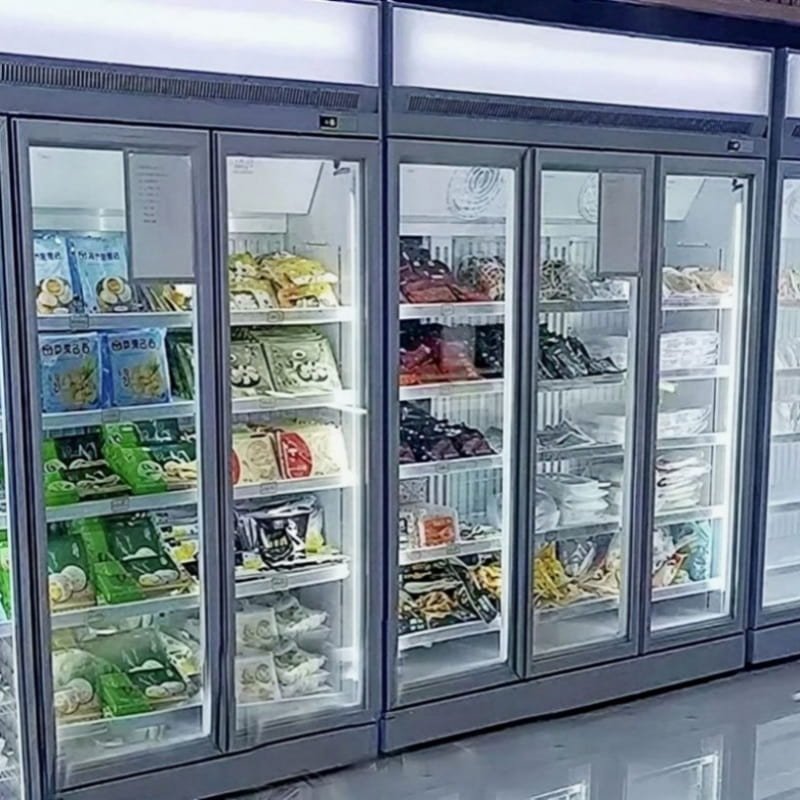
The short answer is yes. A commercial refrigerator and freezer can use a noticeable amount of electricity, although whether that qualifies as “a lot” depends on its cabinet size, insulation quality, compressor efficiency, door-opening frequency, and maintenance. In many restaurants, convenience stores, bakeries, hotels, and catering kitchens, refrigeration runs around the clock. That makes it one of the largest energy-cost items, behind cooking equipment, HVAC, and lighting.
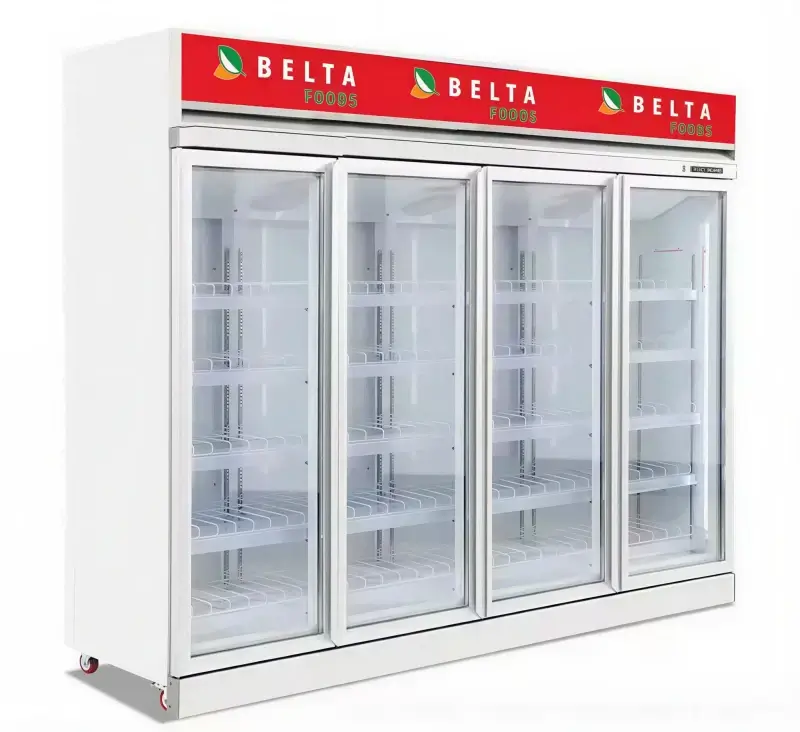
However, electricity consumption should not put business buyers off purchasing proper cold storage. If a unit is appropriately sized and holds a reliable temperature, the value it safeguards can exceed the cost of running it. Spoiled meat, melted desserts, unsafe dairy products, and inconsistent beverages can lead to losses far beyond the monthly electricity bill. The real issue is not simply how much power the equipment uses, but whether it fits the operation and performs efficiently under the pressures of everyday use.
Why Commercial Refrigeration Uses More Power Than Household Units
Commercial vs. Residential: Why Kitchen Refrigeration Is Built Differently
A commercial kitchen requires rapid cooling, sturdier construction, and a door built to endure much more frequent use than a residential model. Staff may open it dozens—or even hundreds—of times each day. Warm products arrive with deliveries, and ovens, fryers, grills, and dishwashers raise the temperature around the cabinet.
A household refrigerator usually stores groceries in a fairly calm, stable environment. Commercial equipment has to withstand much tougher conditions. That is why a Commercial Refrigerator often needs heavy-duty compressors, thicker shelves, stronger fans, and durable hinges. These features support food safety and productivity, but they also influence energy use.
The Real Buying Question: Balance Cooling Speed, Capacity, Reliability, and Efficiency
For a buyer, the best equipment is not automatically the model with the lowest wattage. The real question is how effectively it balances cooling speed, storage capacity, reliability, and energy efficiency.
The Risk of Under-Specifying: How a Less Powerful Unit Can Struggle During Peak Service
A less powerful unit may look cheaper initially, yet struggle during peak service and shorten the compressor’s lifespan.
Typical Electricity Use by Equipment Type
Energy consumption varies with the brand, capacity, refrigerant, insulation, and operating conditions. Still, broad ranges give operators a starting point for budgeting. The table below provides practical estimates for typical foodservice settings.
| Equipment Type | Typical Daily Use Range | Best For | Main Energy Drivers |
| Reach-in refrigerator | 2–8 kWh/day | Restaurants, cafés, prep kitchens | Door openings, ambient heat, fan runtime |
| Upright freezer | 6–18 kWh/day | Frozen food storage, bakeries, hotels | Low temperature setpoint, frost, product loading |
| Glass door refrigerator | 4–12 kWh/day | Retail drinks, convenience stores | Lighting, door seals, customer access |
| Large multi-door cabinet | 8–25+ kWh/day | High-volume kitchens, central storage | Cabinet size, compressor load, airflow design |
These figures do not replace manufacturer specifications. Before making a purchase, buyers should check the energy labels and technical sheets and account for real operating conditions. Still, the table shows a clear pattern: freezers generally consume more electricity than refrigerators because they must maintain much lower temperatures.
When a business is comparing equipment formats, a Commercial Reach In Refrigerator keeps chilled ingredients close to the prep line, making them easy to grab during service. If the priority is frozen stock and floor space is tight, a Commercial Upright Freezer could be a better choice, with storage arranged vertically so staff can keep it organized.
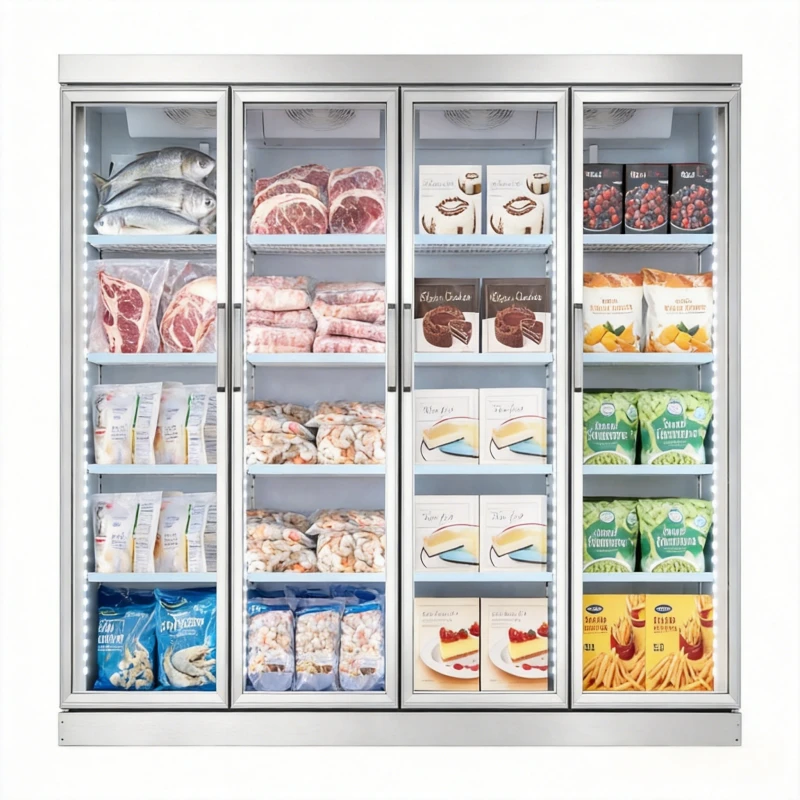
Key Factors That Decide the Monthly Electricity Bill
A commercial refrigerator and freezer do not use energy based only on their own design. The surrounding conditions matter, as does the way staff handles the equipment each day. Experienced kitchen managers often find that identical units can produce different electricity costs when they are installed in different locations.
1. Cabinet Size and Storage Load
Larger cabinets generally draw more power, but selecting one with excessive capacity creates waste. Even when half empty, a cabinet still needs to cool the unused air inside it. Overloading brings the reverse problem, restricting airflow and making the compressor run longer. The cabinet’s capacity should reflect the inventory operators realistically expect to turn over.
2. Door Opening Frequency
Each time a door opens, warm, humid air enters, adding heat and moisture that the system must remove. This is especially significant in busy kitchens, where sturdy hinges, self-closing doors, and efficient fans can help. Staff training also matters. Clearly organized storage reduces the time spent searching, helping doors remain closed longer.
3. Ambient Temperature
Hot kitchens make refrigeration systems work harder. If a cabinet sits beside an oven, fryer, or sunny window, its compressor will run for longer periods. Buyers should leave enough room for ventilation whenever possible and avoid placing the unit in corners that collect heat.
4. Gaskets, Coils, and Maintenance
Dirty condenser coils transfer heat less effectively. Worn door gaskets allow cold air to escape, and frost buildup cuts freezer performance. Regular maintenance can reduce electricity use by more than many operators expect.
Practical maintenance actions include:
- Clean the condenser coils whenever workload and dust accumulation call for it.
- Check the door gaskets for cracks, gaps, or hardening.
- Make sure nothing blocks the cabinet’s internal air vents.
- Verify the temperature settings with a calibrated thermometer.
- Defrost freezers when frost starts to interfere with airflow.
- During busy service periods, train staff to close the doors firmly.
How to Estimate Energy Cost Before Buying
Estimating Monthly Electricity Cost: A Simple Formula for Buyers
Buyers can get a rough monthly electricity cost with this formula:
Daily kWh × electricity rate × 30 days = estimated monthly cost
For example, if a freezer uses 10 kWh per day and electricity costs $0.15 per kWh, its estimated monthly cost would be:
10 × 0.15 × 30 = $45 per month
This estimate gives procurement teams a practical basis for comparing models, but the purchase price alone should not decide the choice. A cheaper unit can cost more over its service life when insulation is poor, temperatures are unstable, or after-sales support is limited.
A Practical Buying Process: Storage Needs, Space, and Key Specs
A more organized buying process begins by identifying what will be stored, how much space it requires, and how quickly it moves through storage. The available area must be measured as well, with room allowed for ventilation and the door’s opening arc. After that, compare the energy data, compressor type, and temperature range.
Beyond the Price Tag: Total Cost of Ownership and Supplier Support
Check the warranty, the availability of spare parts, and the level of support offered by the supplier.
Do not focus only on the initial purchase price; consider the equipment’s total cost of ownership as well.
Considering these factors makes the investment more predictable and helps businesses avoid equipment that is either underpowered or larger than necessary.
Does Energy Efficiency Affect Food Safety
Energy efficiency and food safety have to be weighed together. A thoughtfully designed cabinet can use less power without allowing temperatures to drift. If consumption is reduced by tolerating broad temperature swings, though, the risk increases. For restaurants, supermarkets, and food distributors, dependable refrigeration helps preserve product quality and shelf life while supporting compliance.
During normal operation, staff should watch how fast the temperature returns to its set point after doors have been opened or new products added. If recovery is slow, the cabinet may have restricted airflow, dirty coils, overloaded shelves, or too little capacity. Low energy use is of little value if the system cannot protect the inventory during peak hours.
When Should Businesses Upgrade Old Refrigeration
Many older units are still in service, yet they may consume excessive power and require more frequent repairs. Replacement may be worth considering when a compressor becomes noisy, the electricity bill rises, cabinet temperatures fluctuate, or service calls become routine.
Businesses may want to consider an upgrade when repair bills keep climbing, or the unit takes increasingly long to return to the right temperature. Worn door seals are a warning too. A compressor that runs almost constantly can signal trouble, particularly if the cabinet no longer provides enough storage space.
Energy consumption directly affects operating margins. A modern commercial refrigerator and freezer can make daily work smoother, reduce product loss, and keep cold storage more consistent. For brands operating across multiple locations, standardized equipment simplifies staff training and makes maintenance planning easier.
Conclusion
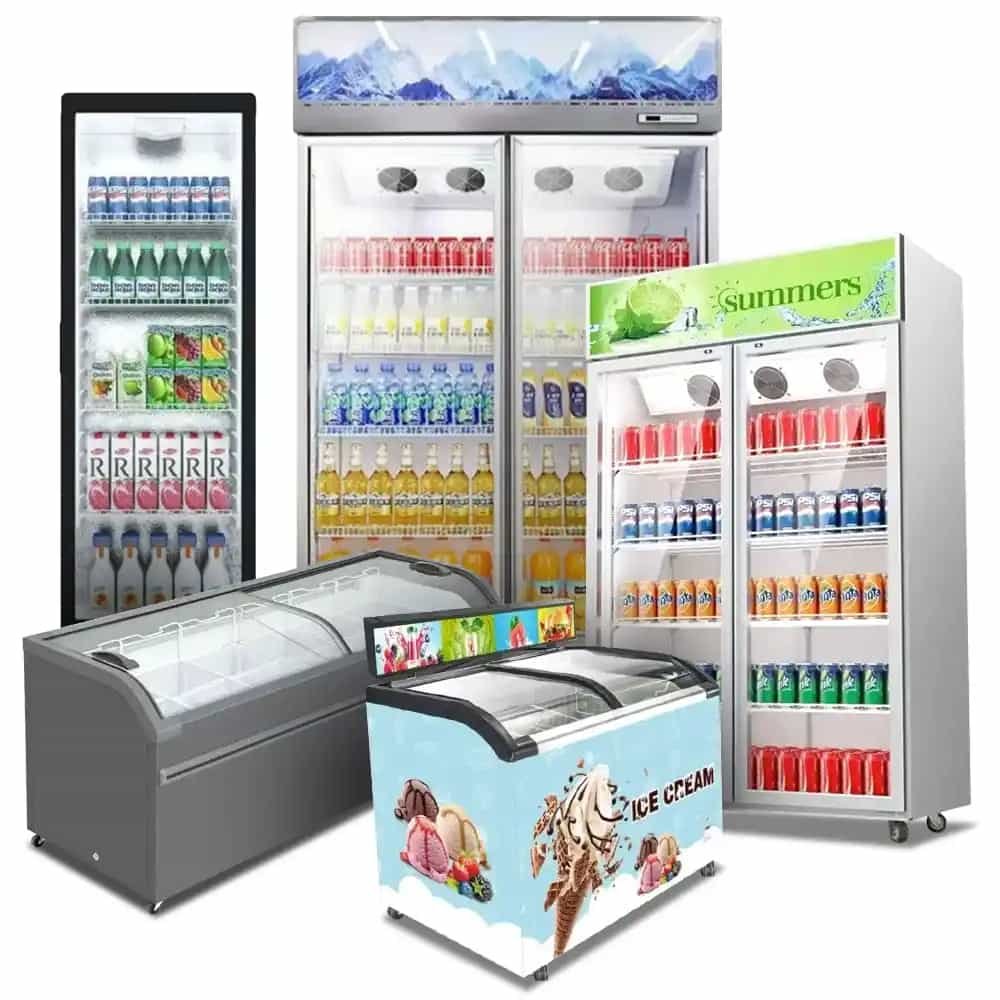
Commercial refrigerators and freezers use a great deal of electricity, largely because it operates nonstop in demanding foodservice environments. That level of consumption, though, is not unavoidable. Choosing quality equipment, sizing it correctly, placing it thoughtfully, keeping up with routine maintenance, and training staff well can substantially reduce wasted energy.
For B2B buyers, the practical question is which unit can hold safe temperatures without driving up total operating costs. A dependable refrigeration system protects inventory, keeps service running, and helps control expenses over time.
FAQ
How can a restaurant determine whether its refrigerator is consuming excessive electricity?
Before replacing equipment that still works, restaurants should first review their monthly kWh usage, how frequently the door is opened, the ambient temperature, and the condition of the gaskets.
Does a commercial freezer always use more electricity than a refrigerator?
Usually, yes. Because it must hold lower temperatures, a freezer uses more energy, especially when it has to remove the extra heat brought in with warm inventory each day.
Should chain stores buy the same refrigeration model for every location?
Yes. Using the same cabinet sizes, refrigerants, controls, and maintenance schedules at locations nationwide can provide bulk buyers with more consistent performance.