

In a small bakery, every bit of space matters. Cakes need steady cooling throughout the day, but a compact cake refrigerator keeps them fresh without crowding the work area or service counter.
Why Small Bakeries Need Specialized Refrigeration
In a small bakery, space is precious. A full-size walk-in cooler may not fit, while an ordinary household refrigerator can swing in temperature and damage delicate cakes and pastries.
Store cakes between 35°F and 38°F. Small temperature changes may cause condensation, damage the frosting, and weaken the cake. A cake refrigerator holds a more consistent temperature than a typical household refrigerator, helping protect inventory and reduce spoilage.
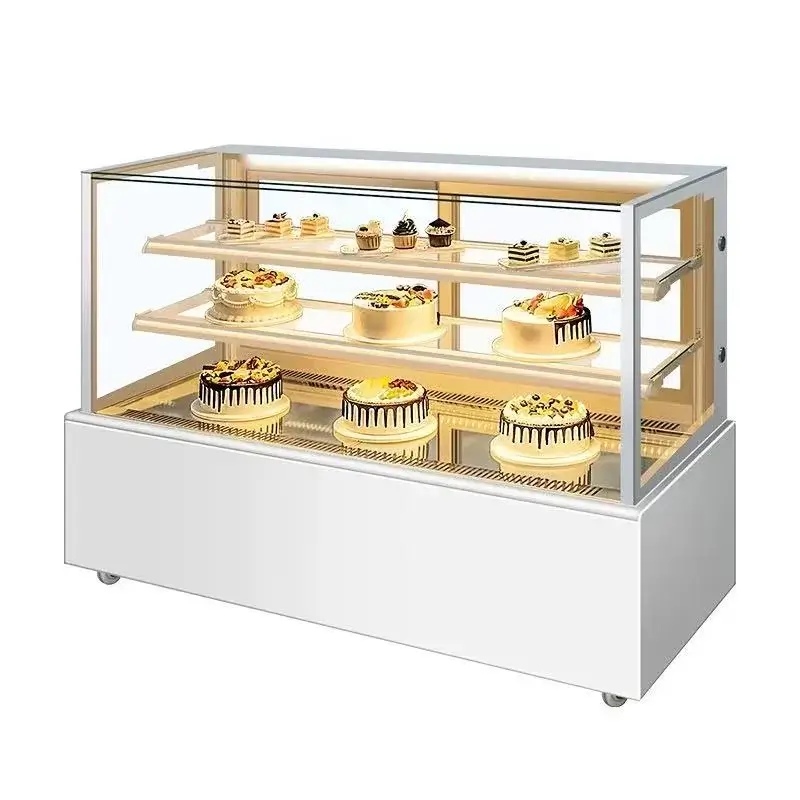
Cake display refrigerators keep tiered cakes on adjustable shelves that won’t damage delicate decorations. Their glass doors hold in the cold while giving customers a clear view, so staff do not have to keep opening the case. The cakes stay protected, and a passerby may decide to buy one.


Space-Efficient Display Solutions
Commercial Glass Door Refrigerator Benefits
A commercial glass-door refrigerator keeps food chilled while allowing shoppers to see the contents immediately. They can judge freshness and quality for themselves instead of depending on labels or staff explanations.
Projecting just 23–27 inches from the wall, these units leave walkways open. Their 72–82-inch height adds storage without putting most products out of reach, making them practical for small bakeries with limited floor space.
Open all day, these stores can consume far more electricity than expected. LED lighting keeps products visible with little added heat, and double-pane glass helps retain the cold. The compressor then runs less often, reducing power use by 15–20% compared with older single-pane units.
Counter-Level Accessibility
Commercial counter refrigerators help small kitchens make better use of limited space. Their chilled storage sits beneath a practical work surface, keeping ingredients close while bakers prepare food instead of walking back and forth across the room.
Most commercial counter refrigerators stand 34–36 inches tall, matching standard worktops, and are generally 24–30 inches deep. That keeps ingredients close at hand. In a small bakery, staff often place one behind the service counter so they can retrieve supplies without leaving customers alone.
A properly built commercial counter refrigerator reaches its set temperature again within three minutes of the door closing, even during a hectic service when staff open it repeatedly.

Choosing the Right Configuration
Single Door Display Refrigerator Advantages
A single-door display refrigerator can give a small bakery extra chilled storage without crowding the shop. Most units are 24–30 inches wide and hold 15–23 cubic feet. Their simpler design, with one door and fewer seals, usually lets less cold air escape and keeps energy use lower.
A bakery with a small product range can usually manage with one glass-door refrigerator. Staff can check its contents at a glance and move customers through the morning rush more quickly.
A single-door unit generally costs less to operate and repair. With one compressor and one cooling circuit, it has fewer parts that can break and gives technicians less to inspect. For a small bakery working with narrow margins, that difference can matter.
| Feature | Single Door | Double Door | Triple Door |
| Width | 24-30″ | 48-54″ | 72-78″ |
| Capacity | 15-23 cu ft | 35-45 cu ft | 55-70 cu ft |
| Energy Use | 2-3 kWh/day | 5-7 kWh/day | 8-11 kWh/day |
| Ideal For | Starter bakeries | Growing operations | High-volume shops |
| Price Range | $1,200-$2,500 | $2,800-$4,500 | $4,800-$7,200 |
Essential Features for Cake Storage
Temperature Consistency and Monitoring
Staff can read the temperature on the built-in display without opening the door, which helps stop buttercream from separating and fondant from sweating. An alarm sounds if the reading leaves the safe range.
Automatic defrosting keeps ice from accumulating and eases the load on the compressors. On pricier models, it usually runs during quiet hours, often early in the morning before the bakery opens.
These refrigerators control humidity as closely as temperature. Relative humidity should remain between 65–75%: too little moisture can harden cakes, while too much increases the risk of mold. Automatic controls maintain the range.
Shelving Flexibility and Organization
Adjustable wire shelves accommodate cakes of different heights without sacrificing storage space. Each shelf needs to support 50–75 pounds while leaving enough clearance for cold air to move beneath it. The plastic coating helps prevent rust and wipes clean more easily than bare metal.
Pull-out shelves bring stored items within easy reach, so there’s less bending and less chance of damaging delicate decorations. One unit can fit several cake trays in separate slots while making better use of vertical space and keeping each product visible.
Understanding Different Storage Needs
Small bakeries often handle several cake styles, each with its own storage needs. Fresh-cream cakes need prompt refrigeration at a tightly controlled temperature, while buttercream tolerates slightly more variation but still depends on consistent cooling. Fondant holds up best somewhere dry, away from humidity. A dedicated cake refrigerator makes those conditions easier to maintain.
Refrigerate the cheesecake by itself. It absorbs strong odors quickly, while temperature changes may crack the surface. Keep savory foods such as garlic bread away from it, and use separate equipment to preserve its delicate flavor and appearance.
Maintenance Best Practices
Wipe the unit down every day with a food-safe sanitizer, paying close attention to the door seals, where trapped crumbs can start to smell. Remove and wash the shelves once a month.
Clean the condenser coils once every three months. When dust collects there, the compressor has to work longer and may use up to 30% more energy. Most units place the coils within easy reach.
Check the door seal for cracks or gaps that might let cold air out. Close the door over a dollar bill, then tug on it. The seal needs replacing if the bill slips out without resistance; if it takes a firm pull, the fit is still good.
Comparing Refrigeration vs. Freezing
First decide what the unit needs to do. If it will hold cakes for extended storage, choose a freezer set to 0°F or colder. For customer displays, use a glass-door refrigerator instead; frosted glass can obscure the cakes.
A frozen cake typically takes 4–6 hours to thaw, so completing a custom order that same day can be difficult. A refrigerated cake, however, is ready to sell or decorate almost immediately, giving the business more room to adjust and customers a smoother experience. Freezing may also make the texture uneven as moisture moves through the cake, leaving dense spots alongside dry ones. Refrigeration keeps the crumb and moisture more consistent, which helps justify a higher price.

Energy Efficiency Considerations
The purchase price is just the beginning. ENERGY STAR certified models consume 20–40% less electricity than standard units, though they typically cost 10–15% more upfront. For most buyers, the savings on utility bills recover that added cost within 18–24 months.
Refrigerator placement affects how well it runs. Leave 4–6 inches of clearance around the unit, and keep it out of direct sun and away from heat-producing appliances such as an oven or dishwasher so air can move freely and heat can dissipate.
At closing time, cover the glass doors with insulation. This helps hold the cold overnight and may cut compressor cycling by up to 25%.
Frequently Asked Questions
Q1: How much floor space does a compact cake refrigerator require?
A: Most models measure about 24–30 inches in both width and depth. Allow roughly 4–6 square feet, with extra space for ventilation and the door to swing open.
Q2: Can it safely hold other bakery products?
A: Yes, but keep strong-smelling foods away from delicate cakes. Separate compartments can limit odor transfer and help preserve each product’s quality.
Q3: What return could a small bakery expect from refrigerated display cases?
A: Research suggests that customers make 25–35% more impulse purchases when products are clearly displayed. For most bakery owners, that can cover the equipment cost within 12–18 months.