
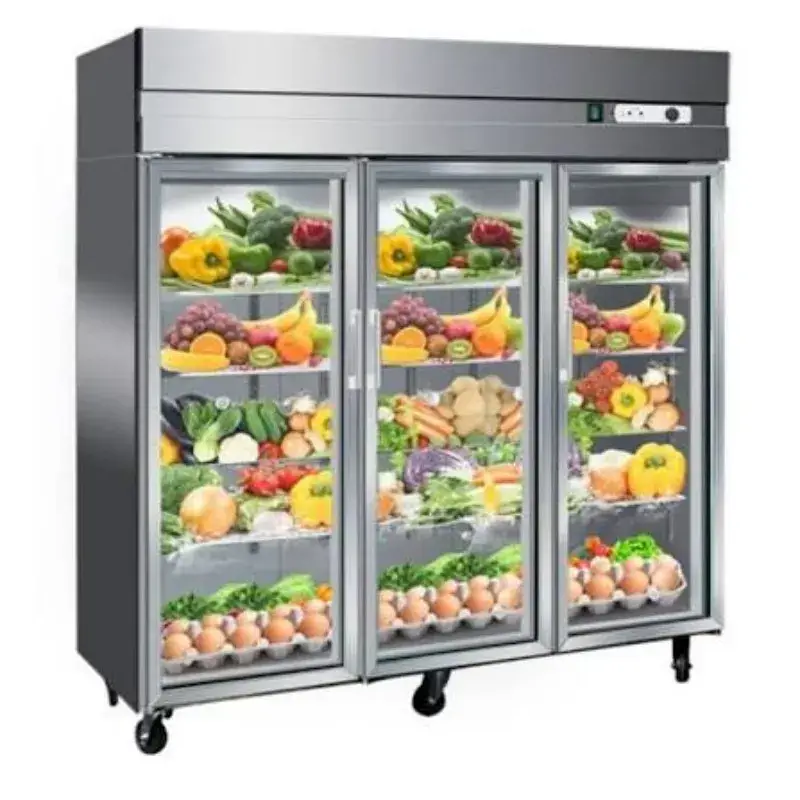
Fresh produce deteriorates fast when storage conditions are wrong. Lettuce loses its crispness, berries develop mold, and soft tomatoes bruise from even light handling. Restaurants, grocery stores, and other food service businesses lose more than inventory when that happens; customers notice the poorer quality, and the company’s reputation can take a hit. A vegetable refrigerator maintains better conditions, helping produce stay fresh and sellable for several extra days compared with standard refrigeration.
This guide explains how vegetable refrigeration works, which features matter most, and how commercial businesses choose equipment that protects fresh produce.
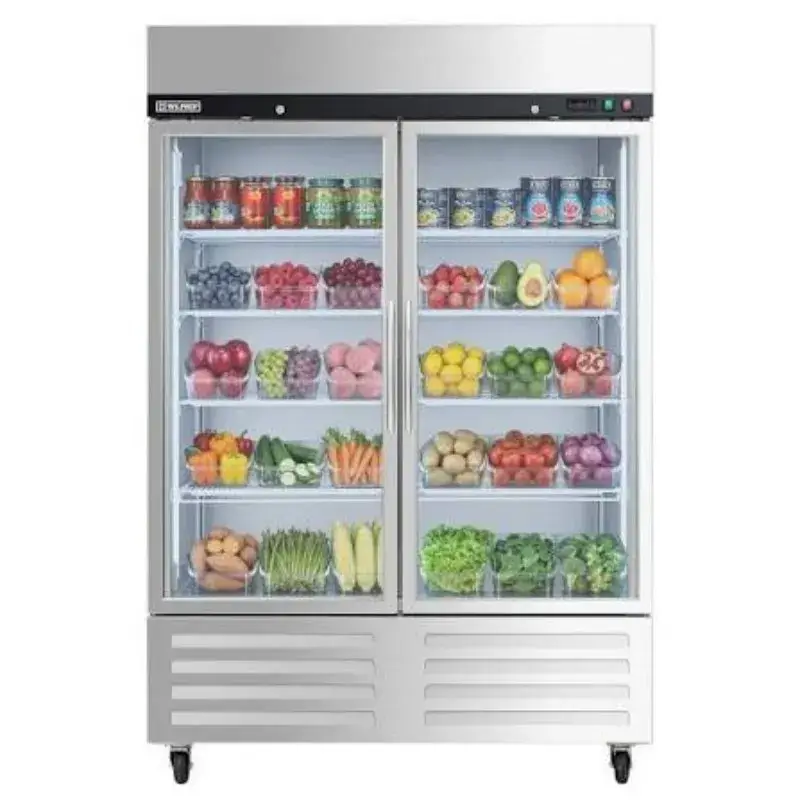
Why Vegetables Need Special Storage Conditions
A regular commercial refrigerator works well for many foods, but vegetables need steadier conditions. They remain biologically active after harvest, releasing moisture and heat as they respire. Small changes in temperature or humidity can speed up spoilage, and ordinary refrigeration often cannot keep either one stable.
Temperature and Humidity Balance
The right storage temperature depends on the vegetable. Leafy greens last longest at 0°C to 2°C with humidity around 90% to 95%, while root vegetables prefer 2°C to 4°C and moderate moisture. Tomatoes and peppers can suffer below 7°C because they are sensitive to cold. Most other vegetables hold up well from 0°C to 7°C.
A well-designed vegetable refrigerator lets you adjust temperature and humidity by compartment, giving each kind of produce the storage conditions it needs.
Ethylene Gas Management
Ripening apples, avocados, bananas, and tomatoes give off ethylene, a natural plant hormone that hastens aging in nearby produce. Keep ethylene-sensitive vegetables such as lettuce, cucumbers, and broccoli away from them; otherwise, they may spoil much sooner.
Good airflow prevents ethylene from reaching damaging concentrations. In more advanced systems, filters or scrubbers remove the gas altogether; for facilities storing several types of produce, that added control can extend shelf life by 30% or more.
Essential Features for Keeping Produce Fresh
Cold storage by itself is not enough. The system must also preserve vegetable quality, helping the produce stay saleable longer.
Active Humidity Control
Uncontrolled moisture leaves damp patches where bacteria thrive. Active systems monitor humidity continuously and adjust it through misting, evaporation, or dehumidification, keeping produce near its preferred moisture level without pooling water that leads to rot.
Strategic Air Circulation
Cold air must reach the entire storage area. If it does not, warm spots may develop and accelerate spoilage. Too much airflow creates a different problem by drawing moisture out of the produce. Properly positioned diffusers and carefully controlled air speed keep temperatures steady without drying the stored goods.
Multi-Zone Temperature Capability
A single storage unit divided into two or three temperature zones can hold different loads without taking up additional floor space. Strawberries can stay at 0°C, while bell peppers are kept at 7°C. Recommended conditions for common commercial produce appear below.
| Produce Category | Ideal Temperature Range | Recommended Humidity | Typical Shelf Life Extension |
| Leafy greens (lettuce, spinach, kale) | 0°C to 2°C | 90–95% | 5–7 days |
| Root vegetables (carrots, beets, radishes) | 0°C to 4°C | 90–95% | 14–21 days |
| Cruciferous vegetables (broccoli, cauliflower) | 0°C to 2°C | 90–95% | 7–10 days |
| Warm-climate produce (tomatoes, peppers, eggplant) | 7°C to 10°C | 85–90% | 3–5 days |
| Berries and delicate fruit | 0°C to 2°C | 85–90% | 3–5 days |
| Mushrooms | 0°C to 2°C | 90–95% | 7–10 days |
| Herbs | 0°C to 2°C | 95% | 7–14 days |
These figures assume the units are properly maintained; standard refrigeration or poor storage conditions may produce different results. Actual shelf life also depends on the quality of the produce on delivery, how it is handled, and how often the doors are opened.
Drainage and Condensation Management
Rising humidity leaves water behind. Without proper drainage, it pools inside the storage bins, accelerating decay and complicating cleaning. Sloped surfaces and concealed channels can direct that moisture into catch trays that staff can empty and wash, reducing the need for constant checks.
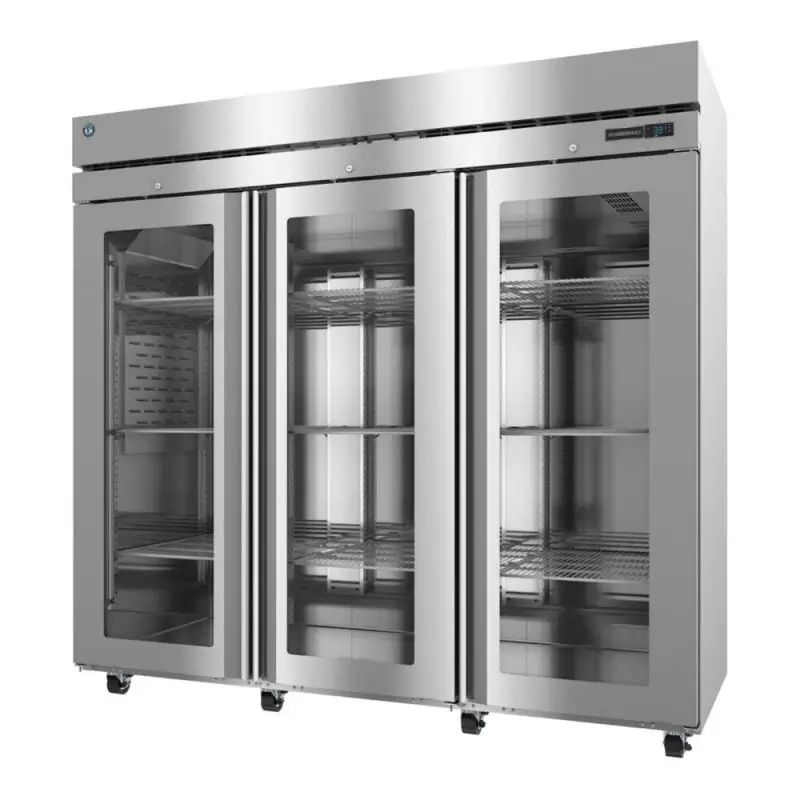
Configuration Options for Different Operations
Commercial operators can choose a setup around how the store works. Some use open shelving so customers can reach the produce, while others keep stock in enclosed rear storage. A mixed layout offers both.
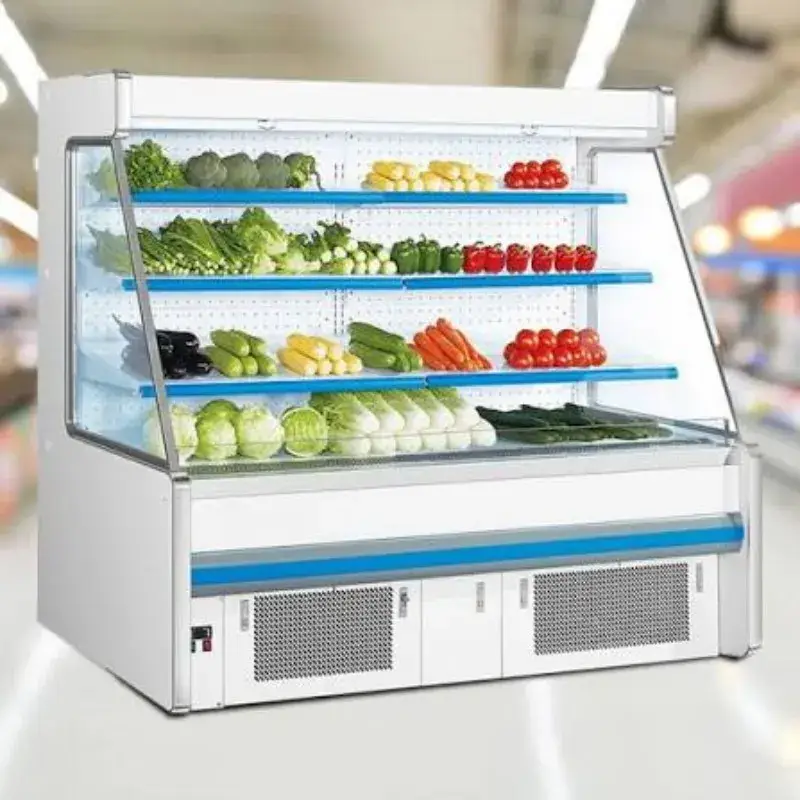
Open Display Models
With an open-front display, shoppers can examine the vegetables and select what they want. These cases consume more energy than enclosed models, but high-volume stores often accept the added cost because the produce sells quickly and staff restocks the display throughout the day.
Open models require more cooling since chilled air constantly spills out of the exposed front. Employees must also restock them often and move products around to keep the shelves looking full.
Glass Door Display Units
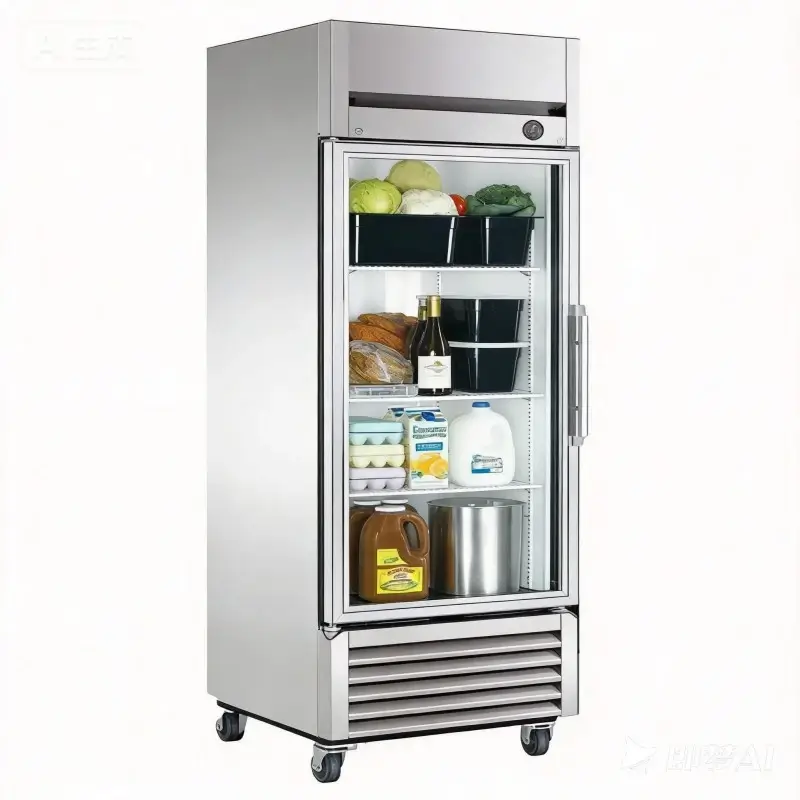
For many businesses, a commercial glass door refrigerator for produce offers a sensible middle ground. Customers can view the full selection without opening the door, while the enclosed space maintains steadier temperature and humidity than an open case.
These models consume 20% to 35% less energy than open-front units. Their more consistent conditions may also keep products fresh longer, making them a strong fit for specialty grocers and prepared-food shops where quality matters more than immediate self-service access.
Back-of-House Reach-In Storage
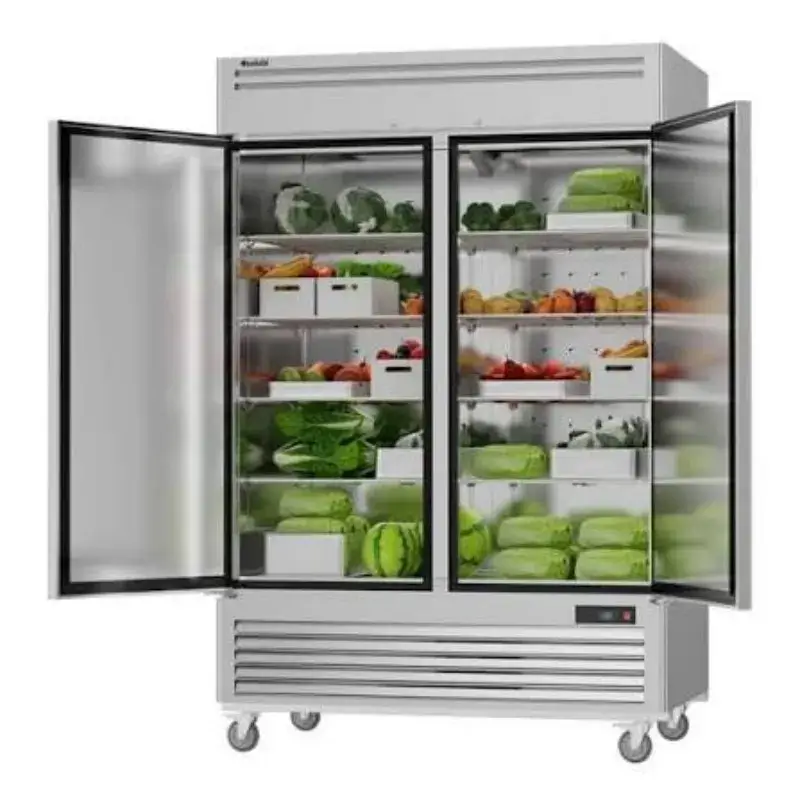
During service, kitchens and catering operations need vegetables nearby and reliably chilled. A commercial reach in refrigerator keeps produce easy to find without taking up the space needed during a busy shift.
Different produce can be stored separately on adjustable shelves, while solid doors help prevent temperature swings when staff open the refrigerator often. These units are made for everyday commercial work, with interior lighting for quick item searches and roomy bins that fit bulk vegetables efficiently. Appearance takes a back seat to storage, and temperatures remain steady even beside hot cooking equipment.
Practices That Maximize Produce Shelf Life
Refrigeration helps, but it cannot prevent waste by itself. Commercial kitchens need careful, consistent delivery handling from the moment produce arrives.
●Inspect each delivery right away. Check the temperature, note any damage, and document the condition before signing; bruised or spoiled produce will only deteriorate.
●Lower the temperature gradually until the produce reaches its proper storage range. Warm items should not go straight into cold storage.
●Rotate stock by FIFO: place each new delivery behind older inventory so the older items get used first.
●Use containers with ventilation. Perforated bins allow airflow; sealed containers hold in ethylene and moisture.
●Check and record temperatures daily. These logs satisfy food-safety requirements and may reveal equipment problems before stored goods are damaged.
●Clean the drainage systems weekly to reduce bacterial growth and ensure condensation drains properly.
●Separate produce that releases ethylene from items harmed by the gas. When only one storage area is available, install a physical divider or place the two groups in different units. Facilities that take these precautions and keep refrigeration reliable typically report 25% to 40% less produce waste than those relying on refrigeration alone.
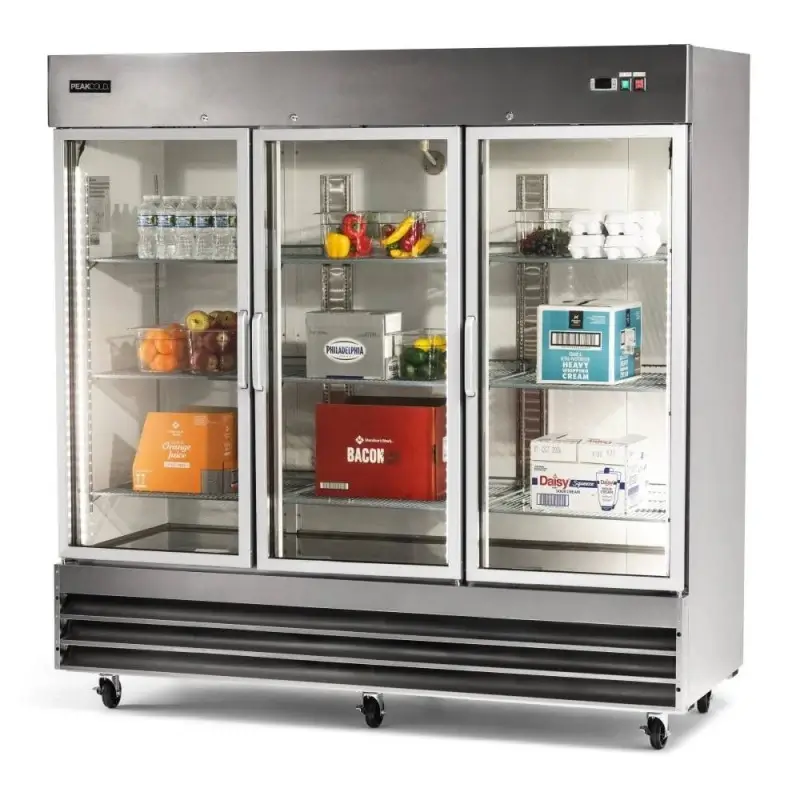
Common Storage Mistakes That Waste Money
Much of the produce thrown away was ruined by poor storage, not faulty equipment. Spotting these problems early can save operators money.
●Overcrowded shelves — When produce is packed tightly together, air cannot circulate. Warm pockets form, and spoilage can spread. Leave space around each item.
●Wet produce — Water from washing or condensation creates conditions for mold. Dry the produce before storing it, and use containers with ventilation holes.
●Tomatoes and cucumbers may look spoiled after sitting in the refrigerator’s coldest spots, where the low temperature can damage them.
●Store some produce separately. Apples give off ethylene gas that makes nearby lettuce deteriorate faster, and tomatoes can cause herbs to wilt sooner.
●Minor maintenance issues can become expensive problems fast. Dirty condenser coils may cut cooling efficiency by 20% or more, and a refrigerant leak can cause unstable temperatures.
●Check storage temperatures every week with a reliable thermometer. The equipment display may be wrong, so don’t rely on it alone.
These mistakes reduce the time produce remains fit for sale. Regular inspections and consistent maintenance help prevent them.
Sizing and Layout Considerations
Choose a refrigerator based on the amount of storage you actually need. Unused capacity still costs money to cool and occupies valuable floor space.
Calculating Required Capacity
For two weeks, record how much shelf space your inventory occupies at its peak. Measure the physical room it requires, not its weight or sales value, and account for normal weekly deliveries as well as seasonal increases.
●Separate ethylene-sensitive items from everything else.
●Keep about 15–20% of the total capacity empty so air can circulate.
●Plan for growth over the next 18–24 months.
During peak season, a restaurant using 40 kg of vegetables daily typically needs 2.5–3 cubic meters of storage. A small grocery store may need 8–12 cubic meters or more for produce, depending on its selection and sales speed.
Location and Environment
Place the vegetable refrigerator out of direct sun and away from heat. Each 5°C increase in room temperature raises energy use by about 10%, forcing the compressor to work harder.
Keep the condenser coils clear. Most units need 10 to 15 cm of open space on every ventilated side; tight quarters reduce cooling performance and can shorten the compressor’s life.
Energy Efficiency and Operating Costs
Refrigeration may make up a large part of a food operation’s electricity bill, so selecting an efficient vegetable refrigerator from the start can save a significant amount over its working life. Newer units often cut power consumption by adjusting compressor speed to demand, using low-heat LED lights, and relying on thick insulation to keep outside heat from entering.
●Defrost controls run only when needed
●Energy management controls that optimize cooling cycles
Energy-efficient models often make up the extra upfront cost within two to four years because they consume less electricity. Across a 10-year service life, those savings can surpass the unit’s original price.
Making a Confident Equipment Decision
A suitable vegetable refrigerator keeps stock in good condition, reduces waste, and helps maintain customer satisfaction. The wrong choice can bring persistent trouble, preventable losses, and an early replacement bill.
Operators should first identify the vegetables they process, their daily volume, and the working conditions on the floor. That information soon rules out equipment that cannot handle routine demands.
Comparing storage options before you buy can prevent an expensive mismatch. Glass door commercial refrigerators keep produce in view and maintain a consistent temperature, while reach-in vegetable refrigerators fit neatly into prep areas, keeping ingredients close and adding capacity when the kitchen gets busy. Choosing the right unit upfront cuts waste, preserves quality, and helps avoid refrigeration trouble later.
Frequently Asked Questions
What temperature should commercial vegetable refrigerators maintain?
Refrigerated vegetables generally last longest between 0°C and 7°C, but the right temperature varies by crop. Leafy greens prefer 0–2°C; produce from warm climates may need 7–10°C.
How does humidity control extend produce shelf life in refrigeration?
Vegetables keep their firmness and fresh look at roughly 90–95% humidity. Dry air pulls out moisture, leaving them limp and lighter; in some cases, they become difficult to sell within a short period.
Can one refrigerator store every type of produce correctly?
Multi-zone refrigerators allow operators to adjust temperature and humidity for different products. But if the business mainly stores similar vegetables, a single-zone model is generally the better fit.