
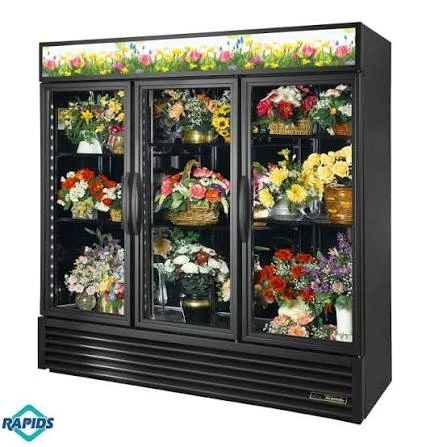
Cut flowers begin to decline the moment they’re harvested. Professional florists can delay the process by managing temperature, humidity, and light, gaining extra days of freshness—and protecting sales. A Commercial Flower Fridge keeps those conditions steady while leaving the arrangements visible to customers.

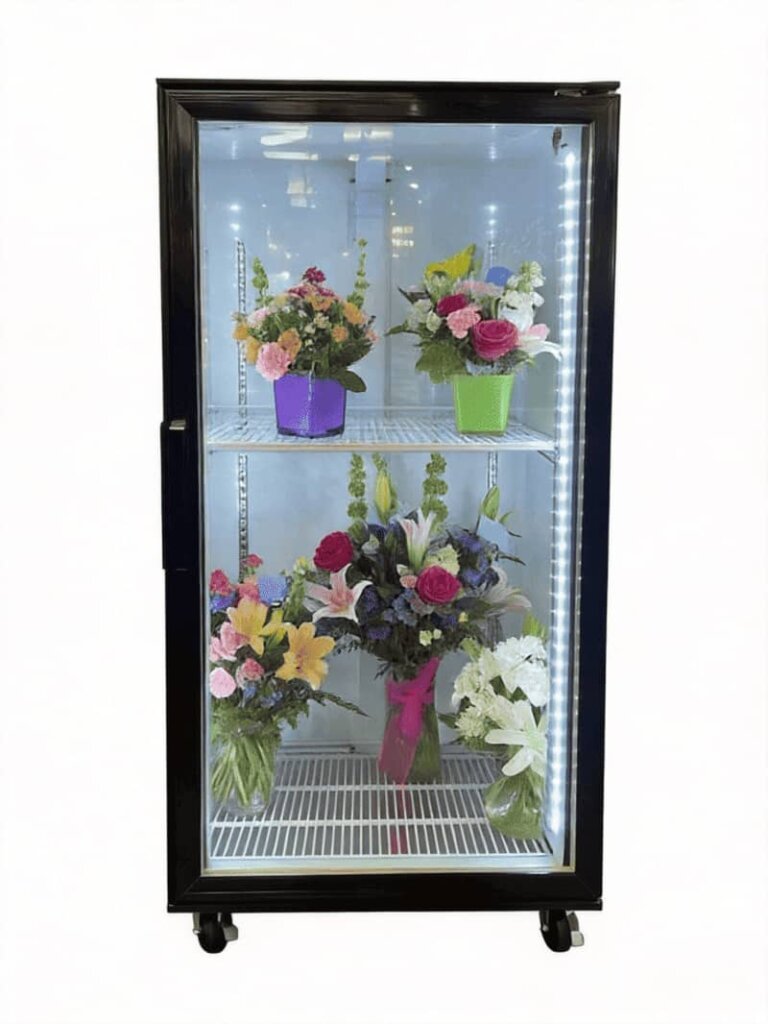
Standard refrigeration falls short: it runs too cold, strips too much moisture from the air, and offers no way to display flowers well. Florists lose stock sooner, end up with less appealing arrangements, and spend valuable time correcting damage that the right equipment would have prevented.
This article looks at why commercial florists need dedicated floral refrigeration, what separates dependable units from poor-quality ones, and how each shop can choose equipment that suits its space and budget.
How Cold Storage Affects Cut Flower Longevity
Cut flowers remain biologically active after harvest. They continue using stored energy and responding to their surroundings, so understanding that process helps florists choose the right equipment.
Respiration and Temperature
Cut flowers continue to respire after harvest, using oxygen and stored carbohydrates while releasing carbon dioxide and heat. Heat accelerates that process; the blooms open prematurely, lose color, and develop weaker stems. Keeping them cool slows respiration considerably.
Research consistently shows that most common commercial flowers last about two to three times longer when storage temperature drops by 10°C. A rose kept at room temperature—around 22°C—typically lasts 4 to 5 days. Store it at 2°C to 4°C with enough water, and it can stay fresh for 10 to 14 days or more.
Humidity and Water Balance
Cut flowers lose water through their petals and leaves, a process called transpiration. Standard refrigeration can dry the air and accelerate that loss. Petal edges shrivel first; then the leaves curl, making the flowers look tired long before they actually die.
Keep a floral cooler at 80%–95% relative humidity. Flowers stay hydrated and look fresh at that level, while their stem ends are less likely to dry out and lose the ability to draw water from storage buckets.
Ethylene Sensitivity
Ethylene gas speeds aging in many flowers. Commercially important species such as carnations, roses, orchids, and lilies are especially sensitive; even trace amounts can cause petals to drop early, buds to fail, or colors to change within hours.
Good airflow prevents ethylene from reaching harmful levels inside a storage unit. Florists face a much higher risk when flowers share a refrigerator with fruit, vegetables, or decaying plant material.
What Sets a Flower Fridge Apart from Standard Refrigeration
A flower fridge is designed specifically for keeping fresh flowers in good condition. A standard commercial cooler handles a broader range of products, so the practical differences come down to temperature precision, humidity, and airflow.
| Feature | Standard Commercial Cooler | Dedicated Flower Fridge |
| Temperature range | –2°C to 8°C (broad) | 1°C to 6°C (optimized for flowers) |
| Humidity control | Minimal or none | Active, adjustable (80–95%) |
| Air circulation | Aggressive forced-air | Gentle, diffused airflow |
| Display capability | Usually hidden behind basic glass doors | Full glass panels with interior lighting |
| Shelving design | Flat commercial shelves | Tiered or adjustable shelves for vases and buckets |
| Ethylene management | No dedicated system | Ventilation that limits gas buildup |
| Lighting | A basic interior bulb | LED lighting tuned for color display |
The gap is obvious. General-purpose equipment compromises the whole display. Flowers do not last as long, the arrangement looks less appealing, waste increases, and customers are less likely to notice it.
Key Features Professional Florists Expect
Experienced florists care less about a cooler’s specification sheet than its performance during a busy day in the shop. Reliability is what matters.
Full Glass Visibility
Clear glass doors can make a floral display unit far more effective. Customers buy flowers with their eyes; if solid panels block the view, the products disappear. A commercial refrigerator fitted with glass doors keeps bouquets and arrangements on display, attracting attention before staff needs to mention them.
Stores usually sell more flowers when glass-front coolers stand by the entrance or along the main aisle. Customers spot the arrangements right away, and that visibility does much of the sales work.
Florists should look for tempered double- or triple-pane glass with an anti-fog coating. Low-emissivity (low-E) glass helps reduce heat transfer without clouding the display, while a curved or angled front gives customers a clearer view.
Easy-clean surfaces keep the display clear day after day.
Interior Lighting Quality
Good lighting does more than brighten a refrigerator. It makes the unit part of the sales display, while the interior LEDs’ color temperature and brightness affect how customers perceive a flower’s color, texture, and freshness.
Warm white LEDs in the 3000K–3500K range usually show flowers in vivid, natural-looking color. Cooler bulbs can mute red and pink petals; very warm ones may make white blooms appear yellow. Higher-end fixtures often let florists adjust the color temperature to change the display’s mood.
A light box built into the top of the cooler brightens the entire display while leaving space for the shop’s branding or promotions. For medium- and high-volume florists, a 3-door floral cooler with a light box for flower shop display combines that visible ad space with ample room for a large inventory.

Adjustable Shelving and Interior Layout
Florists need refrigerated space that can accommodate anything from one stem to a small posy, as well as floor arrangements and tiered wedding centerpieces. Fixed shelving gets in the way; adjustable shelves can be rearranged each day to match the stock on hand.
Key layout details to check:
Removable shelves give you space for tall arrangements when needed. Set them at four or five different heights, with a non-slip surface to keep vases and water-filled buckets steady. Each shelf should support at least 20 kg, and the base should have enough room for large buckets.
Temperature Precision and Recovery Speed
A flower shop may open its cooler dozens of times in one day. Every opening lets warm air in, and the temperature rises briefly. Once the door shuts, how quickly the cooler returns to its set temperature directly affects flower quality.
With an efficient evaporator and a good compressor, the cooler can return to its target temperature in 3 to 5 minutes after the door shuts. Slower units may take 10 to 15 minutes, leaving flowers exposed to repeated temperature changes during a busy workday.
How Different Flowers React to Refrigeration
Flowers do not all respond to cold storage alike. Understanding those differences helps florists make better use of limited cooler space.
Cold-tolerant varieties — Roses, carnations, chrysanthemums, alstroemeria, and lilies generally hold up best at 1°C to 3°C, which can extend their vase life considerably.
Gerberas, tulips, and hydrangeas store best at about 3°C to 5°C. Colder conditions can bruise the petals and leave the stems weak.
Tropical and other cold-sensitive flowers—such as orchids, anthuriums, birds of paradise, and protea—may suffer chill damage when temperatures fall below 8°C to 10°C. Place them in the warmest section of the cooler, or keep them in a separate unit.
A florist carrying several flower types may need a multi-zone cooler or multiple smaller units, with each one set to the temperature its flowers require.
Choosing the Right Size and Configuration
Choosing the right cooler size prevents two expensive problems: overcrowding the unit with more flowers than it can ventilate, or paying every week for space you do not use.
Calculating Required Capacity
Plan storage for the busiest season, not a typical day. Around Valentine’s Day, Mother’s Day, or wedding season, a shop may carry three or four times its usual inventory. Average-volume planning leaves too little room when demand and profits peak.
Track inventory each week during the busiest periods, and record both buckets and arrangements through an entire season. Measure the usable floor area too, accounting for door clearance, customer traffic, and staff access.
Keep about 20% to 30% spare capacity so air can move between stored items.
The best choice—one large unit or two smaller ones—depends on the shop’s layout and daily routine.
Single-Door vs. Multi-Door Configurations
Single-door coolers suit compact shops with limited room and moderate sales. They hold enough inventory for about 20 to 40 orders each day without taking over the floor.
Two- and three-door coolers work well in medium- to high-volume operations. The broader display area makes products easier to arrange, and separate compartments mean staff can open only the section they need, limiting cold-air loss during busy periods. That combination makes a 3-door floral cooler with light box a common choice for busy florists, offering generous capacity, an attractive flower shop display, and practical everyday operation.


Common Refrigeration Mistakes That Cost Florists Money
Good equipment will not save flowers from careless handling. Experienced florists keep seeing the same mistakes: tropical blooms left in damaging cold, sometimes with a single night below their tolerance limit ruining an entire orchid shipment. Crowded displays create another problem. Pack the buckets too tightly, and air stops moving, damp pockets develop, and botrytis (grey mold) can spread. Leave space between them.
Ignoring the door seals — Worn gaskets let warm air seep inside, forcing the compressor to work harder and shortening the life of both the equipment and the flowers.
Storing flowers without water — A cooler cannot keep cut stems hydrated. Without water, they wilt quickly even when refrigerated.
Neglecting routine cleaning gives bacteria places to build up—inside buckets, along shelves, and in drainage channels. From there, contamination can spread through the stored inventory and cause illness.
Flowers need their own storage area. Food and other products do not belong in a floral cooler: food gives off ethylene and odors that reduce flower quality, so these coolers should hold only flowers and floral supplies.
Avoiding these mistakes costs nothing more. It requires attention and consistent daily habits.
Energy Efficiency and Long-Term Operating Costs
Floral coolers run continuously throughout the year, so their electricity consumption may affect total ownership costs much more than the original purchase price indicates.
Modern high-efficiency units adjust compressor speed as needed. They also use cool-running LED lights, heavy insulation, and defrost systems that activate when ice actually accumulates rather than following a preset schedule.
With an efficient compressor and good insulation, a flower fridge generally costs 20% to 30% less to operate each year than an older or budget model. Over 10 years, the reduced energy bills often outweigh the higher upfront price.
Making the Right Investment
A dedicated flower fridge is one of the best equipment purchases a florist can make. It extends the life of perishable stock and keeps arrangements looking fresh for customers, while giving the shop a more polished appearance. Over time, lower waste and better displays can make up for the fridge’s cost.
A florist should start with the shop’s products, daily sales volume, and available space. Purpose-built floral coolers narrow the options, while a commercial glass door refrigerator may suit a shop that also displays other chilled goods, since its temperature can be adjusted for different needs.
Selecting the right unit at the outset can save years of unnecessary expense, spoiled flowers, and aggravation.
Frequently Asked Questions
What temperature range works best for a commercial flower fridge?
Most cut flowers stay fresh at 1°C to 5°C. Tropical varieties need warmer storage, around 8°C to 10°C, since lower temperatures may cause chill damage.
How much can a floral cooler reduce daily flower waste?
Florists with purpose-built coolers typically waste 30% to 50% less product than those relying on standard refrigeration, though results vary with the flowers and handling practices.
Can a flower fridge also display products in a retail setting?
Yes. Glass-door floral coolers keep arrangements cold and easy for customers to see. Several-door models with built-in lighting work especially well near the front of a shop.