
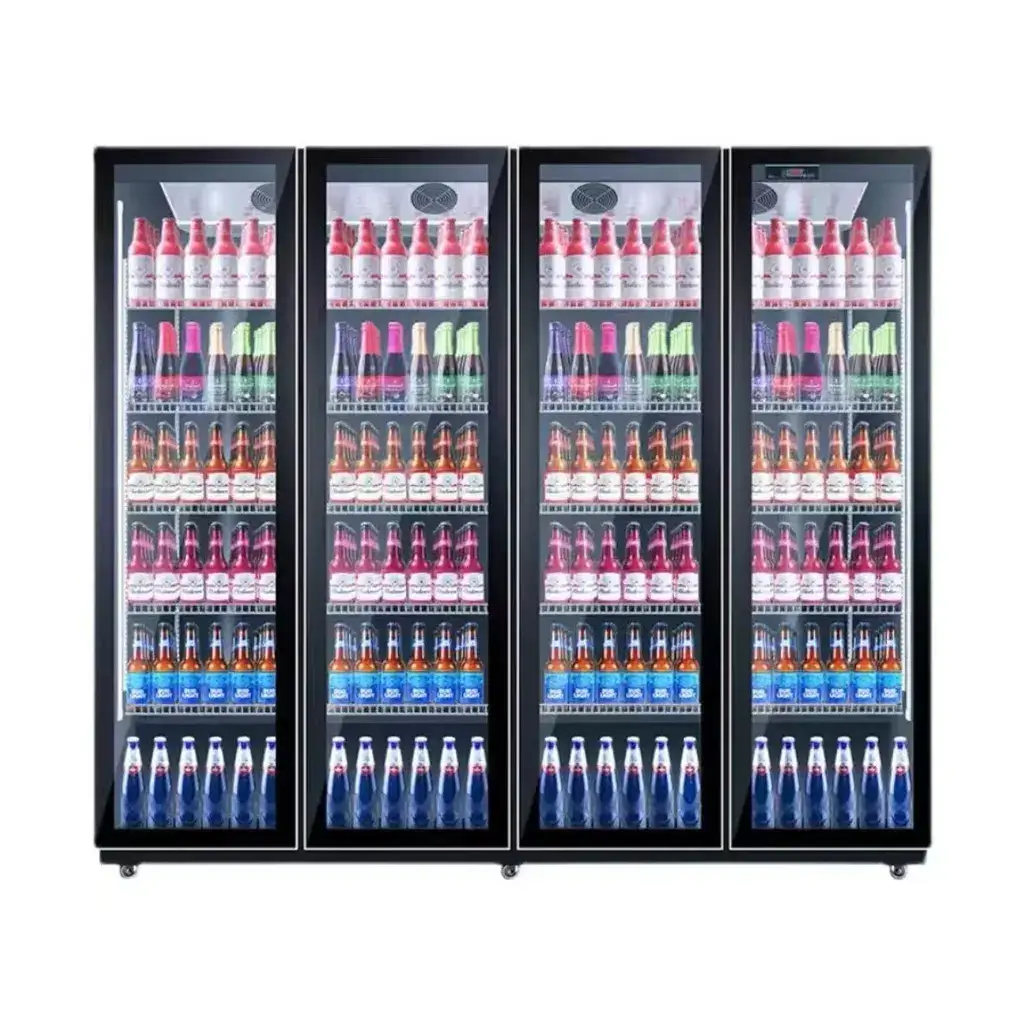
Why Endcaps Work Well in Slim-Depth Units
Endcaps are eye-catching and often drive impulse buying. Full-depth refrigerators typically stick out 32-36 inches into the aisle, leaving little room to walk or fit the space. Beverage display refrigerators with a slim profile are typically 24–30 inches deep, making it easy to see drinks while taking up less floor space.
Endcaps can generate 30–50% more sales per square foot than shelves located in the middle of an aisle. Nearby checkouts have slim refrigerators with cold drinks on display, but don’t block customers’ path through the area.
Today’s slim refrigerators don’t take up much floor space and are safe for food. The temperature is steady inside because of better insulation and controlled airflow.

Accurate measurement of endcap space
Please measure your available space before ordering. A listed depth may be for the cabinet only, so allow extra clearance for airflow, full door swing, and later servicing.
Critical Dimension List
Before selecting the equipment, make these measurements:
Depth:
Measure from the wall to the edge of the aisle. Check for a 36- to 48-inch walking clearance, ensure that the door opens all the way, and allow 2 to 4 inches behind the unit for ventilation:
Width and height:
Measure the available width between the shelves and from floor to ceiling. Before you start designing the room, look up to see what is in the way and where the nearest electrical outlets are.
If you need access, keep the floor drain clear.
For a 28-inch cabinet glass-door commercial refrigerator, plan for a total depth of about 32–33 inches, including the manufacturer’s needed clearance. Local ADA requirements should be checked prior to installation. If such rules apply, clear the main aisles and keep them generally at least 36 inches wide.
Comparison of Slim Refrigeration Options
The right refrigerator for you depends on what you sell, how much floor space you have, and how customers move around the store.
| Configuration Type | Typical Depth | Capacity | Best Use Case | Visibility Rating |
| Single-door presentation | 24–26 inches | 12–18 cu ft | Excellent for Specialty Beverages and Craft Drinks | Excellent |
| Slim double-door | 28–30 inches | 24–32 cu ft | Smart choice for high-volume convenience stores | Excellent |
| Open-air, multi-shelf unit | 22–24 inches | 10–14 cu ft | Designed for grab-and-go sites | Great |
| Pass-through counter | 20–22 inches | 6–10 cu ft | Good all-around performance; great for coffee shops and cafes | Good |
An upscale shop with a single-door display case, drinks are carefully selected and not crammed into the space. Adjustable shelves hold bottles and cans of varying sizes, keeping premium and seasonal products tidy.


Increase Product Exposure in Tight Profiles
Slim-depth units require careful planning. Their shallow shelves typically hold only one or two rows, so they carry less stock than deeper ones. Careful placement helps products stay visible in tight spaces.
How Lighting Affects Buying Decisions
A narrow display may disappear in bad light. Eye-tracking and purchasing studies show that products in slim, well-lit cases get 40-60% more visual attention than similar products in deeper cases with weak lighting. New beverage refrigerators solve this problem with LED lights in the door frames and more lights under the canopy and shelves, so you can see the top shelf, and there are fewer shadows around the items in the front.
Product attractiveness through color temperature optimization (4000-5000K)
Glass door treatments impact product visibility and electricity consumption. Compared to normal glass, low-E coating decreases heat transfer by 30-40% and still allows easy visibility of the products. Humidity also poses a problem. Anti-fog heating elements prevent the display from fogging up, but they run all the time, adding 15–20 watts to the total energy consumption of the unit.
Energy Efficiency in Small Packages
Slim refrigerators tend to heat up faster. This means there is less air inside, so opening the door requires the compressor to work more. Furthermore, their wider exterior absorbs more heat than a deeper refrigerator.
When you open the refrigerator, some of the cold air escapes. This means the compressor has to run longer to bring the temperature back down. It’s worse on the slim ones because there’s a less insulated path for heat to get in, which makes the compressor and controls work harder to get it right.
Energy-Saving Features That Are Worth It
A small premium fridge can be very power-efficient. Instead of running constantly at one speed, its variable-speed compressor changes its output as cooling needs rise or fall.
Smart defrost controls wait for frost to build up before starting a cycle, which avoids unnecessary heating.
If no one is nearby, occupancy sensors can dim or turn off the interior lights.
Electronic expansion valves can precisely control the flow of refrigerant and improve efficiency by 8 to 12 percent.
ENERGY STAR slim-depth units are typically 25–35% more energy efficient than conventional models. They cost more, but utility savings pay back the difference in 24 to 36 months. Many door openings at busy locations could shorten that payback period. At quieter locations, a mid-tier unit could cost less overall.
Please prepare the area before the crew arrives. Clear the aisles and remove anything that might obstruct the view of the shoppers or leave too little space for the display.
Electrical requirements
Most commercial refrigerators run on standard 115V/60Hz power but still require a dedicated circuit per endcap. If the refrigerator shares a circuit with other equipment, when it starts up there can be a brief drop in voltage that could damage the compressor and void the warranty. Installation must be in accordance with local electrical codes. GFCI protection may be required for exposed water locations.
Ventilation design
A rear-mounted compressor needs space to breathe. If the endcap is in a corner or against a wall, heat builds up, and airflow is reduced. Ventilation fans may be needed. In cramped quarters, a front-mounted condenser is often the smarter choice. Limited airflow can increase energy consumption by 20–30 percent and reduce the service life of the compressor.
Floor considerations
A smaller unit is less expensive per square foot but takes up less space. Before you install it, inspect the floor, especially if it is on a raised platform or in an older building. A bare commercial unit will usually weigh between 250 and 400 pounds. When stocked, it will typically weigh between 400 and 600 pounds.
Merchandising Strategies for Maximum Return on Investment
Its spot on a shallow display can affect how quickly it sells and how much profit it makes. Beverages at eye level account for 35-45% of beverage sales, so vertical placement is especially important in tight spaces.
Shelf Height and Purchases
Top shelf (eye level, 54-68 inches):
Reserve this space for higher-margin products. It’s the first thing shoppers see before they scan the shelves below, so it’s a strong position for new releases, seasonal items, and premium craft drinks.
Middle shelves (36–54 inches):
Here, drop reliable mainstream brands. They tend to sell consistently without needing the best shelf position.
Lower shelves (12-36 inches):
These shelves are for bulk packs and other high-volume products. If a shopper knows what they want, they will bend down to retrieve it, but impulse buyers generally will not retrieve it.
Bottom Shelf (0-12 in.):
This space is for large packages and discounted multipacks. The extra capacity helps stores handle sudden spikes in demand, although shoppers often overlook products shelved that low.
Cross-Merchandising Endcap Coolers
Place endcap coolers where shoppers expect to find those beverages—premium bottled water near fresh produce, craft soda next to artisan chips, and energy drinks near protein bars. A prime spot can turn a quick look into an impulse buy.

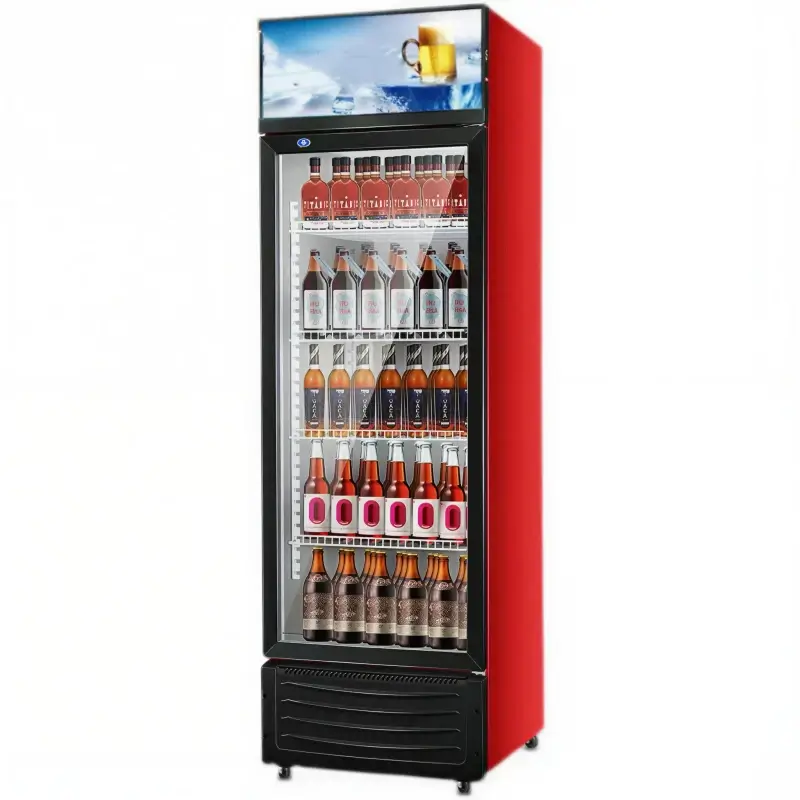
Temperature control in areas with high traffic
Why Endcap Refrigerators Work Harder to Stay Cold
Endcap refrigerators warm up more because shoppers open their doors more often than those on walls or in aisles. These units may be shallower, but the temperature requirement is the same; food needs to be kept between 34 and 38°F for quality and safety.
For example, a busy convenience-store endcap refrigerator could be opened 400 to 600 times in a day (especially if the store does 200 to 300 transactions). Each opening brings in warm, humid air that has to be removed by the cooling system as extra heat and moisture. Once the door is closed, a commercial beverage refrigerator will generally come back to its setpoint in 3-5 minutes.
Need for Monitoring and Maintenance
Staff are alerted when a refrigerator drops out of the safe temperature range. Basic models show the temperature on the door. More advanced systems store readings for food-safety inspections and warn of possible mechanical problems. Most health departments require commercial kitchens to maintain these records, and monitoring equipment is often required.
Preventive maintenance has to be in sync with the wear these endcaps take.
Weekly:
Regularly clean dust condenser coils, especially on units near busy aisles where debris builds up quickly. Check door gaskets for cart damage and make sure all doors seal tightly by closing them completely.
Every month:
Every month: Monitor the temperature with a second thermometer. Clean out any debris from the drain lines before they clog and replace any burned-out LED lights to keep the area well illuminated.
Quarterly:
Have a professional check refrigerant levels. Check the gaskets for wear, and replace any that are damaged. Make sure the thermostat’s readings and controls are accurate.
Final Equipment Selection
Before purchasing equipment, see how many customers the store is serving. A busy convenience shop needs units that work without interruption and quickly return to the correct temperature. A specialty retailer may prefer neat displays and shiny lighting.
Customers can ask for a demonstration before they buy or try the equipment in the field. Trials are typically 30–60 days, but there may be a restocking fee for returning the equipment.
A decent warranty and a local repair shop may be more important than slight differences in specs. Energy costs accumulate over time, but a less efficient machine might still be cheaper if local technicians can fix it quickly. A more expensive model that only offers remote support could leave the operation waiting.
When floor space is tight, a narrow beverage fridge can be all you need. It uses little power, requires little maintenance, and allows shoppers to see the drinks easily. It’s on the right endcap, where it could pay for itself in increased sales sooner than you think.

FAQ – Frequently Asked Questions
Q1: How “slim” is “slim” for endcap beverage refrigeration?
A: Typically, slim-depth fridges are 24 to 30 inches deep in the front, whereas regular fridges are 32 to 36 inches deep. Provide 2-4 extra inches behind the unit for air circulation, particularly in a tight end cap.
Q2: What is the energy consumption of slim-depth units compared to full-depth refrigerators?
A: ENERGY STAR® certified slim refrigerators use 25-35% less energy than standard models. Location counts for a unit as well. That’s 15-25% more energy used by those on busy endcaps, as shoppers keep opening the doors.
Q3: Do slim-depth refrigerators hold a steady temperature during peak traffic?
A: Usually. As a general rule, a reliable model should recover to its set temperature within 3 to 5 minutes after the door closes. If you are putting the unit at the end, select a model with a variable-speed compressor and thick door gaskets so less warm air enters when the door opens.