
Why Convenience Stores Need Specialized Beverage Cooling Solutions
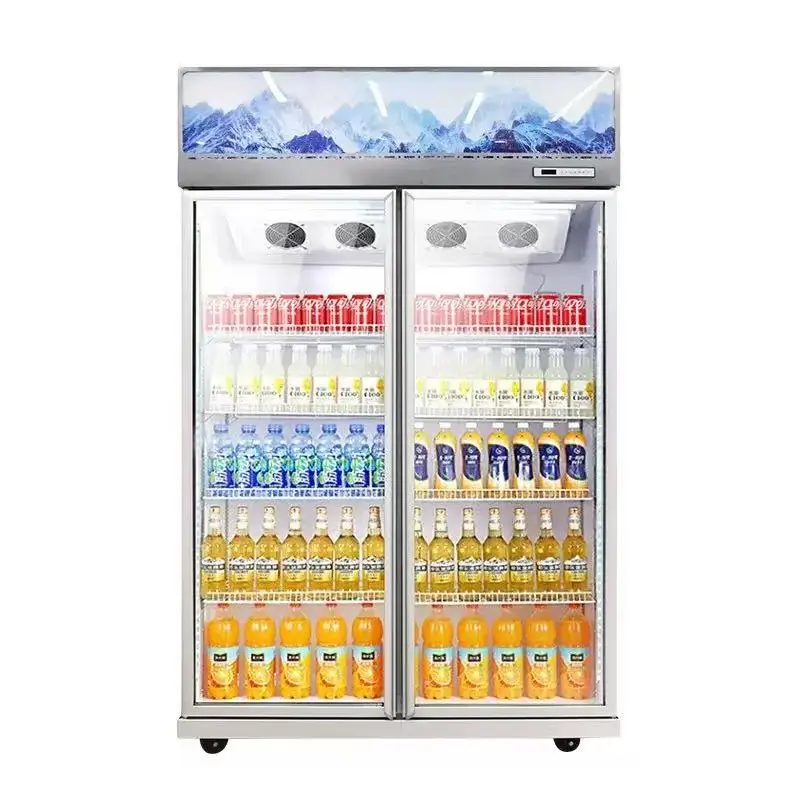
Convenience stores operate at a fast retail pace, with beverage sales accounting for a significant share of their revenue. Their refrigeration equipment has to maintain the right temperature, display products clearly, and keep working reliably through long hours. A commercial drink refrigerator meets those needs by offering transparent access to beverages while keeping them fresh.
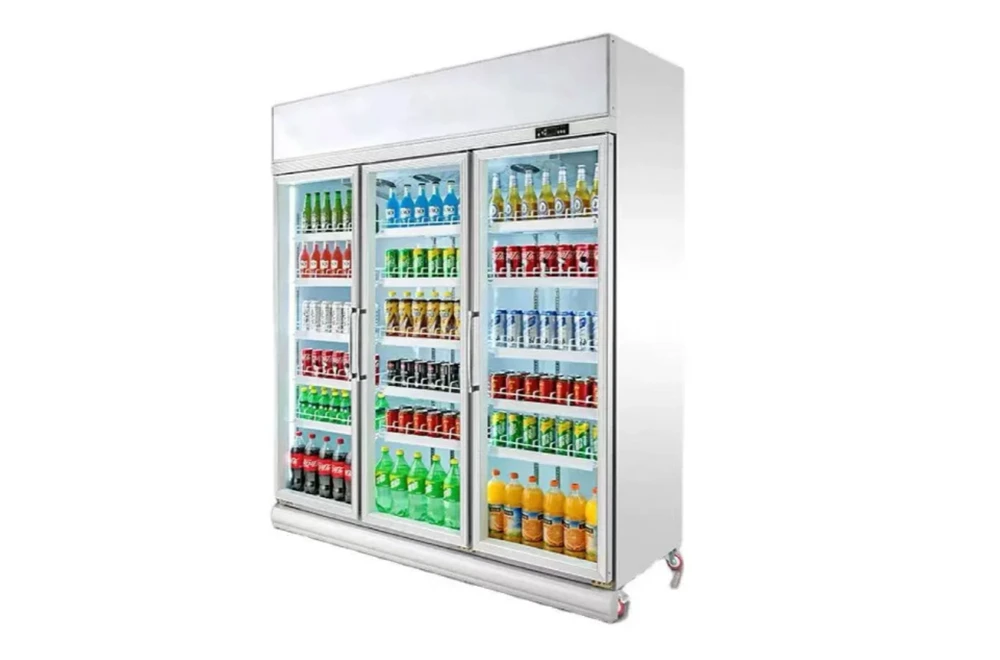
Convenience store customers usually make purchasing decisions quickly. Clear glass doors let them view the available products without opening the refrigerator again and again, helping limit energy waste and temperature changes. They may also prompt impulse buys, making the refrigerator a quiet sales tool.
Key Features That Define Effective Commercial Drink Refrigerators
Display Visibility and Customer Engagement
Modern Commercial Glass Door Refrigerators are made to showcase products. With several shelves and LED lighting, they keep items visible from the top shelf down, helping beverages look appealing whether they are placed at eye level or below. In the high humidity common in busy stores, anti-fog glass also helps keep the doors clear.
Temperature Consistency Across Cooling Zones
A dependable commercial drink refrigerator maintains a steady 34°F to 38°F throughout the cabinet. With a digital thermostat and automatic defrost cycle, it limits frost buildup that could obscure products or make cooling less efficient. For stores in warmer climates, reinforced insulation and high-efficiency compressors are especially useful.
Space Optimization Through Strategic Design
Double Door Display Refrigerators hold a great deal without taking up much floor space. Most models offer 40–60 cubic feet of usable capacity, accommodating standard cans as well as oversized bottles. Adjustable shelves make it possible to rearrange the interior as seasonal demand changes or promotional campaigns roll out.
Compressor Types and Their Impact on Performance
Selecting the right compressor technology can significantly affect operating costs and service life. The most suitable choice—reciprocating, scroll, or inverter—depends on store traffic, ambient conditions, and budget. Specialized compressor-selection guides offer detailed comparisons of these systems.
| Compressor Type | Energy Efficiency | Noise Level | Maintenance Frequency | Typical Lifespan |
| Reciprocating | Moderate | Medium | Quarterly | 5-7 years |
| Scroll | High | Low | Semi-annual | 8-10 years |
| Inverter | Very High | Very Low | Annual | 10-12 years |
Configuration Options for Different Store Layouts
Single-Door Versus Multi-Door Units
Small-format convenience stores often maximize limited floor space with single-door Beverage Refrigerators measuring 24–30 inches wide. These compact units suit locations that prioritize impulse displays near the checkout. Larger stores may instead select multi-door configurations, separating product categories so that soft drinks occupy one section, energy drinks another, and premium beverages remain in climate-controlled zones.
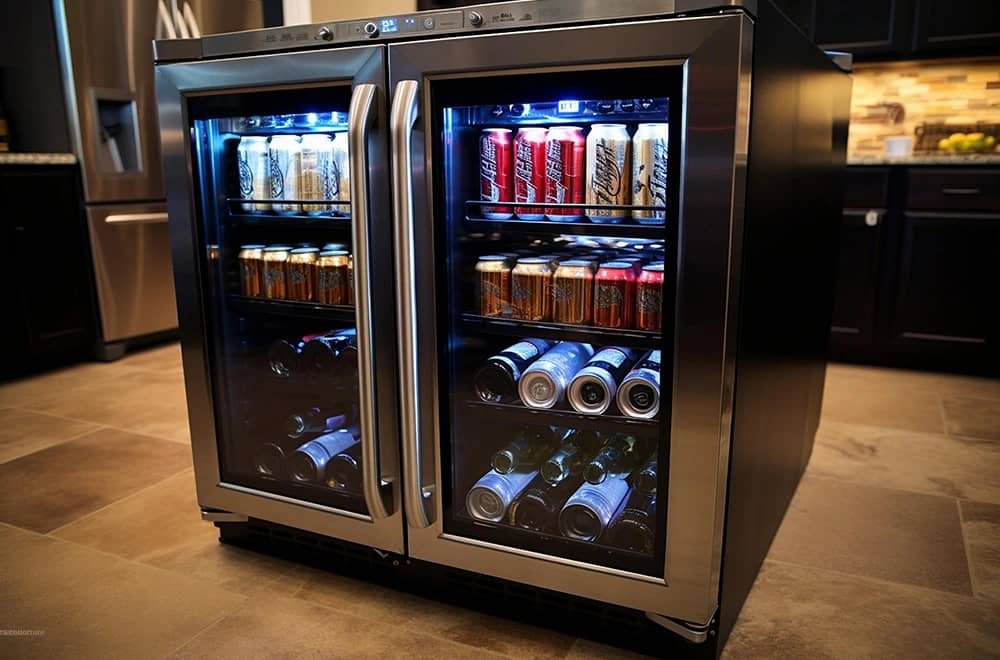
Freestanding Versus Built-In Installation
Freestanding models can be moved or reconfigured more easily when a store changes with the seasons. Built-in units require professional installation, but they integrate more closely with the store’s architecture. With proper ventilation, both types cool equally well; maintenance is simply more accessible on freestanding models.
Operational Considerations for Maximum ROI
Energy Consumption and Cost Management
Energy-efficient commercial drink refrigerators can reduce monthly operating costs by 20-35% compared with older units. Look for Energy Star certification when selecting one, along with LED lighting. Inverter-driven compressors adjust cooling intensity based on the surrounding temperature and how frequently the door is opened, rather than cycling constantly on and off—a pattern that drives up electricity bills.
Maintenance Practices That Prolong Equipment Life
Regular upkeep preserves refrigeration performance and helps prevent expensive breakdowns. The main tasks are:
- Clean the condenser coils each month to keep heat exchange efficient
- Inspect the door seals every quarter to limit air leakage
- Have certified technicians check refrigerant levels twice a year
- Lubricate the evaporator fan motor once a year
Preventive maintenance lowers emergency repair costs and helps reduce downtime during peak sales periods.
Matching Refrigerator Capacity to Store Traffic Patterns
High-volume sites need refrigeration systems built for rapid product turnover. In a busy urban convenience store, the cooler may handle 200-300 beverages a day. With customers opening the door repeatedly, temperatures also need to recover quickly. Oversized equipment wastes energy by cooling space that is not being used, while an undersized unit may struggle to maintain proper temperatures during peak periods.
Assess the daily sales rate for each beverage category to determine the capacity needed. Allocate 1.5 cubic feet of refrigerated space per 100 units sold each day, and allow for seasonal surges in demand.
Enhancing Visual Merchandising Through Strategic Placement
Position Commercial Glass Door Refrigerators where customers naturally move through the store, typically along the back wall or perpendicular to the checkout counters. Keep premium or high-margin beverages at eye level, while using the lower shelves for bulk products. Vertical displays give brands greater visibility and may prompt customers to buy more than one item.
Interior lighting intensity directly shapes consumers’ perceptions of product quality. Bright, cool-toned LEDs can make water and sports drinks appear more appealing, while warmer lighting is better suited to juice and tea. Height-adjustable shelves also make room for promotional displays without compromising cooling efficiency.
Selecting Durable Materials for Long-Term Performance
Commercial drink refrigerators generally feature stainless steel exteriors because the material resists corrosion and cleans easily. Their interiors are usually made with food-safe coated steel or aluminum, both of which should withstand condensation without deteriorating. Reinforced double-pane glass doors provide insulation while standing up to frequent use.
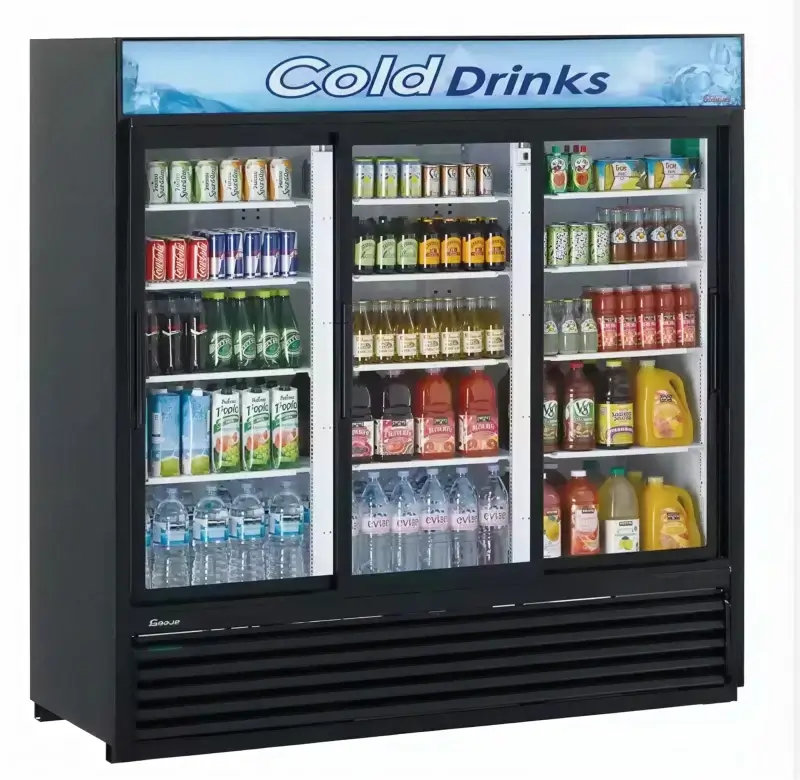
Heavy-duty hinges and magnetic seals help the doors close correctly even after thousands of opening cycles. Models designed for convenience stores often feature reinforced corners and scratch-resistant finishes, allowing them to withstand minor impacts from restocking carts.
FAQ
What temperature range works best for mixed beverage inventory in convenience stores?
Keep drinks between 36-38°F. That range keeps them cold enough to meet customer expectations for refreshing beverages without risking freezing damage to glass bottles or cans.
How often should convenience stores replace commercial drink refrigerators?
With proper maintenance, high-quality units can last 10-15 years. However, newer models may use energy more efficiently, so replacing a unit after 8-10 years can be worthwhile if the operating savings cover the equipment costs.
Can one refrigerator be used for both beverages and perishable foods?
Technically, yes. Dedicated Beverage Refrigerator units are built specifically for bottled and canned drinks, with attention to display visibility and air circulation. Compared with multi-purpose refrigeration, that setup can improve sales performance.