
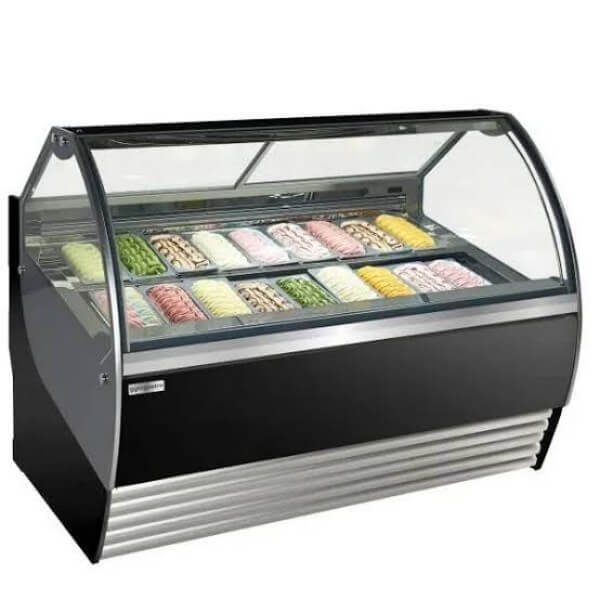
Why -22°C Is the Proper Temperature for Ice Cream Storage
Ice cream responds to changes in temperature almost immediately. Commercial ice cream is kept at -22°C (-7.6°F) in a display freezer for ice cream, cold enough to stay hard but still scoopable. That low temperature slows melting and helps limit the growth of ice crystals, keeping the texture smooth.
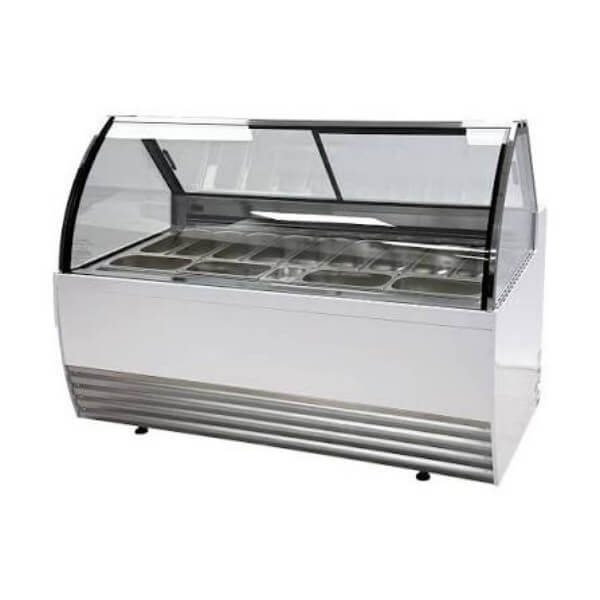
Keep the ice cream at about -22°C for clean, even scoops. Above 18°C, it is too soft to hold its shape, so portions and waste increase. But below -25°C, it hardens dramatically and takes much longer to thaw before serving.
Frozen dessert makers say that keeping ice cream at -22°C in a display freezer for ice cream can extend its shelf life by 30–40%. The continuous cold also stops the formation of large ice crystals, which keeps the texture smooth.
Temperature uniformity between freezer configurations
A single temperature reading is next to useless. The real test is when shoppers lift the lids and open the doors—how much the temperature rises and how quickly the freezer returns to its set point. The amount of recovery depends on the compressor capacity, cabinet construction, and door location, so a freezer that works well in one shop may not in another.
| Freezer Recovery Time Type | Daily number of door openings | Visibility | Power consumption | |
| Island Freezer Glass Top | 8–12 min | 50–100+ | Excellent | Medium |
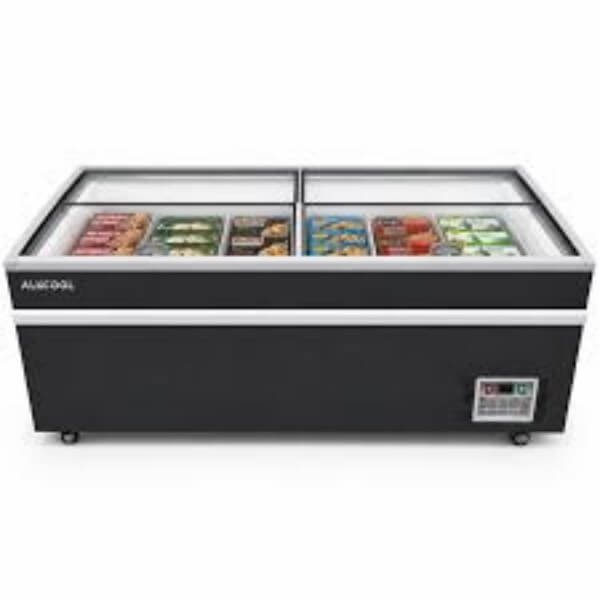
| Chest display freezer | 10–15 min | 30–60 | Good | Low |
| Vertical display freezer | 5–8 min | 100–200+ | Great | High |
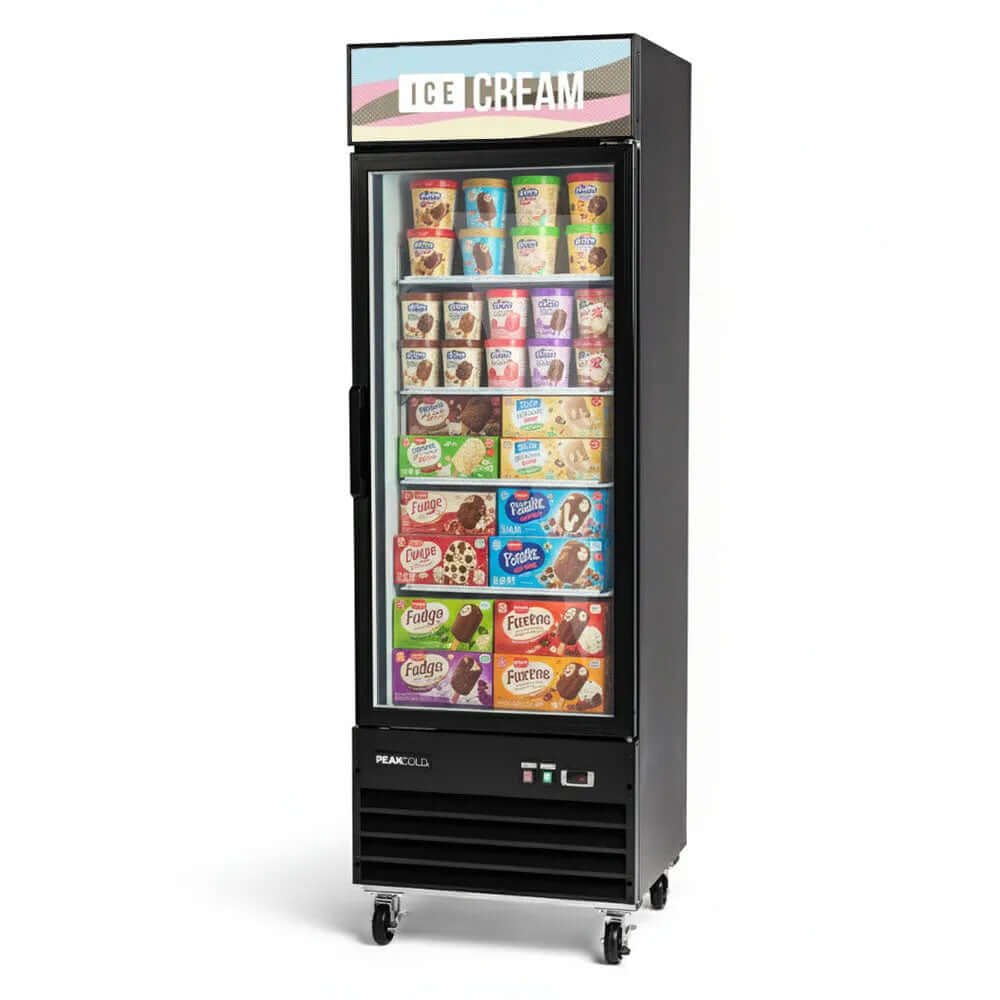
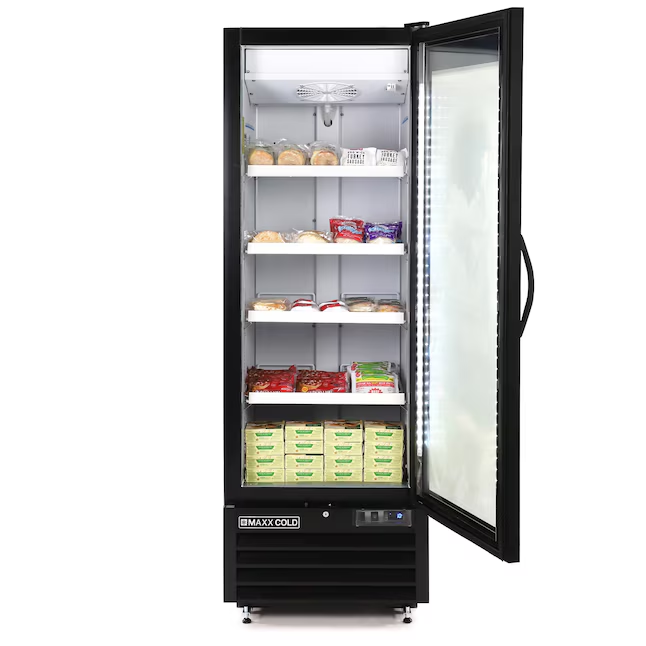
A typical commercial upright will recover to -22°C in 6-10 minutes after the door is opened or the freezer is restocked. That rapid recovery helps to keep service temperatures stable during busy periods. They usually hold 60 to 120 items and operate at medium to high energy levels.
Select a freezer that can accommodate a week’s worth of sales, with a little extra for peak periods. Allow space between items so cold air can circulate and keep temperature consistent.
A shop that sells 50-100 scoops a day typically needs 200-300 liters of freezer space. 150-300 scoops allow about 400-600 liters. Sales are over 400 scoops a day, except for 800+ liters, typically across a few ice cream freezers.
Product Variety Planning (PVP)
More flavors means less space in the freezer. One tub is about 8-10 liters, and if you carry 12-16 flavors, you might have one full set on the counter and one in storage. Seasonal products and new product launches can increase space requirements by 20-30%.
Select a freezer that fits the shop layout and place it along a natural customer flow. When floor space is limited, a tall upright unit is space-saving while the flavors are easy to view.
The Impact of Display Design on Sales Performance
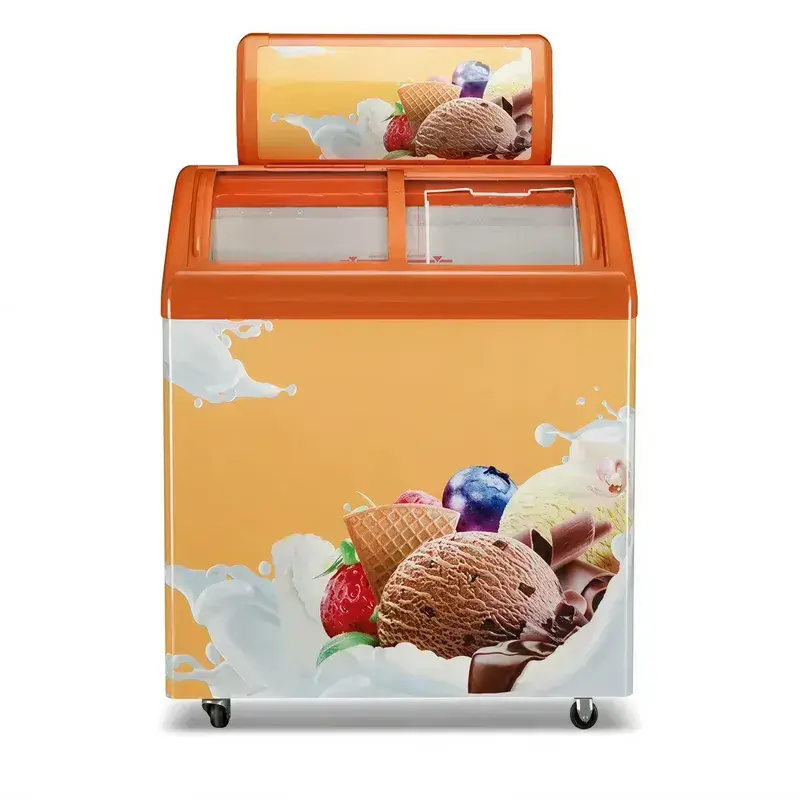
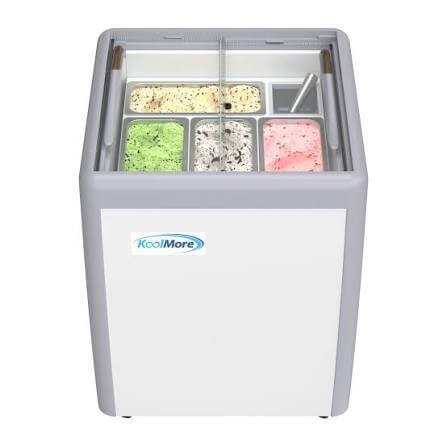
If the ice cream is visible to shoppers, sales may increase 45 to 60 percent. Glass-front cabinets and open-top displays also tend to encourage larger purchases, since customers can browse without having to open a chest-freezer lid.
A clear sliding lid allows convenience stores and other self-service stores to offer more frozen products without requiring more floor space. Shoppers can see what’s inside, lift the lid, and grab an item without having to bend down. The lid also keeps the cold out.
It is easier for shoppers and staff to locate items in an organized store. It can also surface overlooked items and sometimes push customers toward more expensive options.
Ultra Low Temperature Energy Efficiency
How Modern Display Freezers Cut Power Costs at -22°C
A freezer at -22C can suck a lot of power. Newer models typically consume less electricity because they maintain a more consistent temperature:
To keep cases cold while using less energy, they need 60-80 mm of insulation. The doors are low-emissivity glass to keep heat out, and the LED lights add almost nothing. Compressors modulate their output to demand, not run full bore all the time. When the store closes for the night, curtains are drawn down over the cases to prevent the cold air from escaping.
Newer models use 30–40% less electricity and hold a more consistent temperature. The upfront cost is higher, but the lower utility bills usually pay it back in 18 to 24 months.
Climate Change Problems
An air-conditioned room helps the freezer stay at -22°C with less power. In a hot, humid tropical shop without air conditioning, the surrounding heat makes the compressor work a whole lot harder.
Before buying an ice cream freezer for display, check the temperature by the counter. In an air-conditioned shop, a 400-liter unit will usually be enough, but a hotter store may be operating its compressor almost continuously.
If the power goes out, the food will spoil quickly. The expensive display freezer stays colder longer because of better insulation and a battery backup.
Do not open the freezer. After a power outage, most models will stay at a safe temperature for 2 to 4 hours; better insulated units with more thermal mass can last 6 to 8 hours. Commercial ice cream display insulation and door seals are not the same.
Good insulation and a tight door seal keep a freezer cold. If you think there is a power failure, close the door before the power goes off, and leave it shut until power is restored.
In areas where power cuts are common, some stores will buy freezers that are designed to keep food cold without electricity. A generator offers added security, especially when the cost of losing refrigerated stock is high.
Maintenance and installation
A properly installed freezer can run at −22°C throughout its entire service life. Performance suffers if the condenser coils are dusty or if the unit is near an oven or in direct sunlight. Overloaded circuits can also cause voltage fluctuations. This situation puts stress on the cooling system as well.
Use a flat, firm surface. Even the slightest tilt can damage the door seal and interfere with drainage.
Schedule for Preventive Maintenance
Routine maintenance assists in preserving the temperature and minimizes the risk of costly repairs.
Weekly duties:
Wipe down the condenser coils and air filters. Inspect the door gaskets for damage or ice build-up and compare the reading on the display with a separate thermometer.
Monthly tasks:
Wipe the inside clean and flush the drains. Check the refrigerant charge and system pressure. Lubricate the hinges and sliding hardware.
Quarterly goals:
A qualified technician should examine the freezer’s controls, wiring, and main parts every three months. It can keep -22°C for 8-10 years with regular servicing, but if you miss inspections, it’s more likely to last 4-6 years.
How to Make Displays More Attractive without Using More Energy
Customers need to see the products well. Open freezers promote impulse buying but consume 40-50% more electricity compared to glass-covered units.
Set the display for the route taken by most customers. Leave the freezers open during the peak times and then close them after the rush.
Lights triggered by someone walking up to them attract attention. Start with the best-selling flavors, and rotate your selection with the seasons.
Upright freezers with glass doors let shoppers see the products inside without blowing out as much cold air, so they tend to consume less energy than open cases.
Selecting the final equipment
Before you buy, make sure you have enough space and a nearby outlet that will work. The power rating stated is an estimate. Please verify the freezer’s actual consumption, as it may differ from the estimate. Some suppliers have display models or offer short trial periods.
Pick a freezer that can easily maintain -22°C, with some extra space for additional inventory. Crowded shelves mean products are harder to find, and staff get slowed down, and clear storage means quick retrieval.
Frequently Asked Questions (FAQ)
Q1: Commercial ice cream freezers are usually set to -22°C.
A: The ice cream is solid at -22°C but still scoopable. The lower temperature also slows bacterial growth, extending shelf life by 30-40% compared with warmer storage.
Q2: What is the impact of temperature fluctuation on the quality of ice cream in display freezers?
A: Keep the ice cream freezer within 2°C of the set point. Ice crystals can form when the temperature is above 3°C, which makes the ice cream gritty and also increases the chance of freezer burn. If you open the door a lot or put new stock in, it can spike quickly.
Q3: What size freezer is required for a shop that sells 200 scoops per day?
Look for a display freezer with a capacity of 400–500 liters. It should hold 16-20 tubs of the available flavors and have enough space for about 200-250 servings per day, plus extra capacity to meet the increased demand during weekends or seasonal peaks.