

A Cake Freezer That Fits Your Store’s Space
Store owners should measure the available space before purchasing refrigeration equipment. A display freezer for cakes may leave too little room for customers or other merchandise, and checking the dimensions first can prevent a costly mistake.
Space is tight in most small bakeries. A compact cake refrigerator can help, but a smaller footprint may leave less room for display. Choose a display freezer for cakes that fits securely without blocking the aisles, while keeping the products easy to see during the busiest hours.

Calculating Daily Cake Production Volume
Freezer space needs to reflect the bakery’s actual output. A shop producing 20–30 cakes a day requires much less capacity than one making over 100. Managers should examine several months of production records before selecting a unit, paying attention to peak periods, seasonal changes in demand, and the frequency of large special orders.
Useful figures include the number of cakes made daily, demand during weekends and holidays, wedding and corporate orders, inventory turnover, and the product range that requires separate storage.
A freezer operating at 90–100% capacity leaves almost no room to grow, while frequent restocking can disrupt sales. Industry experts recommend allowing 20–30% spare capacity so the business can manage expansion and seasonal demand.
Matching the Freezer to Your Display Needs
Each freezer style fits a different retail setup, so capacity and visibility should guide the decision.
| Freezer Type | Typical Capacity | Best For | Visibility Level |
| Single Door Display | 8-15 cakes | Small bakeries with limited space | Medium |
| Double Door Display Freezer | 20-40 cakes | Medium-sized retail stores | High |
| Commercial Upright Freezer | 30-60 cakes | High-volume bakeries | Variable |
| Countertop Display | 4-8 cakes | Cafes and convenience stores | Excellent |
Glass-door freezers keep products visible and may raise impulse purchases by 25–40%, according to studies. The trade-off is more frequent cleaning and slightly higher energy use than solid-door models.
Assessing Customer Traffic Patterns
Store traffic can reveal a sizing error that is easy to overlook. In high-volume locations, larger display units keep cakes available during rushes and reduce the need for constant restocking. Check the timing of peak periods, how long shoppers spend choosing, and whether queues develop when demand is highest.
During the afternoon rush, a busy bakery needs enough freezer room to keep its entire selection on display. Bare shelves can cost sales at once, so the revenue lost from limited display space may justify installing a separate cake refrigerator.
Evaluating Energy Efficiency and Operating Costs
Balancing Purchase Price Against Lifetime Energy Costs
Bigger freezers usually draw more power, but an efficient model can reduce that gap. Store owners should weigh the purchase price against the electricity costs over the equipment’s lifetime.
Long-term Energy Considerations
Refrigeration can account for 40-60% of a bakery’s energy consumption. Left running around the clock for years, a cake display freezer can drive utility bills up considerably. Energy Star-rated models typically cost 15-20% more upfront, but may reduce yearly operating costs by 20-35%.
Temperature settings affect power consumption, too. Each time a busy store’s freezer door opens, cold air spills out, forcing the compressor to run longer to return to the set temperature. Good insulation and the right size help a freezer recover efficiently; a small unit may struggle after repeated openings.
Distinguishing Between Refrigeration and Freezing Needs
Many bakery owners buy the wrong equipment because they assume cooling and freezing serve the same purpose. A cake refrigerator holds products at chilled temperatures, while a cake freezer drops them far lower for frozen storage; the distinction lies in both temperature range and intended use.
At -18°C (0°F) or below, freezers can keep cakes and cake components stored for long periods. Refrigerators, kept at 1-4°C (34-39°F), are better for decorated cakes with fresh cream or other delicate frostings that are ready for sale. Bakeries selling both types may need both systems.
Before buying equipment, store owners need to assess what they sell: how much is fresh versus frozen, how long each item must stay chilled, whether the decorations use buttercream, fondant, or cream, and if pre-made layers or fillings also require refrigeration or freezing.
This analysis considers whether a single large freezer can meet current demands or whether several smaller units would work better day-to-day.


Planning for Future Business Growth
Matching Capacity to Your Growth Trajectory
Retailers should plan for growth when buying equipment rather than sizing everything to today’s bare minimum. A freezer that reaches capacity within six months can hinder daily work and leave no practical space for expansion.
Scalability Factors
Capacity decisions should account for the business’s current market share, planned expansion, upcoming promotions, and new product development schedule.
● Seasonal business variations
● Local competition and market saturation
A Double Door Display Freezer gives a growing business more usable space than a single-door unit. The two-door layout can separate temperature zones or keep different products apart while preserving most of the display area.
Installation and Maintenance Space Requirements
Planning Clearance and Placement Before Installation
The freezer’s listed footprint tells only part of the story. Leave enough space for technicians to access the equipment, for air to move around it, and for the doors to swing open completely. Manufacturers typically specify the minimum clearance required for ventilation and maintenance.
Critical Spacing Guidelines
Refrigeration units need room to release heat; without adequate airflow, the compressor may overheat and fail sooner. Leave roughly 15–30 cm along the sides and back, depending on the model. The door should also open all the way without blocking customers or hitting nearby fixtures.
Display freezers should attract attention without getting in people’s way. A corner placement preserves wall space but can go unnoticed; positioning the freezer in the middle of the floor draws more shoppers, though it may occupy space for several smaller displays.
Making the Final Selection
The right choice depends on the store. A crowded shop with limited floor space may benefit more from a vertical Commercial Upright Freezer. A bakery that relies on product presentation might instead choose a larger horizontal display unit, despite its lower storage capacity per square foot.
Short-term rentals and conversations with seasoned operators often reveal practical issues that product specifications leave out. Suppliers may also help arrange the layout so the necessary capacity fits the space available.
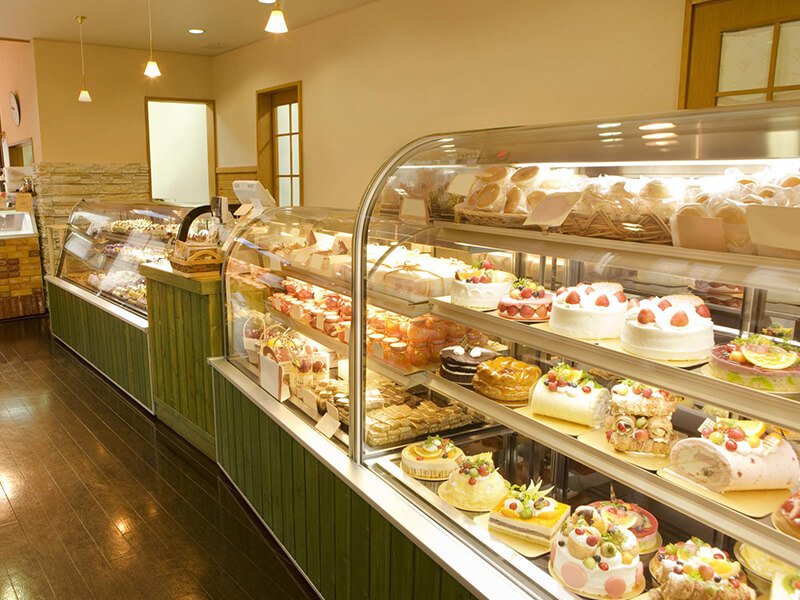
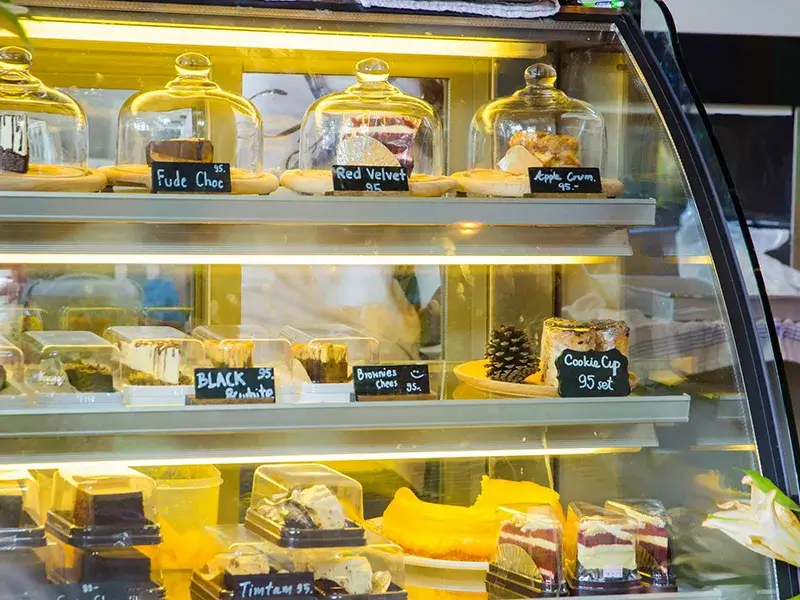
Select a cake display freezer that meets current demand without leaving the business unprepared for reasonable growth. It should keep energy use under control, display the products clearly, and leave customer traffic unobstructed.
Frequently Asked Questions
Q1: What size display freezer suits a bakery producing 50 cakes daily?
A: Choose a medium-capacity freezer that can hold 30–40 cakes while leaving about 20% of its capacity unused. During busy periods, a Double Door Display Freezer may make arranging products and serving customers easier.
Q2: How much does freezer size affect monthly electricity costs?
A: Large freezers generally consume 30–50% more energy than compact models. However, a newer energy-efficient large freezer can be cheaper to operate than an older, smaller one. Compare the full running cost over the freezer’s expected lifespan.
Q3: Can one large freezer replace multiple small display units?
A: One large unit usually costs less to operate and maintain, but it limits how easily products can be separated or the display rearranged. Smaller freezers cost more as a group, yet each can hold its own temperature and fit wherever the store needs it.